Questions? Talk to an expert: +44 (0) 1291 689 774
Logo
Enquire
Enquire
Logo

The Walking Holiday Specialists with over 28 years experience.

InstagramFacebookTikTok

About

  • Contact Us
  • About Us
  • Gift Vouchers
  • FAQs
  • Blog

Information

  • Overseas Travel Advice
  • Payment Options
  • Your Rights
  • Booking Conditions
  • Privacy Policy

© 2026 Celtic Trails Walking Holidays. A company registered in England and Wales under number 07736096. All rights reserved. Registered address 5 Ashweir Court, Tintern, Wales, NP16 6SE United Kingdom.

Green Tourism Bronze BadgeAdventure Travel Trade Association Member LogoABOT Member 5554 Membership Badge
Walking Holidays
About Us
  1. Home ·
  2. Walking Holiday Destinations
Beautiful UK Beach

Walking Holiday Destinations

Where would you like to walk?

Explore self-guided walking holidays across the UK, Ireland and Europe. Compare the landscape, walking style and routes available in each destination.

Find the walking that suits you

Start with the kind of walking you enjoy. You might follow a long-distance trail across the UK, spend several days beside the Atlantic, or choose vineyard, island or mountain walking in Europe.

With more than 70 routes to choose from, there are full trails, shorter sections and holidays ranging from a few days to several weeks. The walking varies just as widely, from gentler days on well-maintained paths to rougher coastal, hill and mountain terrain.

Destinations

Wales

Wales packs a remarkable range of walking into a relatively small country. On the Pembrokeshire Coast Path, the trail rises and falls between sandy beaches, fishing villages and exposed headlands. Offa’s Dyke follows the border country through farmland, wooded valleys and open ridges, while Glyndŵr’s Way heads into quieter hills and more remote stretches of mid-Wales. There is plenty of variety underfoot too. Some routes involve repeated coastal climbs, while others offer longer days across rolling countryside and upland paths. It is a strong choice if you want a proper long-distance journey with frequent changes of landscape along the way.

Explore Wales

Nefyn Path to Porth Dinllaen Llyn

England

England offers everything from open moorland and Lake District hills to chalk downs, riverside paths and long stretches of coast. Hadrian’s Wall follows the Roman frontier across the north, the Cotswold Way moves between escarpments and old market towns, while Wainwright’s Coast to Coast gives you a much bigger crossing through three National Parks. The walking varies considerably between routes. Northern trails tend to bring rougher ground, longer climbs and more exposed country, while southern England has plenty of gentler walking through farmland, woodland and villages. It is the broadest choice if you are still deciding exactly what kind of long-distance walk you want.

Explore England

Lakeland Yorkshire

Scotland

Scotland gives you a strong sense of travelling into wilder country. The West Highland Way moves from the outskirts of Glasgow towards Loch Lomond, Rannoch Moor and Fort William, while the Great Glen Way follows lochs and the Caledonian Canal towards Inverness. The Rob Roy and Speyside Ways offer quieter alternatives through forest, glens and river country. Not every Scottish route means mountain walking, but the landscape is often bigger and more exposed than further south. You can choose steadier canal and forest tracks or take on rougher paths, sustained climbs and longer Highland days. The weather can add considerably to the challenge, particularly on the more open sections.

Explore Scotland

Great Glen Way

Northern Ireland

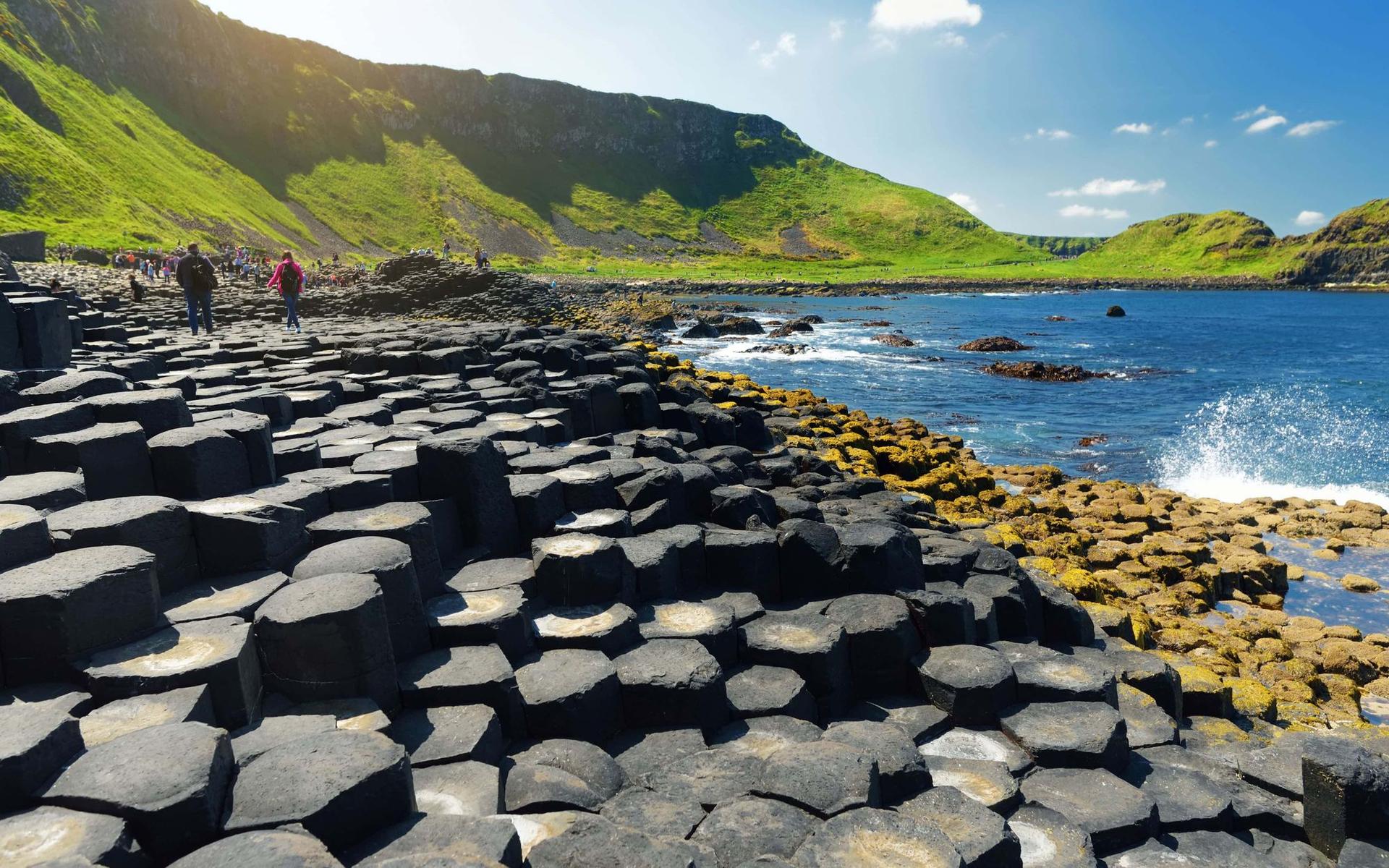
Northern Ireland’s walking centres on the north Antrim coast, where the Causeway Coast Way follows beaches, clifftop paths and coastal tracks towards the Giant’s Causeway. The route also takes you through smaller harbour towns and past the ruins of Dunseverick Castle, with an opportunity to spend time walking on Rathlin Island. There is a strong Atlantic character to the journey, with the sea rarely far away. Some sections run directly along the shore, while others climb above it for longer coastal views. Tide conditions can affect the line taken around places such as White Park Bay, so this is a route where the coast itself helps shape each day’s walking.

Explore the Causeway Coast Way

Walkers crossing the basalt columns at the Giant’s Causeway on Northern Ireland’s Causeway Coast Way.

Ireland

Ireland combines Atlantic coastline with green roads, mountain passes, forest and open hill country. On the Dingle Way you stay close to the coast for much of the journey, while the Kerry Way moves between shoreline and inland valleys. The Wicklow Way brings a different character altogether, with wooded hills, moorland and the monastic remains at Glendalough. It is worth knowing that Irish long-distance routes can include more road walking than you might expect. Much of this is on quiet lanes and boreens linking rural communities, with rougher tracks and boggier ground between them. That mixture of coast, countryside and inhabited landscape is very much part of walking here.

Explore Scotland

Walker stadning at the edge of the Kerry Way

Italy

Italy offers several quite different ways to walk. In Tuscany, the Via Francigena follows old pilgrim country between vineyards, farmland and medieval towns including San Gimignano and Siena. Puglia brings coastal paths, olive groves and old routes linking villages, while northern Italy takes you into Alpine country and the higher trails of the Dolomites. The difference is not simply scenery. A week of rolling Tuscan hills asks something very different of you from a mountain itinerary, and the coastal routes have their own rhythm again. Italy works particularly well if you want the places you stay, the food and the history to feel closely tied to each day on foot.

Explore Italy

Almalfi Coast

Spain

Spain ranges from Atlantic coastline and green northern hills to Mediterranean mountains, volcanic islands and the dry, rocky country of the south. Aragon takes you through gorges and old villages, Mallorca combines the Serra de Tramuntana with sea views, while the Basque Coast follows greener country above the Bay of Biscay. There are marked differences in climate as well as terrain, so the right Spanish walk often depends on when you want to travel. Some routes involve sustained mountain walking and rougher ground; others keep closer to the coast. The Canary and Balearic Islands add still more choice if you want an island journey rather than a mainland trail.

Explore Spain

Cabo de Gata

Portugal

Portugal’s routes bring together Atlantic coast, wooded hills and island landscapes. The Rota Vicentina follows the south-western shoreline through beaches, cliffs and small settlements, while Sintra combines coastal walking with forested hills and historic estates. Madeira is different again, with levada paths, laurel forest and volcanic mountain country. Much of the appeal lies in how close the walking stays to the landscape and communities around it. Coastal sections can include short, steep climbs between beach and cliff, while Madeira asks more of you on some higher and rougher days. Portugal gives you several distinct styles of walking rather than one single national character.

Explore Portugal

Rota Vicentina

France

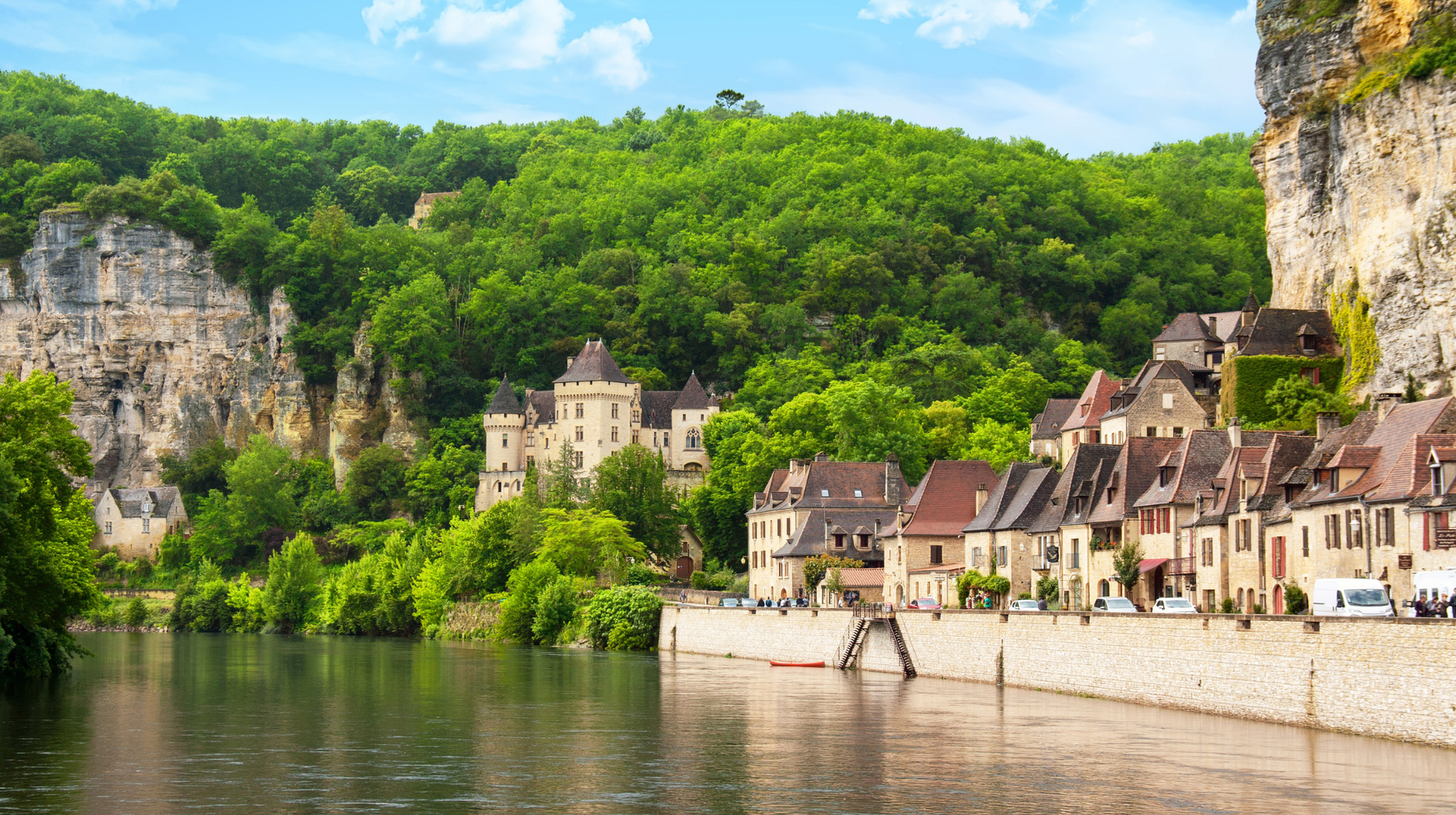
France gives you vineyard country, wooded hills, old villages and Atlantic coast within the same collection. In Alsace, routes pass through wine villages before climbing towards the forests and ridges of the Vosges. Provence brings limestone hills, olive country and places such as Saint-Rémy and Les Baux, while Brittany follows the GR34 beside the Côtes d’Armor. The walking ranges from gentler village and coastal days to more sustained climbing in hill country. It is a good destination if the places between the walks matter as much as the trail itself, with historic towns, vineyards and rural landscapes forming part of the journey rather than simply a backdrop to it.

Explore France

Castle in the Dorogne in France

Croatia

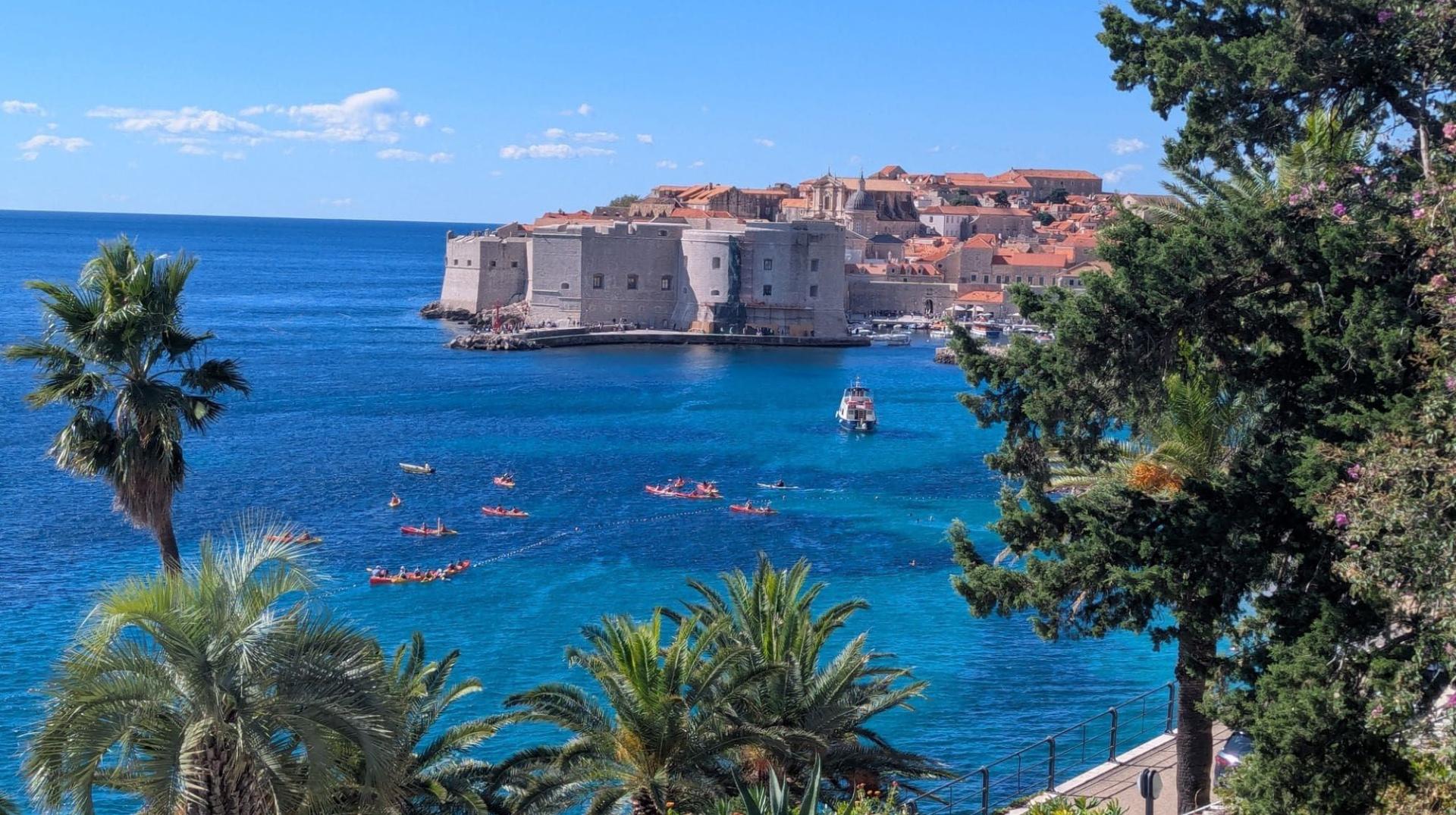
Croatia offers two contrasting ways into the Adriatic landscape. In Istria, the walking moves through vineyards, olive groves, forest and hilltop settlements before reaching the coast. Further south, the journey between Split and Dubrovnik combines walks on islands including Hvar, Korčula and Mljet with ferry journeys between them. This is less about following one continuous long-distance trail and more about discovering a region through a sequence of walks. Inland days can be hillier and more rural, while the island routes mix woodland, coastal paths and old villages. If you enjoy walking alongside time in historic towns and travelling between places by boat, Croatia has a character of its own.

Explore Croatia

Tuscan farm house

Montenegro

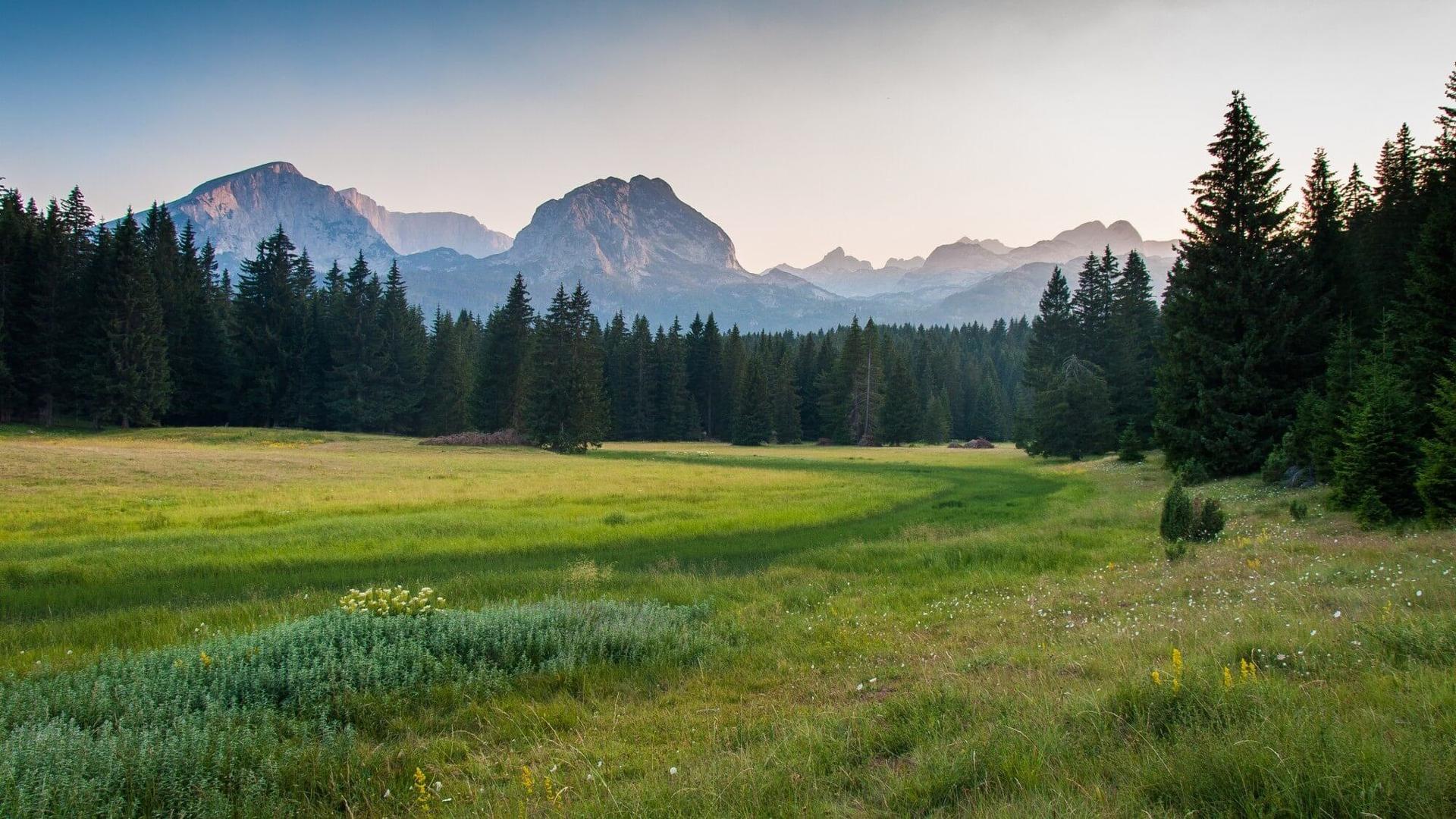
Montenegro compresses mountain and coastal walking into a surprisingly short distance. The journey begins among the mountains and lakes of the interior, including Durmitor National Park and the Tara Canyon, before moving south towards the Bay of Kotor and the Adriatic. The walking is graded Moderate, but this is still mountain country, with climbs, rocky paths and days where the terrain demands more attention than a gentler countryside route. Later stages bring a different feel as old forts, villages and coastal views appear above Kotor Bay. Choose Montenegro if you want a week where the landscape changes markedly between the first walking day and the last.

Explore Montenegro

Montenegro

Slovakia

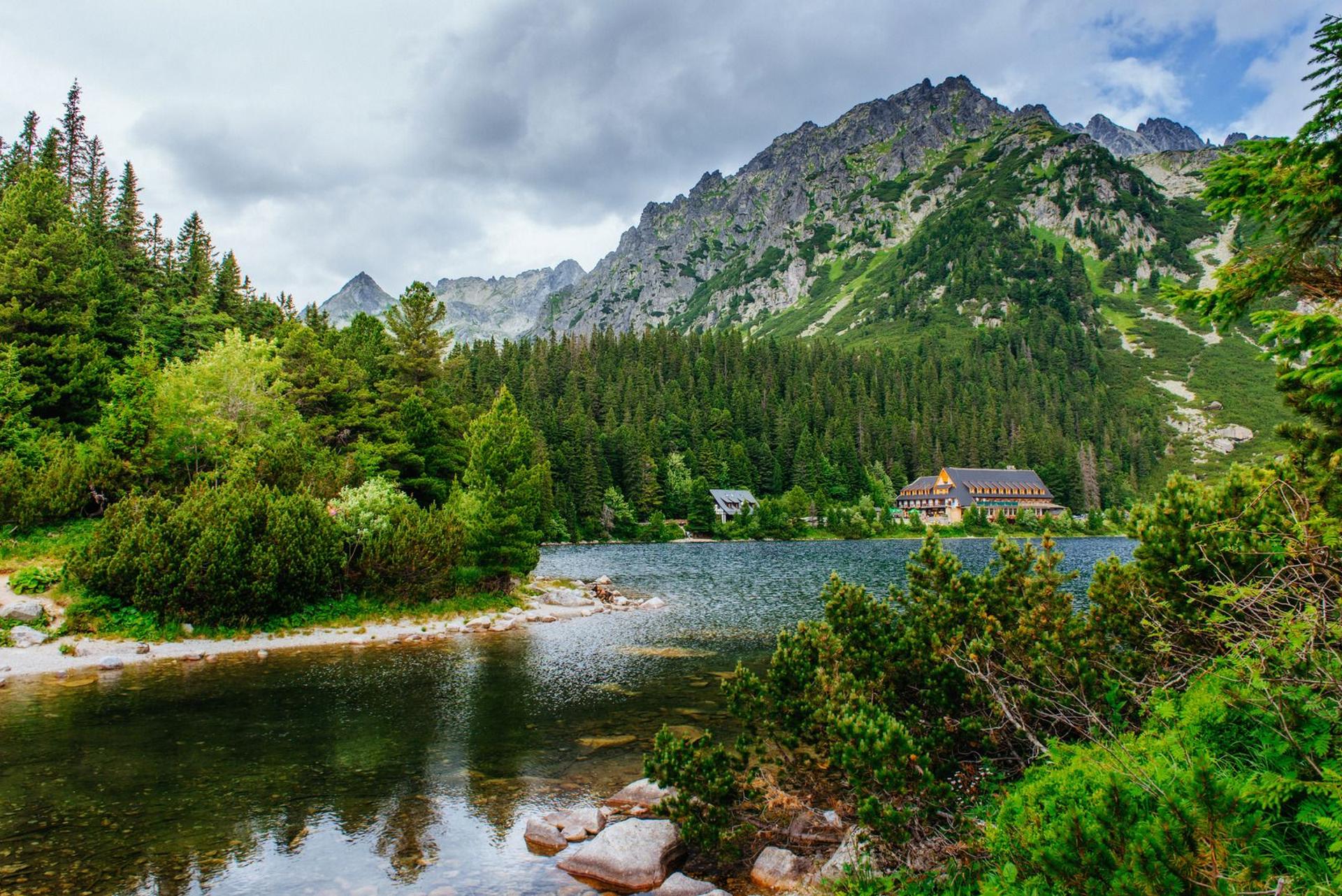
Slovakia takes you into the High Tatras, where forest paths, waterfalls and glacial lakes sit beneath the country’s highest peaks. The route moves between mountain bases including Štrbské Pleso, Starý Smokovec and Ždiar, so the character changes from higher mountain scenery to quieter ridges and village country. The walking is mountainous without being designed as an extreme high-level trek. Expect rocky trails, regular climbing and days when weather can make the ground feel considerably harder, balanced by easier stretches through forest and open valleys. It suits you if you want a proper mountain setting and varied days on foot without moving into the most technically demanding end of Alpine walking.

Explore the High Tatras

Open ridge landscape with forested hills and peaks in the High Tatras

Malta & Gozo

Malta and Gozo combine coastal walking with an unusually concentrated amount of history. Paths run above limestone cliffs and through rural country, with days linking places such as Ħaġar Qim, Dingli Cliffs, Mdina and the smaller island of Gozo. Valletta provides a very different finish among its fortified streets and harbour. The overall terrain is lower than on many of our European routes, though coastal walking still brings regular rises and falls. Gozo feels quieter and more rural than Malta, with terraced fields, small villages and rocky shoreline. This is a useful option if you want an island walking holiday where archaeology, towns and coast all share the week.

Explore Malta & Gozo

Open ridge landscape with forested hills and peaks in the High Tatras