Scotland
Walk beside Loch Lomond, cross the open ground of Rannoch Moor or follow the shore between Fife’s fishing villages. Scotland’s trails offer very different days, from Highland passes to wooded river valleys and island coastlines. You walk at your own pace. We arrange your accommodation, provide your daily route information and move your main bag between overnight stops.
From Highland glens to the fishing villages of Fife
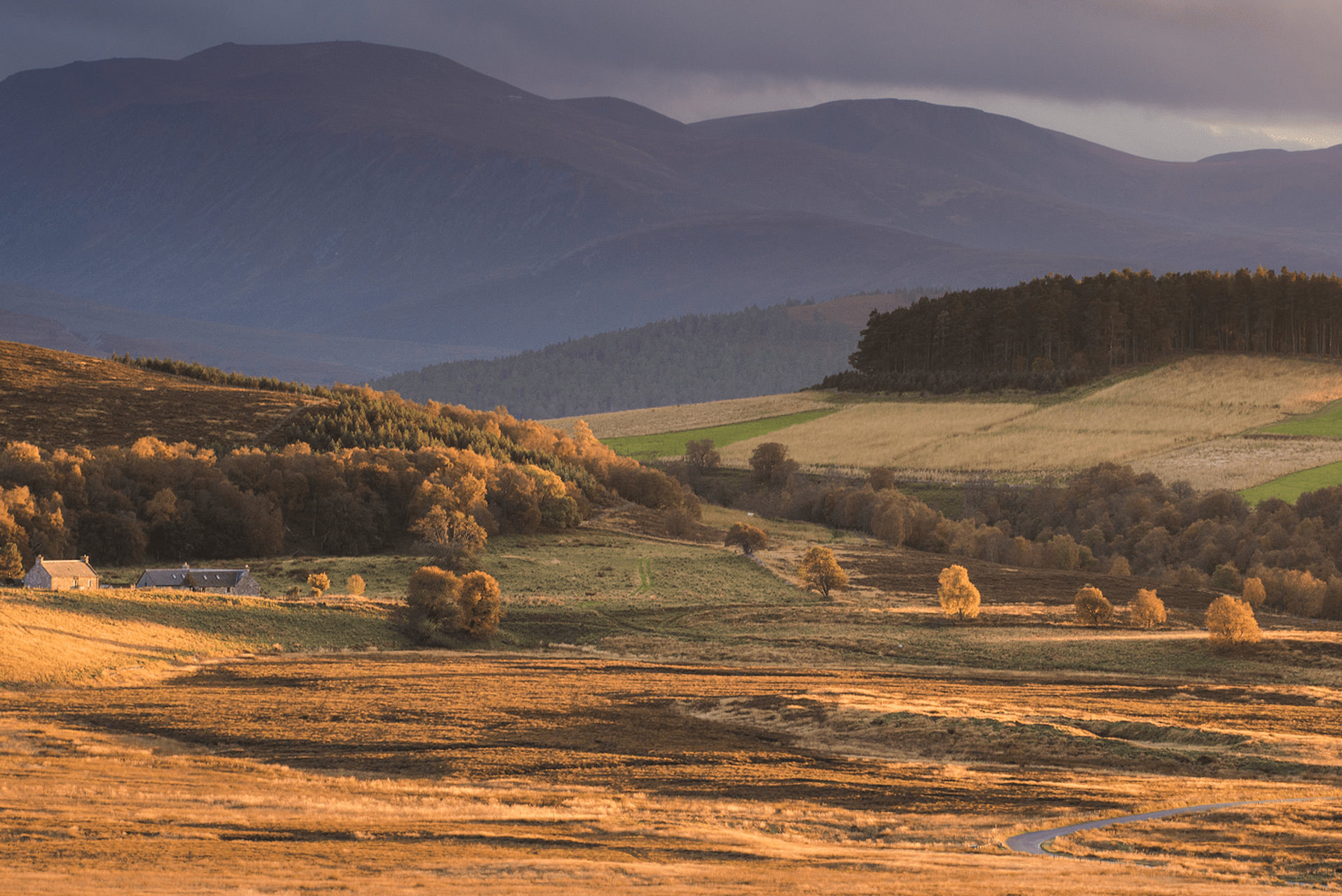
Scotland’s long-distance paths follow old routes through the hills, along loch shores and between coastal villages. Some days give you open ground and a distant pass to aim for. On others, the path brings you into a harbour or an abbey town by the river.
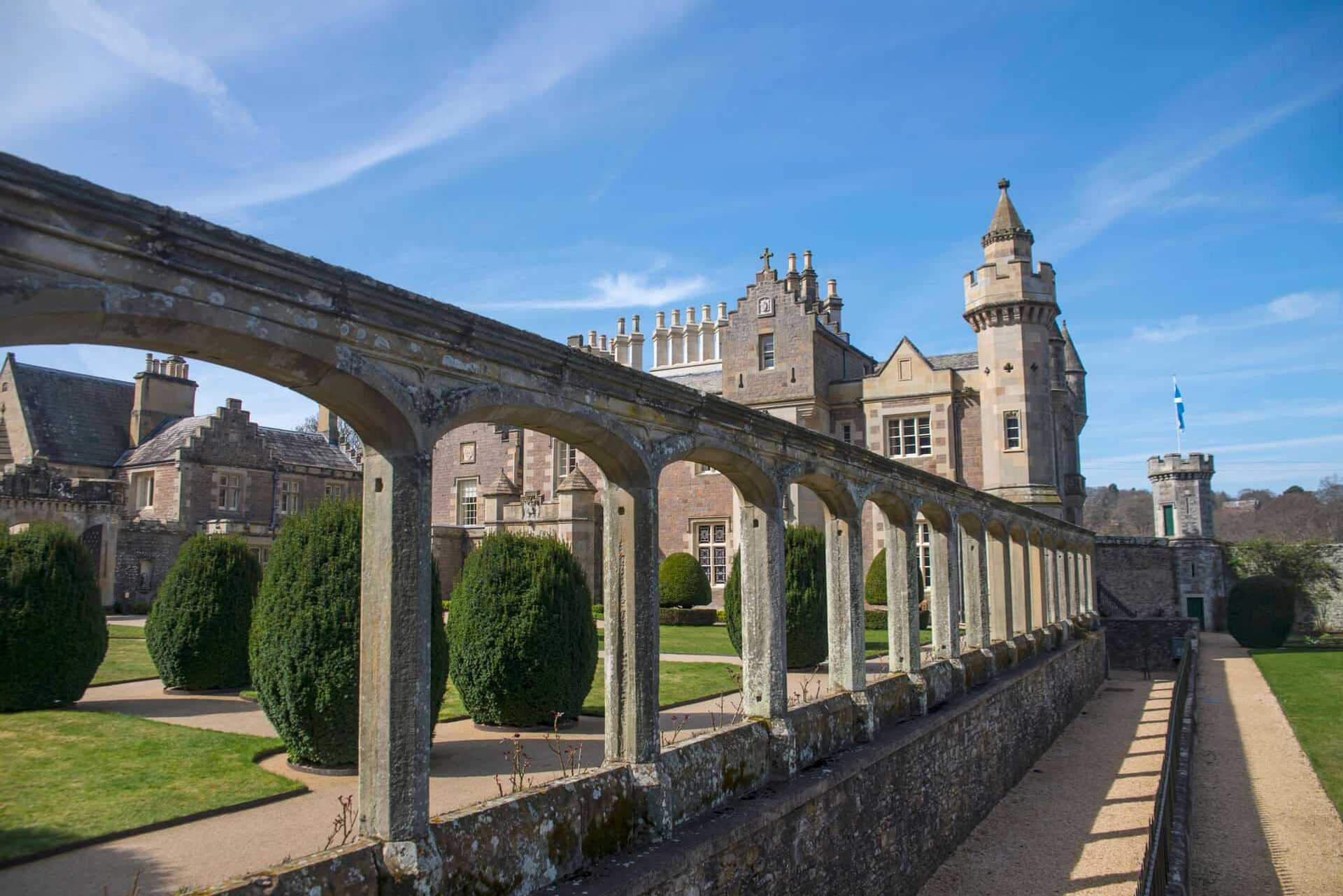
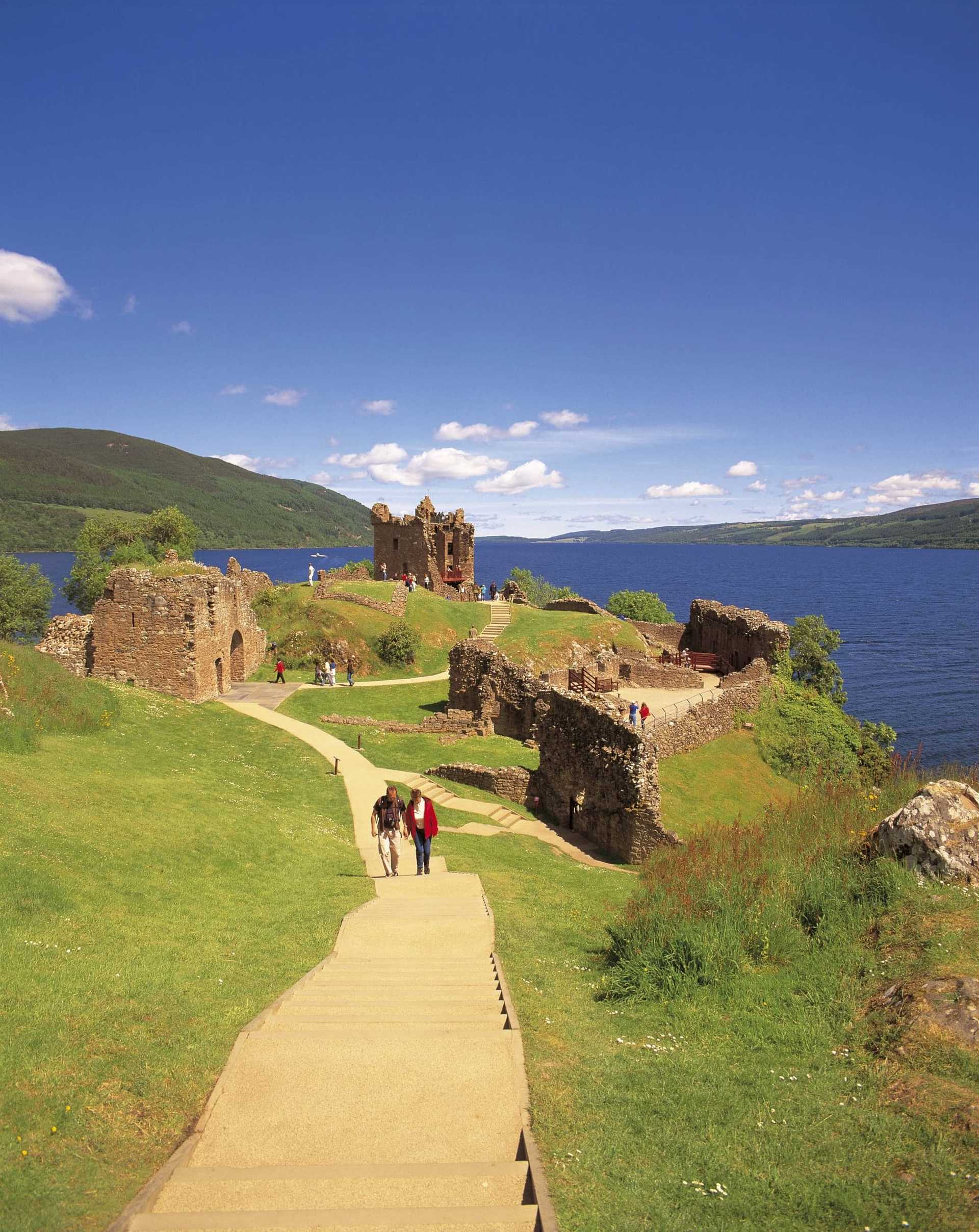
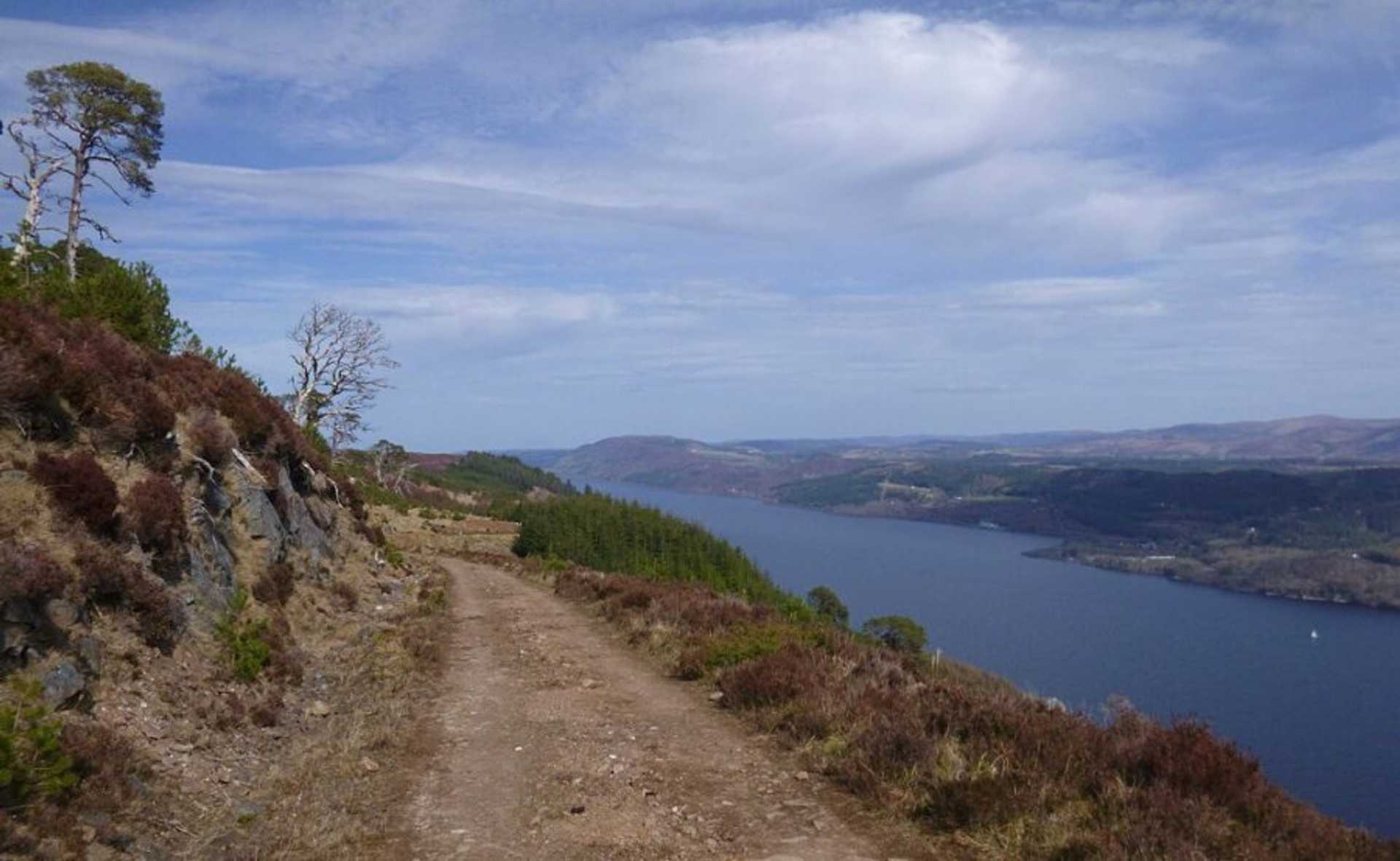
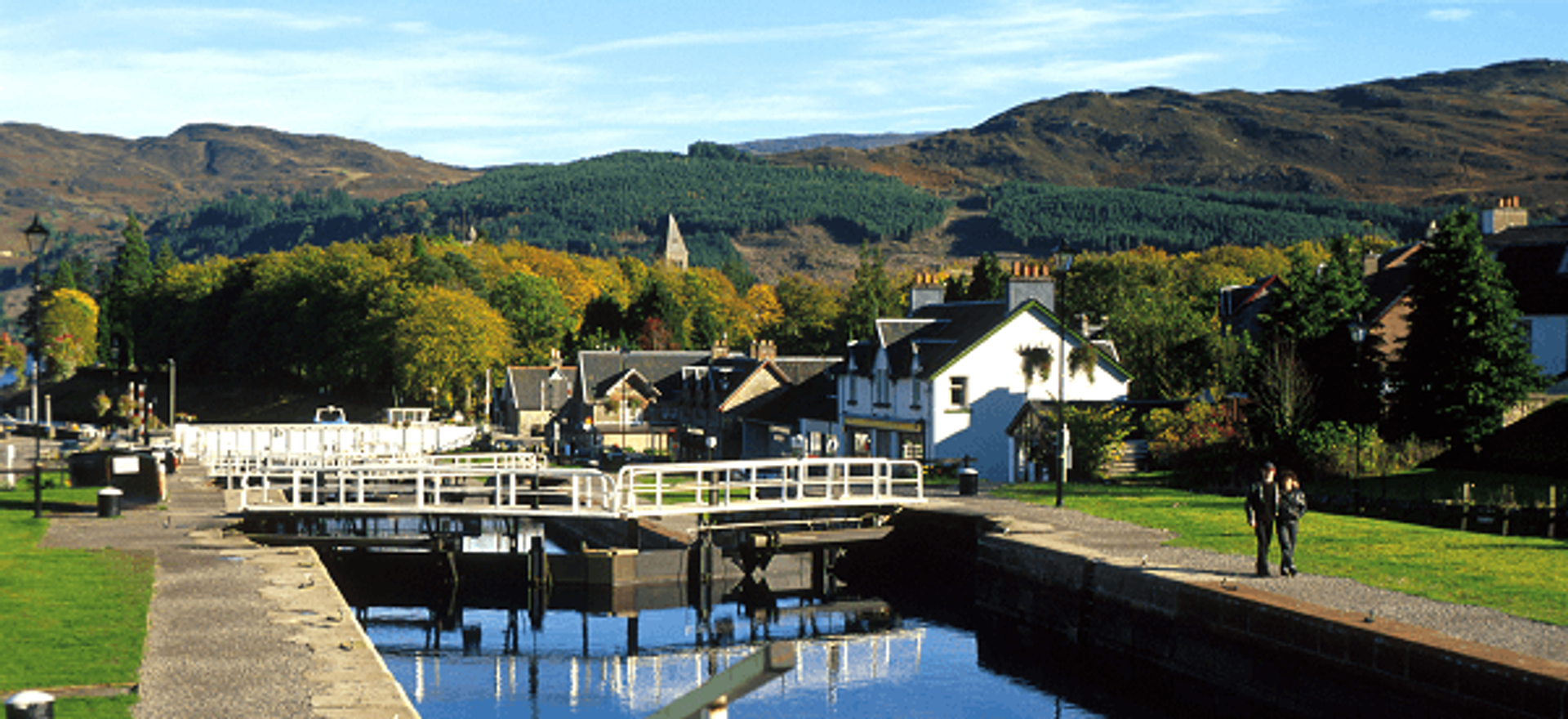
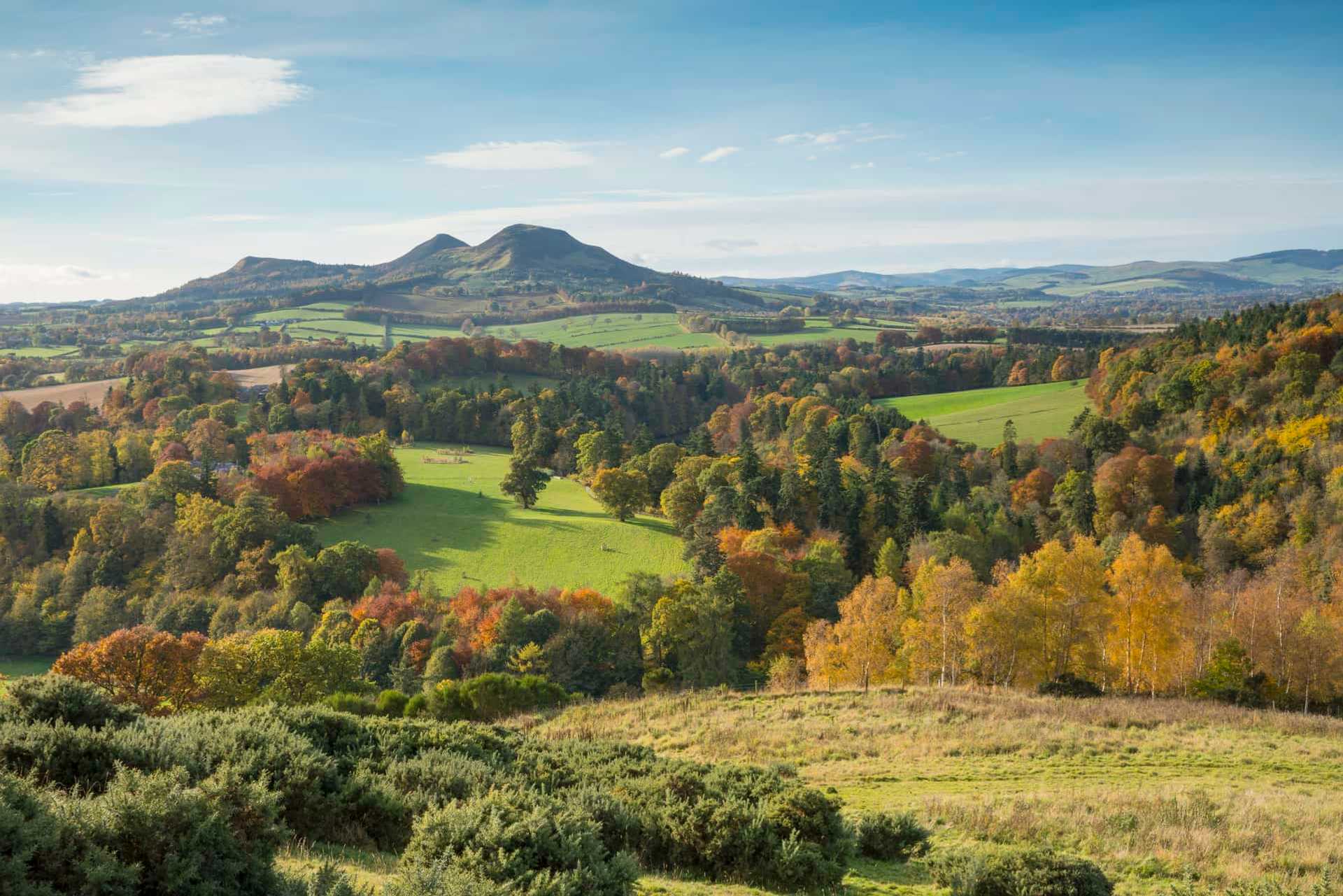
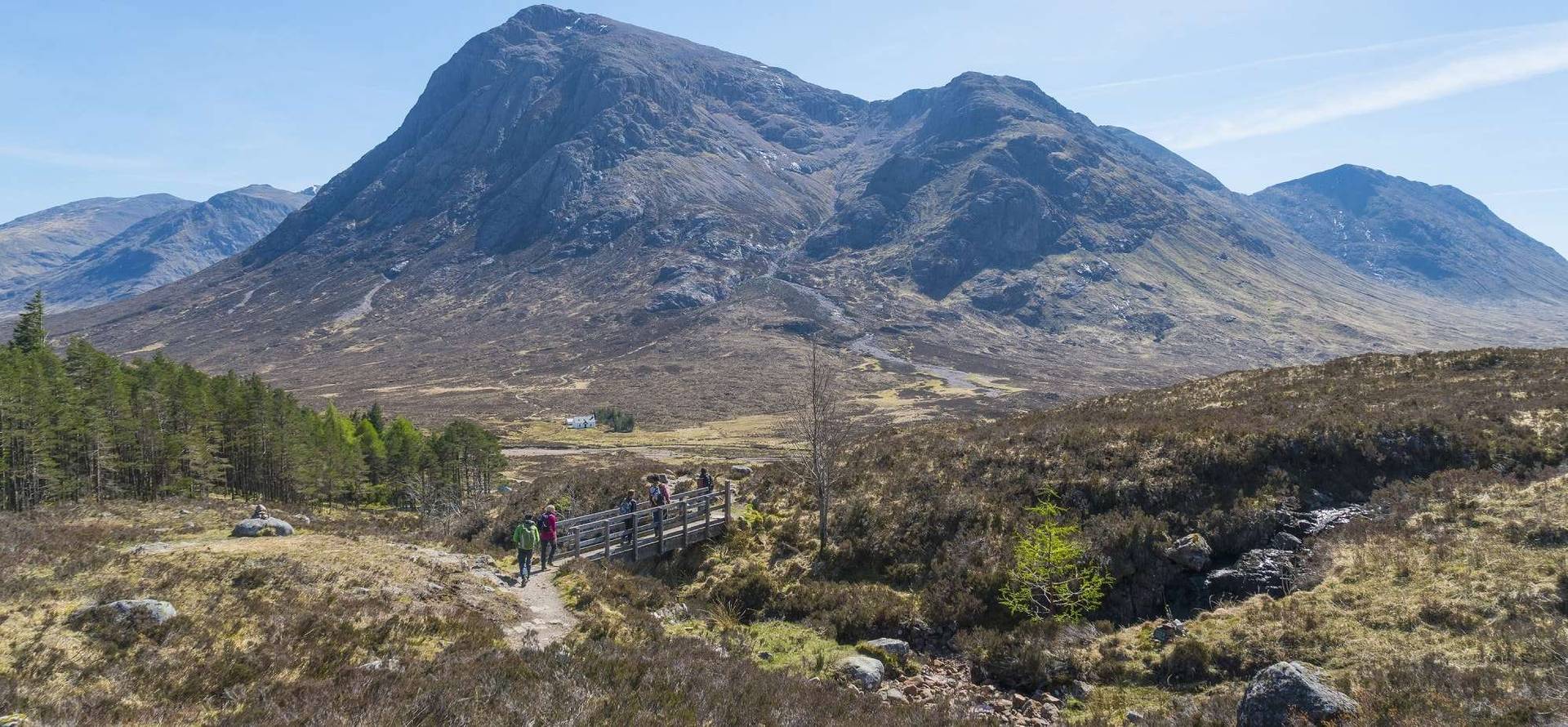
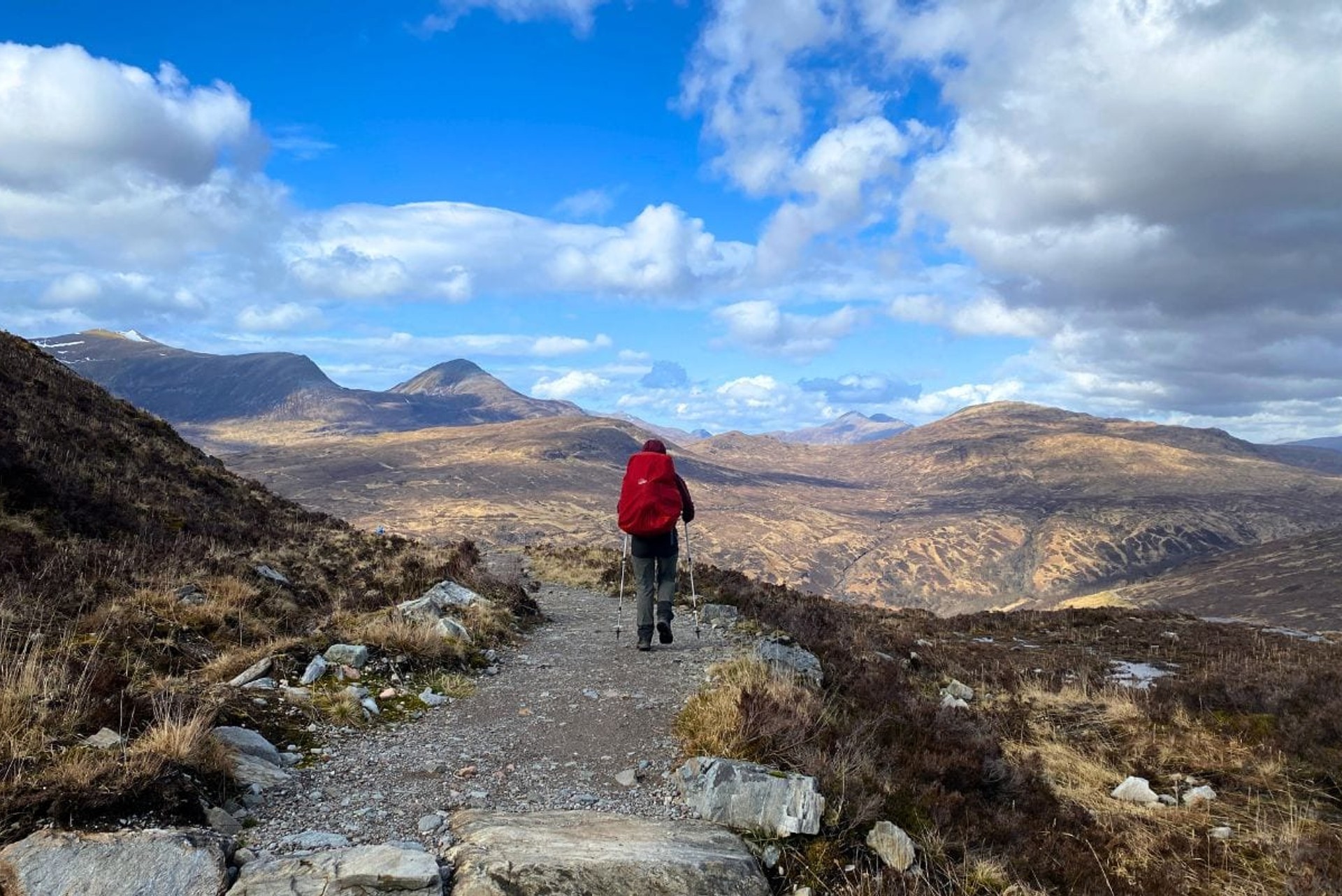
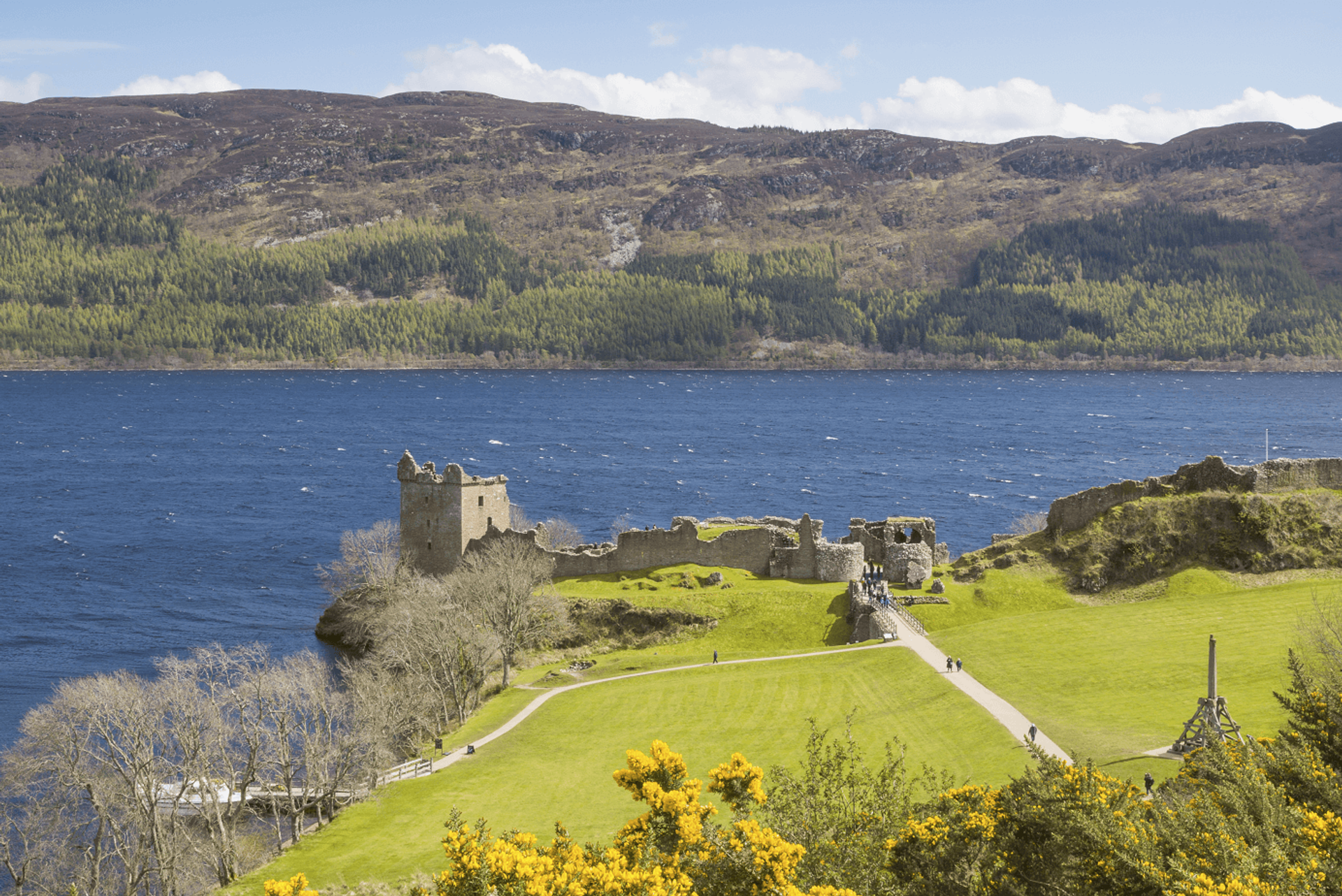
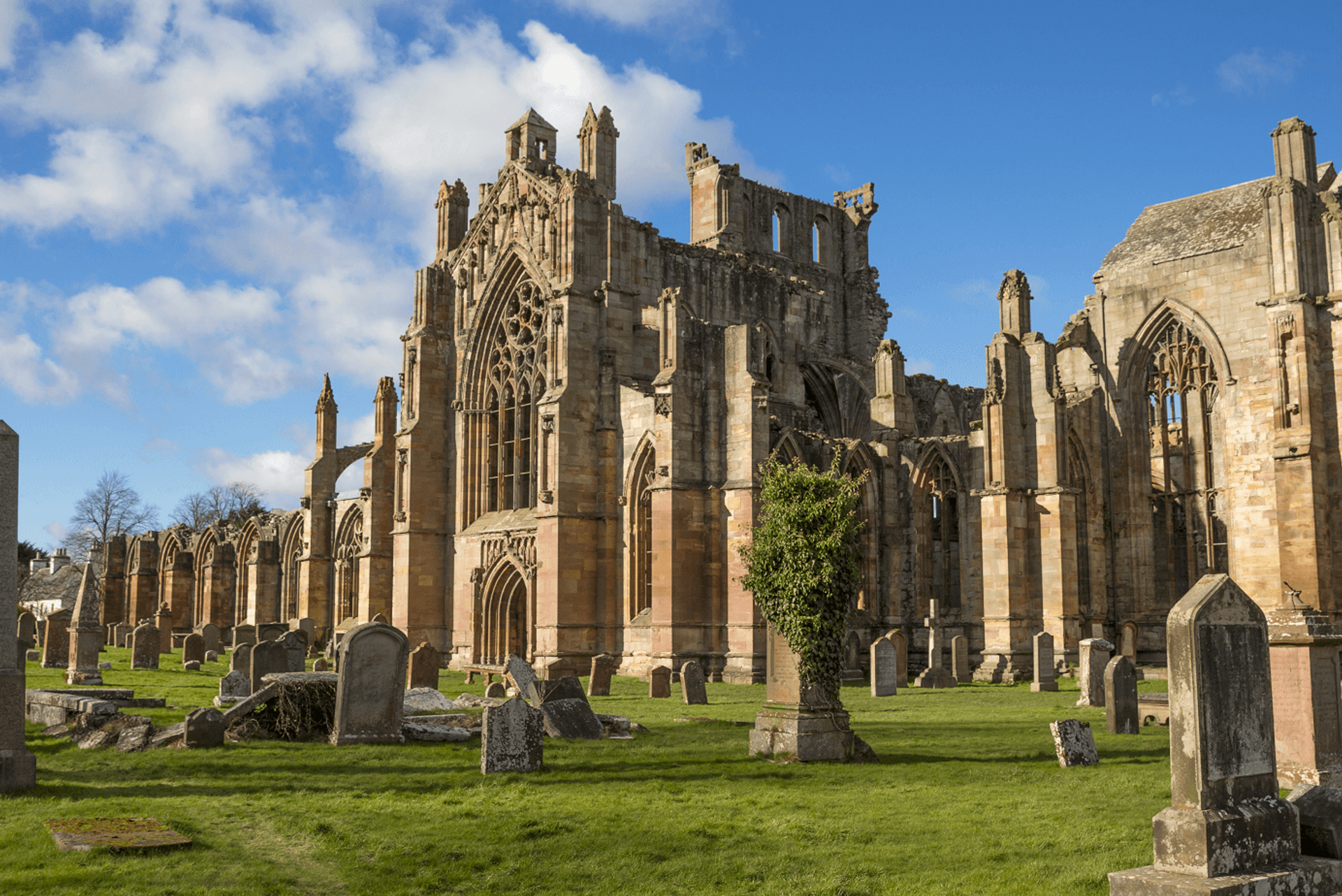
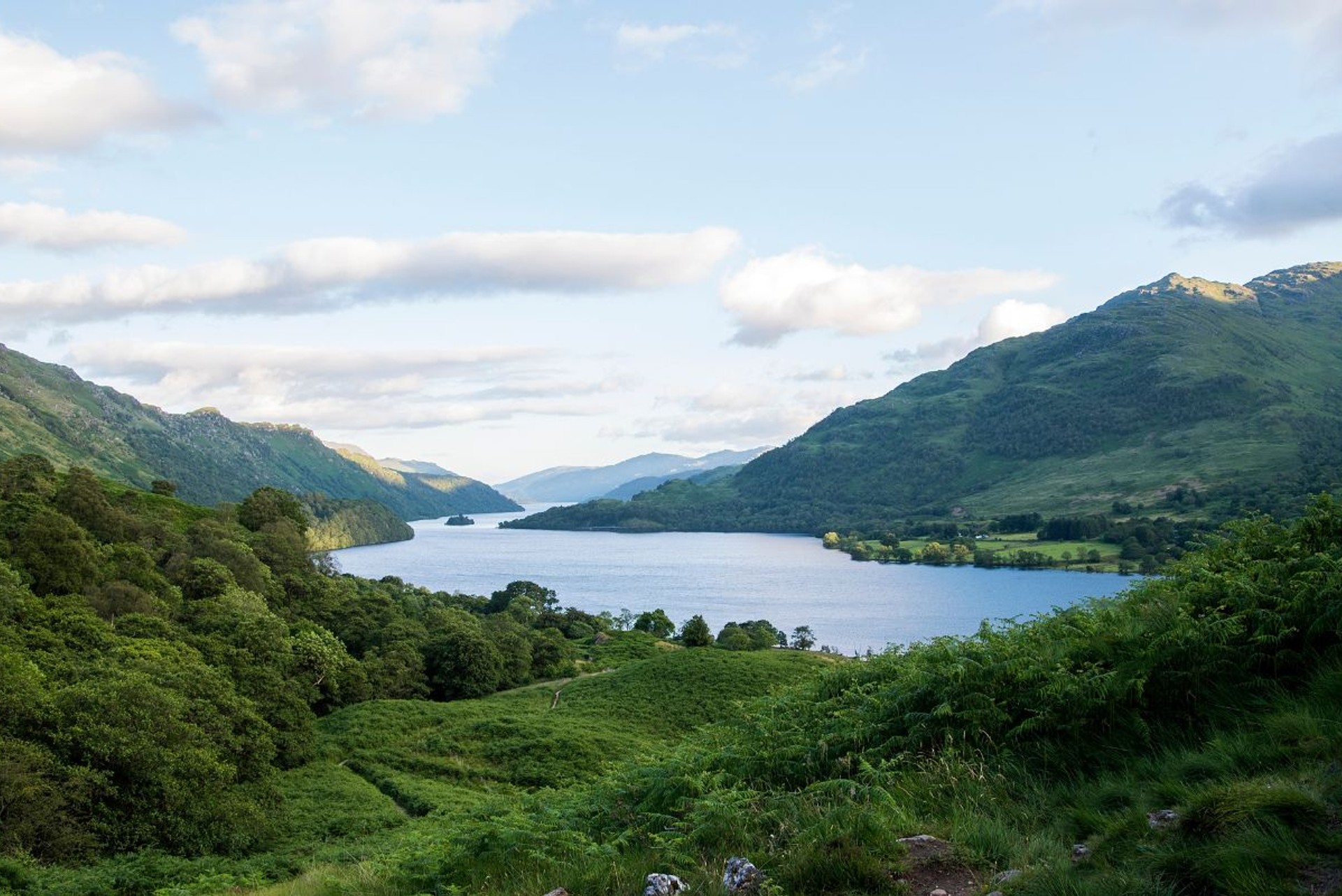
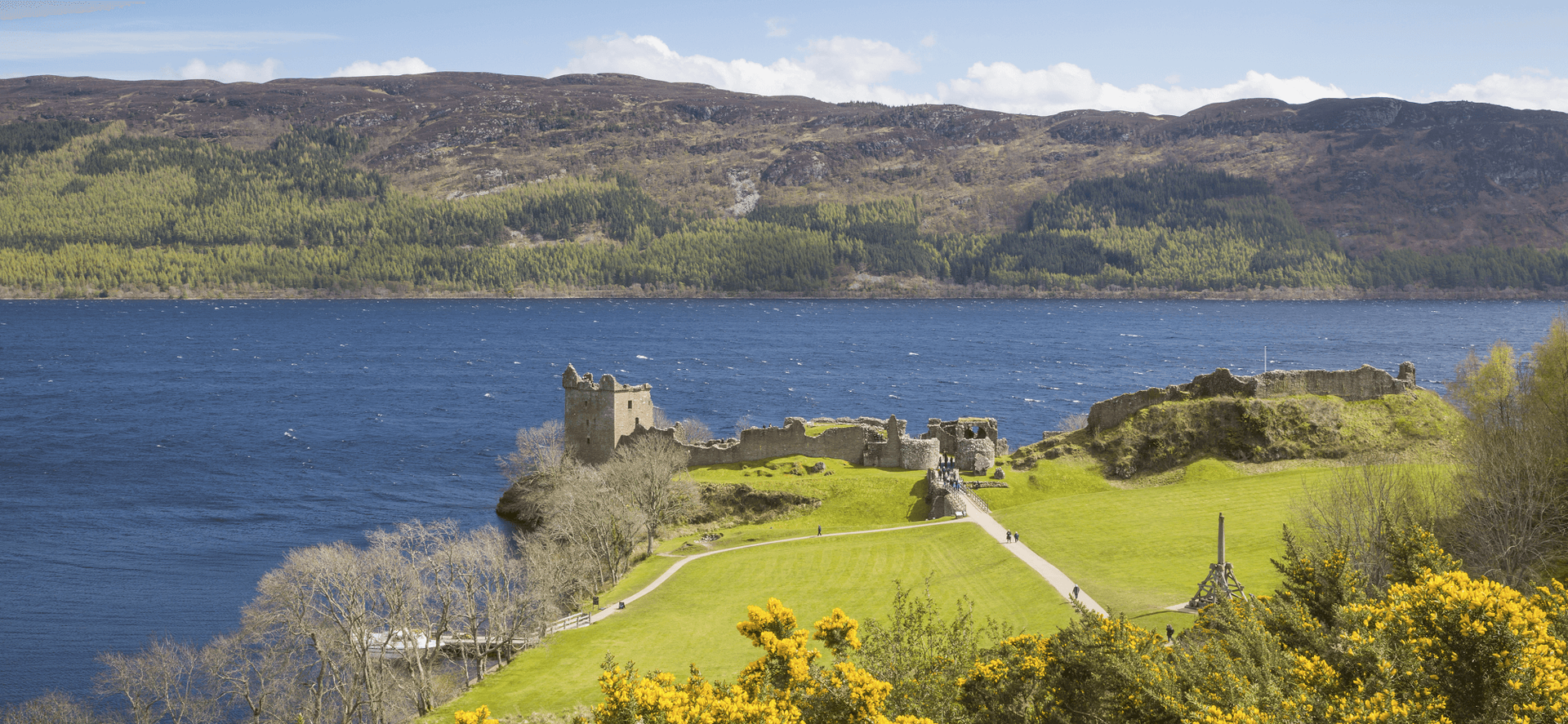
On the West Highland Way, the wooded shores of Loch Lomond give way to the open ground of Rannoch Moor. The Great Glen Way links canal towpaths with higher paths above Loch Ness. Further south, the Borders Abbeys Way follows stretches of the Tweed and Teviot between abbey towns.
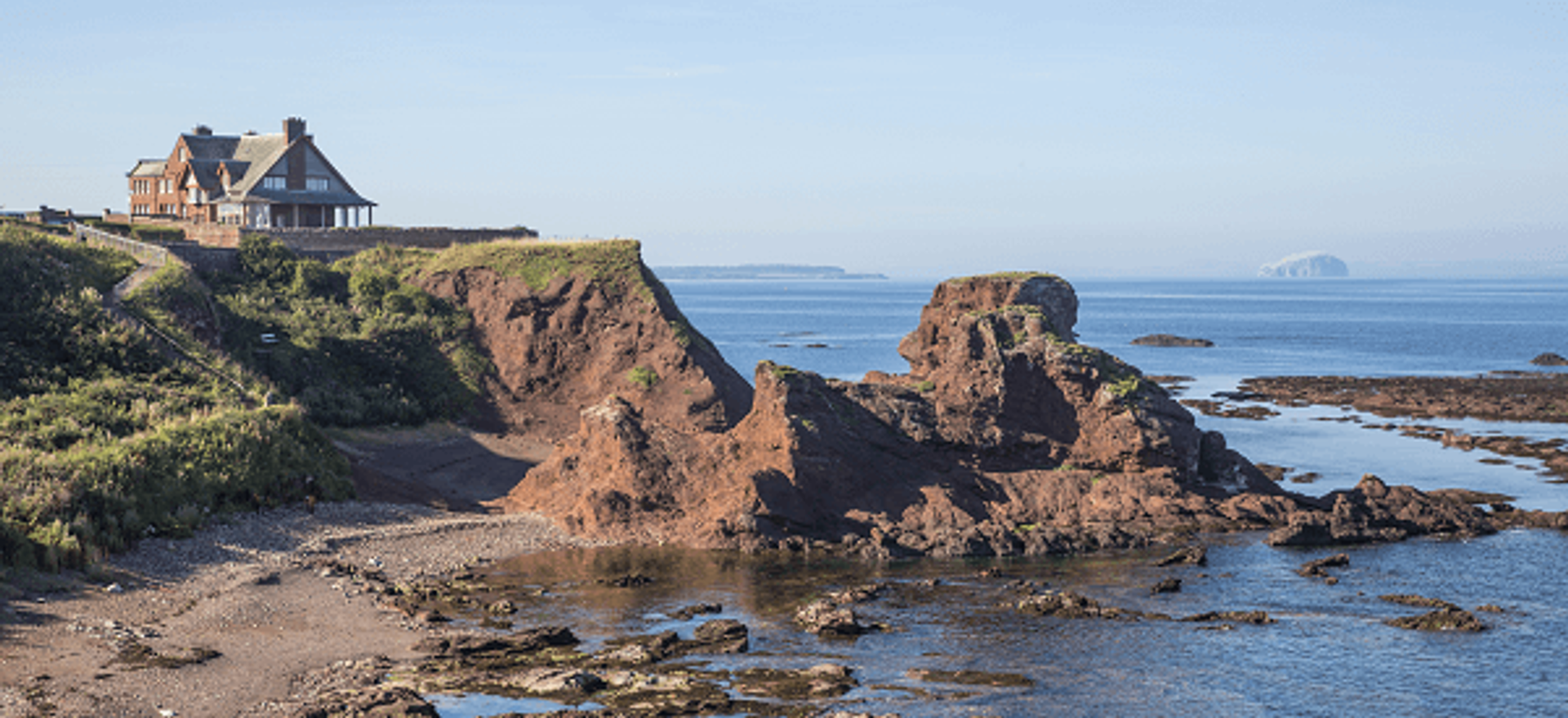
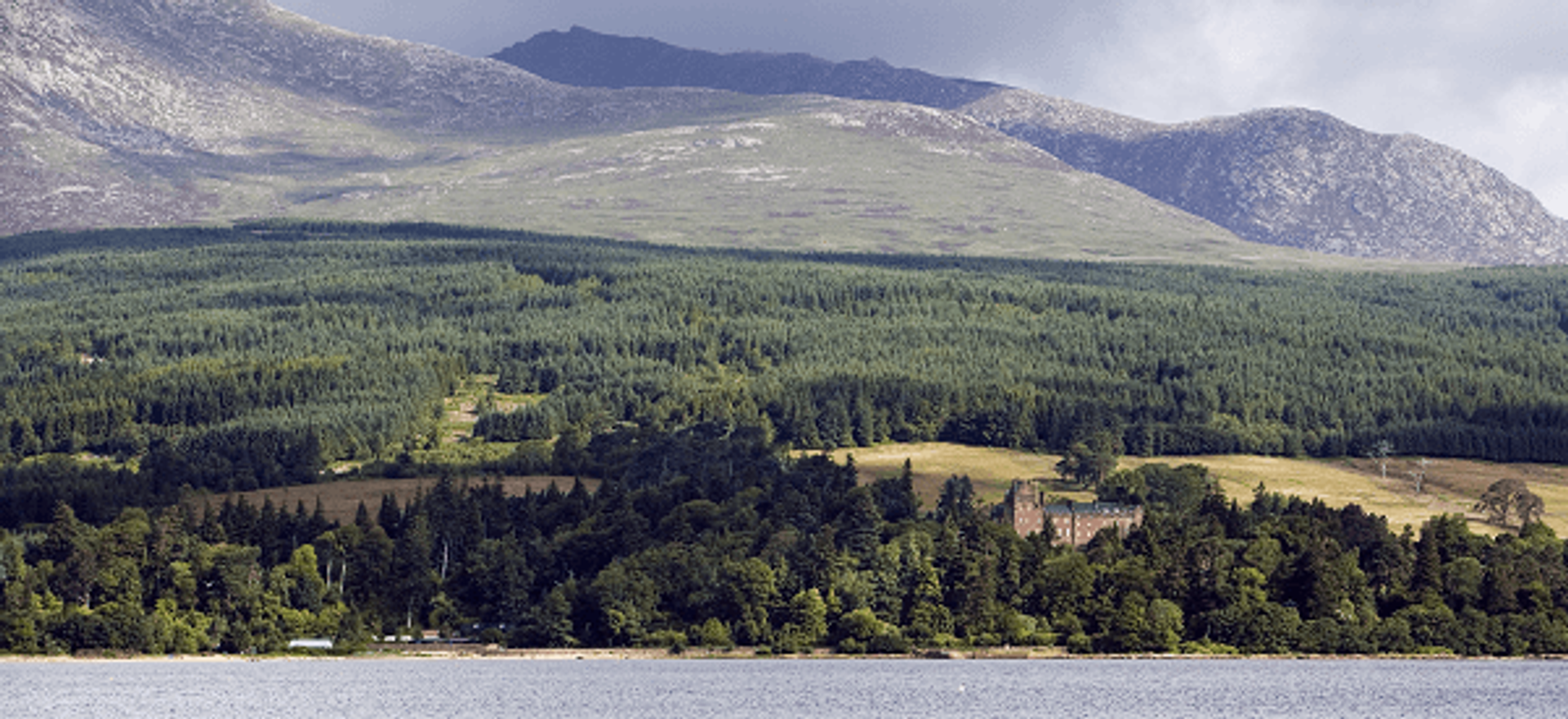
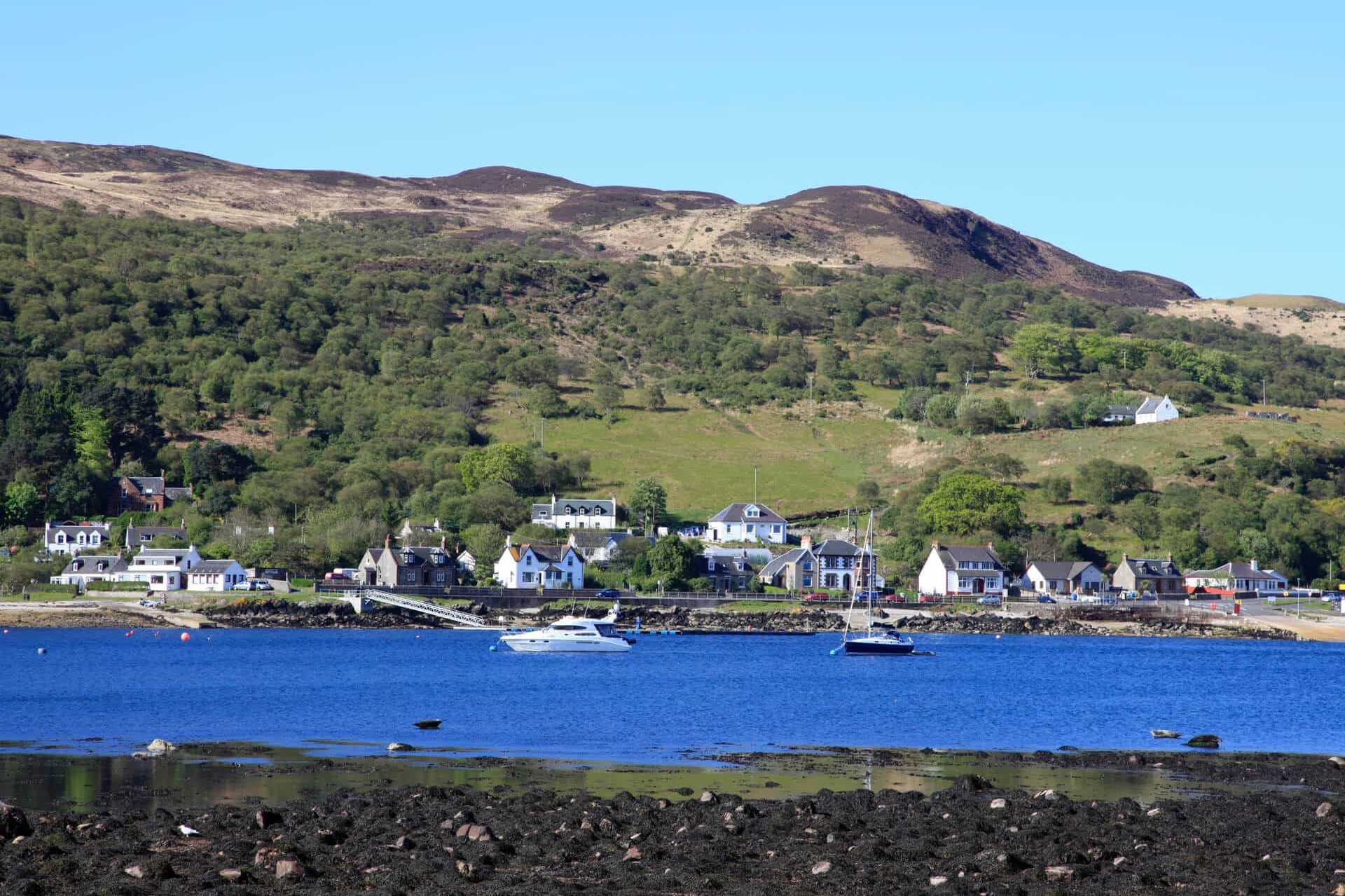
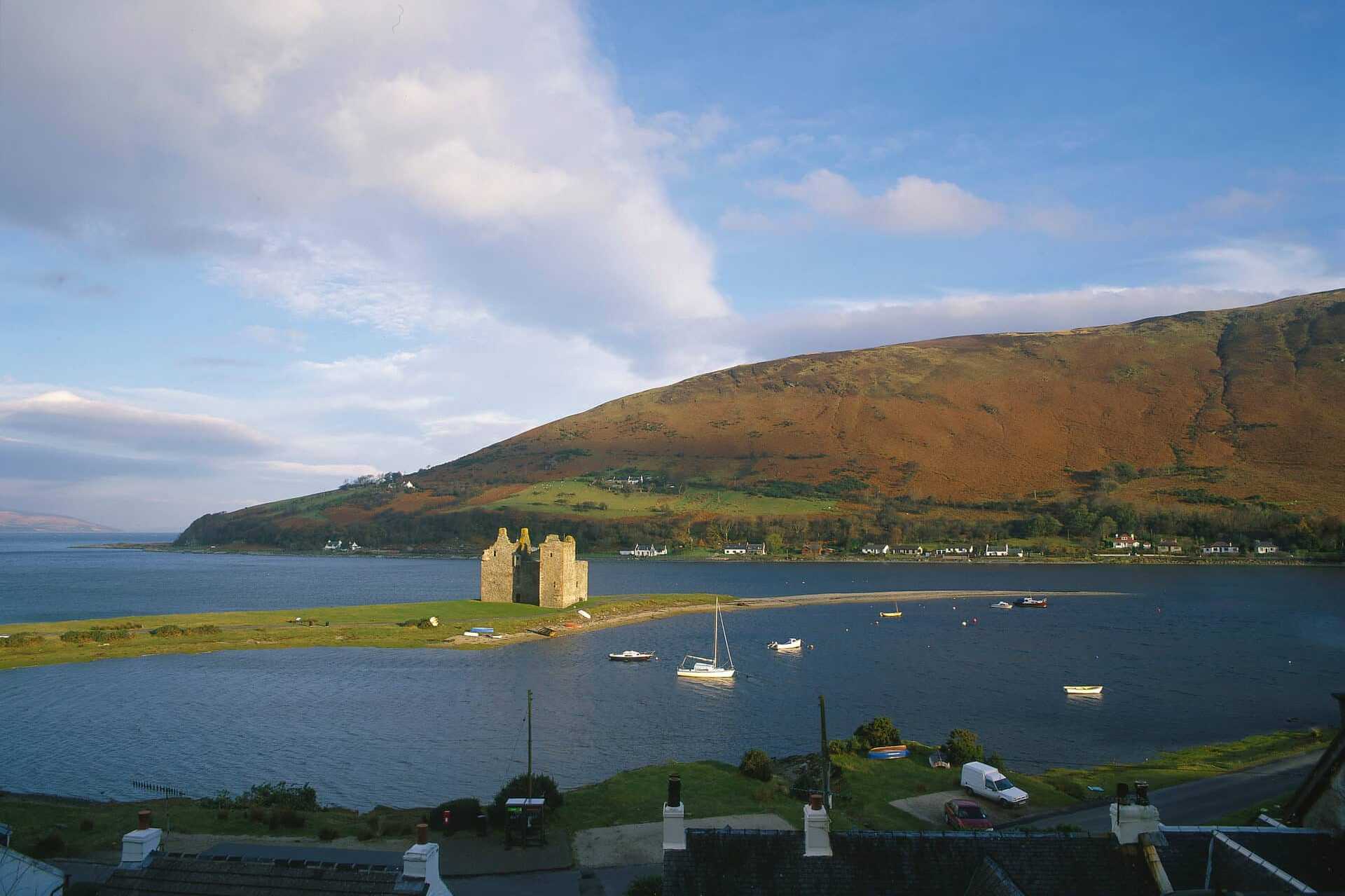
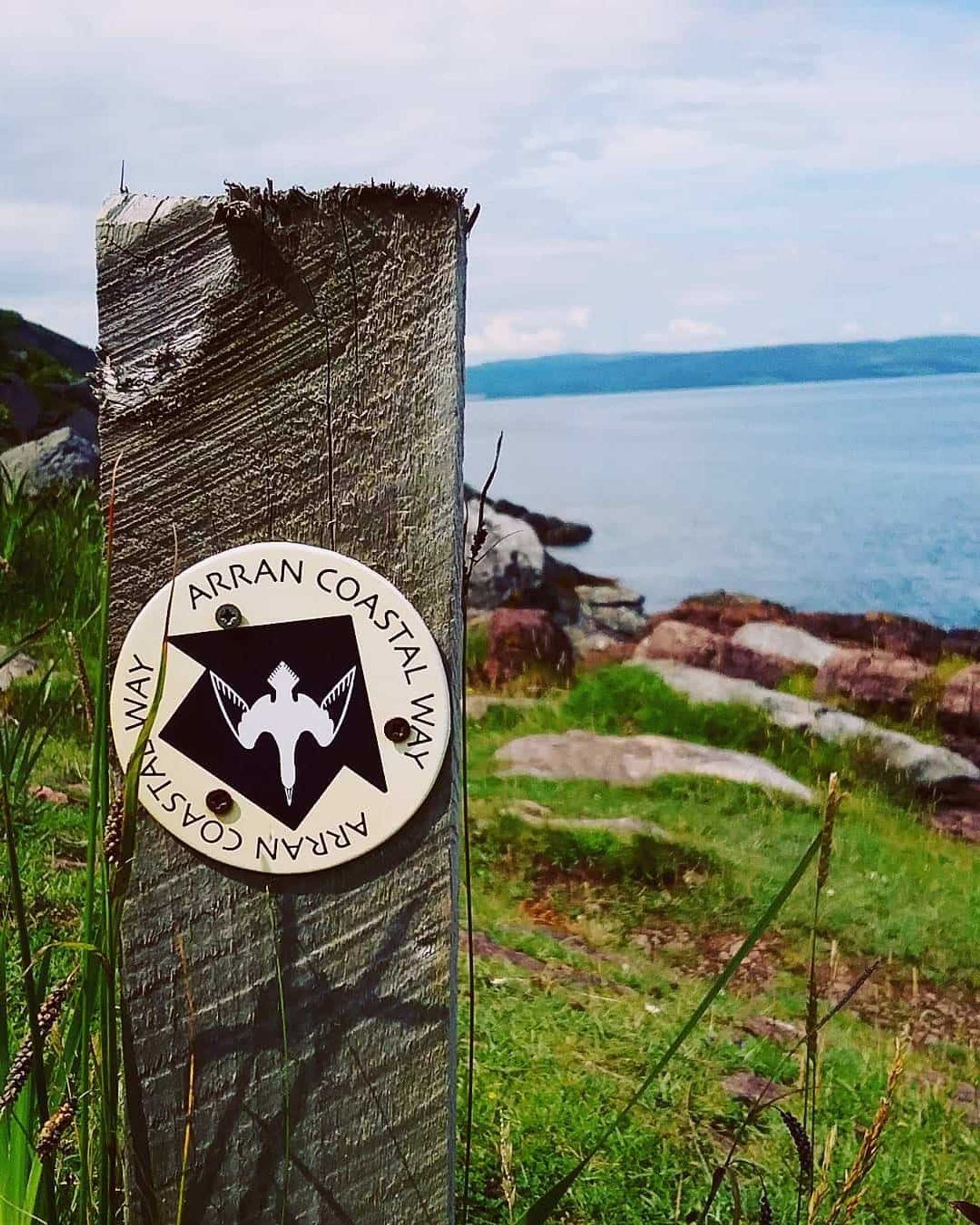
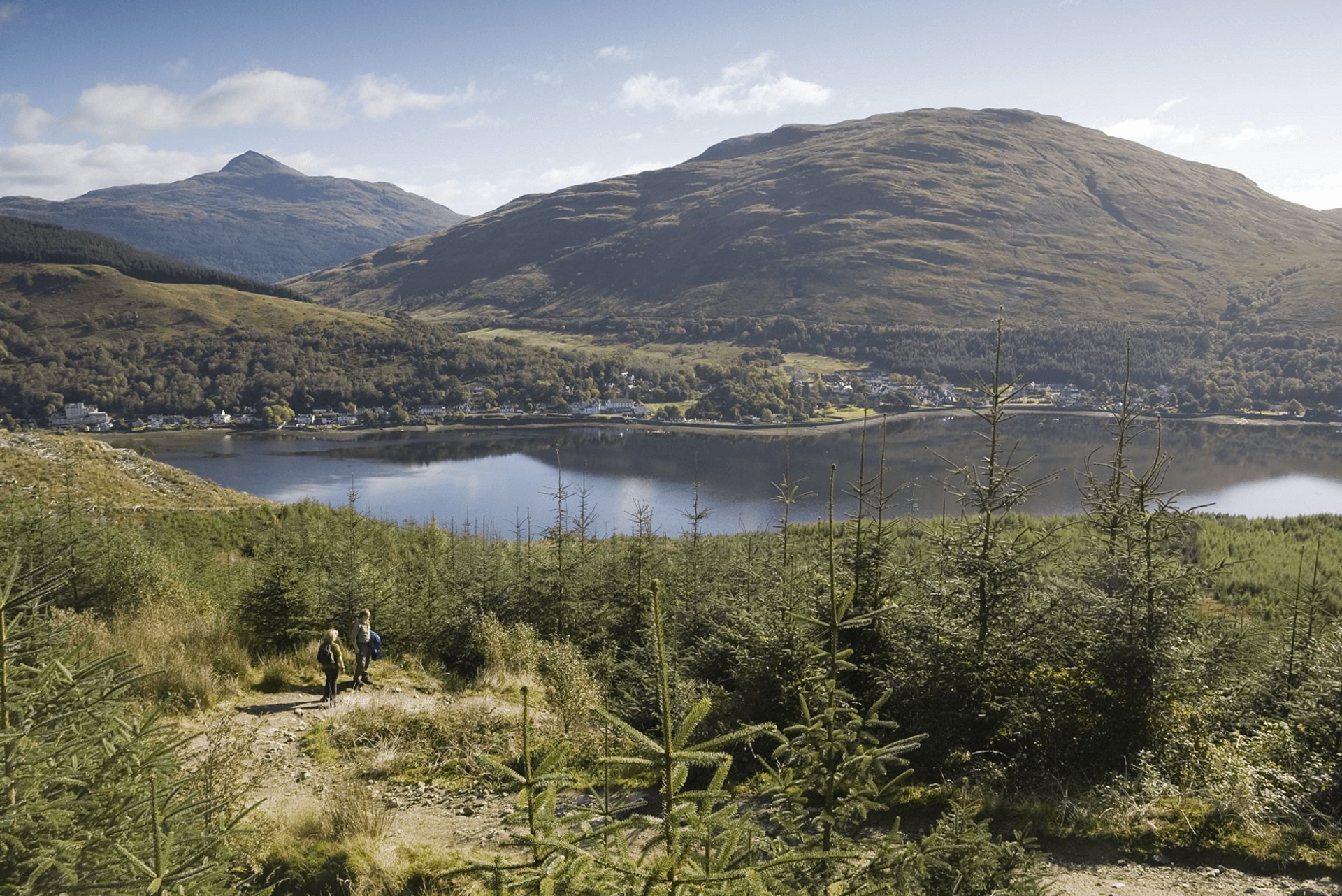
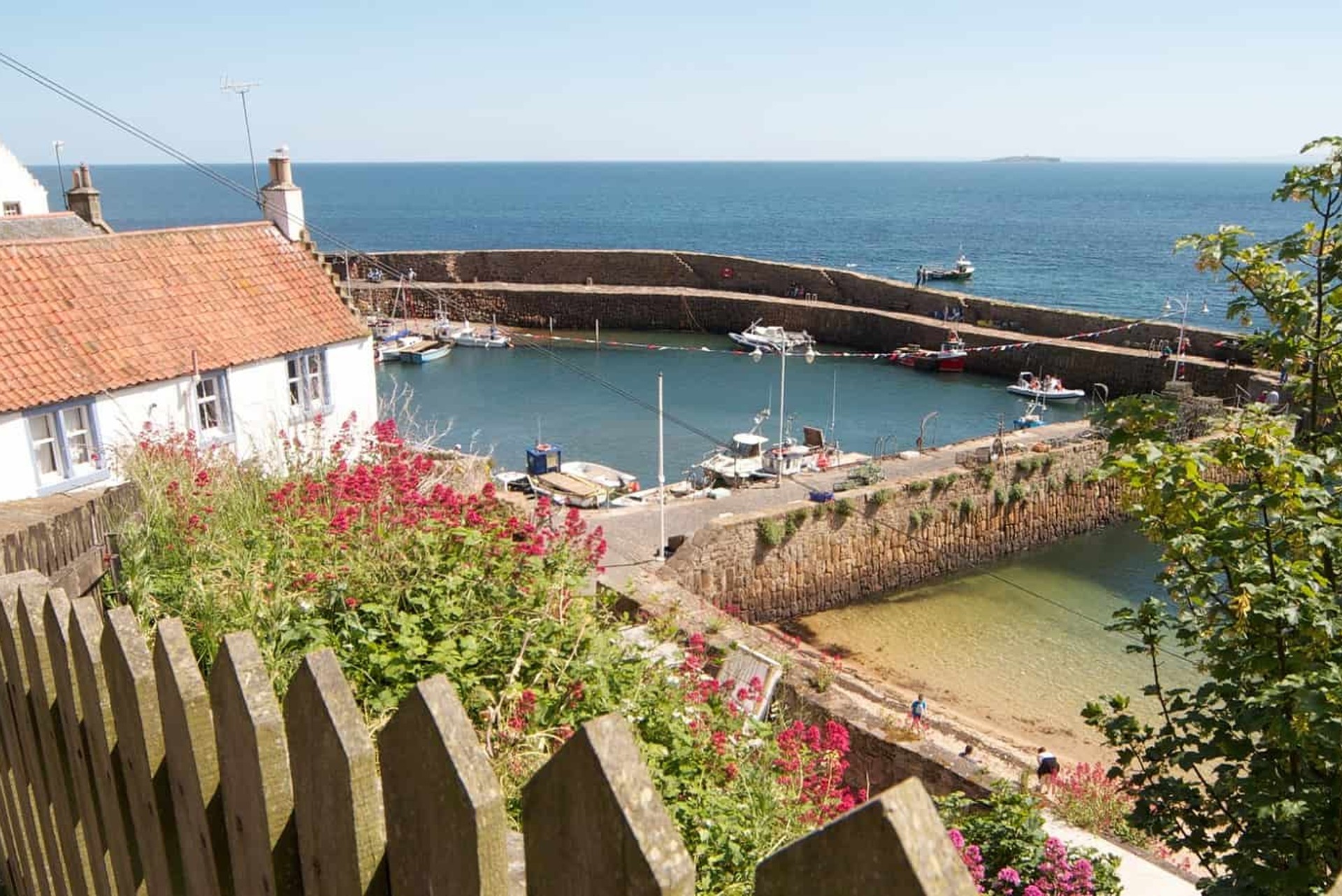
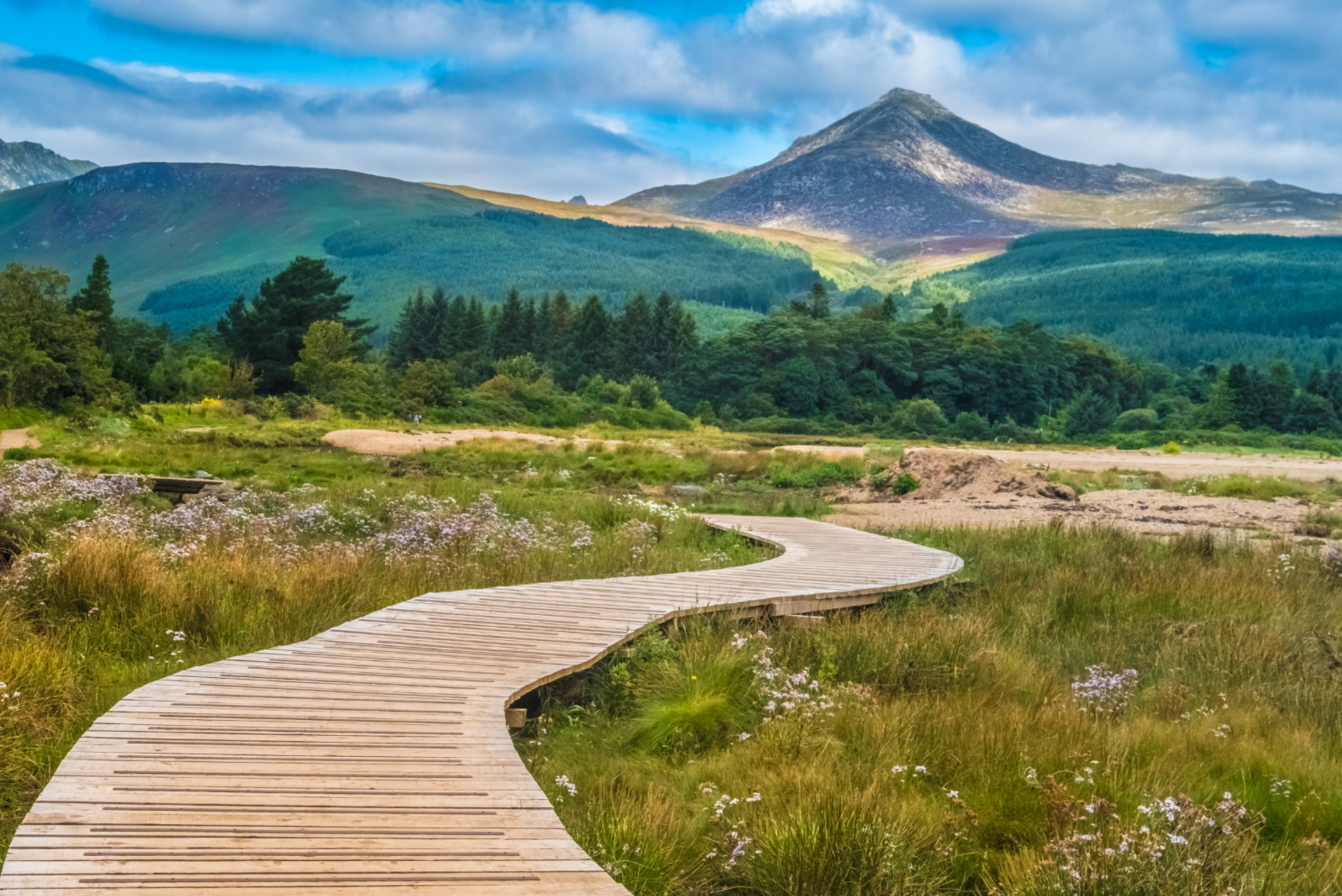
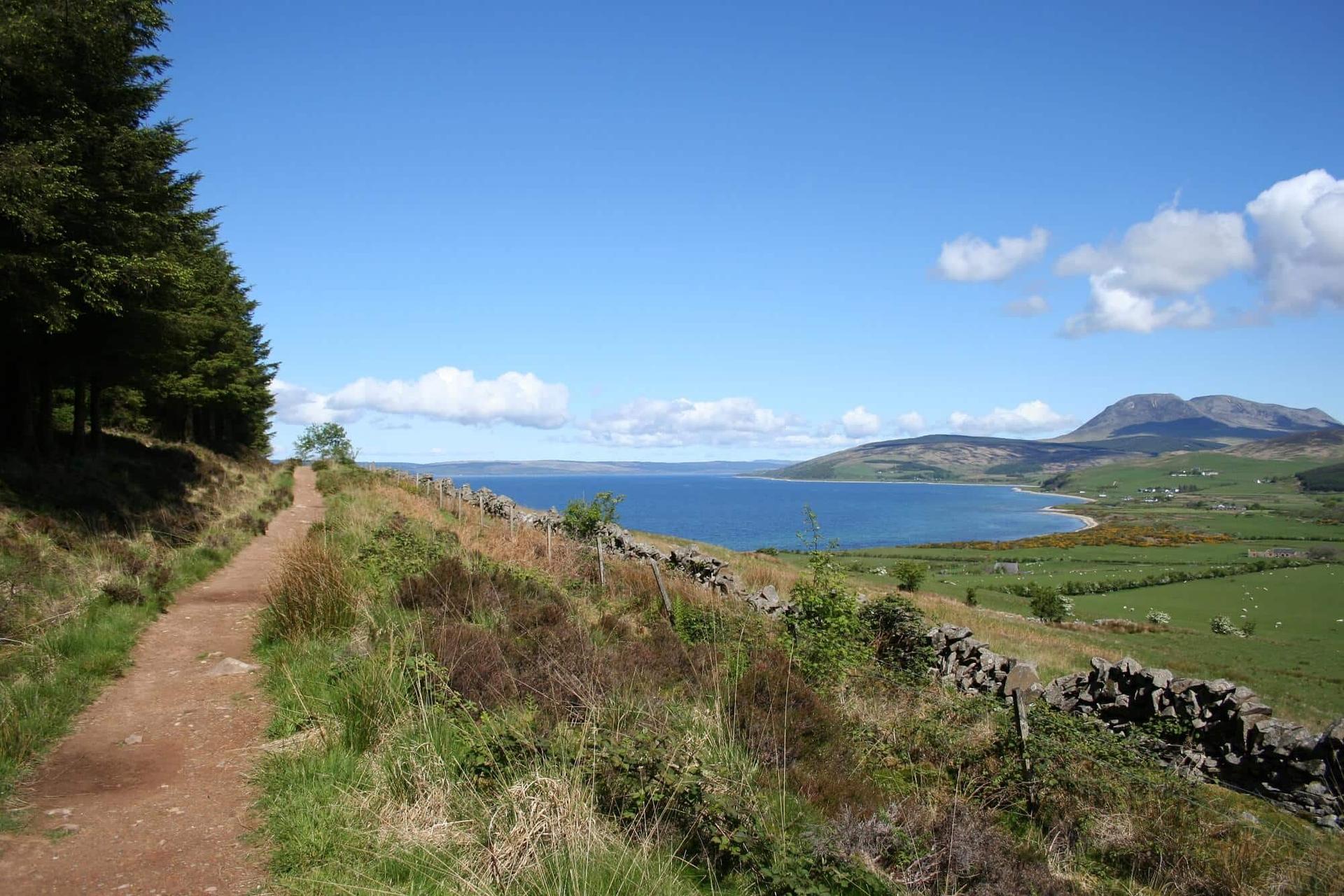
The Fife Coastal Path leads from harbour to harbour in the East Neuk, with beaches and rocky stretches between the fishing villages. For an island walk, the Arran Coastal Way circles Arran from Brodick, passing Lochranza Castle and sheltered bays before reaching rougher stretches of shore.
Which walk in Scotland is right for you?
A mile beside the Caledonian Canal feels different from a rocky mile on the shore of Loch Lomond. Think about the ground you enjoy as well as how far you like to walk each day.
Highland passes and open moorland
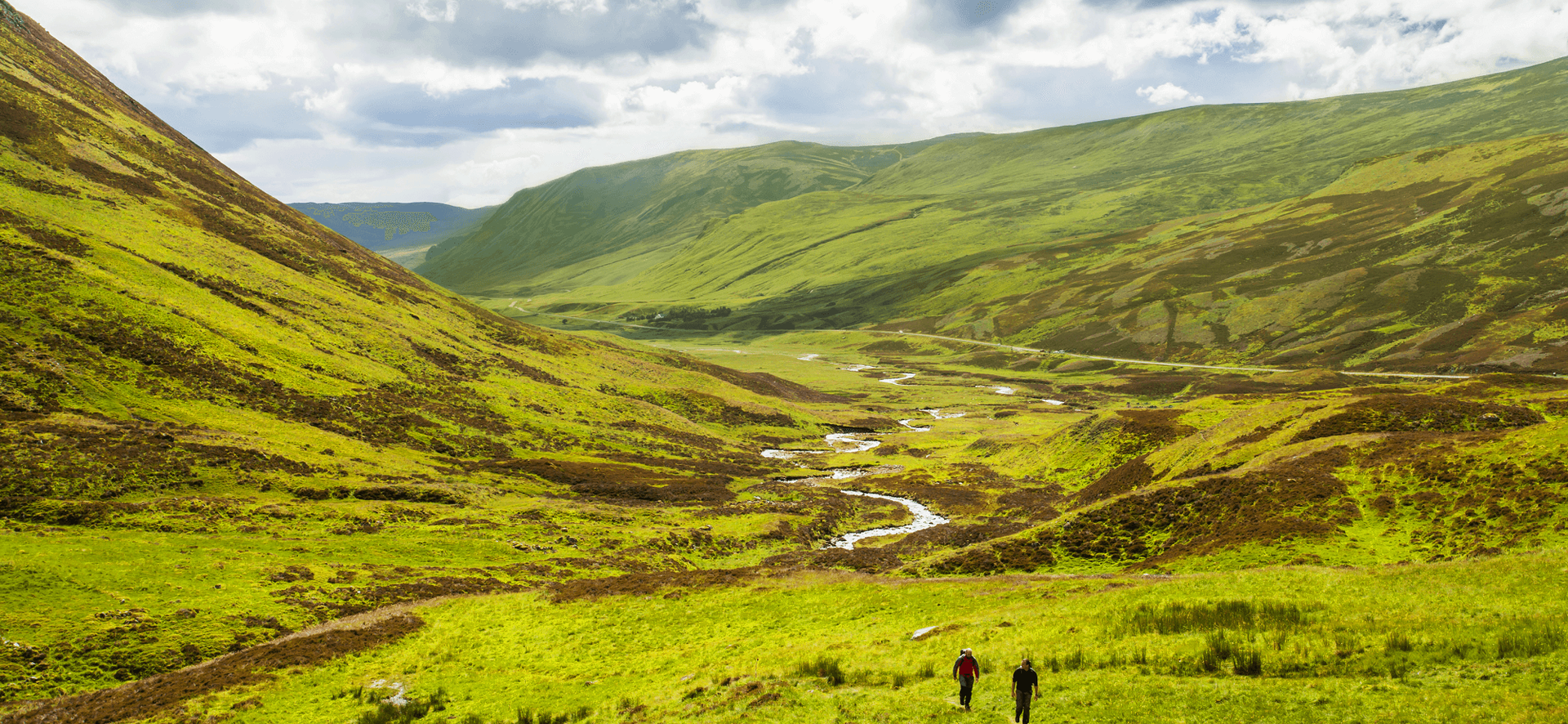
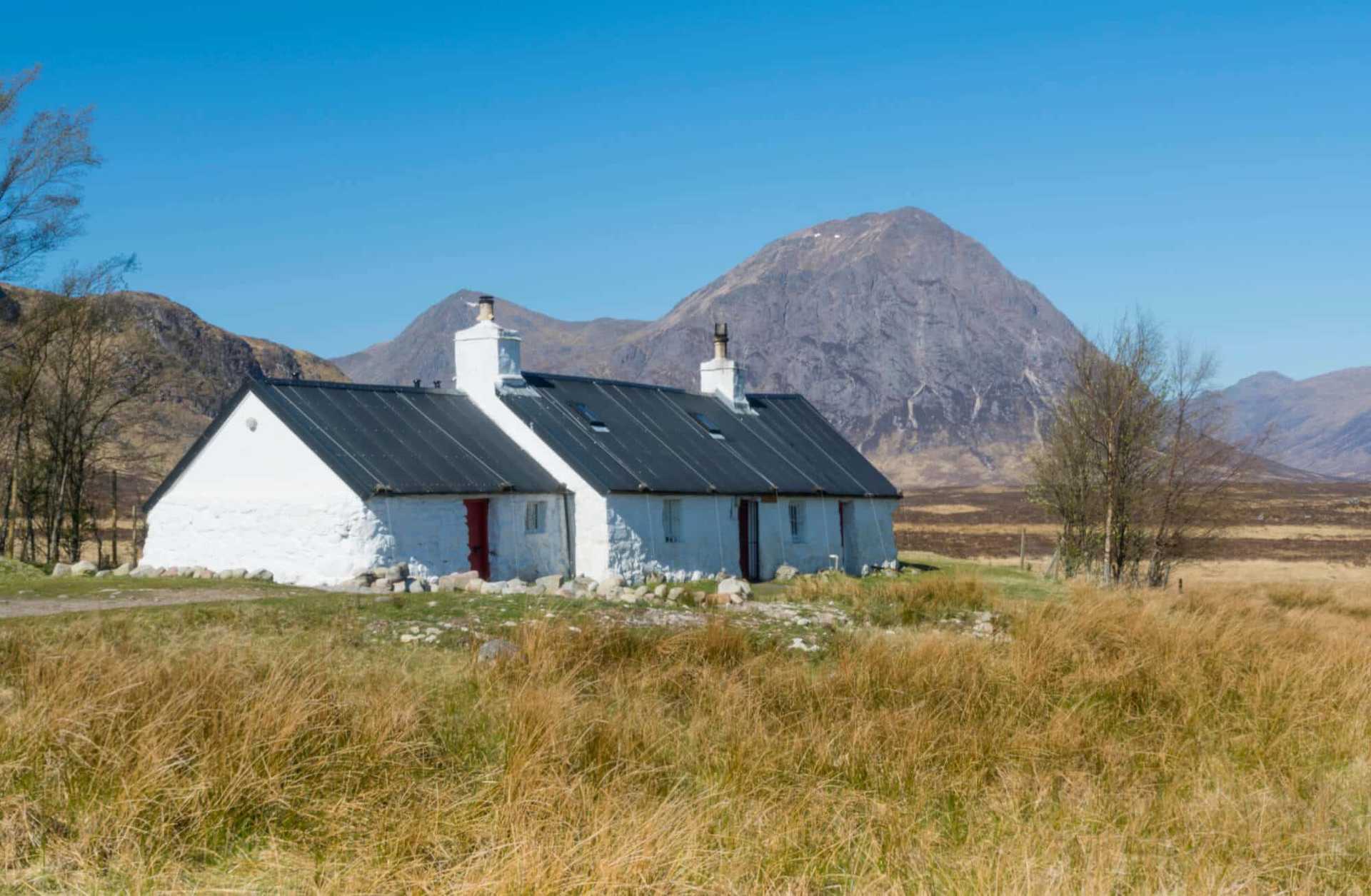
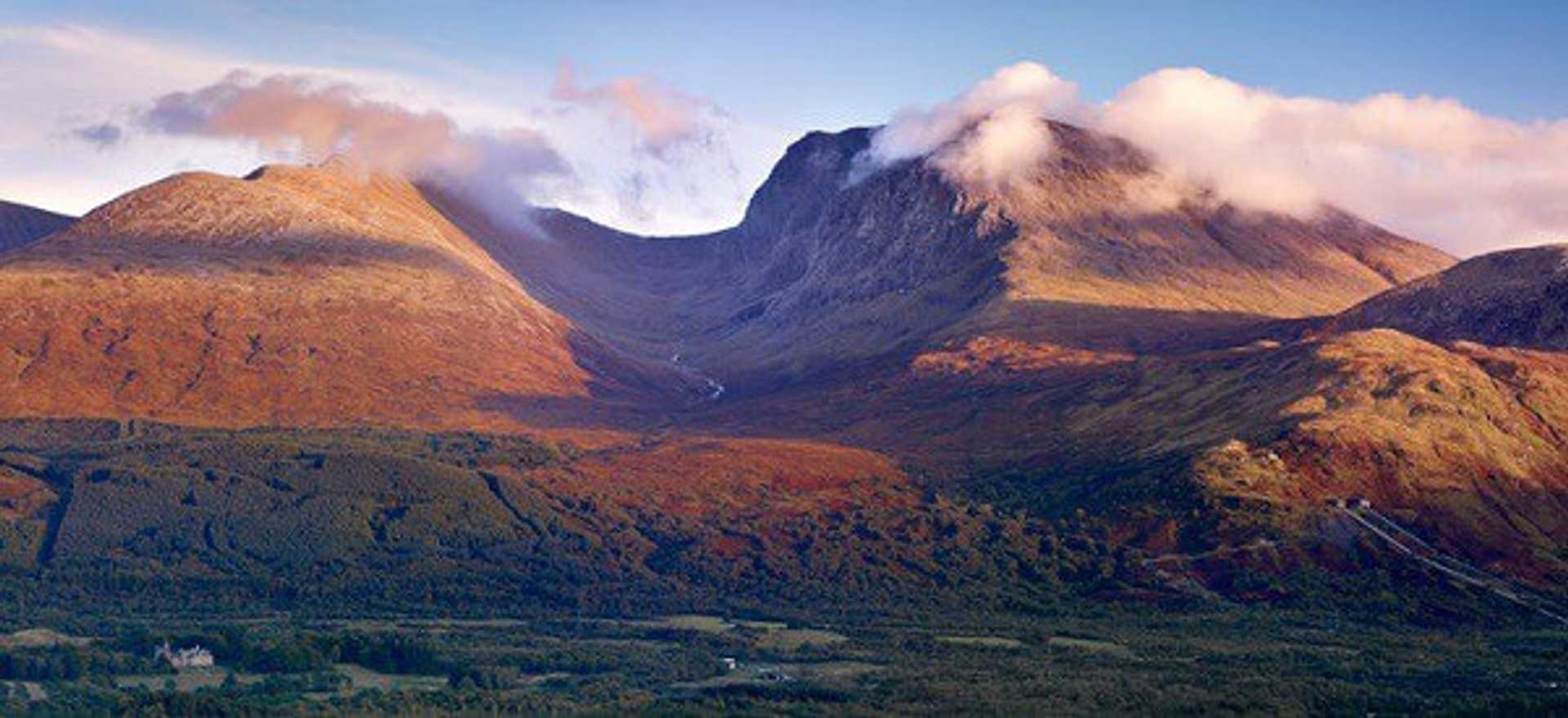
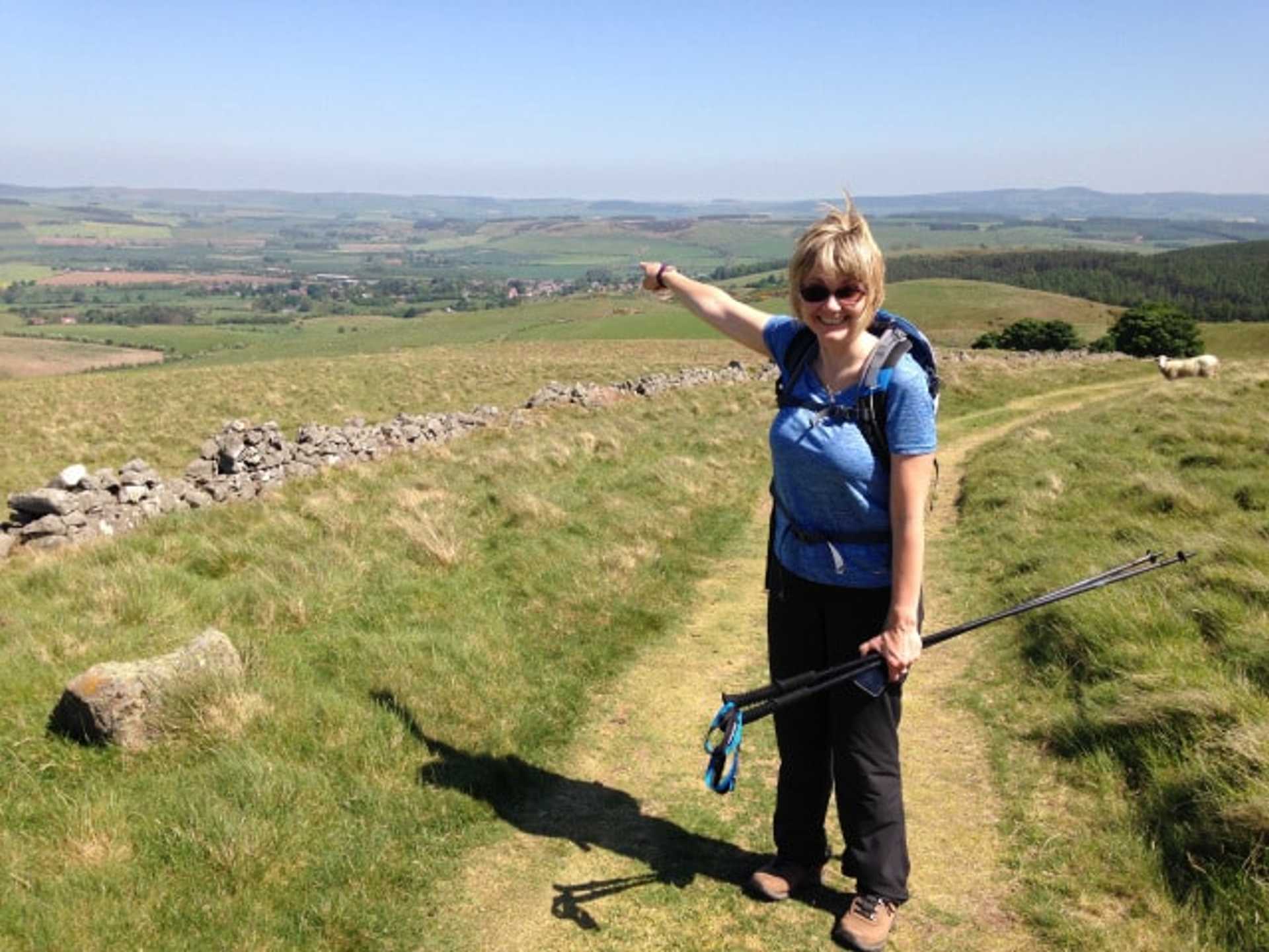
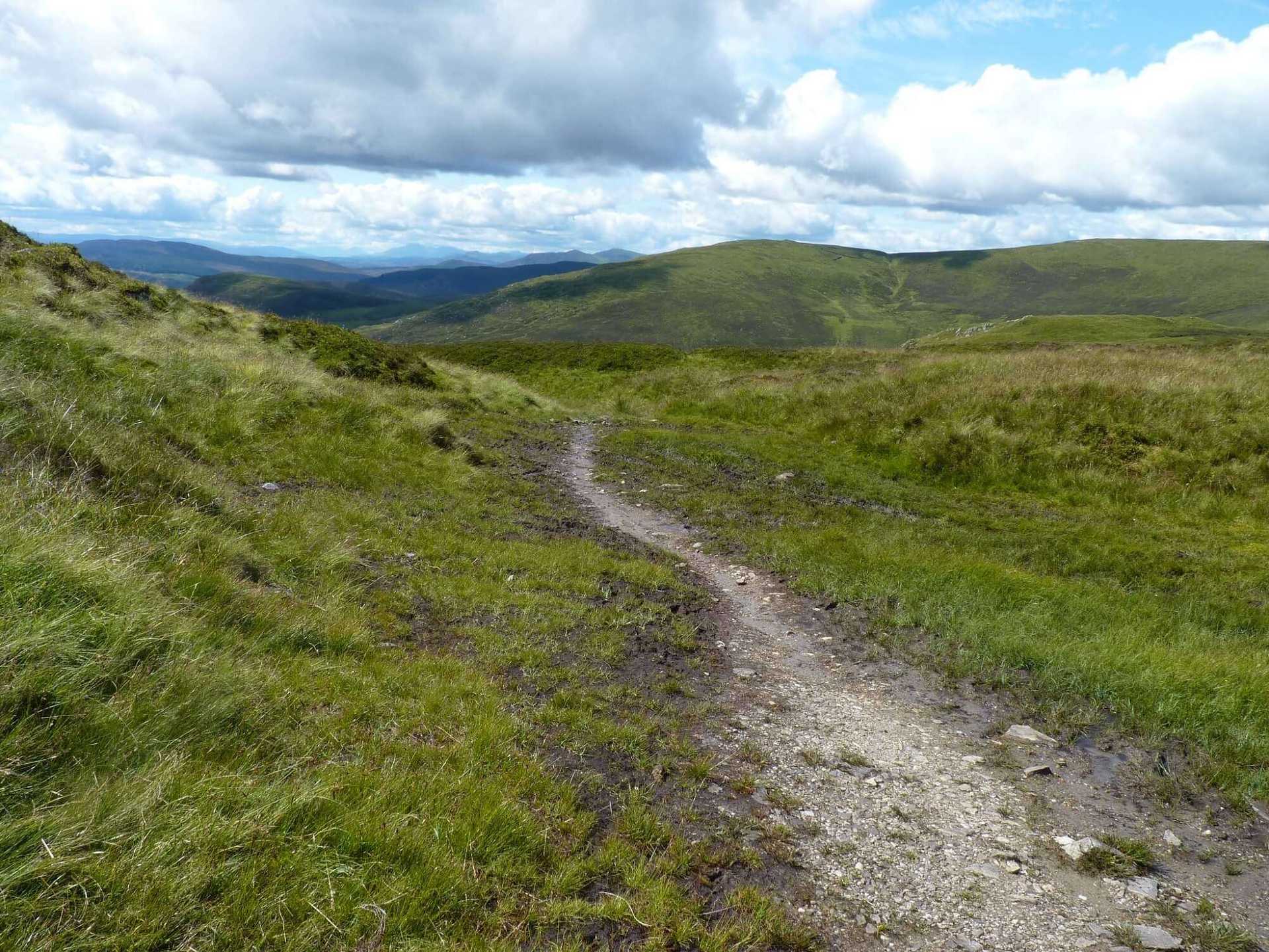
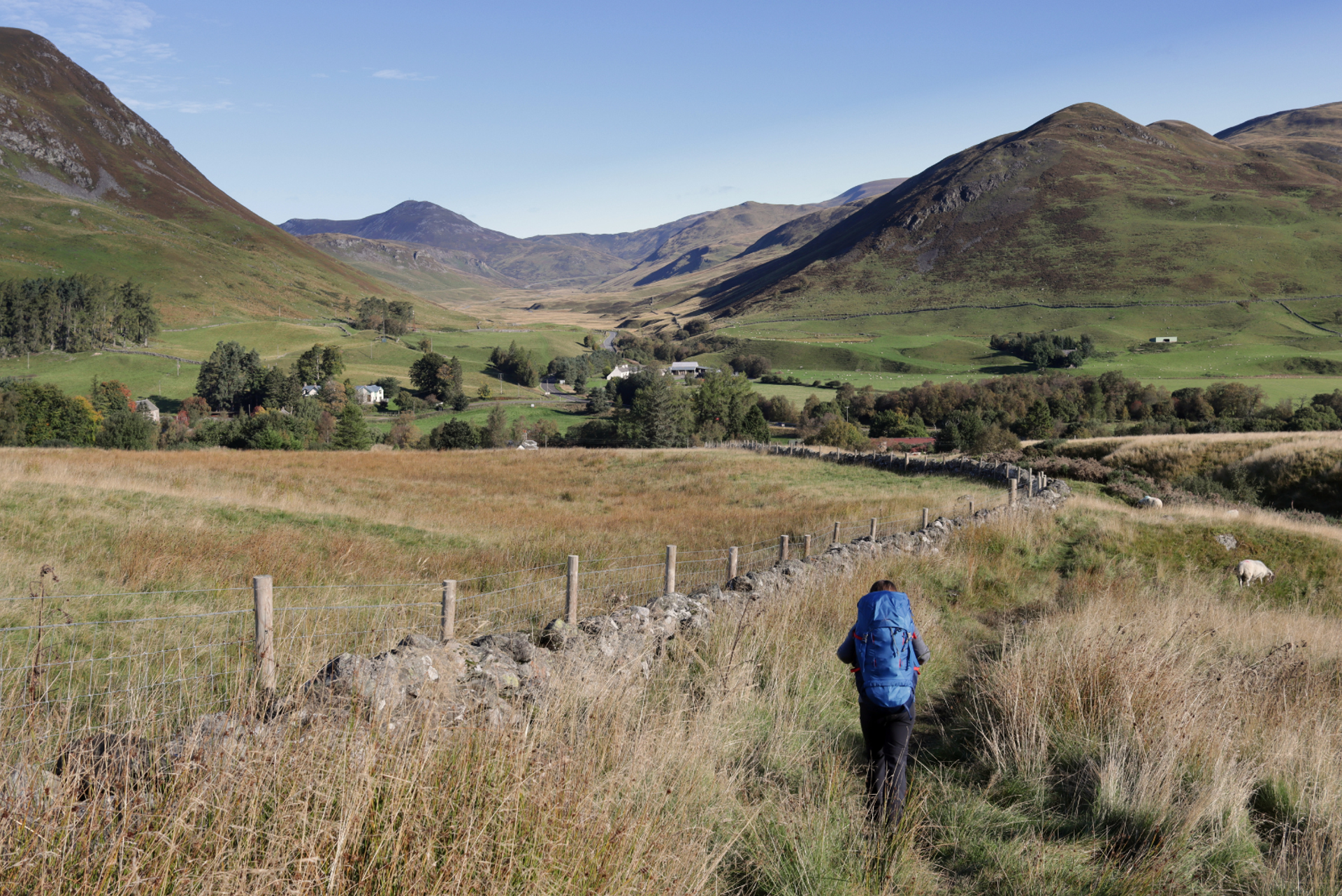
The West Highland Way follows Loch Lomond’s rocky shore before crossing Rannoch Moor and climbing the Devil’s Staircase. If you prefer a circular walk, the Cateran Trail follows old drove roads into Glenshee, with exposed ground on the higher sections.
Lochs, canals and woodland
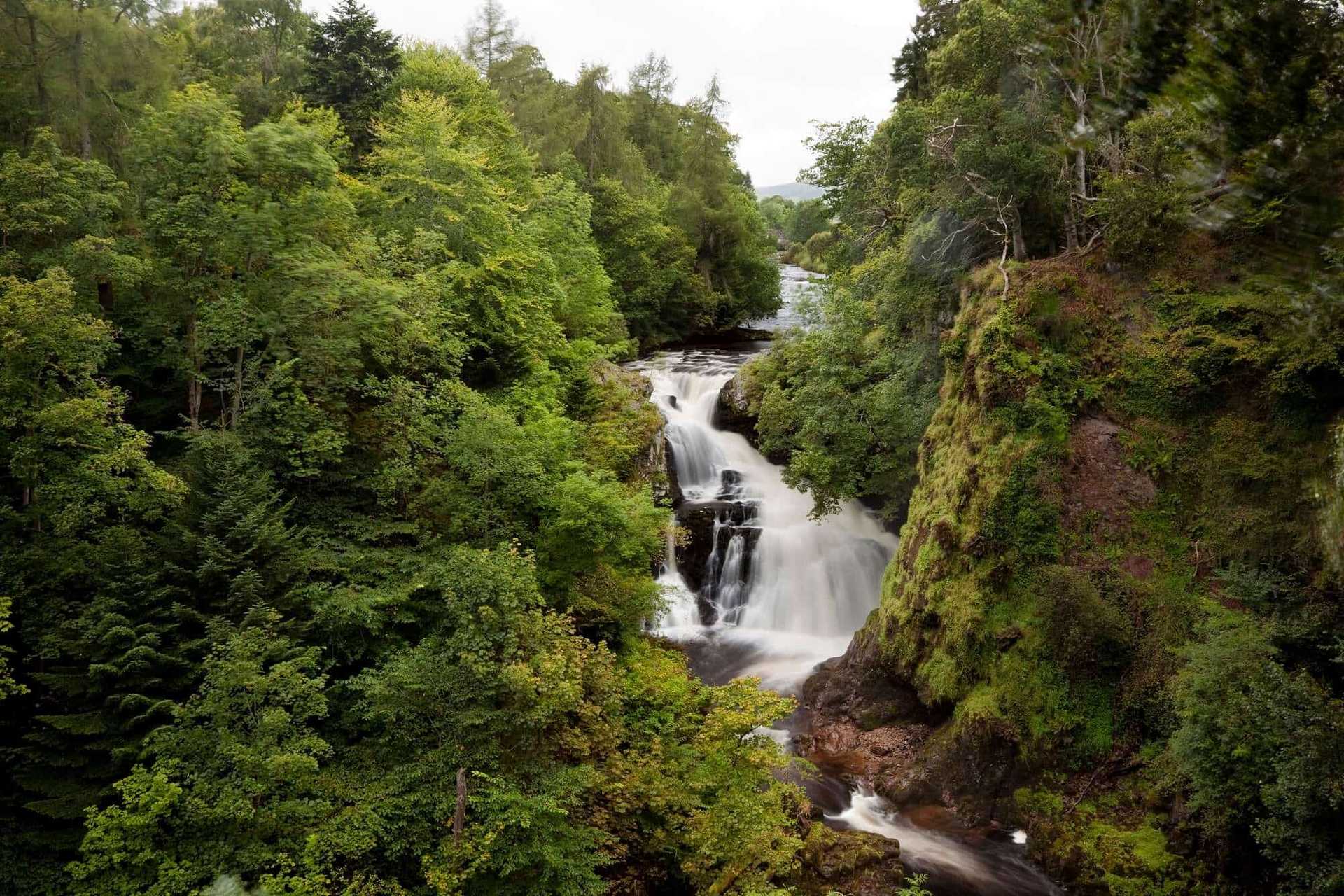
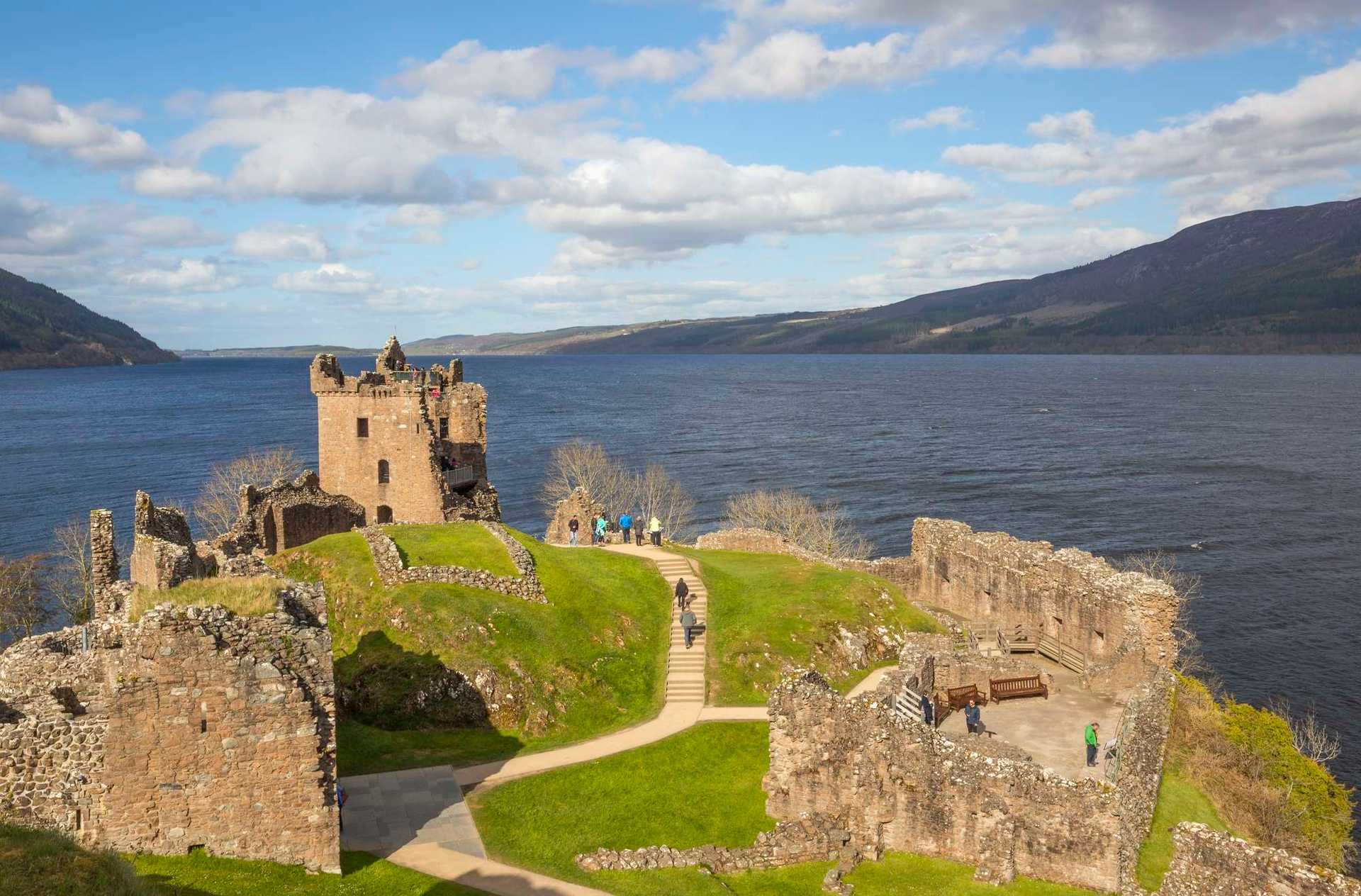
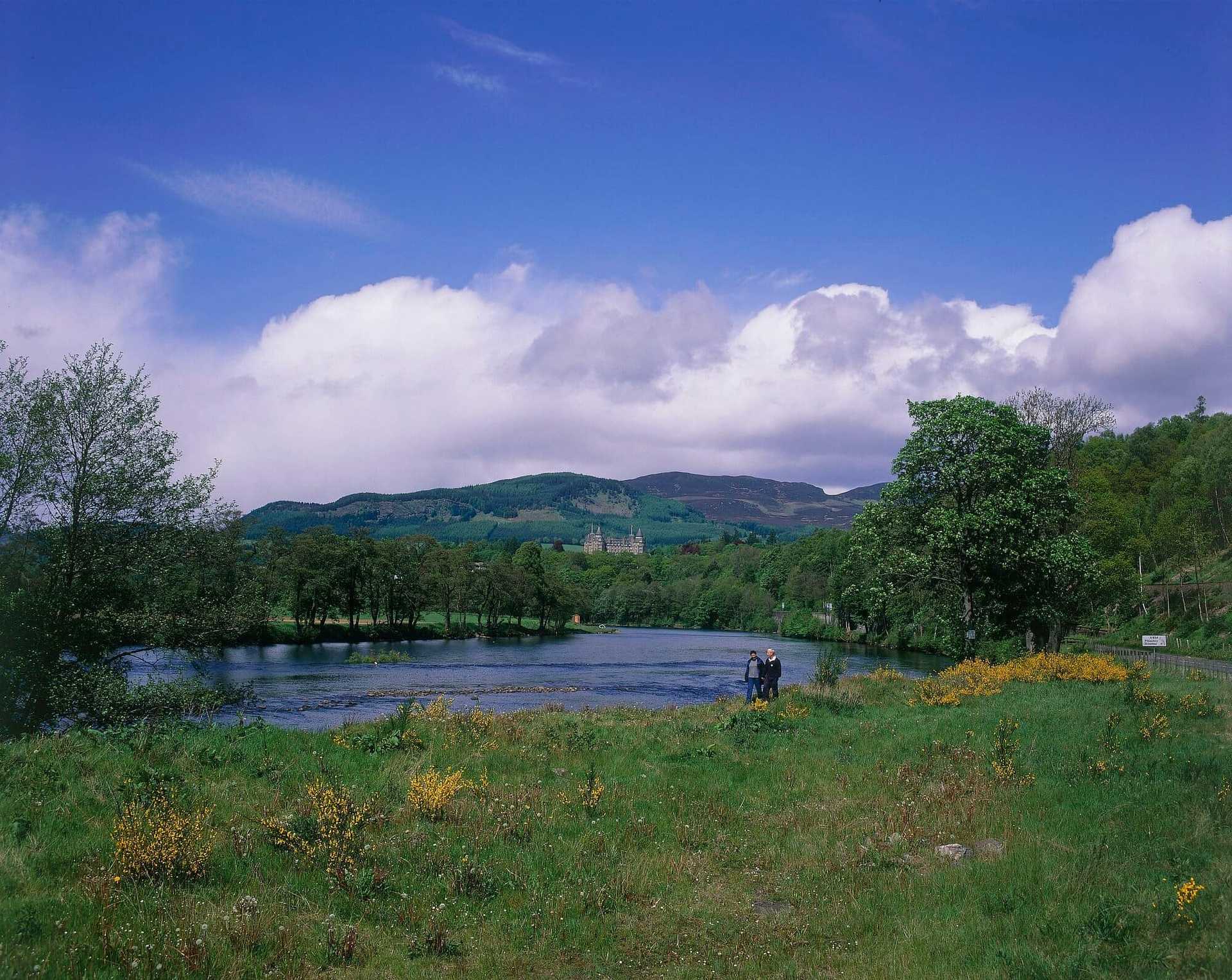
On the Great Glen Way, level stretches beside the Caledonian Canal give way to climbs through woodland above Loch Ness. The Rob Roy Way links Drymen and Pitlochry by forest roads and lochside paths, with regular climbs between the glens.
The River Spey and whisky country
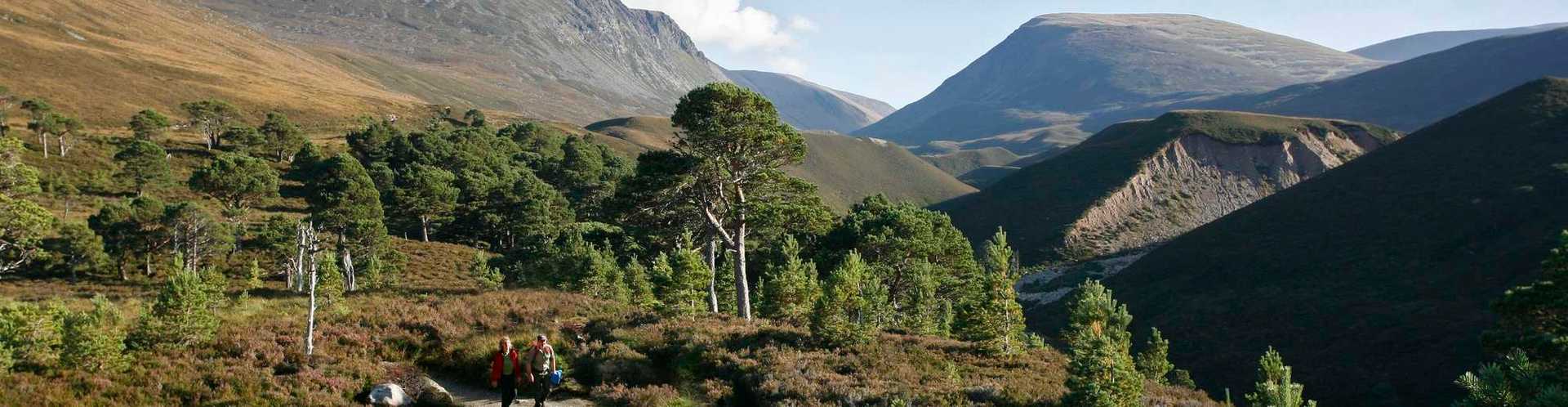
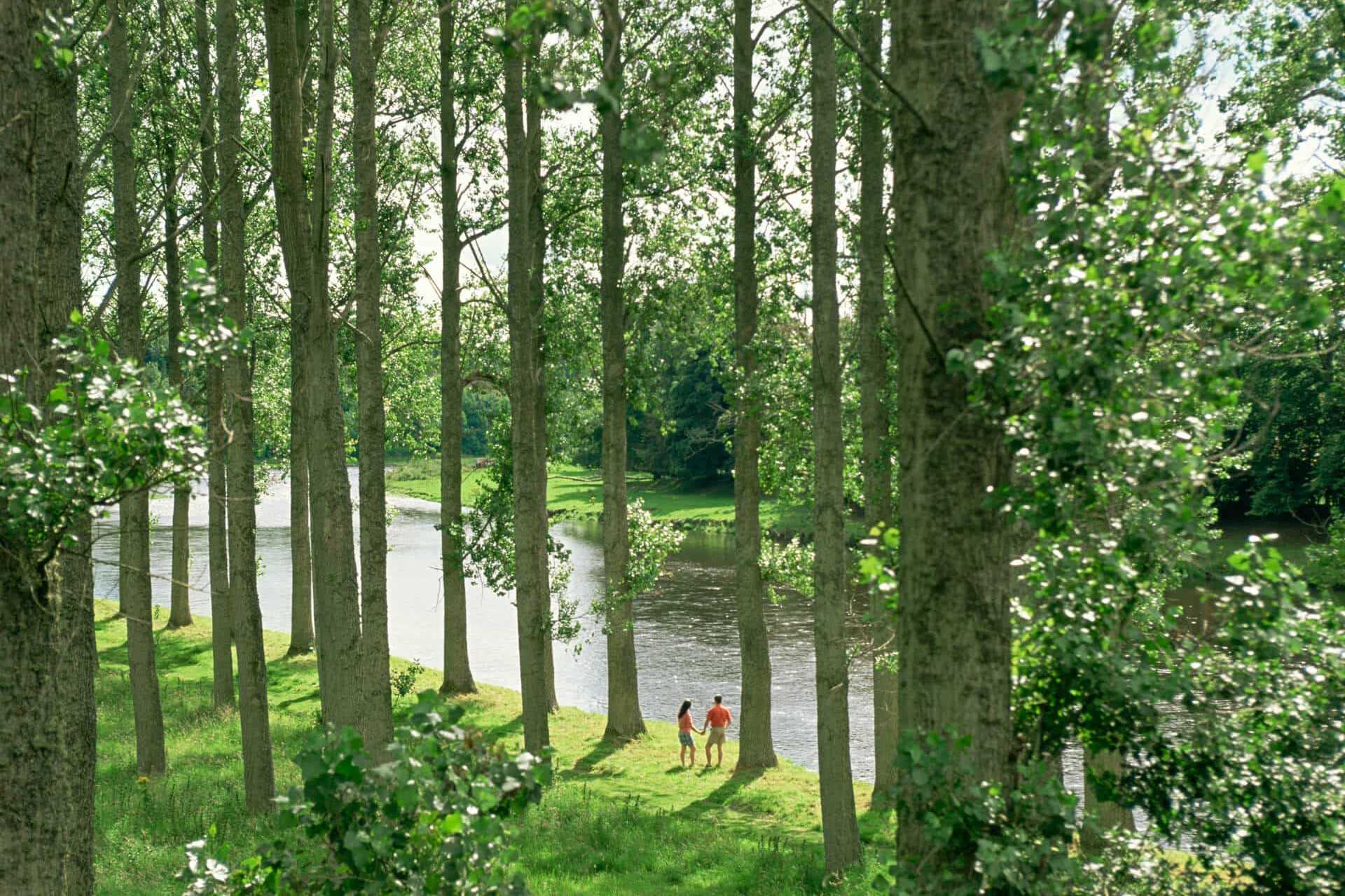
Choose the Speyside Way for pine woodland, former railway paths and villages along the Spey. There are long stretches of easier walking, though the ground between Ballindalloch and Grantown is rougher, particularly after rain.
Fishing villages or an island circuit
The Fife Coastal Path links the harbours of the East Neuk with St Andrews, crossing beaches and stretches of rocky shore. For an island circuit, the Arran Coastal Way starts and finishes in Brodick. Expect rougher ground and sections where the tide influences your route.
Border abbeys and a pilgrimage to the sea
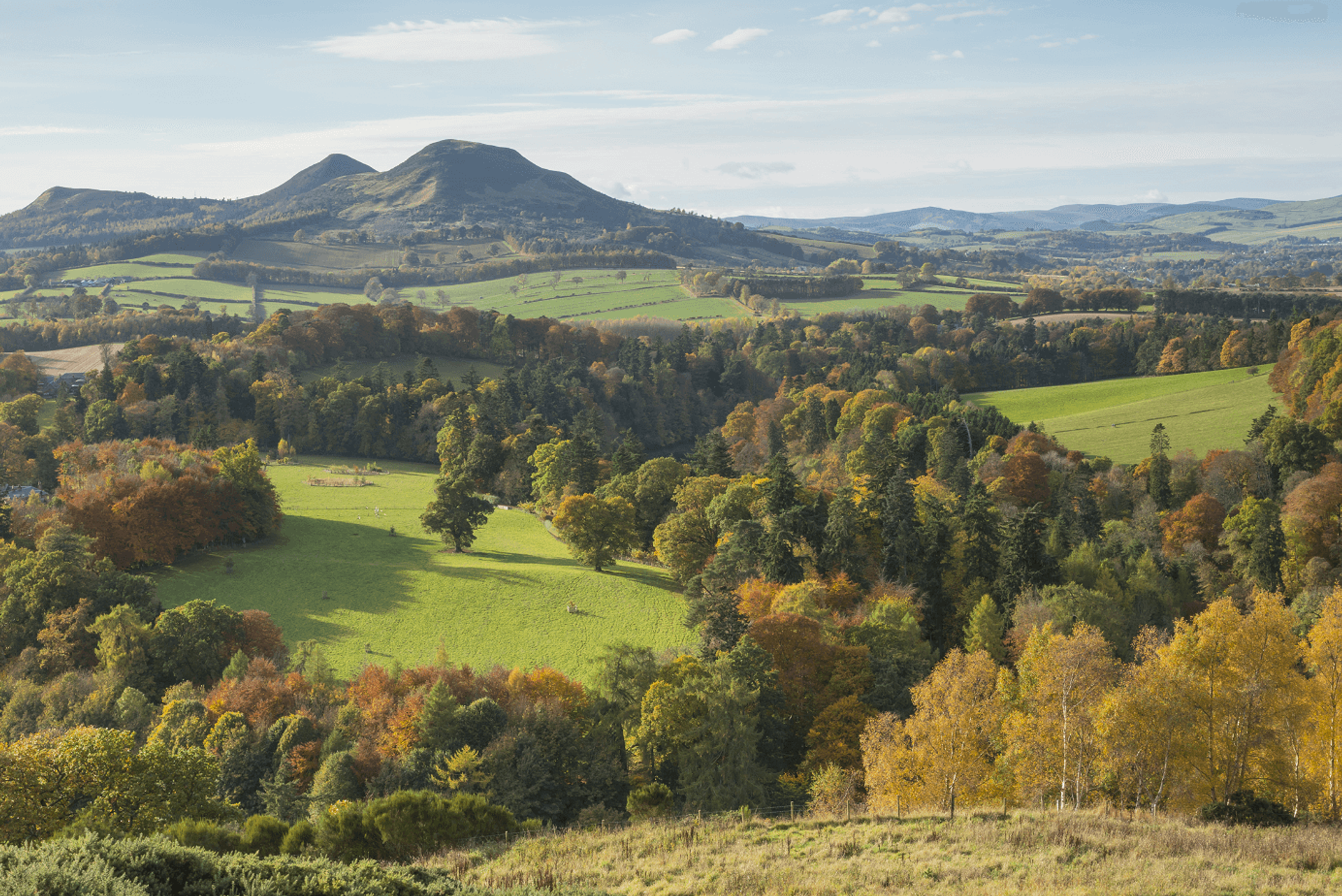
The Borders Abbeys Way links abbey towns through the valleys of the Tweed and Teviot. If you’d like to finish on Holy Island, St Cuthbert’s Way leads from Melrose across the Border hills into Northumberland, with the final crossing timed around the tides.
From coast to coast through Edinburgh
The John Muir Way takes you from Helensburgh on the west coast to Dunbar on the east. Hill paths and canal towpaths lead towards Edinburgh, followed by coastal walking in East Lothian. Choose it if you enjoy exploring towns as much as the countryside between them.
Best Time to Walk in Scotland
Scotland is significantly colder and wetter than England and Wales. For this reason it is best to avoid the winter months (November through to March), which can be very challenging. The warmest months, and best time to visit are from April through to October. Dry weather cannot unfortunately be guaranteed, but the days will be warmer, lighter and better for walking.
Unlike the rest of the UK, Scottish school holidays generally run from late June until mid-August and so those wishing to miss the busiest months should avoid these times.
Those hoping to walk the West Highland Way or the Great Glen Way should also be aware of the much hated ‘midge’. These tiny, biting insects exist in high numbers in the north-west of Scotland and are at their worst during the hottest months, especially August. For this reason, May, June and September can be better months to visit the North West Highlands.
Traveling to Scotland
By Plane: The quickest way to get to Scotland is by plane. Scotland has 3 international airports, Edinburgh and Glasgow in the south and Aberdeen in the north. Edinburgh and Glasgow both have excellent transport links into the rest of Scotland, whilst Aberdeen is slightly more isolated.
As Scotland is quite far from London, it is generally easier to fly directly into a Scottish airport rather flying into a London airport and then making your way to Scotland. However there are regular daily flights into Edinburgh, Glasgow and Aberdeen from all of the major London airports. Likewise if you are starting your holiday in a different part of England or Wales, you will find regular flights to Scotland from most British airports.
By Eurostar/ Train: If travelling from mainland Europe, the UK can be reached by train from Paris, Brussels and Lille using the Eurostar. The Eurostar arrives in London, and from there you will find excellent train and bus connections to Scotland.
A train from London to Edinburgh or Glasgow will take approximately 4 ½ hours. Both cities then have excellent train connections with the rest of Scotland. Alternatively, you can take the Caledonian Sleeper, which is an overnight sleeper train from London to major Scottish destinations, including Edinburgh, Glasgow, Dundee, Aberdeen, Inverness and Fort William. It is a particularly good option if you're travelling to northern Scotland.
Other major British cities with good train connections into Scotland include Newcastle, Leeds, Manchester and Birmingham. You should book train journeys as far in advance as possible to secure the best fares.
By Ferry: If traveling from mainland Europe, there is an overnight car ferry from IJmuiden in Holland to the city of Newcastle, which lies just south of the Scottish border. The journey takes 17 hours, although a cabin is included in your fare. From Newcastle, there are very good transport links into Scotland.
It is also possible to travel by ferry from Northern Ireland to Glasgow.
Scotland Client Reviews
4.8/5 based on 418 reviews
"Celtic Trails were well organised and a safety net in case anything went wrong"
"I've used Celtic Trails several times over the years to organise my walking holidays, and they've never let me down. They define the word 'professional '. And to be fair, they're a friendly bunch. This jolly boys outing has improved my mental wellbeing immeasurably. I've met some wonderful people on this walk and made new friends."
"I found response time to be very quick. Our agent, Holly was great! I completely enjoyed the beauty of Scotland."
"Fiendly, efficient"
"Excellent experience! Love the attention to detail and the responsiveness, from day 1 of planning through the end of our trip. I had no expectations when I started but I was amazed by the beauty along the way - absolutely breathtaking. And the people are so warm and friendly - both the natives to the area as well as the other walkers."
"Friendly, efficient comprehensive"
"I would say everything that Celtic Trails were responsible for were delivered exactly as promised. Some beautiful places to stay and all arrangements were excellent. Met some great people along the trail and the finish @ Holy Island was very special."
"The scenery far exceeded expectations. I was doing St Cuthbert's Way as a pilgrimage, so particularly appreciated the encounters with fellow pilgrims along the way."
"My husband and I often encourage our friends to look into Celtic Trails. We find the staff very helpful, informative, professional with numerous walking trips available to suit many preferences."
Gallery