The 10 Rainiest Walks in the UK (and Where to Find Sun)
Christina | Celtic Trails ·
Loading content...
Christina | Celtic Trails ·
The UK is famous for its long-distance walks and its unpredictable weather. Some routes are blessed with big skies and surprising sunshine, while others regularly top the charts for rainfall, wind, and wet days.
To find out which trails are the wettest (and where you’re most likely to stay dry), we analysed rainfall, sunshine, wind speed, and rainy days across the UK’s most popular long-distance walks. The result is an original Rain Index that ranks the rainiest walks in the UK and highlights the sunniest places for walking too.
This study is based on an original Rain Index created specifically for long-distance walks in the UK. Each route was assessed using regional climate data mapped directly to the walk’s geography.
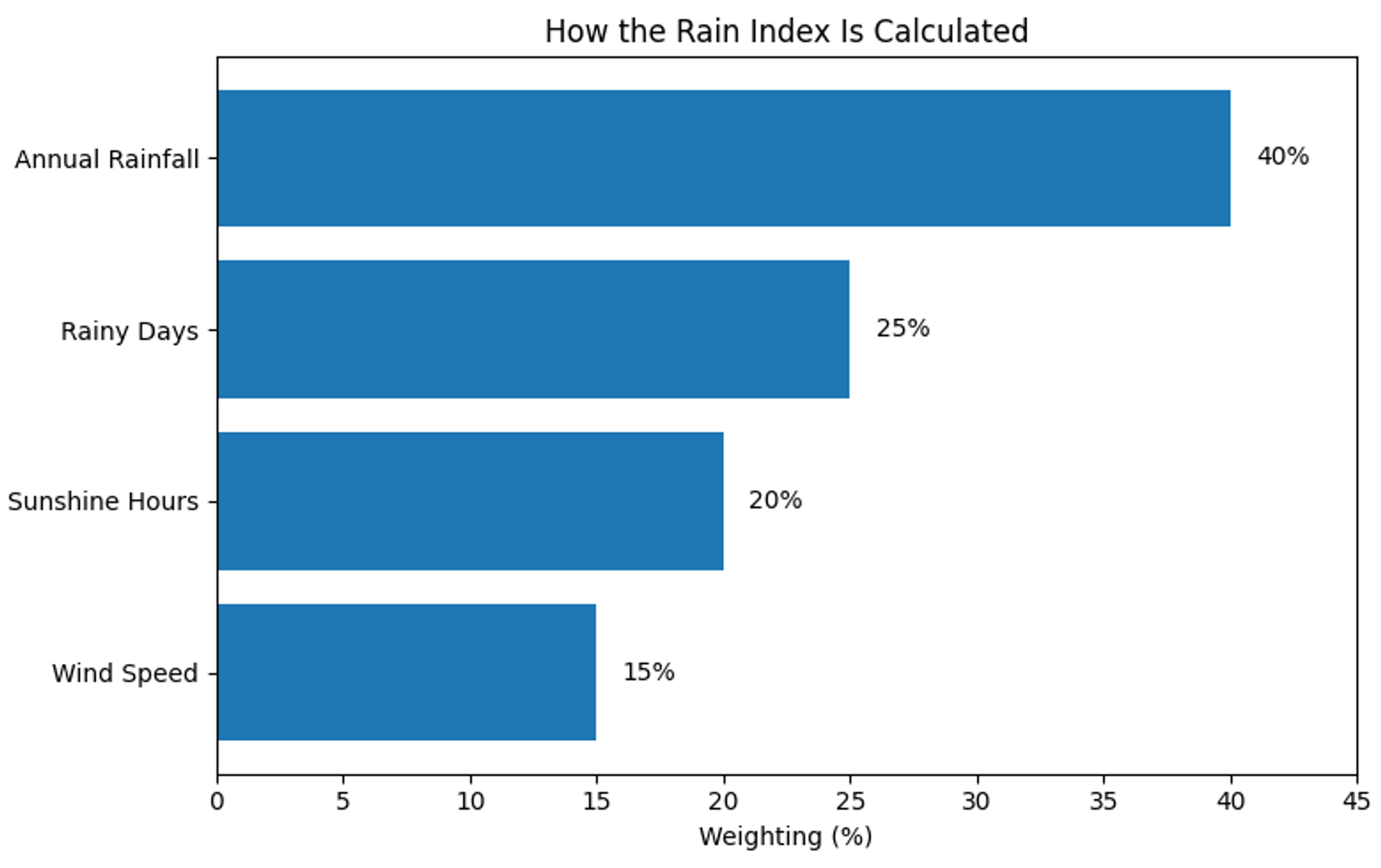
We looked beyond total rainfall alone, incorporating how often it rains, how windy routes are, and how much sunshine walkers can realistically expect.
Below is a breakdown of the factors used to calculate the Rain Index. This index was created specifically for this study and weighted to reflect real walking conditions rather than headline rainfall alone.
These are the routes where hiking in the rain is not an occasional challenge, but a defining feature.
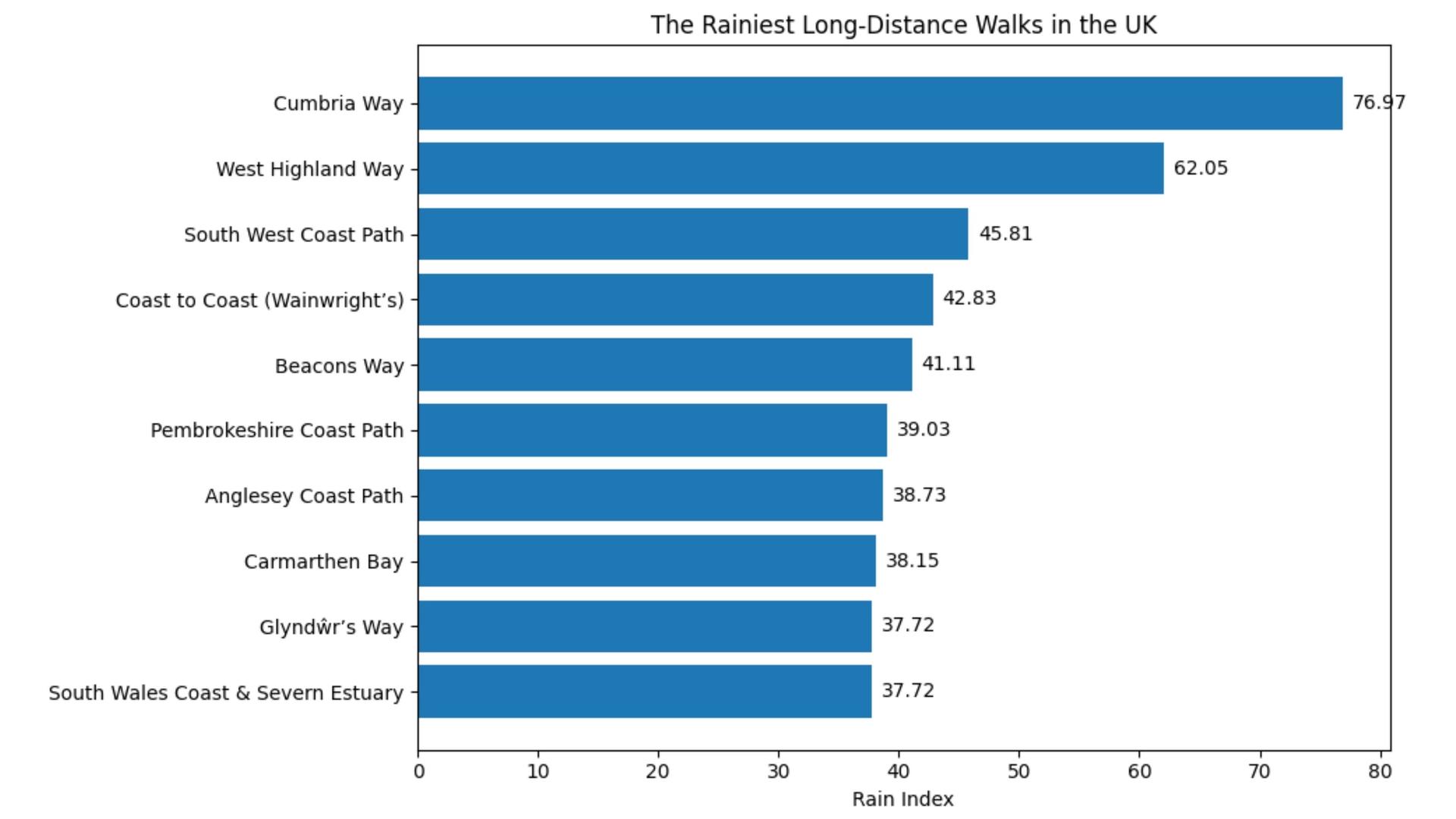
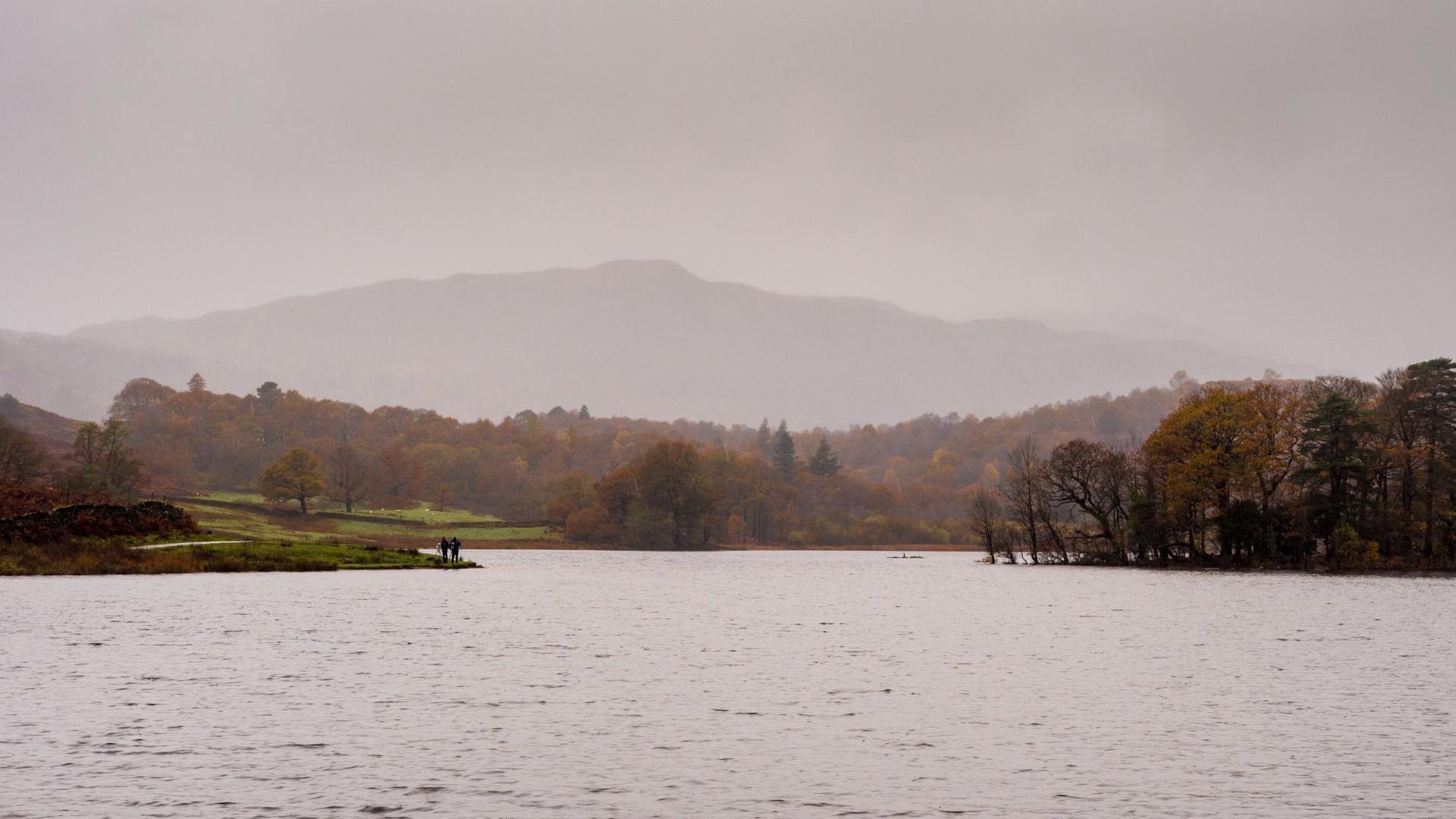
Running through the heart of the Lake District, the Cumbria Way links rolling valleys with high mountain passes. It consistently ranks as the wettest place in England for walking.
High annual rainfall, frequent rainy days, and limited sunshine push this route well ahead of all others. Summer offers longer days, but showers remain common year-round.
Scotland’s most famous long-distance walk, the West Highland Way, stretches from Milngavie to Fort William, passing lochs, moorland, and exposed glens.
Heavy rainfall combined with strong winds, especially across Rannoch Moor, makes this one of the most challenging rainy walks in the UK.
This dramatic coastal route wraps around England’s south-west peninsula, offering cliffs, coves, and constant sea views.
Rainfall is high, but wind exposure is the key factor here. Sudden showers and coastal gusts can make walking in rainy weather feel more intense.
Crossing England from the Irish Sea to the North Sea, the Coast to Coast route passes through three national parks.
Its western sections, particularly in Cumbria, experience very high rainfall, while the eastern end is notably drier, creating sharp contrasts within a single walk.
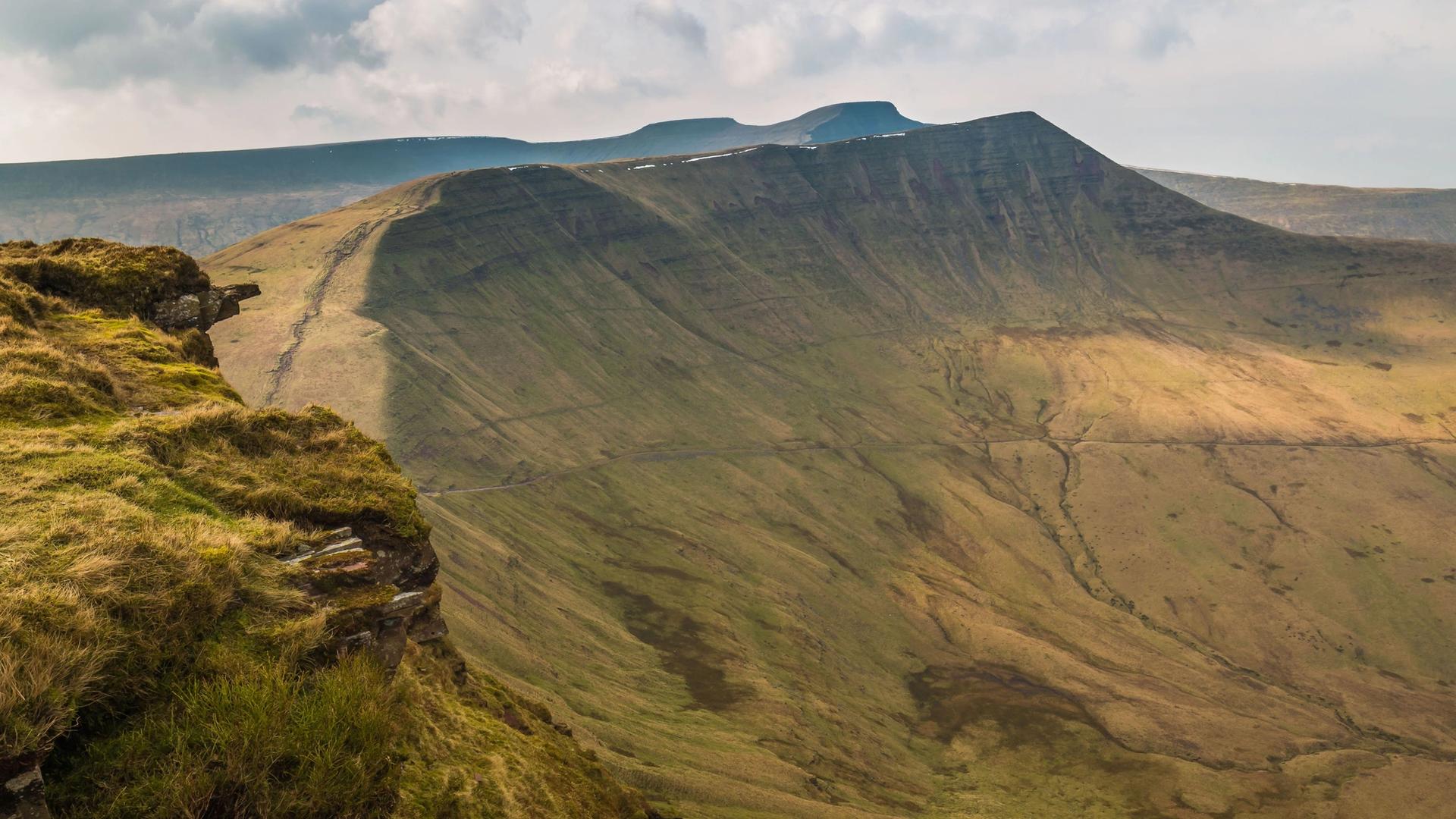
The Beacons Way crosses the Brecon Beacons National Park in Wales, a region well known for cloud cover and changeable weather.
Frequent rainy days and upland exposure contribute to its ranking as one of the wettest places in the UK for long-distance walking.
This coastal trail circles Pembrokeshire, combining beaches, cliffs, and estuaries.
Rainfall is relatively consistent throughout the year, but strong coastal winds and exposed headlands increase weather impact.
Encircling the Isle of Anglesey, this route offers lower elevations but open coastal conditions.
Rainfall levels are high, though fewer rainy days are offset by strong winds coming off the Irish Sea.
Following the sweeping coastline of Carmarthen Bay, this walk features wide beaches and estuary paths.
Rainfall remains high, but the terrain is less exposed than clifftop routes, making rainy day walking more manageable.
This inland Welsh route explores remote hills, forests, and historic borderlands.
Glyndŵr’s Way rainfall is steady throughout the year, with relatively low sunshine hours contributing to its high ranking.
Stretching along the southern Welsh coast, this route blends industrial heritage with natural landscapes.
While rainfall is significant, lower elevation and sheltered estuary sections slightly reduce weather severity.

If you’re looking to avoid a rainy walk, these routes rank highest for sunshine and lower rainfall.
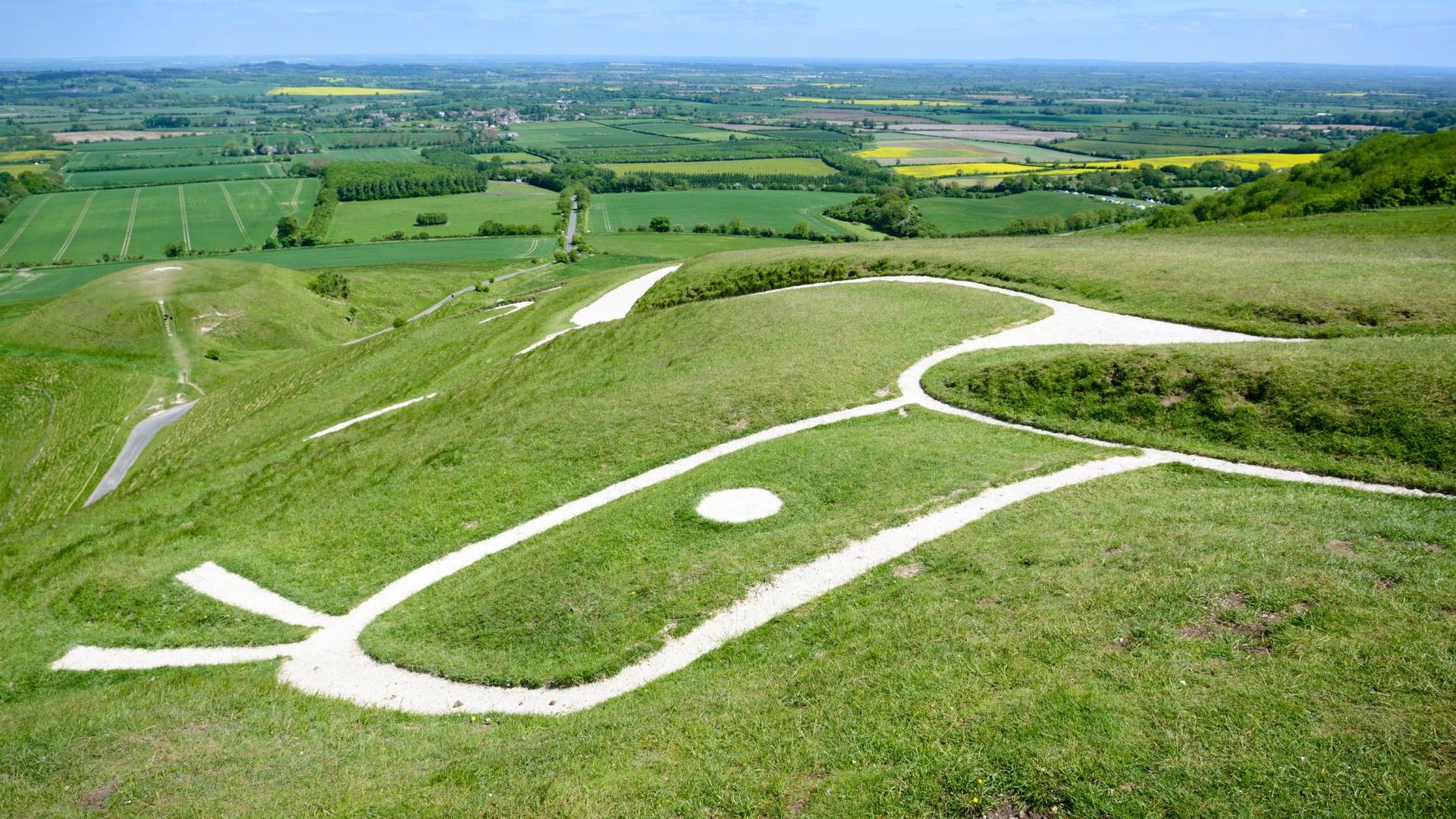
Often called Britain’s oldest road, the Ridgeway runs across southern England’s chalk downs.
Low rainfall, good drainage, and high sunshine hours make it one of the best options for dry walking.
Despite its reputation for tough terrain, the Pennine Way benefits from lower overall rainfall than western routes.
Eastern sections in particular, see fewer rainy days and more consistent sunshine.
Scotland’s longest continuous coastal path benefits from the country’s drier eastern climate.
Fife Coast Path offers sea views with significantly more sunshine than western Scottish routes.
Running from the Yorkshire Dales to the Lake District, the Dales Way stays low and sheltered for much of its length.
Its eastern sections are notably drier, making it one of the more forgiving long-distance walks.
Looping around central Scotland, John Muir Way avoids high mountains and sticks largely to lowland terrain.
Moderate rainfall and decent sunshine levels help balance Scotland’s variable climate.
Rain is part of the UK walking experience, but where and how much it falls varies dramatically. From the rainiest walks in the UK like the Cumbria Way and West Highland Way to drier, sunnier options further east, weather plays a defining role in route choice.
Understanding rainfall, wind, and sunshine patterns helps walkers choose the right trail for the right time of year. With good preparation, even the wettest places in the UK can deliver some of the most rewarding long-distance walking experiences.
Based on our Rain Index, the Cumbria Way ranks as the rainiest long-distance walk in the UK, with the highest rainfall and number of rainy days.
Not necessarily. Some high rainfall areas have excellent drainage and well maintained paths, while drier routes may still be exposed to wind.
Southern and eastern routes like the Ridgeway, Fife Coast Path, and Dales Way consistently rank among the sunniest places in the UK for walking.