Top UK Wildlife Walking Routes for Photography & Nature
Christina
Loading content...
Christina
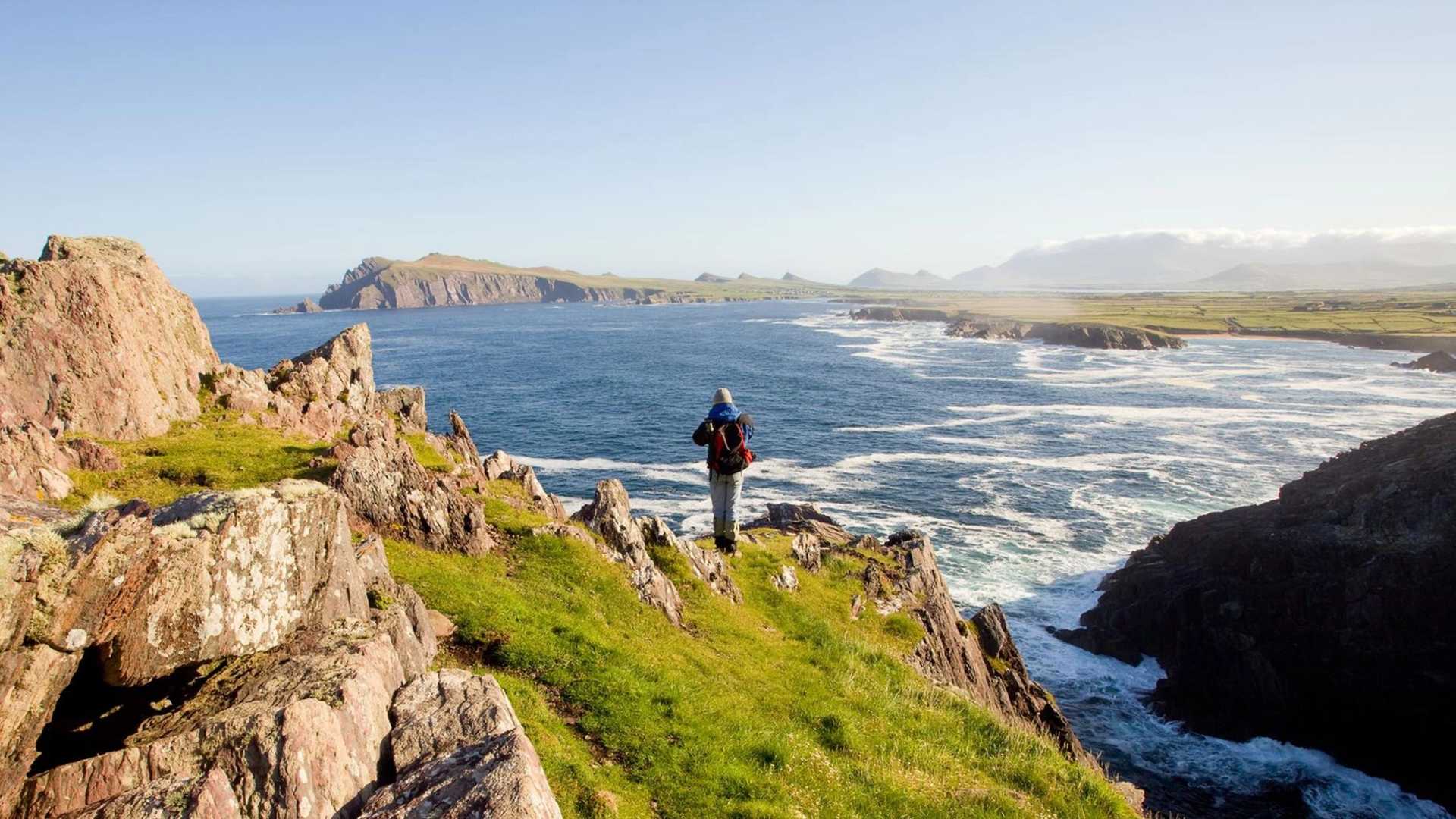
The UK is one of the most rewarding places in Europe for wildlife walking holidays. From rugged coastal cliffs to quiet wetlands and open moorland, the variety of habitats means walkers regularly encounter birds, marine life, and rare plants along the trail.
For photographers and nature lovers, walking offers something unique. Travelling on foot slows the pace and allows you to notice seasonal changes, wildlife movements, and small details that are easily missed when travelling faster.
Across England, Wales and the wider British Isles, many walking routes pass through protected landscapes including National Parks, National Nature Reserves and internationally recognised wetlands. These areas support thriving ecosystems and provide some of the best wildlife photography locations in the UK.
• The UK offers some of the best wildlife holidays thanks to protected coastlines, wetlands and upland habitats
• Coastal paths such as Pembrokeshire and Norfolk provide reliable seabird and marine wildlife sightings
• National Parks offer opportunities to see red deer, mountain hares and birds of prey
• Wetland reserves and estuaries support thousands of migratory birds throughout the year
• Walking slowly through these landscapes creates excellent conditions for wildlife photography
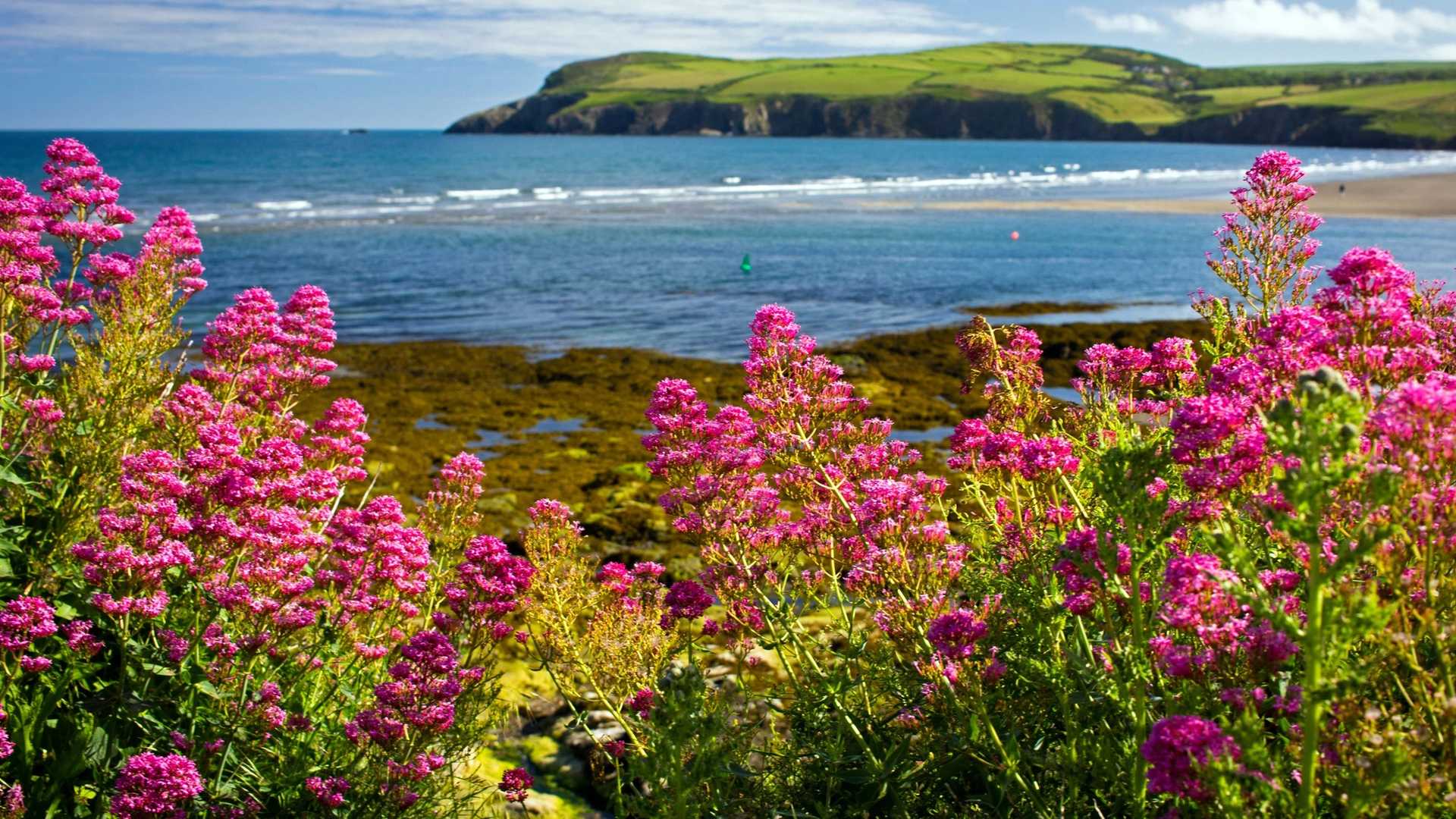
The Pembrokeshire Coast Path is one of the richest wildlife watching holidays in the UK. Running through Pembrokeshire Coast National Park, the trail crosses cliffs, headlands, dunes and coastal grasslands that support a remarkable range of species.
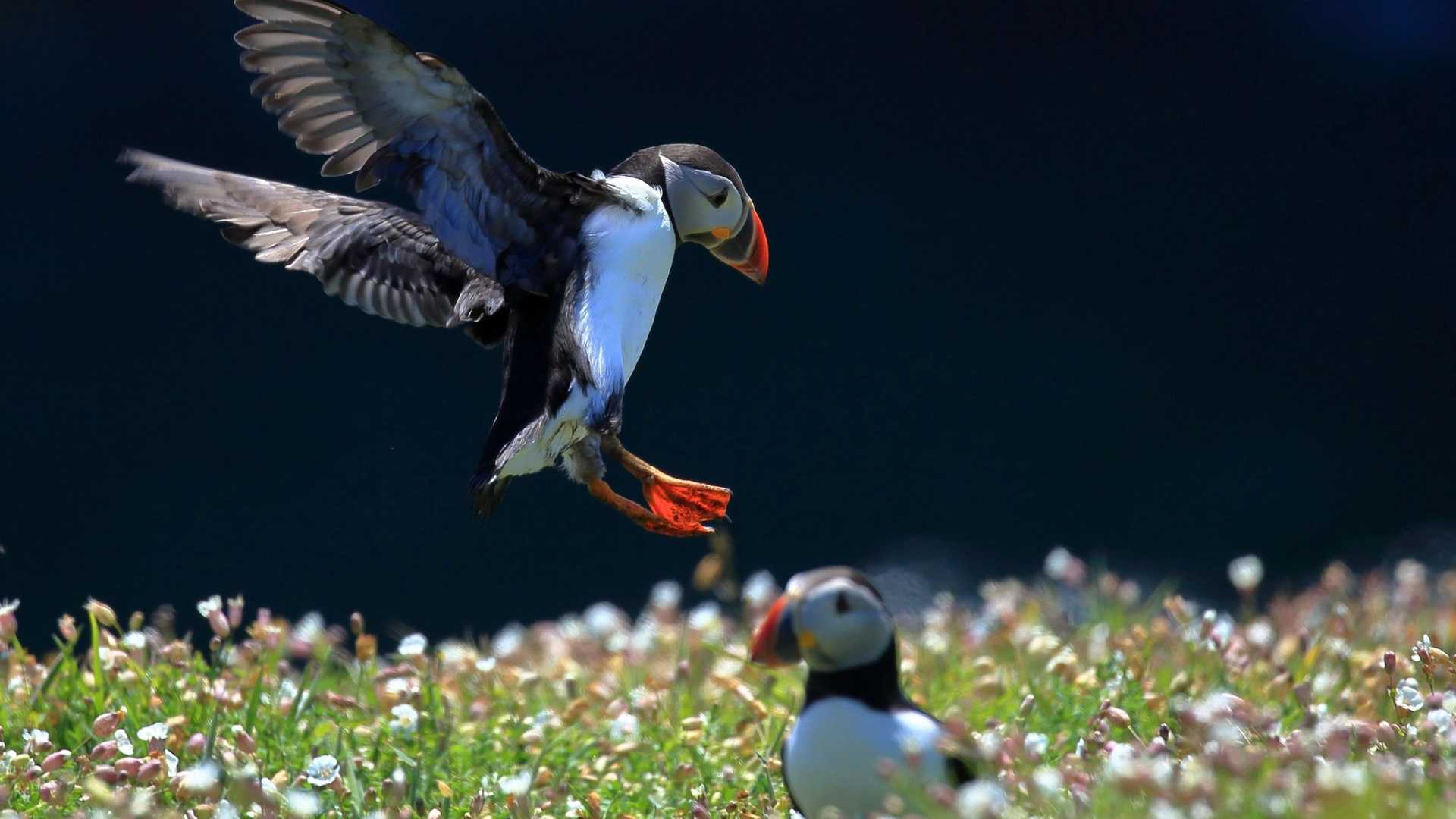
These dramatic cliffs host large colonies of seabirds including puffins, guillemots and razorbills during the breeding season. Grey seals are regularly seen resting in coves below the path, while dolphins are occasionally spotted offshore.
The Pembrokeshire national park authority highlights the coastline as one of Britain’s most important marine wildlife areas. The variety of habitats also supports wildflowers, butterflies and coastal plants that provide excellent close-up photography opportunities.
For a closer look at the route, explore the Pembrokeshire Coast Path wildlife walking guide.
Stretching around the entire Welsh coastline, the Wales Coast Path passes through some of the UK’s most important wetland habitats.
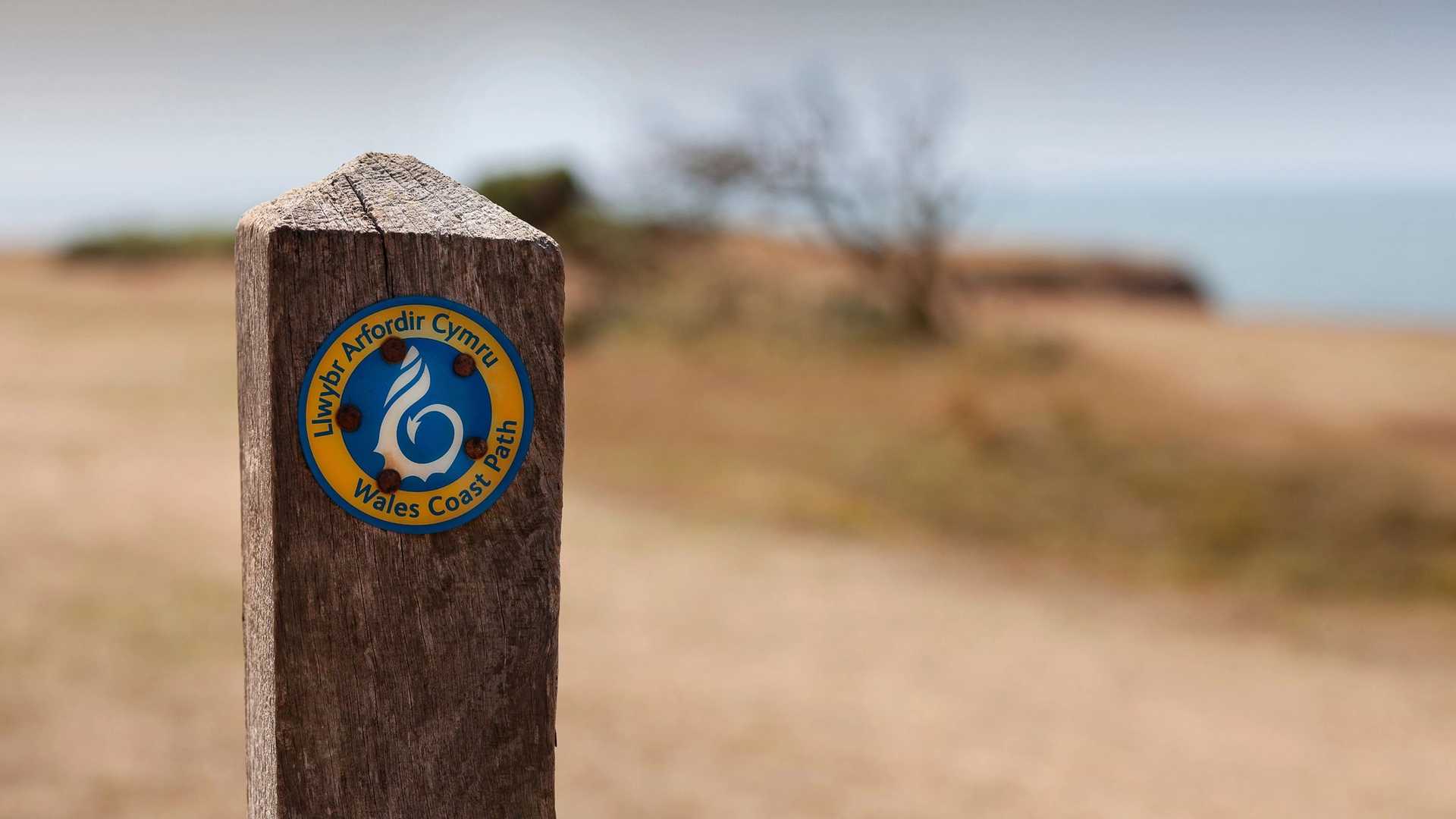
One highlight is the Dee Estuary, an internationally recognised wetland protected under both Ramsar and Special Protection Area designations. According to conservation bodies such as The Wildlife Trust, the estuary supports more than 120,000 wintering birds each year, making it a significant destination for wildlife watching holidays in the UK.
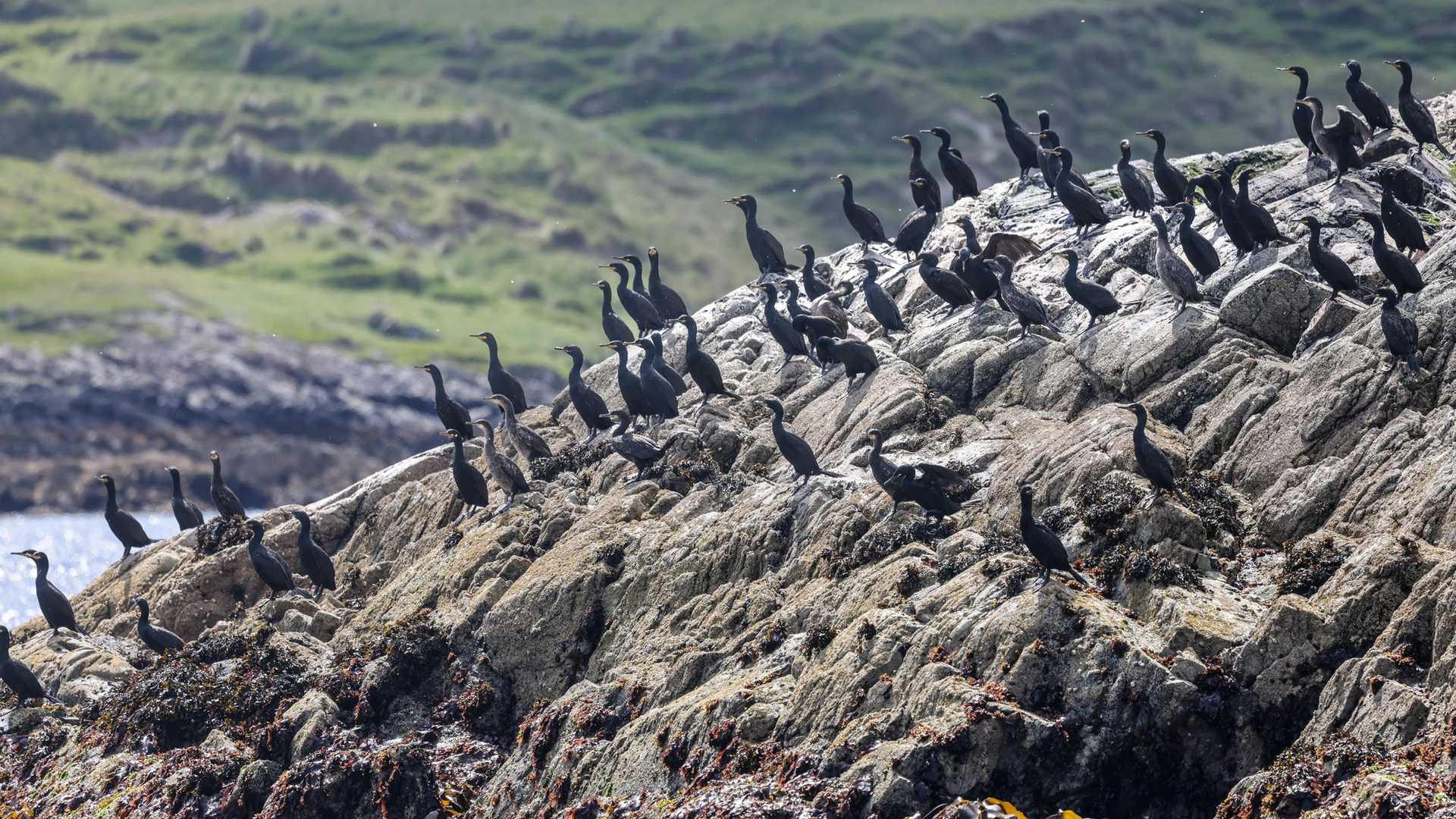
Elsewhere along the coast, sand dunes and salt marshes provide habitats for rare plants, breeding seabirds and migratory species. During summer months walkers may see little terns nesting along sandy shores, while butterflies and dragonflies are common in warmer weather.
For photographers, the mix of open landscapes and wildlife activity creates ideal opportunities throughout the year.
The Norfolk Coast Path runs through a series of internationally important coastal habitats. Much of the area is protected as National Nature Reserves and Sites of Special Scientific Interest, recognising its importance for wildlife and biodiversity.
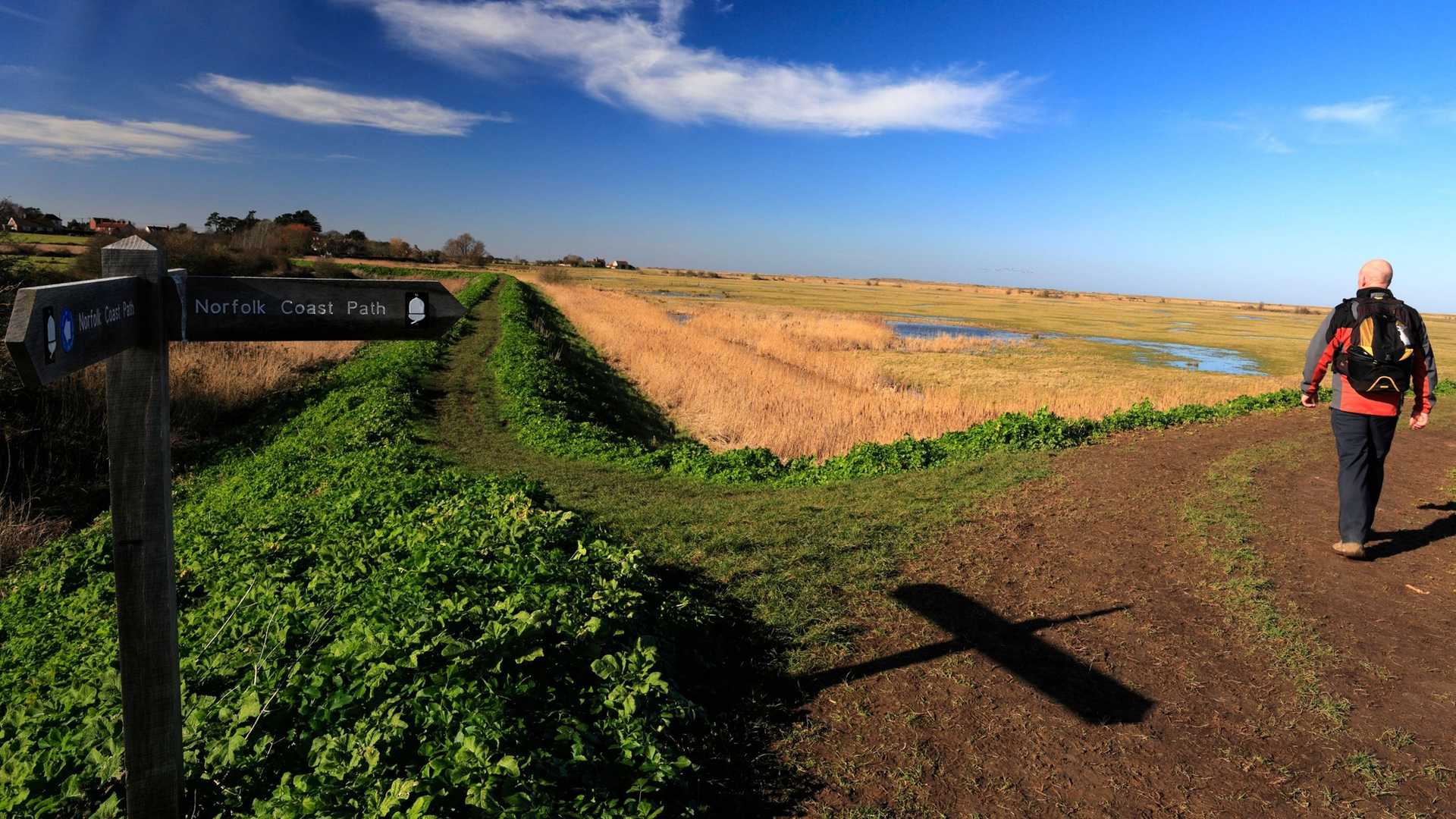
Saltmarshes, lagoons and sand dunes create ideal conditions for birds and insects. The region is well known for its rich birdlife, particularly migratory species that arrive during spring and autumn.
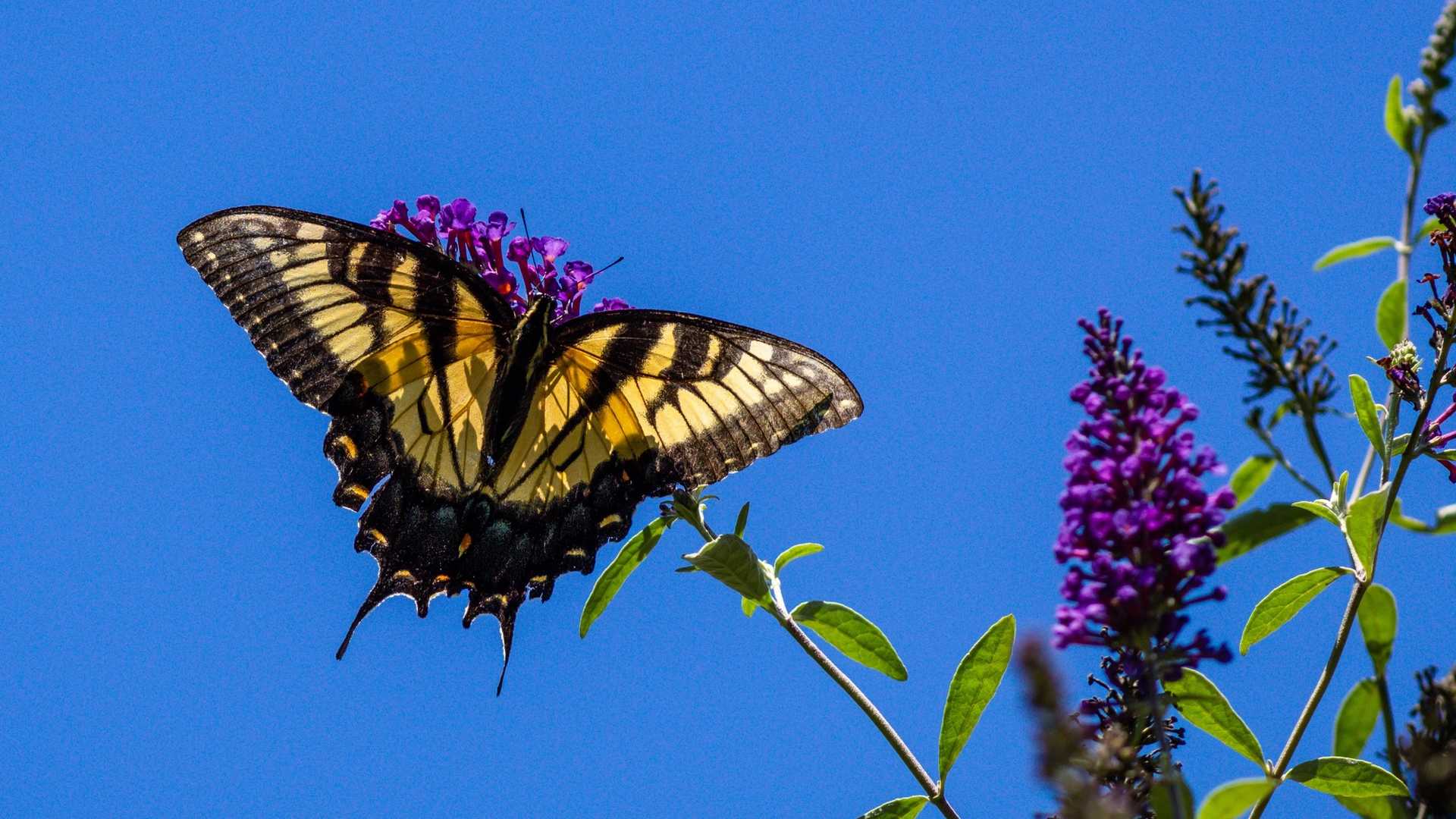
Butterflies such as the swallowtail thrive in these marsh environments, while dragonflies and wading birds are common sights along the trail. For walkers interested in wildlife photography locations in the UK, Norfolk offers reliable sightings combined with open landscapes and big skies.
You can read more about this route in the Highlights of the Norfolk Coast Path.
Britain’s National Parks offer some of the most dramatic settings for British wildlife holidays. Landscapes such as the Scottish Highlands, the Lake District and the Peak District support a wide range of upland species.
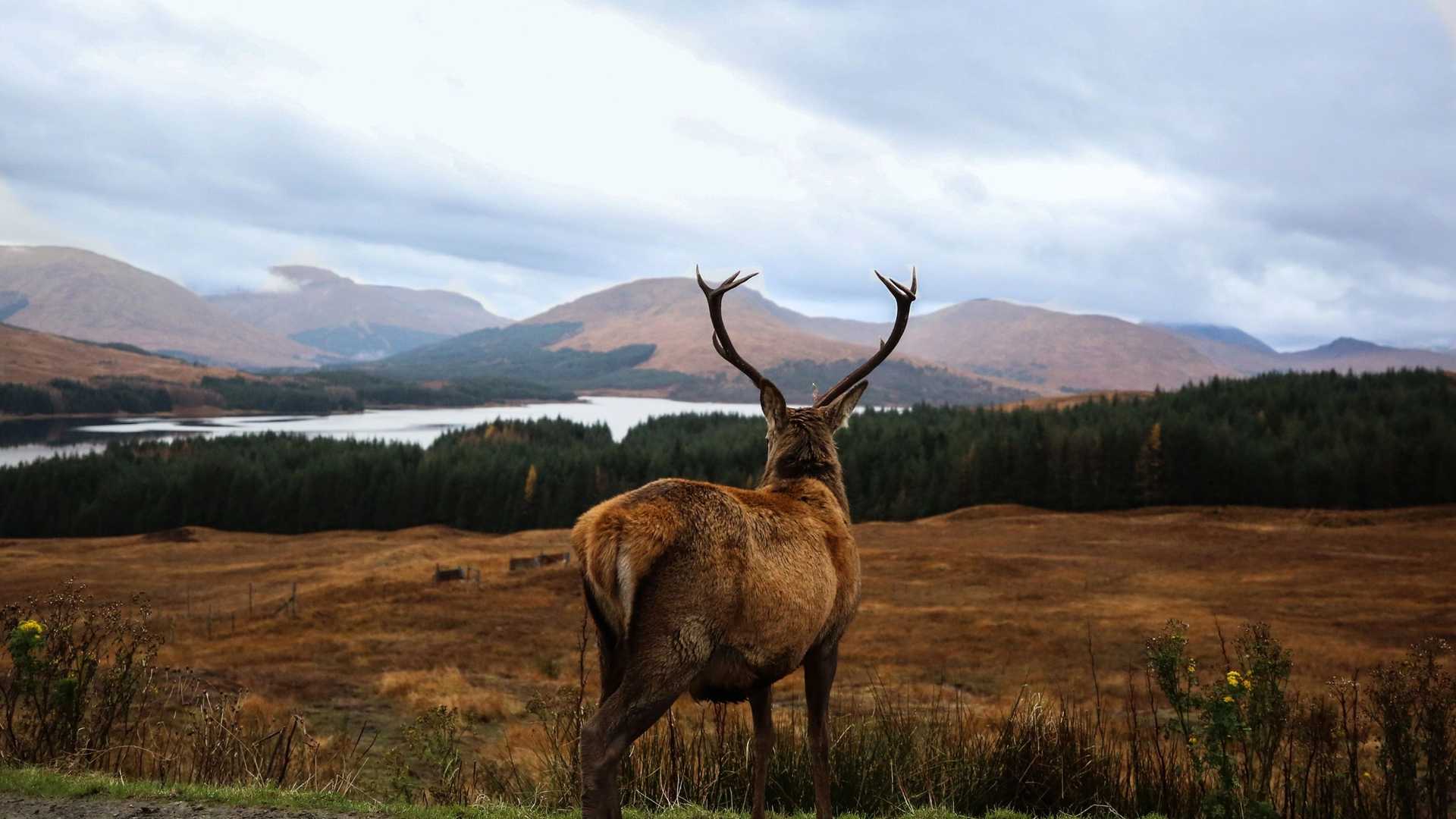
Open moorland and mountain terrain are home to red deer, mountain hares and birds of prey including hen harriers and peregrine falcons. Many of these habitats are protected within National Parks, which aim to conserve wildlife while allowing responsible public access.
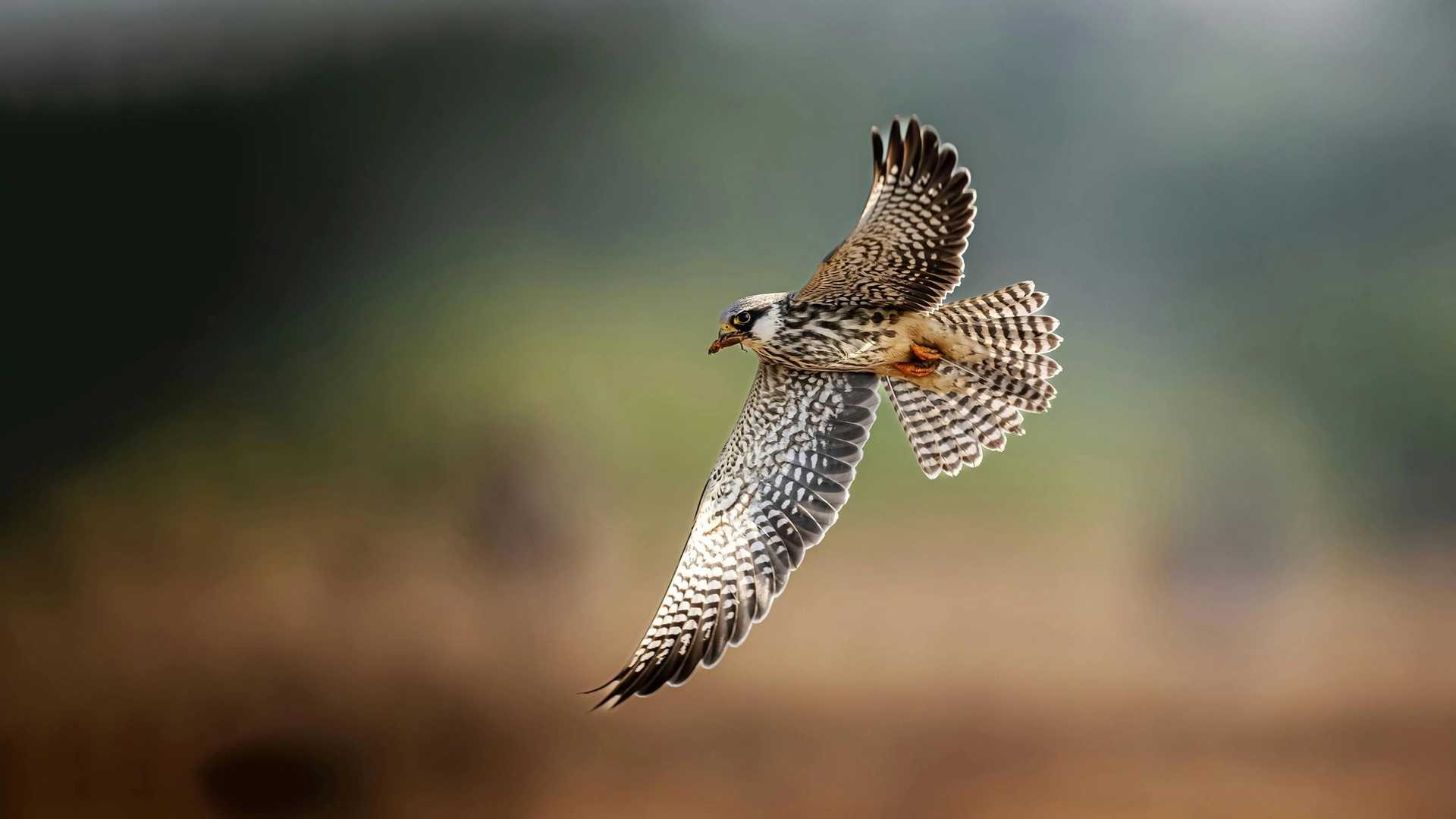
Walking through these areas often brings a sense of quiet and space that is ideal for spotting wildlife. Early mornings and late evenings are particularly rewarding times to see animals moving across the hills.
Not all wildlife encounters happen on exposed coastlines or mountain ridges. Woodland and wetland trails often offer some of the most intimate wildlife experiences.
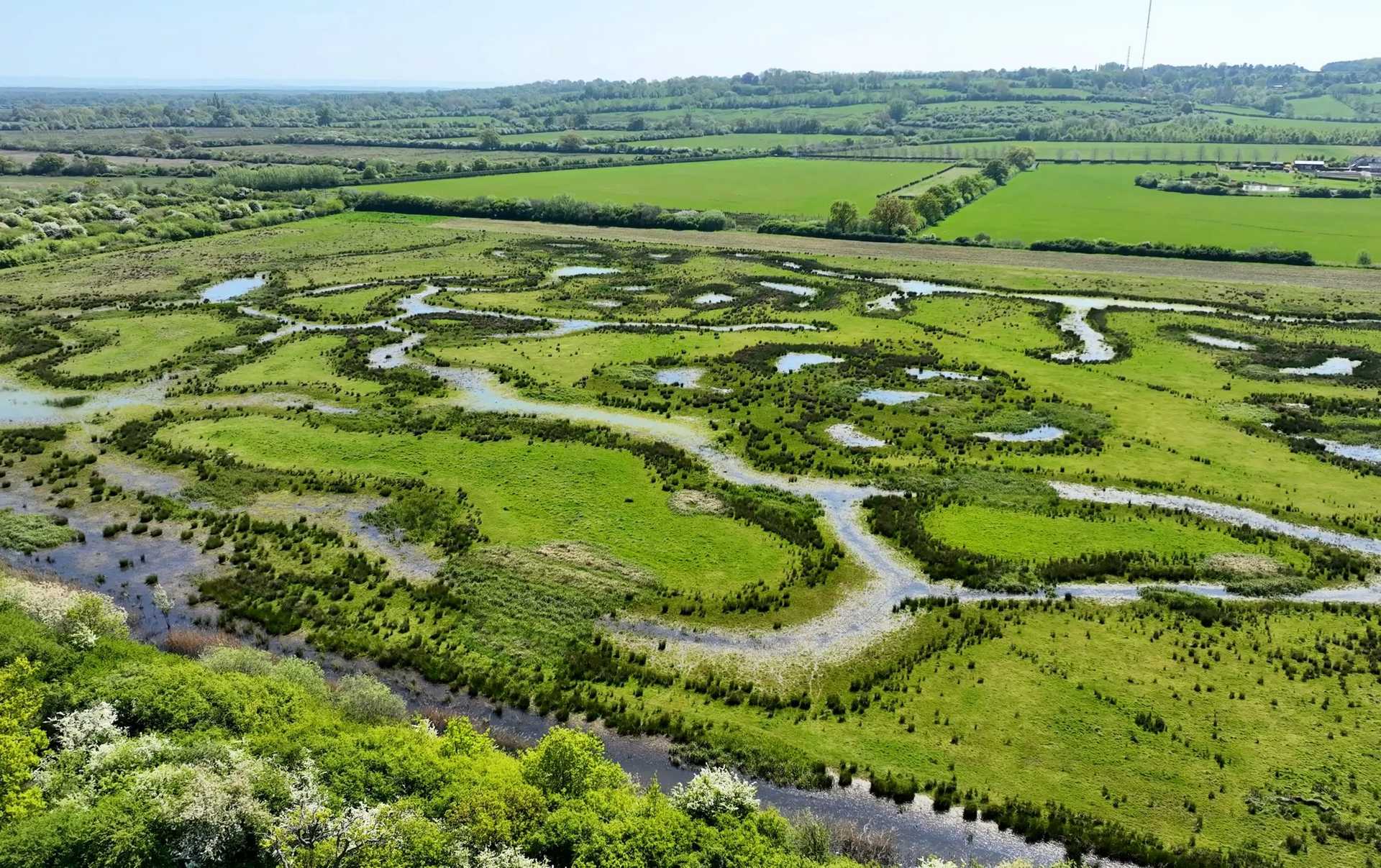
Nature reserves managed by organisations such as the RSPB protect habitats where birds, insects and plants thrive. Wetland areas in particular attract dragonflies, orchids and breeding birds that can be observed from well maintained walking paths.
Otmoor in Oxfordshire is a good example. Managed by the Royal Society for the Protection of Birds, the reserve was created by restoring farmland back into wetland habitats, covering around 485 hectares of marsh, reedbeds and grassland.
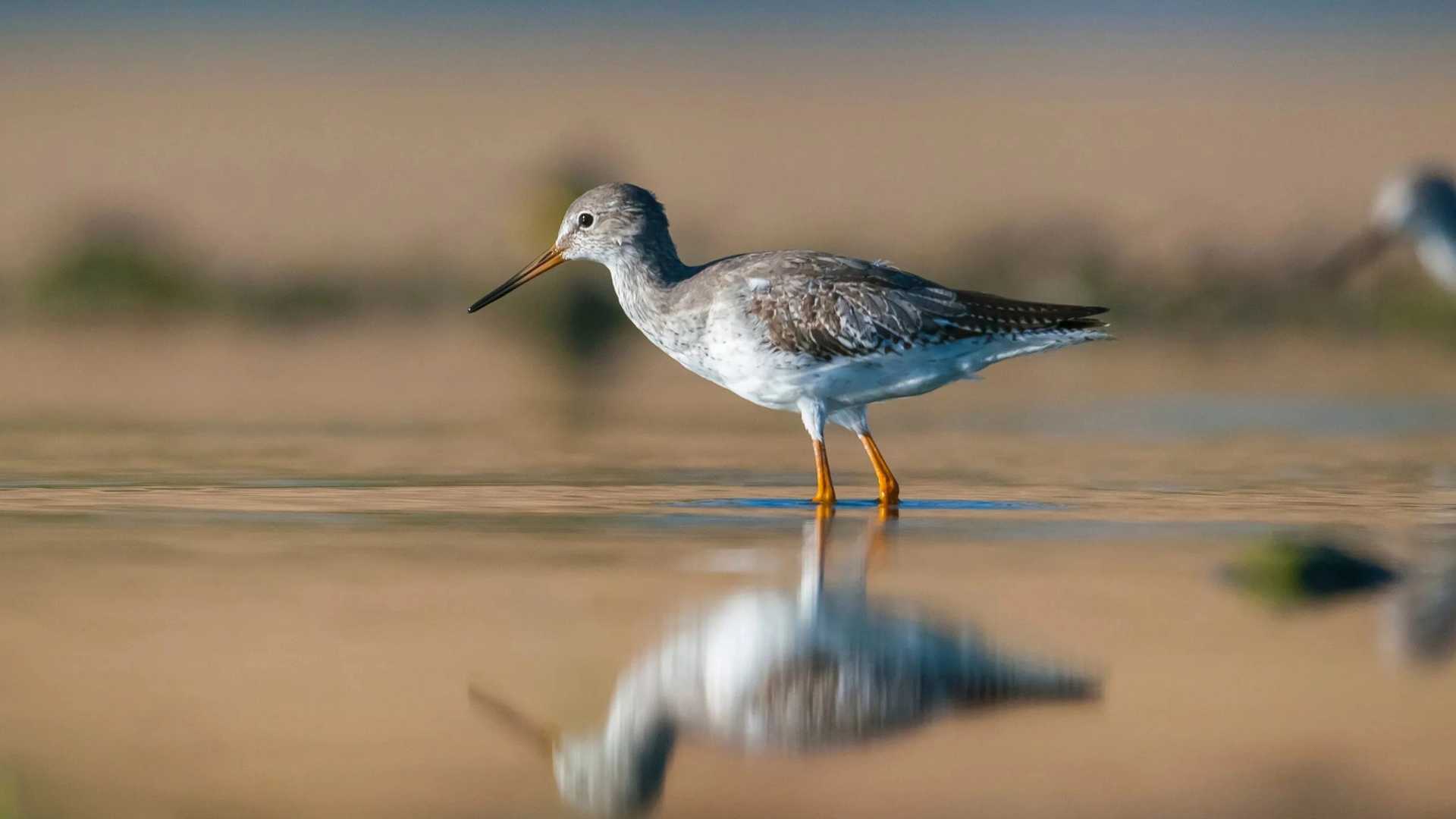
The reserve includes walking trails and bird hides that overlook flooded fields and reedbeds, making it one of the most reliable places in the region to see species such as lapwing, snipe and marsh harriers.
Because these sites are managed specifically for wildlife conservation, paths are clearly marked and facilities are often designed to help visitors enjoy nature without disturbing sensitive habitats.
These quieter landscapes can be ideal for photographers. Dense vegetation and sheltered habitats allow walkers to spend time observing wildlife without disturbing it.
If birdlife is your main interest, this Birdwatching and walking holidays guide explores how walking and birdwatching naturally complement each other.
The Isle of Man offers a distinctive setting for nature holidays in England and the wider British Isles. The entire island has been recognised as a UNESCO Biosphere Reserve, highlighting the balance between protected landscapes, wildlife habitats and local communities.
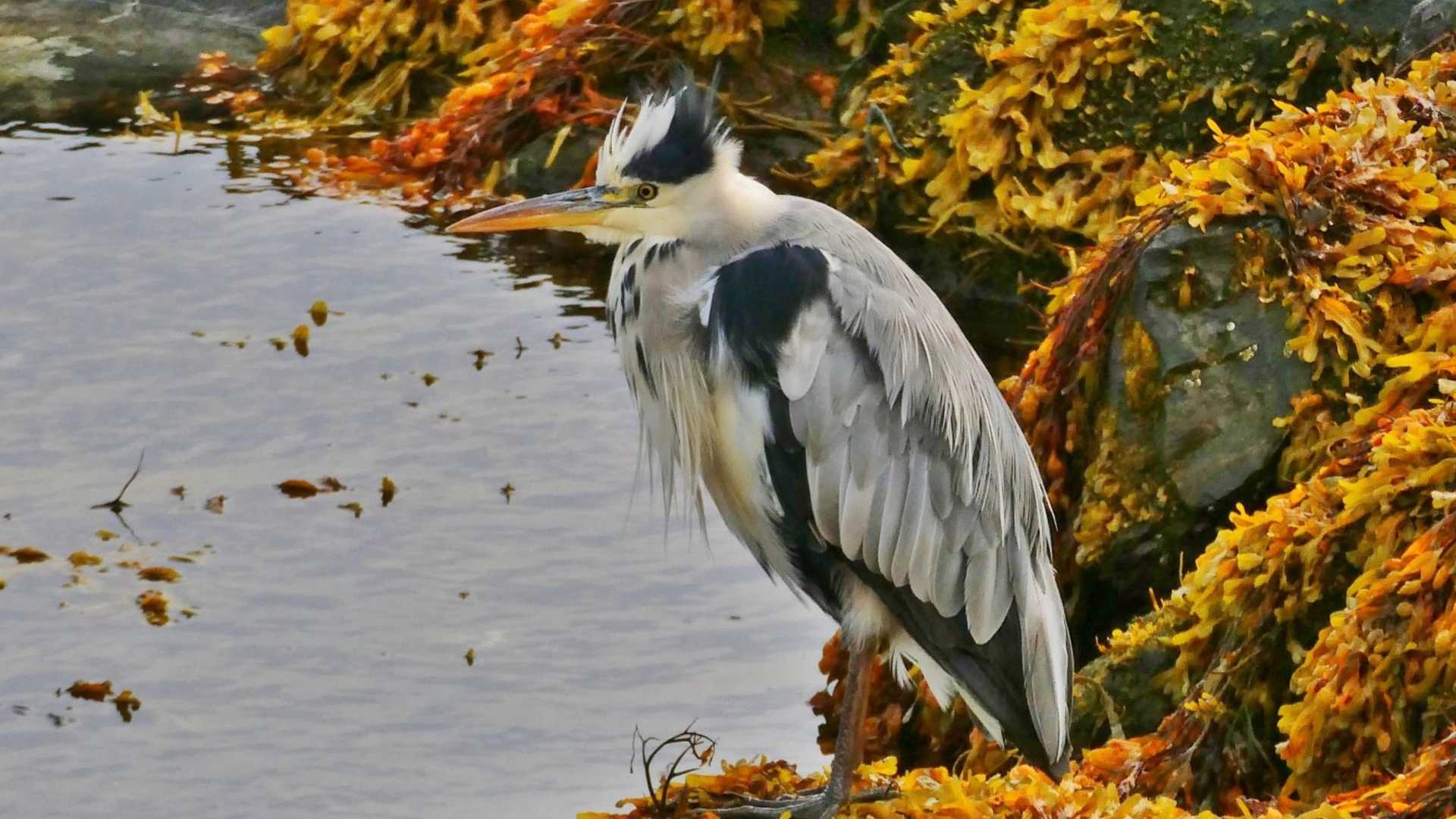
Coastal cliffs, glens and marine environments provide ideal habitats for seabirds, seals and seasonal marine wildlife. Offshore waters are also known for dolphin sightings.
For walkers and photographers, the island’s quieter trails allow time to observe wildlife without heavy visitor numbers. The combination of dramatic coastlines and diverse ecosystems makes it a memorable wildlife holiday destination.
The Shropshire Hills Area of Outstanding Natural Beauty offers rolling heathland and upland landscapes that support distinctive wildlife.
Bird species such as skylarks and curlews thrive in these open habitats, while birds of prey can often be seen circling above the hills. The landscape is also known for its dark skies, which create exceptional conditions for night photography.
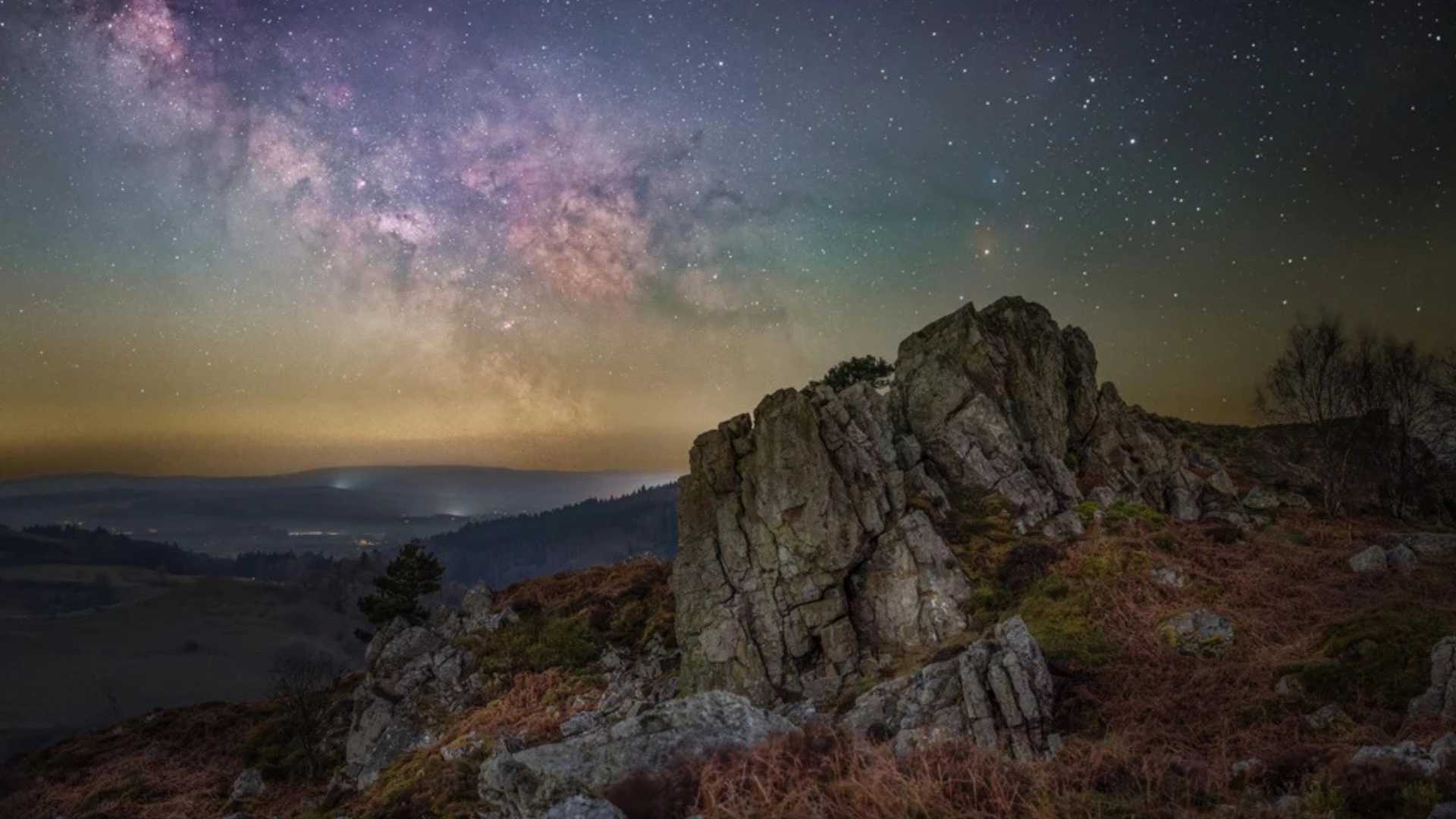
Walking through this landscape provides a quieter alternative to more famous National Parks while still offering excellent wildlife encounters.
Wildlife activity changes throughout the year, so the best time for wildlife watching holidays in the UK often depends on what you hope to see.
Spring brings migrating birds, nesting seabirds and fresh wildflowers along coastal paths. Summer is a strong season for butterflies, insects and marine wildlife.

Autumn is particularly exciting for photographers. Deer begin their rutting season, bird migrations increase and the changing colours of woodland landscapes create striking natural scenes.
During winter months, wetlands and estuaries fill with thousands of visiting waterfowl. These seasonal gatherings create impressive wildlife spectacles for walkers.
Responsible behaviour plays an important role in protecting wildlife habitats.
Keeping a respectful distance from animals, remaining on marked trails and avoiding nesting areas helps protect sensitive ecosystems. Quiet observation also improves your chances of capturing good wildlife photographs.
Many protected landscapes rely on visitors following simple guidelines so that wildlife and walking access can coexist.
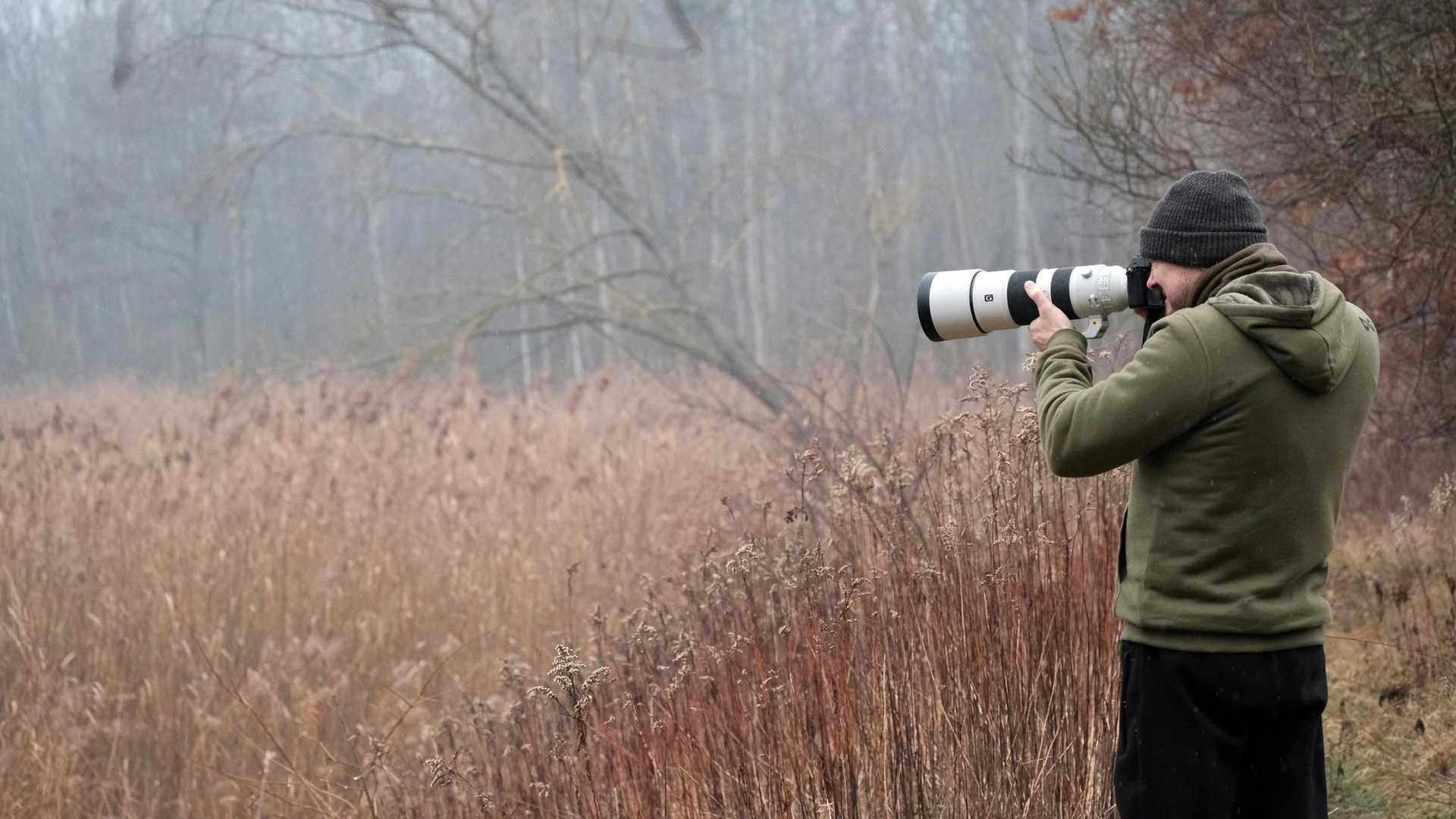
The UK’s walking trails pass through an extraordinary range of natural habitats. From windswept cliffs and coastal marshes to quiet forests and upland valleys, each landscape offers its own wildlife encounters.
For walkers interested in wildlife breaks in the UK or wildlife photography locations, travelling on foot offers the perfect pace. It allows you to experience nature gradually, noticing details and moments that would otherwise pass by.
With thoughtful planning and a little patience, your next walking holiday could become an unforgettable wildlife experience.
Coastal paths such as Pembrokeshire, Norfolk and the Wales Coast Path are particularly reliable thanks to their seabird colonies and marine wildlife. National Parks also provide excellent opportunities for spotting deer and birds of prey.
Spring and autumn are often the most rewarding seasons. Spring brings breeding wildlife and wildflowers, while autumn offers migrating birds and dramatic landscapes.
Keep a respectful distance, avoid disturbing animals and remain on marked paths. Using natural cover and observing quietly often leads to better photographs and a more rewarding wildlife experience.
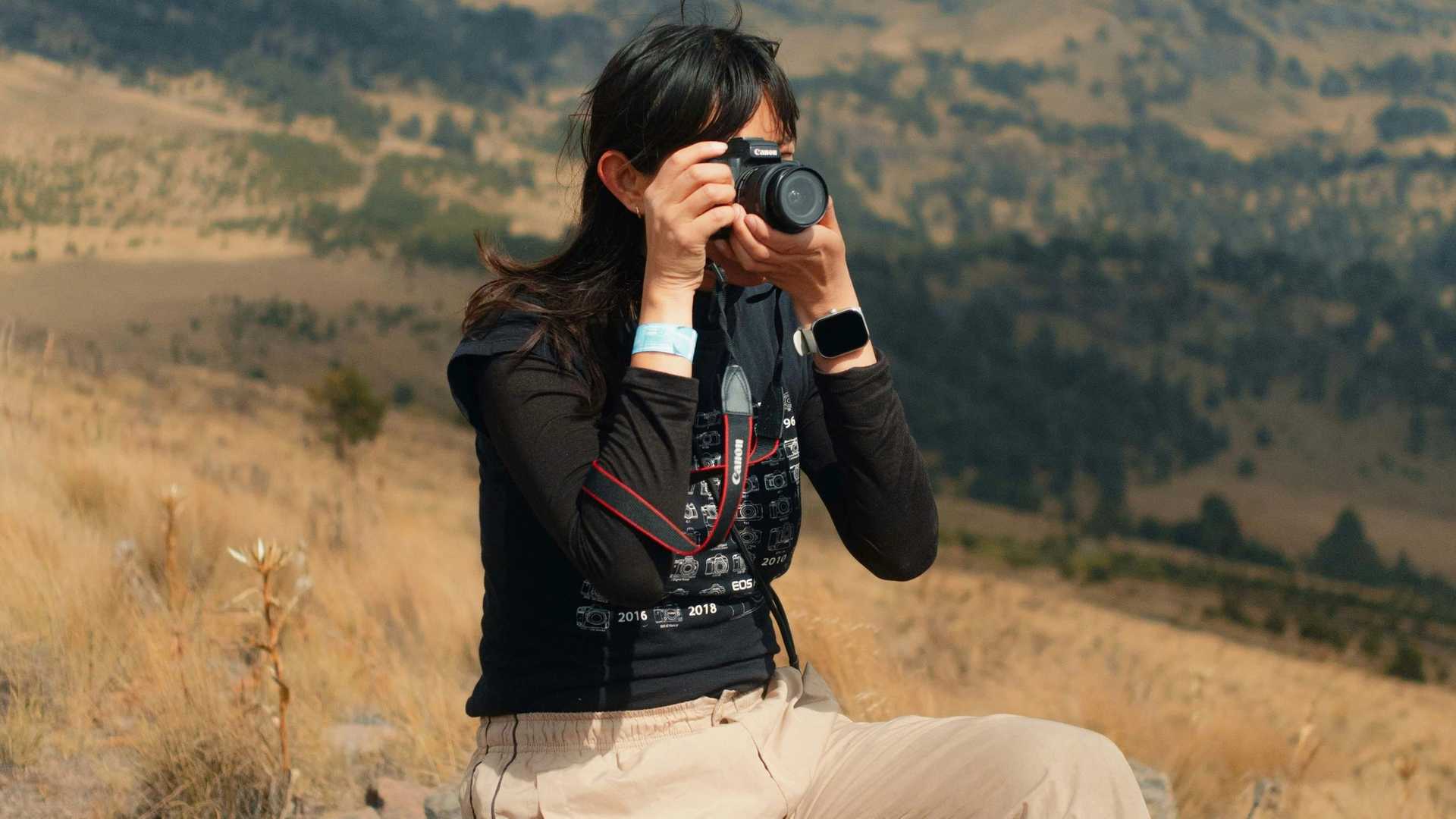
Wildlife photography often works best when you slow your pace and allow time for observation.
Early morning and late afternoon light tends to produce the best results, especially along coastal paths and wetlands. Carrying a lightweight telephoto lens or binoculars can also help you spot wildlife before setting up a shot.
Patience plays a large role in successful wildlife photography locations in the UK. Spending a little longer in one area often leads to the most memorable encounters.