What to Eat on a Walking Holiday: Food & Energy Guide
Carys
Loading content...
Carys
The best food for a walking holiday is simple, familiar food that gives you steady energy, travels well in your day pack, and is easy to eat when the weather turns or the path keeps climbing.
You do not need specialist trail food for most walking holidays. You need a breakfast that lasts, snacks you will actually want to eat, enough water for the stretch ahead, and a clear plan for lunch and dinner.
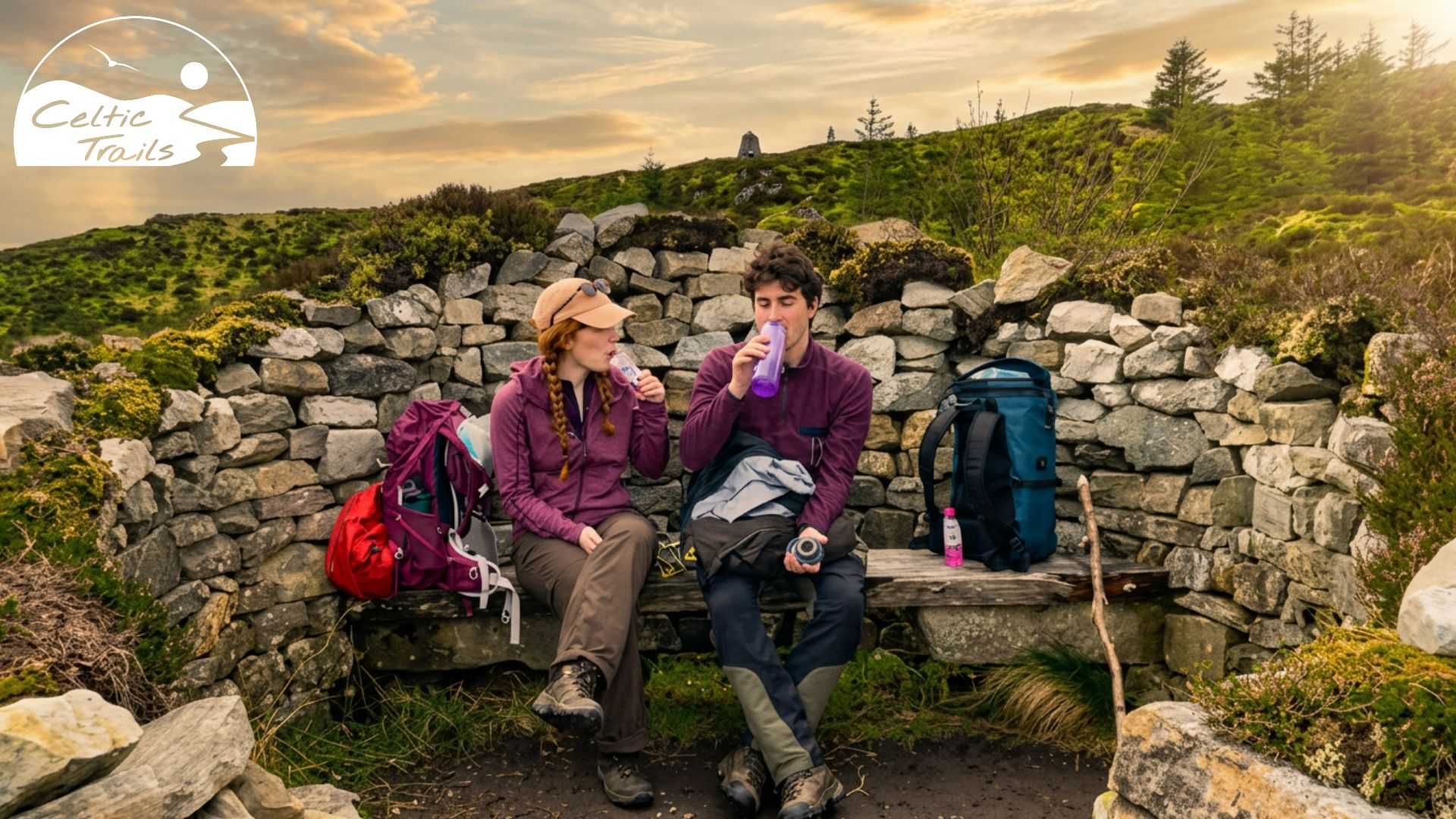
Food becomes part of the rhythm of the day. A small snack before the first climb. Oatcakes or fruit when the morning starts to stretch out. Lunch carried in your pack, ready when you find a sheltered place to stop.
Your lunch plan matters more than the lunch stop. On a Celtic Trails holiday, your Walk Pack advises where to buy provisions for the next morning, often through a packed lunch from the B&B or a local shop before you set off.
The best snacks for hiking usually combine something steady with something quicker. Sweet food has its place, but it works better alongside oats, nuts, cheese, fruit or a sandwich than on its own.
Hydration for hiking depends on the next reliable refill point, not just the total length of the day. Weather, exposure and village stops all change how much water for hiking you should carry.
Food should travel cleanly. Keep anything wet, such as yoghurt, upright and separate, and carry a small rubbish bag for wrappers, fruit peel and any leaky containers.
Dinner is not usually included, but you are not left to work it out when you arrive tired. Your Walk Pack advises where to eat each evening, including in-house options in remote places or suitable places within walking distance.
Walking all day is different from a short weekend stroll. Even at a comfortable pace, your body is working steadily for hours, often over uneven ground, into wind, up lanes, across fields, or along exposed coast path.
Good food helps you keep that steady pace. Poor food choices tend to show themselves late in the day: heavy legs, poor concentration, a headache, or the sudden feeling that the final mile has become much longer than it looked on paper.
Hydration matters in the same quiet way. You may not notice you are short of water until a climb feels harder than it should, or you stop enjoying the view because you are only thinking about the next tap.
This is also where planning makes the walk calmer. Food is one part of preparing for a hiking trip, alongside pacing, footwear, weather and the route itself.
On a self-guided walking holiday, you set the pace. A little thought about food means you can use that freedom well, stopping when the place feels right rather than only when your energy runs low.
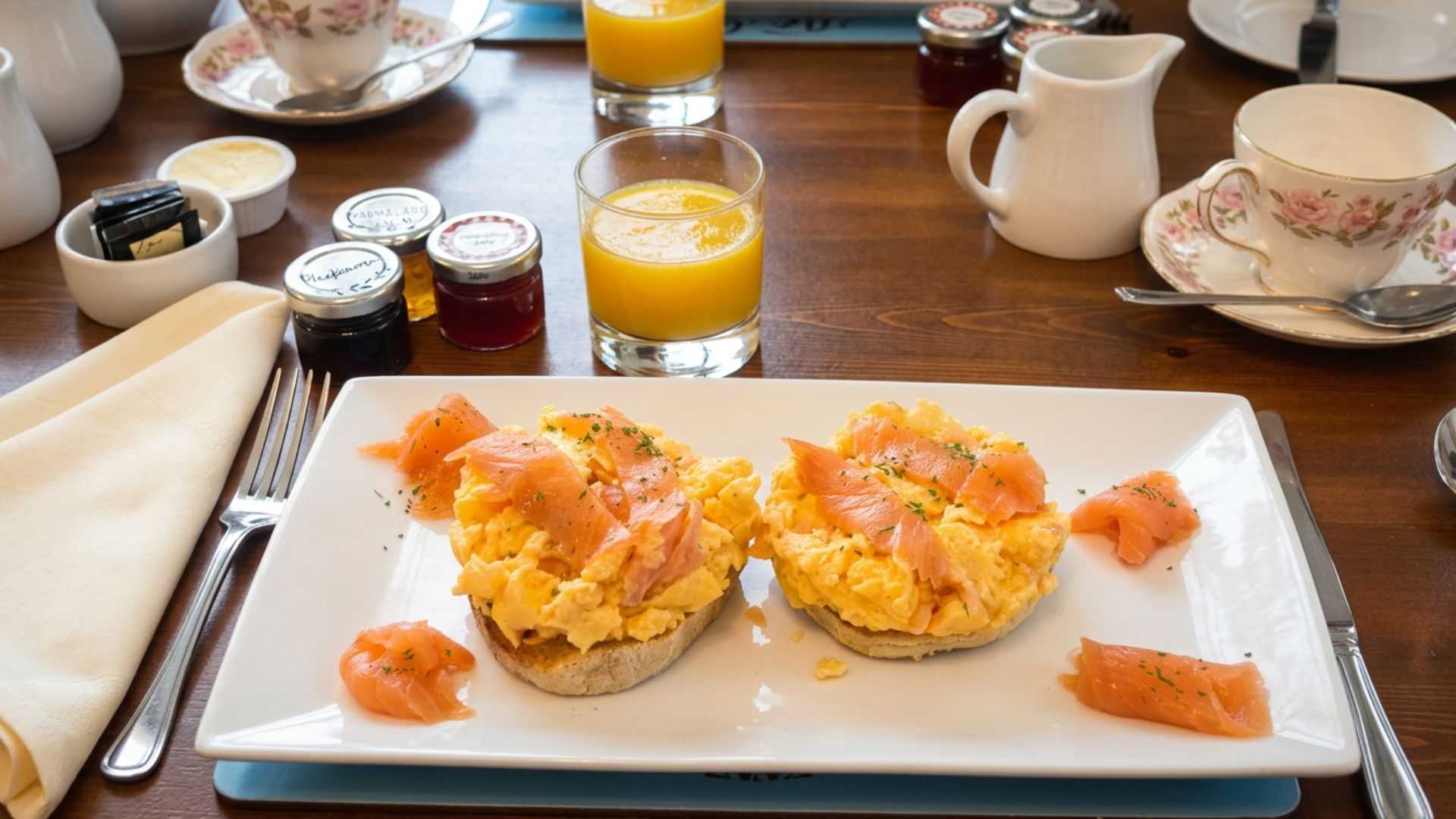
Before a day’s walking, aim for food that feels ordinary and reliable. Breakfast is not the place to try something new.
Porridge, toast, eggs, yoghurt, fruit or a simple cooked breakfast can all work, depending on your appetite and the day ahead. What matters is that breakfast gives you enough to start well without feeling heavy for the first few miles.
If you are setting off early, eat what you can manage and pack something for the first hour or two. Some people walk better after a lighter breakfast, then have a second small bite once the legs have settled.
For what to eat before a hike, think steady rather than large. You want enough food to begin comfortably, not a breakfast you are still noticing on the first climb.
During the walk, keep food close to hand. If your hiking snacks are buried at the bottom of your bag, you are more likely to push on too long.
A few bites before a climb can be more useful than a large lunch just as the path rises. Little and often usually works better than waiting until you are properly hungry.
If you have a medical condition that affects food, hydration, blood sugar or medication timing, follow the advice you have been given by your clinician. A walking holiday should fit your needs, not work against them.
Carbohydrates are your easiest source of walking energy, but they do different jobs.
Some foods release their energy steadily and suit the longer parts of the day: porridge at breakfast, malt loaf in your pack, oatcakes with cheese, or a sandwich eaten before the afternoon stretch. They are not exciting foods, but that is often why they work.
Quicker foods help when you are flagging or the path rises sooner than expected. A banana, dried fruit, a small flapjack or a few sweets can be useful near the end of the day.
The mistake is relying only on quick sugar. It may lift you for a while, then leave you wanting more. Pairing something sweet with something steadier usually feels better over a full day’s walking.
Protein helps your body recover from the day’s effort. You do not need to turn lunch into a training plan, but it is worth including some protein somewhere in the day.
That might be cheese in a sandwich, a boiled egg, hummus in a wrap, nuts, yoghurt, tuna, chicken, beans or lentils. What matters is having some protein in the day, not which food carries it.
Protein is especially useful after the walk. When you reach your accommodation, it is tempting to sit down with tea and not move again. A small snack can help if dinner is still a while away.
Healthy fats are useful on a walking holiday because they keep you satisfied. Nuts, seeds, nut butter, cheese and oily fish are good examples.
They are also compact, which matters when you are thinking about what food to pack for hiking. A small bag of nuts can be more useful than a bulky snack that disappears in ten minutes.
As with everything else, keep it familiar. Rich food can feel very different halfway up a hill than it did at the breakfast table.
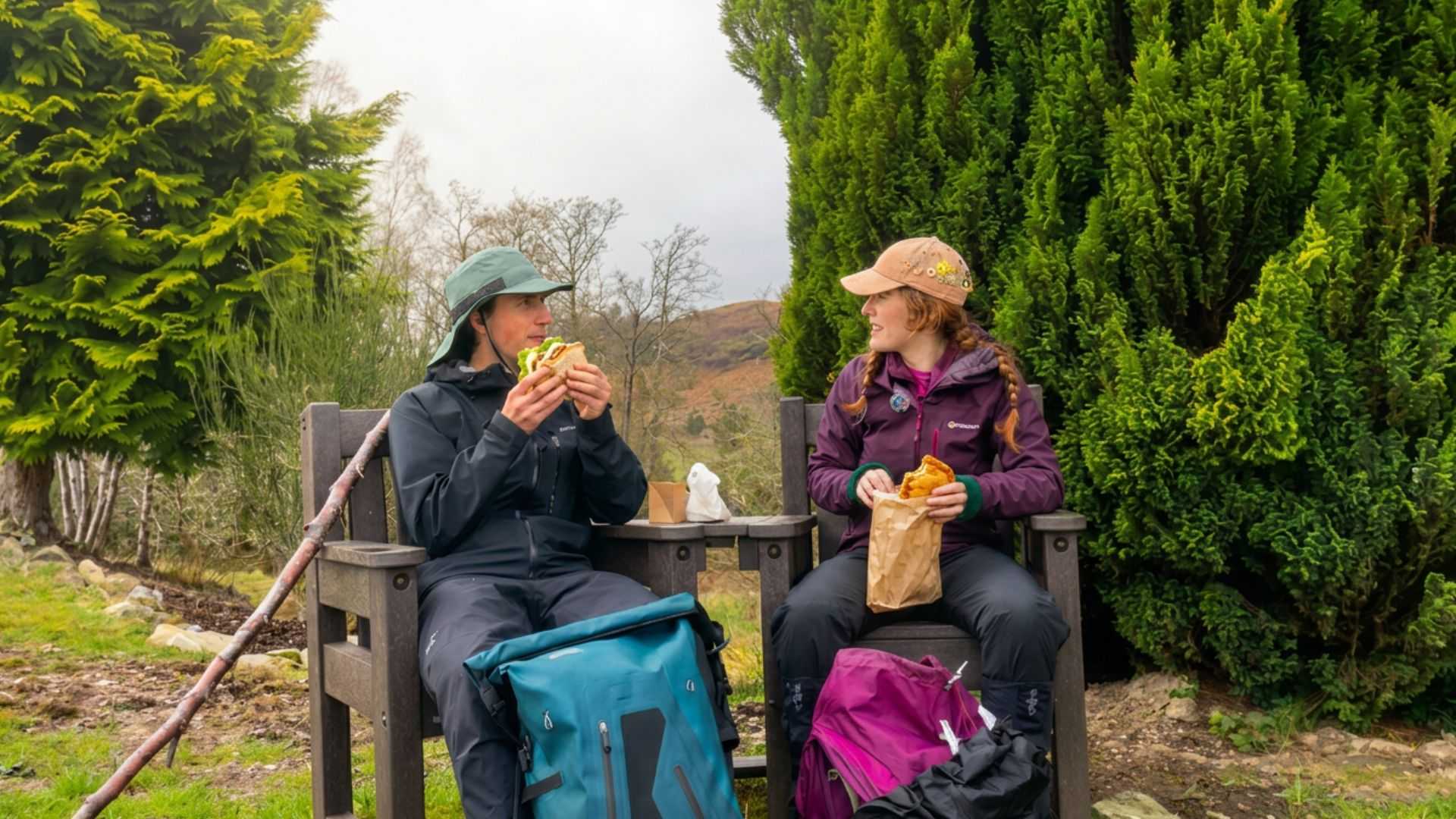
On a walking holiday, lunch is not always best left to chance. A village on the map may have a pub, but it may not open until later. A café may be closed that day. Sometimes the best place to stop is not a planned lunch stop at all, but a sheltered wall, a field edge, or a bench with a view back along the path.
Your Celtic Trails Walk Pack includes information on where to buy lunch provisions for the next morning. Often that means ordering a packed lunch from your B&B, or calling at a local shop in the village before you set off.
There is a particular kind of calm in knowing lunch is already in your bag. It lets you pause where the day naturally allows, rather than walking hungry towards one particular stop and hoping it is open.
This is especially useful on quieter routes, out of season, or in remote areas where food stops are limited. It also makes the day feel less rushed. You can stop when your legs, the weather and the path all suggest it is time.
The best food for hiking is food that does its job without needing much attention. It should be easy to reach, easy to eat, and able to survive a day in your pack.
Useful food to bring on a hike might include oatcakes or crackers with cheese, trail mix, fruit, malt loaf, flapjacks, peanut butter sandwiches, wraps, boiled eggs, dried fruit, or a small salty snack for warm days.
Try not to pack only sweet food. It may look appealing in the shop, but after several hours of walking you may want something plain and salty.
Think about mess, too. Sandwiches, wraps, oatcakes, fruit, cheese, nuts, boiled eggs and flapjacks usually cope well in a day pack. Anything wet or easily split, such as yoghurt, should be kept upright in a sealed container or a separate bag.
A small rubbish bag is worth carrying every day. It keeps wrappers, fruit peel, used tissues and leaky containers away from your spare layers and route notes, and it means you can take everything with you until you reach a bin.
Leave the place as you found it. Take every scrap of packaging away, and be careful with food waste around livestock, wildlife and field edges.
If you have dietary requirements, pack at least one safe backup snack each day. Rural shops can be limited, and café opening times are not always as generous as you hope.
On a Celtic Trails walking holiday, your luggage is moved between accommodations as standard, so your day pack can stay focused on what you need for the path: water, waterproofs, layers, lunch, snacks and the day’s route information.
Hydration for hiking is less about a fixed number and more about the day in front of you. A cool, gentle stage through villages is different from a long, exposed day with no obvious refill point.
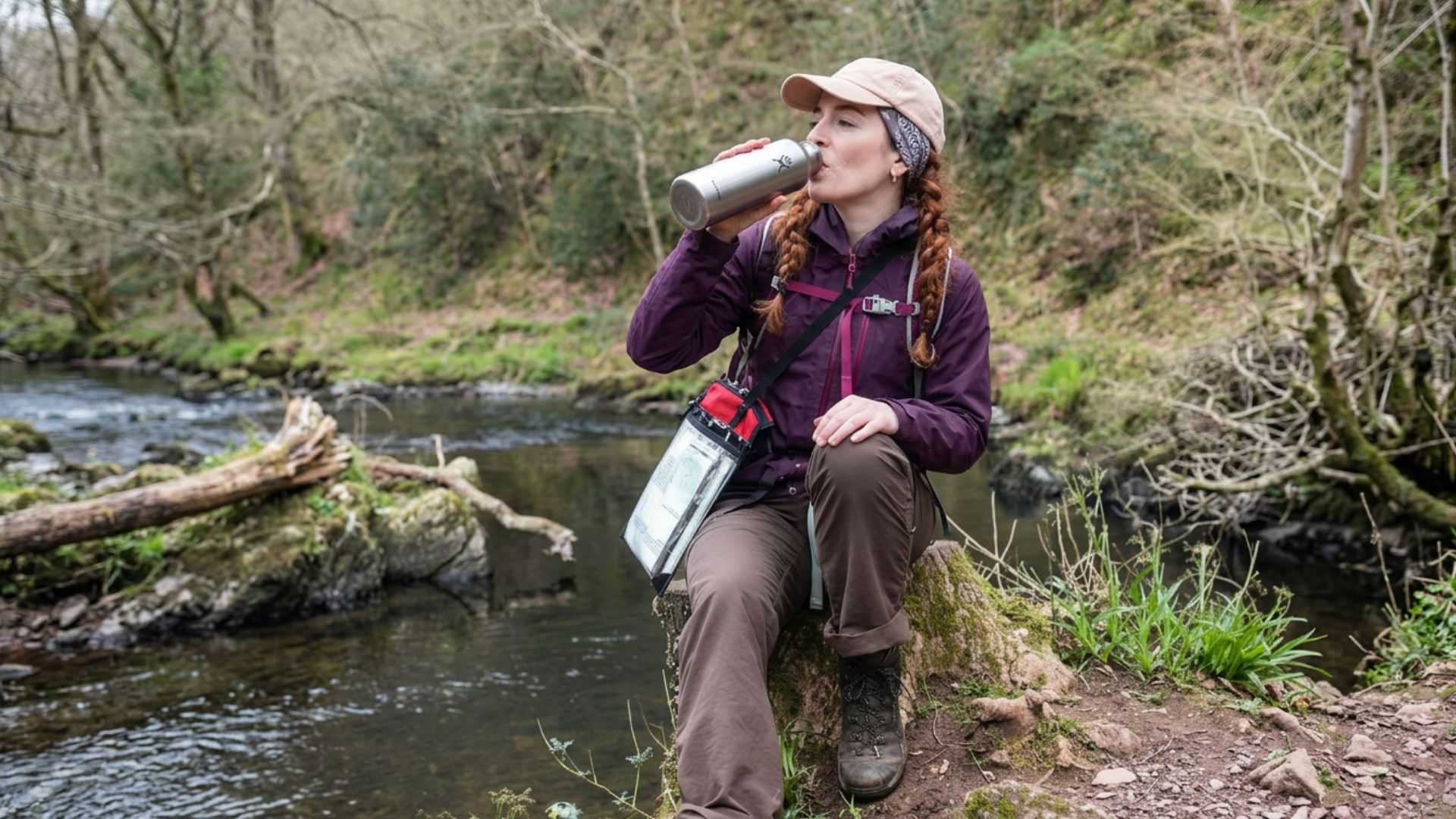
Start with water in your bag, not just a plan to buy some later. For many day walks, a full bottle or two is sensible, then you can top up when you pass a reliable stop. In hot weather, on exposed ground, or where cafés and shops are uncertain, carry more than feels just enough.
Drink before you feel properly thirsty. Small, regular sips tend to work better than waiting for a long stop and drinking a large amount at once.
Electrolytes can help on warm days, especially if you sweat heavily or find water alone does not seem to settle you. You do not need to overthink it. A soluble tablet, a salty snack, soup at lunch, or a meal with a little salt can all help replace what you lose.
Refill planning is part of the morning routine. Look at the day’s route and ask: where is the first reliable place for water? Is there a café? A shop? Is it likely to be open when you pass?
This matters most on walking holidays in summer, when shade, water and pacing become part of the same decision. There is no prize for pushing on when you would enjoy the day more after ten minutes in the shade.
Food, water and footwear tend to decide how comfortable the day feels. If you are still choosing what to walk in, our guide to the best walking shoes and trainers may help you avoid sore feet by the second morning.
After a long walk, your body usually wants more than another snack. A good recovery meal should feel substantial without sitting too heavily.
Good recovery food can be very ordinary: fish and potatoes, pasta, chicken with rice, bean chilli, soup with bread, an omelette, or a simple pub meal.
Try not to leave it too long if the next day is another walking day. If dinner is later, have something small first: yoghurt, nuts, a cheese sandwich, a banana, or a bowl of soup if it is available.
Breakfast is included each morning on a Celtic Trails walking holiday. Dinner is not usually included, but you are not left to work it out at the end of a long day. Your Walk Pack advises where to eat each evening, whether that means an in-house meal in a remote place or a few suitable options within walking distance.
This is one of the quiet benefits of a well-planned self-guided holiday. You still have the independence of walking at your own pace, but you are not searching for food when you are tired, damp or ready to take your boots off.
The most common mistake is under-eating early in the day. You feel fine at breakfast, the first miles pass easily, then the afternoon arrives and every stile feels like work.
Another mistake is treating lunch as the only proper food stop. On a long stage, smaller snacks through the morning and afternoon often work better than one large pause.
Relying only on sugary snacks is a common one too. Sweet food is useful, but it should not be the whole plan. Mix it with steadier food so your energy does not rise and fall too sharply.
Poor hydration often starts before the walk. If you leave breakfast already a little dry, the first climb may tell you. Drink in the morning and keep water easy to reach.
Some people forget to plan food stops properly. A promising village may have a café that closes early, a shop that shuts for the afternoon, or nothing open on the day you pass through.
Forgetting about rubbish can also make the day less pleasant. A yoghurt pot, banana skin or sticky wrapper can make a surprising mess in a warm rucksack. Pack a small rubbish bag, keep wet items separate, and take all food waste and packaging away with you.
Finally, avoid trying new hiking meals on a long walking day. A bar that looks sensible at home may be too sweet, too dry, or too rich when you are tired. Test new food on shorter walks first.
The health benefits of walking are easier to enjoy when your body is fed, watered and not fighting the day.
Eat before you feel empty. On longer walking days, a small snack every couple of hours often works better than waiting for one large lunch.
Your appetite may change with weather and terrain. Cold, windy days can make you hungry sooner. Hot days can reduce your appetite, even though you still need energy.
Keep one snack in a pocket or the top of your bag. If it is easy to reach, you are more likely to eat at the right time.
The best snacks for a walking holiday are familiar, practical and balanced. Oatcakes, nuts, dried fruit, bananas, malt loaf, flapjacks, cheese, boiled eggs, wraps and peanut butter sandwiches all work well.
For the best snacks for hiking, think in pairs: something steady plus something quick. Oatcakes and cheese. Nuts and dried fruit. A banana and a handful of peanuts. A sandwich and a small sweet snack for later.
Choose food that suits the route too. On a coast path in wind, you may want snacks you can eat quickly with cold hands. On a village-to-village day, you may be able to carry less and buy lunch on the way, as long as you have checked the likely stops.
How much water for hiking depends on the weather, terrain, distance and refill points. Carry enough water to reach the next reliable refill point comfortably, with a margin for delays, heat and harder ground.
For many walks, that means leaving with a full bottle or two and topping up when you can. On hot, exposed days, or on routes with long gaps between villages, you will usually need more.
Do not rely only on how thirsty you feel. Sip regularly, look ahead for refill points, and carry extra when the day is warm or uncertain.
Food on a walking holiday does not need to be technical. It needs to be thought through.
Eat a breakfast that lasts. Pack snacks you like. Carry water with the day’s route in mind. Know where tomorrow’s lunch is coming from before you set off.
Then the food becomes part of the walk itself: a pause by a gate, lunch out of the wind, tea at the end of the day, dinner when your boots are finally off.
If that kind of day sounds within reach, our guide to beginner walking holidays is a good next step. When you are ready to look at dates and route options, Celtic Trails will prepare a personalised estimate first, with no commitment.