Walking in Summer Heat: How to Stay Safe on Hot-Weather Holidays
Carys
Loading content...
Carys
Summer can be one of the best times of year for a walking holiday. The long daylight hours give you more flexibility on the trail, there is usually less chance of prolonged wet weather, and clear days can bring some of the best views of the year.
That said, hot weather requires a little extra planning. Whether you are walking along a coastal path, crossing open moorland, or following a long-distance trail through the countryside, sunshine and higher temperatures can take more out of you than you expect.
The good news is that staying safe in the heat is usually straightforward. With sensible clothing, regular hydration, realistic pacing and an awareness of the warning signs of overheating, most walkers can continue to enjoy their holiday comfortably, even during periods of sustained heat.
This guide covers what you need to know before setting out, from choosing the right clothing to recognising when it is time to slow down and take a break.
Walking generates body heat, even at a comfortable pace. On warm days, your body has to work harder to keep itself cool, particularly on exposed sections of trail where there is little shade.
How challenging a walk feels depends on the conditions rather than the season itself. A cool, breezy day on the coast may feel completely different to a still afternoon on an exposed inland trail. What matters is recognising when temperatures are higher than you are used to and adjusting your plans accordingly.
That may mean carrying more water, taking longer breaks, choosing a shaded lunch stop, or setting off a little earlier than usual. Small adjustments often make a significant difference to both comfort and enjoyment.
During periods of sustained heat, even experienced walkers may find climbs and longer days more demanding than usual. Slowing your pace and allowing extra time is a sensible adjustment, not a sign that something is wrong.
One of the most common mistakes on hot-weather holidays is treating a warm day exactly as you would a cool one. A slightly earlier start, a longer lunch stop and a more relaxed pace are often enough to make the day far more enjoyable.
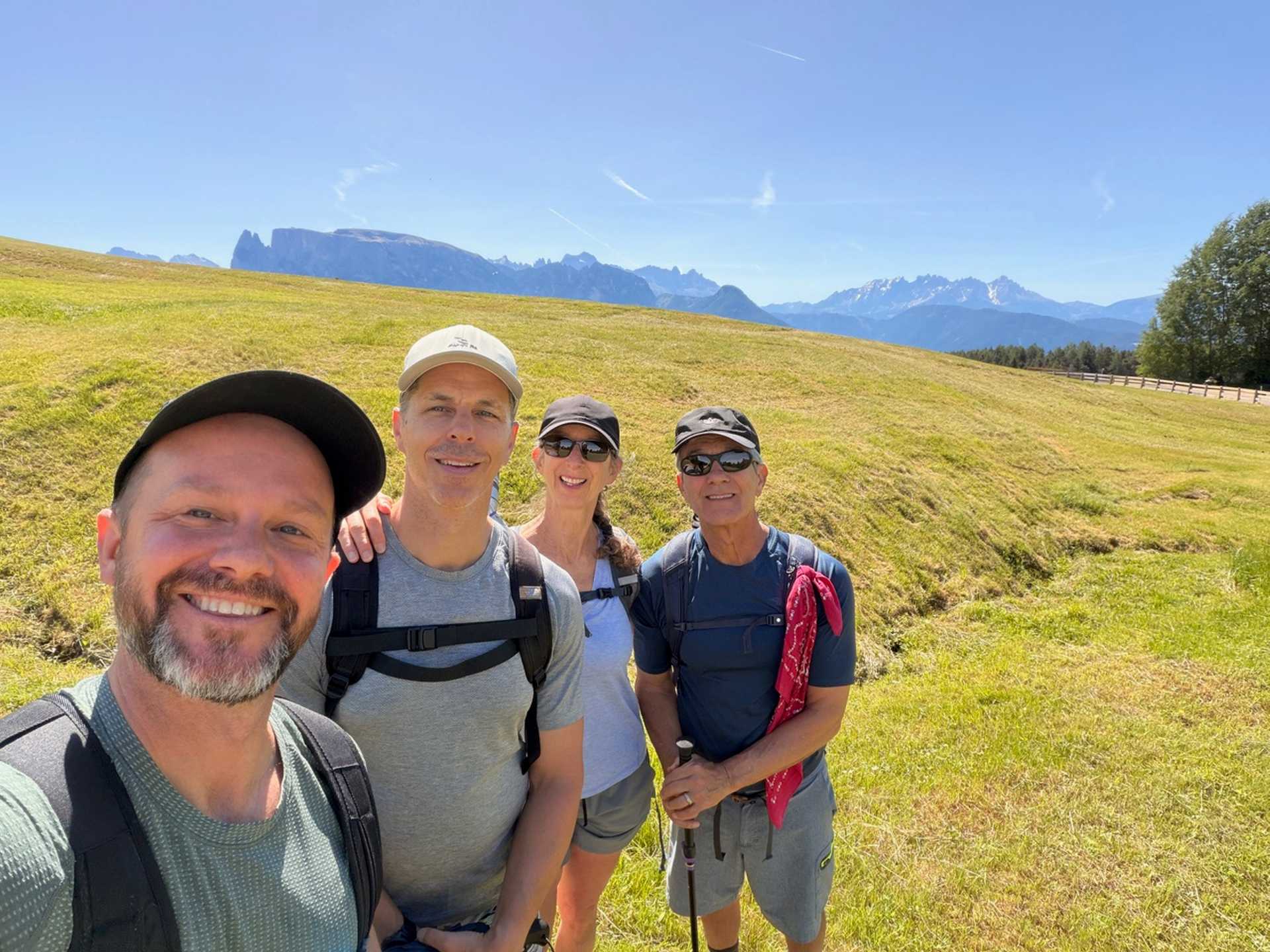
The instinct to wear as little as possible in the heat is understandable, but lightweight coverage often works better than exposed skin in direct sunshine.
Look for breathable fabrics that wick moisture away from the skin and dry quickly. Technical walking clothing and lightweight merino wool are both good choices. Cotton can be comfortable for short walks but tends to hold moisture and can feel heavy once damp.
Lighter colours generally reflect more heat than darker shades and can feel more comfortable on sunny days.
A few items worth considering:
Comfort, breathability and sun protection are the priorities. The exact combination will depend on the route and the forecast.
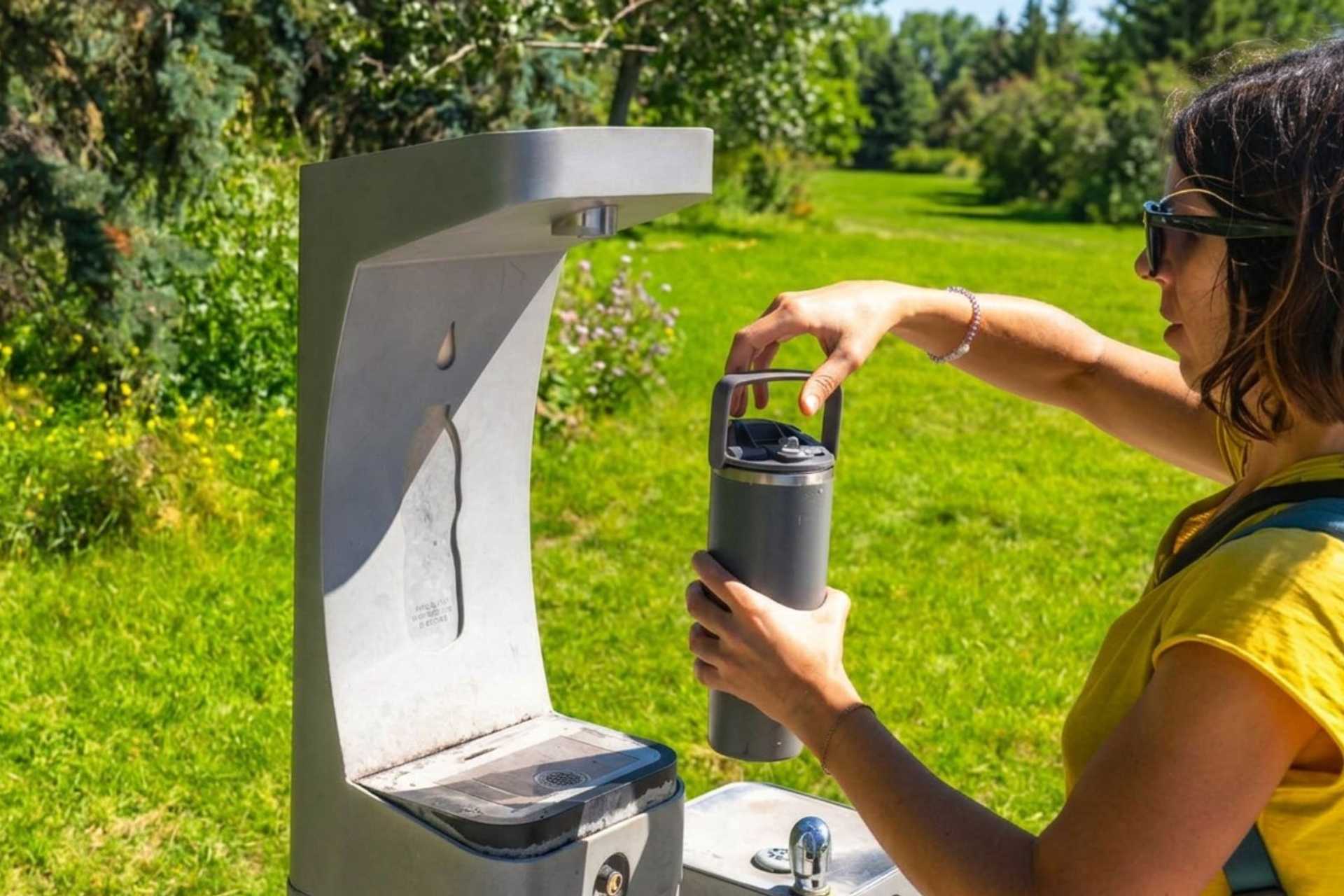
Hydration is one of the most important aspects of walking safely in hot weather.
Try to start the day well hydrated and drink regularly throughout your walk. Waiting until you feel thirsty often means you are already playing catch-up because thirst lags behind your body’s actual need for fluid.
How much water you will need depends on temperature, distance, terrain, pace and how exposed the route is. On cooler days you may need surprisingly little extra. During hotter spells, particularly on exposed routes, you may need significantly more than usual.
In hot weather, running out of water is one of the most common avoidable mistakes. If you are unsure how much you will need, err on the side of caution and carry extra.
Many walkers find it easier to drink little and often rather than consuming large amounts at infrequent intervals. On Celtic Trails routes, your walk notes indicate where villages, cafés and pubs fall along the route, which can be useful when planning how much water to carry.
During longer walks in warm conditions, you lose salts as well as water through sweat.
For many walkers, regular food and snacks will replace much of what is lost. On particularly hot days or longer walks, electrolyte tablets or powders can be a useful addition to your kit. They can help with energy levels and reduce the likelihood of headaches or cramping in sustained heat.
They are not essential for every walk, but worth having on a long exposed day.
Most walkers think about distance and difficulty when planning a day’s route. In hot weather, it is also worth considering exposure.
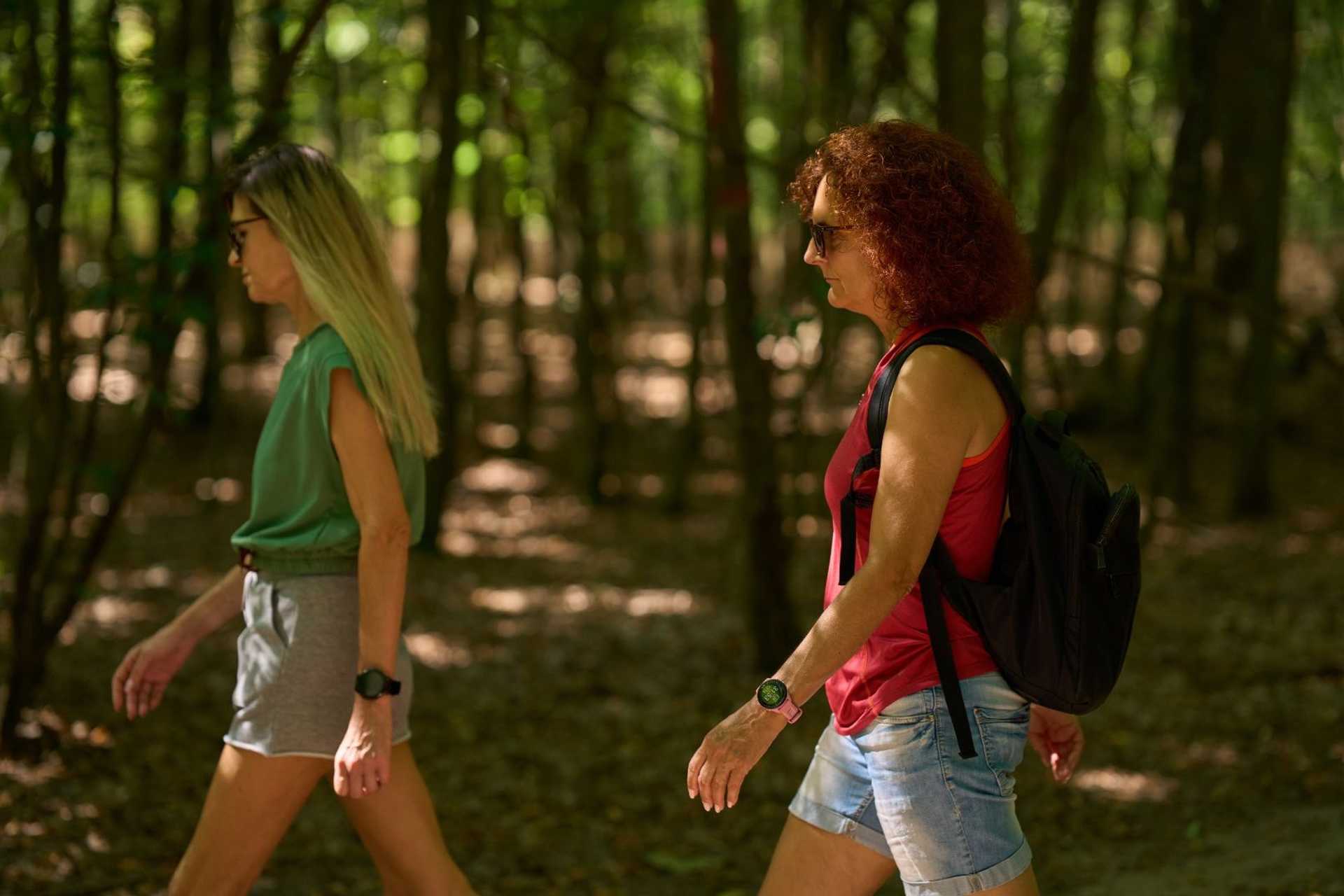
Open coastlines, ridgelines and moorland can become surprisingly warm on still days, particularly where there is little shade available. Woodland paths, river valleys and sheltered countryside often provide cooler conditions and more opportunities to rest out of direct sun.
One advantage of a self-guided walking holiday is flexibility. If particularly hot weather is forecast, you can often start earlier, take a longer lunch break, or spend more time at a café or pub stop before continuing later in the day when temperatures begin to drop.
If you have recently arrived from a cooler climate, consider giving yourself a day or two to adjust before tackling your most demanding walks. Heat often feels more tiring when you have not experienced it for a while.
Most heat-related problems do not appear suddenly. More often, walkers notice they are working harder than usual, drinking more than expected, or looking forward to the next patch of shade more than normal.
If something feels harder than it should, pay attention. Taking a short break early is often enough to prevent a more serious problem later in the day.
Listening to your body and adjusting your plans accordingly is one of the simplest and most effective ways to stay safe in hot weather.
Sun protection matters as much as hydration on a hot day’s walk.
Use sunscreen with an appropriate SPF for your skin type and the conditions. Apply before setting out and reapply at least every two hours, or more often if you are sweating heavily.
Commonly forgotten areas include the ears, the back of the neck and the tops of your feet if they are exposed.
A hat and sunglasses can make a remarkable difference to comfort on bright days, especially on open routes where there is little natural shade for miles at a stretch.
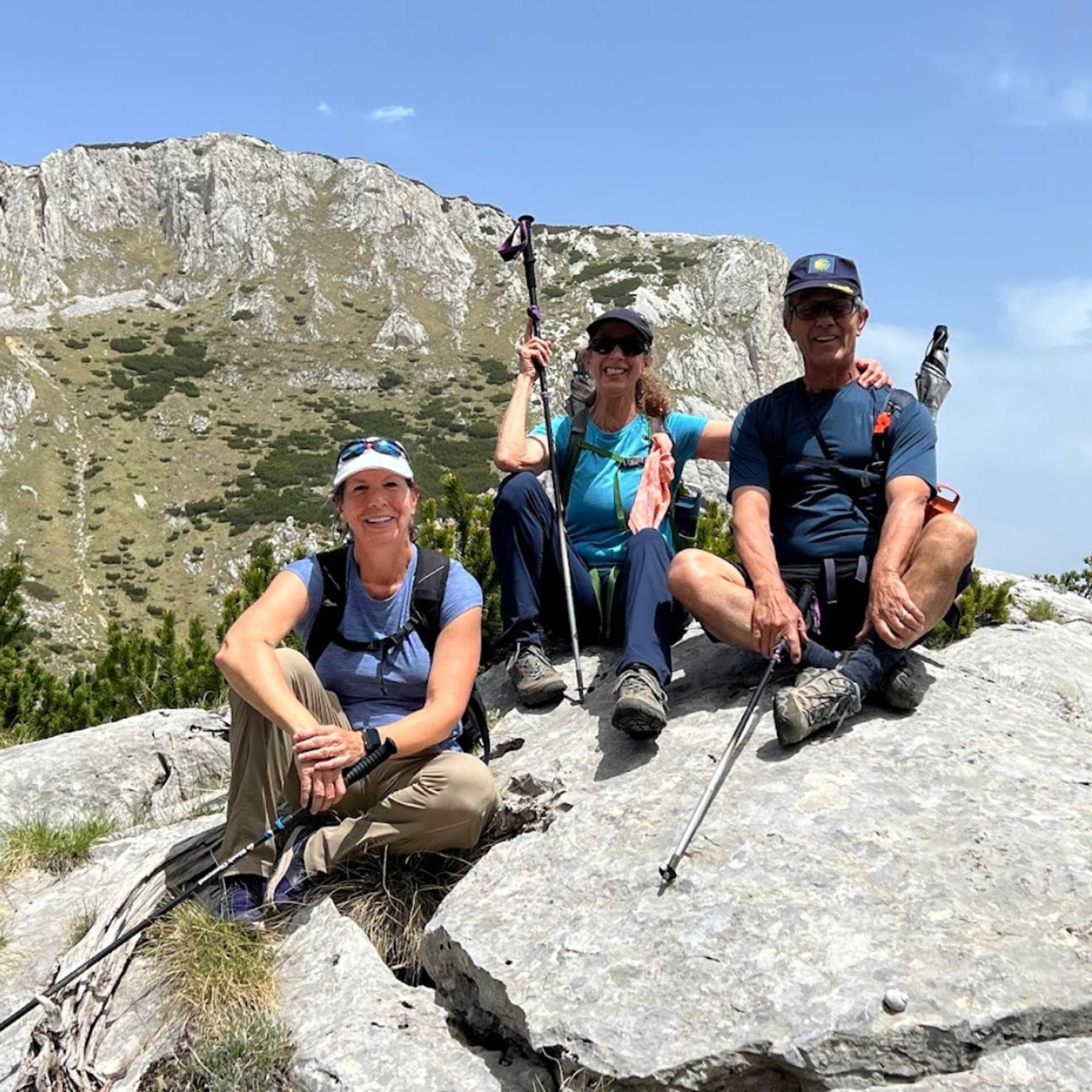
Heat exhaustion and heatstroke are different conditions, and the distinction matters.
Heat exhaustion develops gradually when your body struggles to cool itself. Common signs include excessive sweating, dizziness or light-headedness, headache, nausea, fatigue out of proportion to your effort, muscle cramps, and feeling weak or unsteady.
If you notice these symptoms, act early. Heat exhaustion is much easier to manage when caught quickly. Move into shade, rest, remove unnecessary layers and drink water steadily. Most people recover well once they have had time to cool down properly.
Heatstroke is far more serious and requires immediate medical attention. Warning signs include confusion or unusual behaviour, difficulty speaking clearly, very hot skin, a lack of sweating despite the heat, and loss of consciousness.
If you suspect heatstroke, call 999 immediately. While waiting for help, move the person into shade, cool them as much as possible and stay with them.
If you are uncertain which condition you are dealing with, treat it as heatstroke and call for help.
If the heat starts to catch up with you, stop before it becomes a bigger problem.
Find shade if possible, sit down, remove your backpack and loosen any unnecessary layers. Drink water steadily rather than all at once. A cool, damp buff or cloth around the neck and wrists can help bring your temperature down more quickly.
Most importantly, give yourself time to recover properly before continuing. There is no prize for pushing on when your body is telling you to slow down, and returning to hard walking too soon is how a manageable situation becomes a more serious one.
Continue drinking fluids through the afternoon and evening, and eat a proper meal to replace the energy used during the day. A meal with some natural salt content helps restore what was lost through sweat.
If you are walking for several consecutive days, taking care of yourself each evening becomes even more important. Small efforts to recover well, such as rehydrating properly, eating enough and sleeping in a cool room, can make a noticeable difference to how you feel the following morning.
Yes, provided you are prepared and adjust your plans to suit the conditions. Most problems arise when walkers underestimate how much the heat will affect them.
Lightweight, breathable clothing, comfortable footwear, a wide-brimmed hat and sunglasses. A long-sleeved shirt in a technical fabric often provides better protection than bare arms on a full day in direct sun.
Drink regularly, take breaks when needed, seek out shade where it is available and consider starting earlier on particularly warm days.
Sometimes, yes. Starting earlier, taking longer breaks or reducing your pace can make a walk far more enjoyable without detracting from the experience.
In many cases, yes. The key is adapting to the conditions, listening to your body and being realistic about what is comfortable. A little flexibility goes a long way towards making hot-weather walking both safe and enjoyable.
Heat exhaustion is serious but manageable. Rest, shade and water will often resolve it. Heatstroke is a medical emergency. The body’s cooling system has failed and you need to call 999.
Hot weather does not have to stop you enjoying a walking holiday. With sensible preparation, a little flexibility and an understanding of your own limits, some of the most memorable days on the trail can happen during the warmest weather.
If you are planning a walking holiday during the warmer months and would like advice on choosing the right route, take a look at our Alternative Summer Walks for inspiration, or get in touch with the team for recommendations.