Solo Walking Holidays in the UK And Europe | Celtic Trails
Christina
Loading content...
Christina
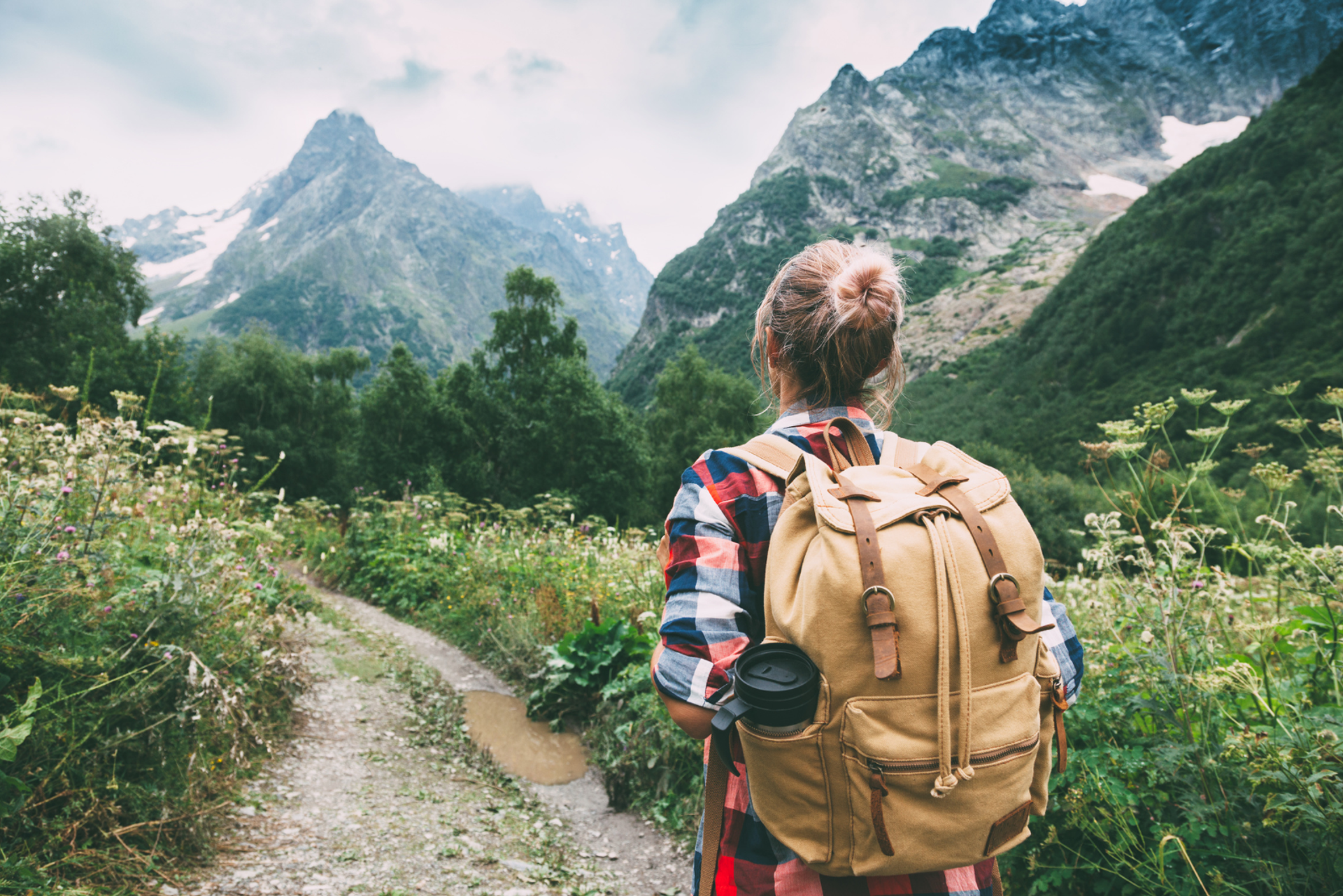
Walking alone is not one kind of holiday.
You might want a few days when nobody else decides when to start, when to stop or how long to sit with a view. You might enjoy your own company during the day but still want people around in the evening. Perhaps you are taking your first holiday alone, despite having walked for years. Or there may be a particular reason you want to make this journey by yourself.
That distinction matters. The best solo walking holiday is not necessarily the easiest one. It is the walk that gives you the amount of company, quiet and challenge you are looking for.
If you already know you want to travel independently, our walking holidays for solo travellers page brings together some of the routes we particularly recommend.
There is a different rhythm to a walking day when it belongs entirely to you.
You can leave after an early breakfast or linger over another cup of coffee. If a headland deserves ten minutes, you can give it ten. If the weather closes in and you want to keep moving, there is nobody else to persuade.
For some people, that freedom is the whole appeal.
For others, it is the quiet. There is a particular pleasure in settling into your own pace and realising that you have gone an hour without speaking to anyone.
But solo walking does not have to mean seeking complete solitude. On an established long-distance trail you may keep crossing paths with the same walkers, talk over breakfast, or recognise people when you reach the next village. You can have company without having a group.
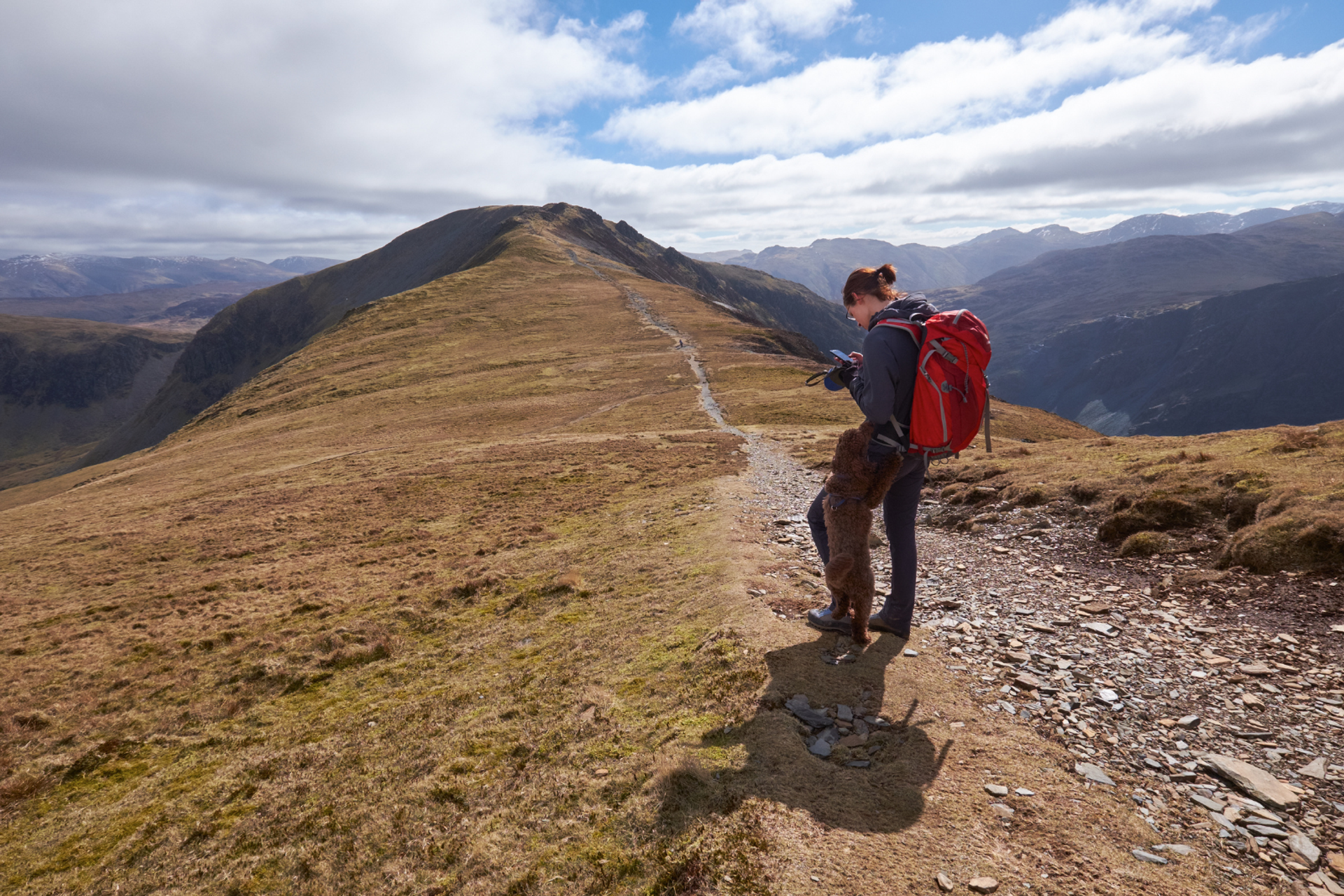
Someone can have years of hillwalking behind them and still feel uncertain about taking a whole holiday alone for the first time.
The walking itself may be familiar. What is new is making each decision yourself, arriving at accommodation alone and knowing there is no companion automatically sharing the problem if the weather turns.
In that situation, a well-established trail can be reassuring without being undemanding.
The Hadrian’s Wall Path has a clear sense of journey and plenty to occupy the day beyond the miles themselves. The West Highland Way is more physically demanding in places, but its popularity means there is often a natural trail community around you.
Neither should be thought of as a beginner walk. They simply offer a little more structure around the independence.
This may be the most useful question to ask before choosing a solo route.
If you like the thought of recognising people from one evening to the next, a busier long-distance trail may suit you. On the West Highland Way, you can spend much of the day walking alone and still find familiar faces at an overnight stop.
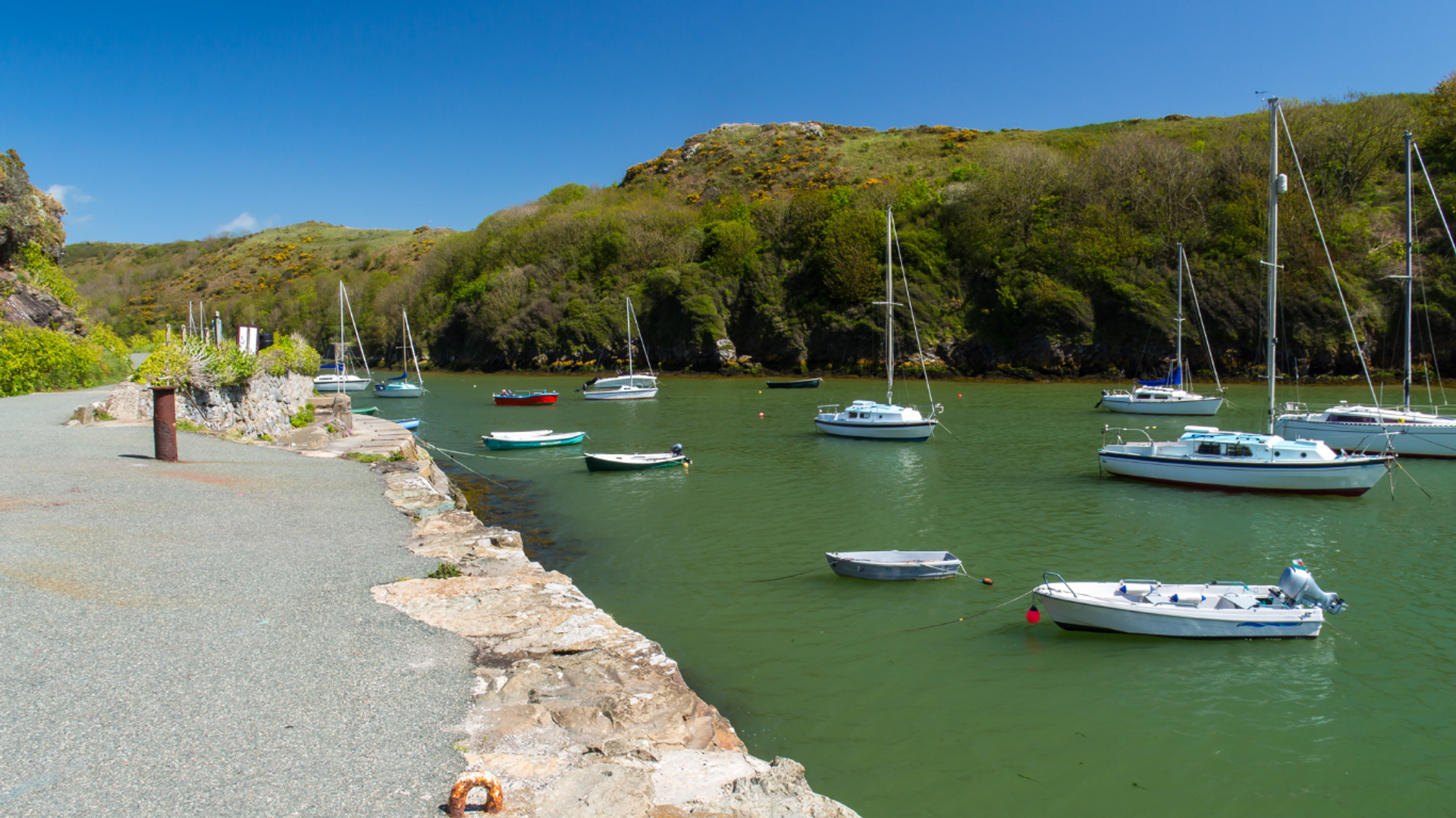
The Pembrokeshire Coast Path offers another version of this. Fishing villages and small towns punctuate stretches of open coast, so there are natural points of contact between quieter hours on the path.
Some sections involve repeated climbs and descents, though, and the walking can be much more demanding than the word “coast” suggests.
If you would rather have more space, look at a different sort of trail.
Some people do not want reassurance from seeing other walkers every hour. They want the path to empty out.
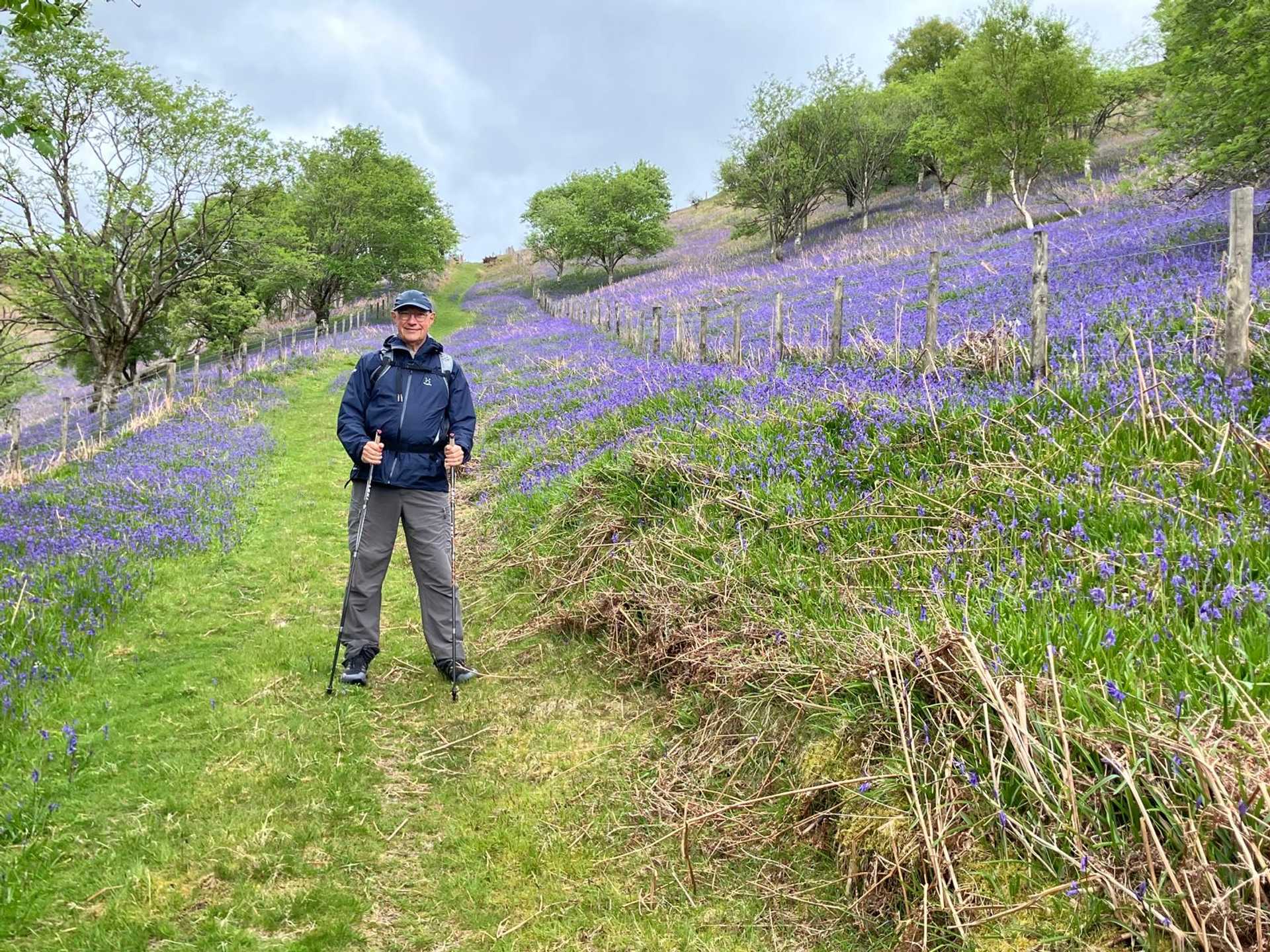
The Offa’s Dyke Path suits that mood particularly well. Towns and villages still break up the journey, but between them there are long stretches of border country where the walking feels quieter.
The Great Glen Way offers a different kind of space, following lochs, forest tracks and the Caledonian Canal through the Highlands. It generally feels less rugged than the West Highland Way, without losing the sense of making a proper journey on foot.
For a confident walker who actively wants remoteness, Glyndŵr’s Way goes further again. It is hillier, quieter and asks more of your navigation.
That would make it the wrong recommendation for some solo travellers and exactly the right one for others.
The fact that you are travelling alone tells us very little about which of those people you are.
Not every solo walk begins with a desire for peace and quiet.
People walk to mark birthdays and retirement. Sometimes there has been a change in life and travelling alone is simply how things are now. We also hear from people planning a walk in memory of someone important to them.
There is no useful way to tell someone what a journey like that ought to mean.
A long-distance path does give the days a simple shape. You leave one place in the morning and make your way towards another. There may be rain, a good lunch, sore feet, a conversation you did not expect, or an afternoon when you hardly see anyone.
The walk does not have to provide an answer. Sometimes following the path is enough.
Going overseas adds another layer. The walking may not concern you at all. Reaching the start, dealing with a different language and knowing what happens to your luggage may be the things you are thinking about.
That does not rule out a solo walking holiday in Europe.
Portugal’s Rota Vicentina follows Atlantic coastline and fishing villages, with long open sections between them. There is plenty of space, but the walking has its own demands. Sand can be tiring and some coastal sections are exposed, so it suits someone comfortable travelling and walking independently better than someone simply looking for the easiest possible first trip.
That is a more useful way to think about overseas solo walking than simply asking whether a country is “safe for solo travellers”.
There is no single checklist, but a few things matter more when you are on your own.
Clear waymarking helps, but so does understanding where navigation becomes less straightforward. Regular overnight stops and villages can make a route feel quite different from one with long stretches of remote country. Transport to the start and from the finish matters more when there is nobody else with a car.
Then there is the walking itself. Daily mileage is only part of it. Rough ground, repeated climbs, exposure, remoteness and poor weather can change how a day feels.
Our walk grades take account of mileage, terrain, ascent and descent, remoteness and navigation. Individual itineraries also show the detail of each walking day, so it is worth looking beyond the overall grade.
That is why “solo-friendly” should never become another way of saying “easy”.
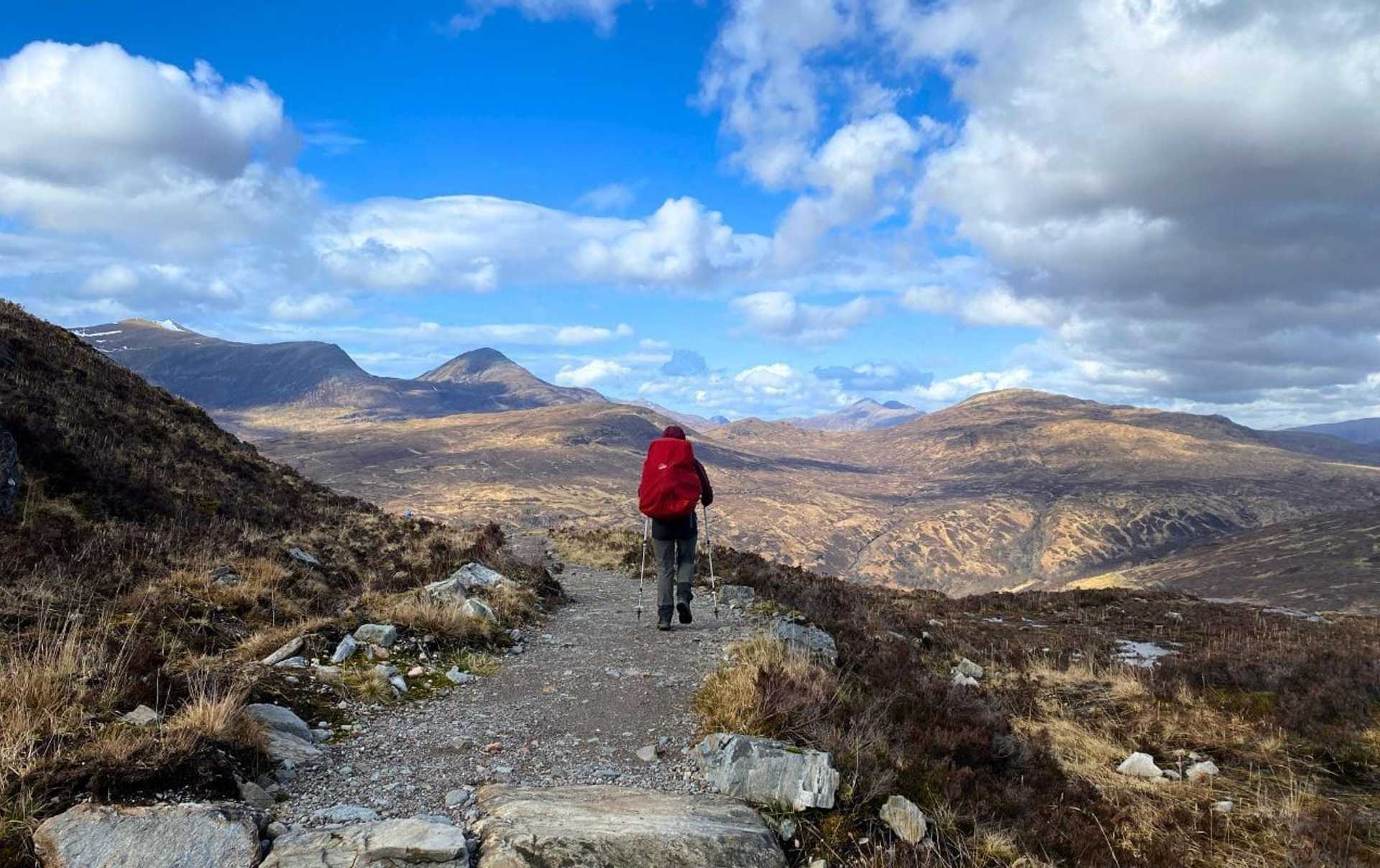
A self-guided holiday still leaves the walking day to you.
Your accommodation is arranged in advance, with breakfast each morning, and your main bag moves ahead to the next stop, so you walk the day with only what you choose to carry. Route information and the practical details of the itinerary are sorted before you set off.
That does not remove the independence. It removes some of the work around it.
If you are deciding which route fits the kind of solo trip you have in mind, our walking holidays for solo travellers page brings together options for a first trip alone, more sociable trails, quieter walking and experienced solo walkers.
Start with the experience you want rather than the destination.
Would you like other walkers somewhere in the background, or are you deliberately looking for quiet? Do you want a substantial physical challenge? Are you comfortable making navigation decisions alone? Does this particular trail matter to you for a reason that has nothing to do with its difficulty grade?
Once you know the answers to those questions, choosing the route becomes much easier.