What is a Pilgrimage Walk? Walking as a Journey
Christina
Loading content...
Christina
For centuries, people have travelled on foot towards places of spiritual, cultural, or personal significance. Today, pilgrimage walks continue to attract walkers from all backgrounds, whether motivated by faith, reflection, challenge, or simply the desire to slow down and reconnect with the world around them.
Modern pilgrimage walking is no longer limited to religious devotion. For many people, it has become a meaningful form of travel that combines movement, nature, history, and personal reflection. From ancient saints’ paths in Britain to famous pilgrimage walks across Europe, these routes offer far more than a standard walking holiday.
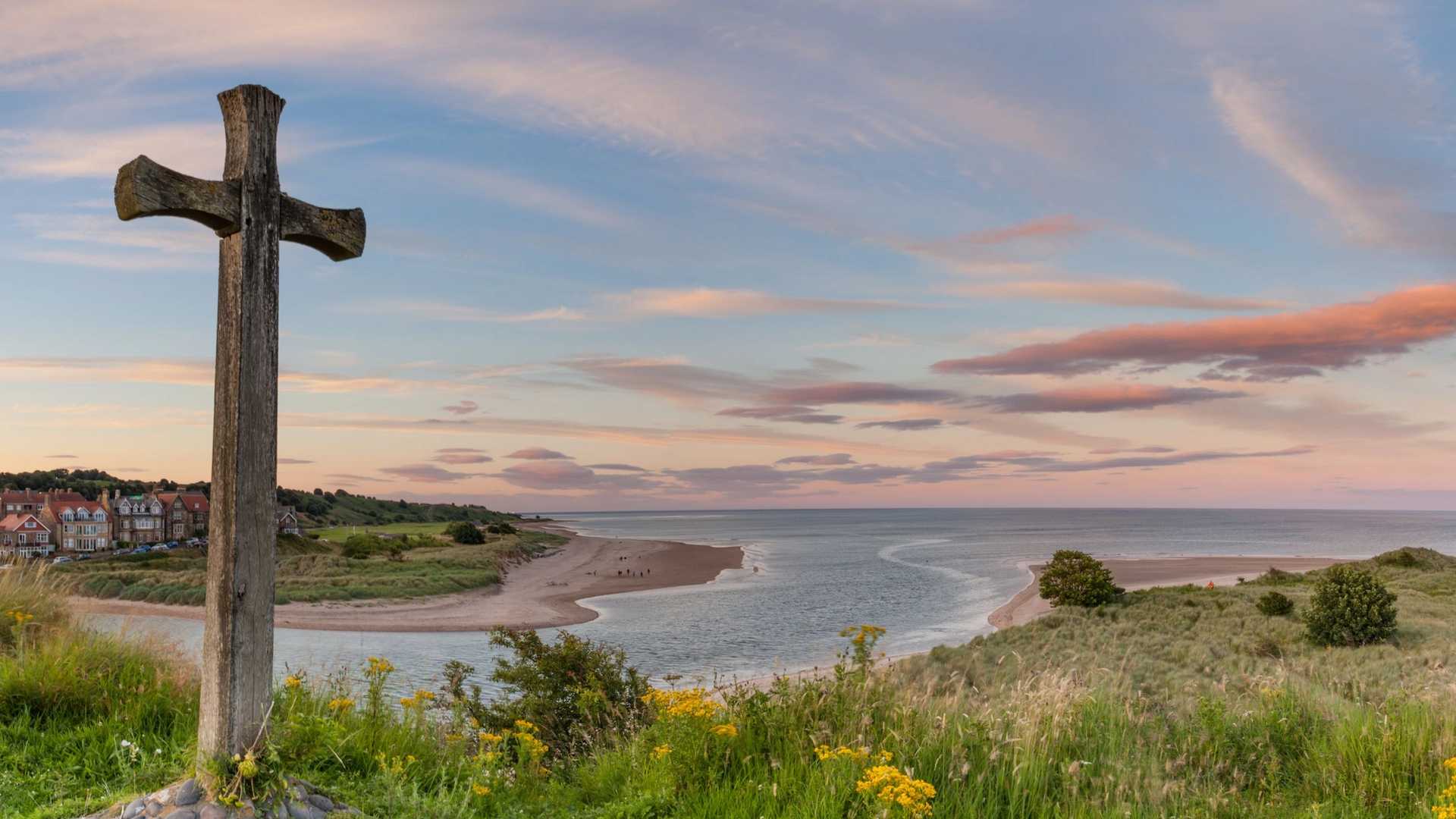
At its simplest, a pilgrimage is a journey made with purpose. Traditionally, pilgrimages were undertaken for religious reasons, often involving travel to sacred destinations linked to saints, miracles, or places of worship.
Today, the meaning has broadened considerably.
Historically, pilgrimage walks were deeply connected to faith. Travellers would walk long distances to cathedrals, shrines, monasteries, or burial sites believed to hold spiritual importance.
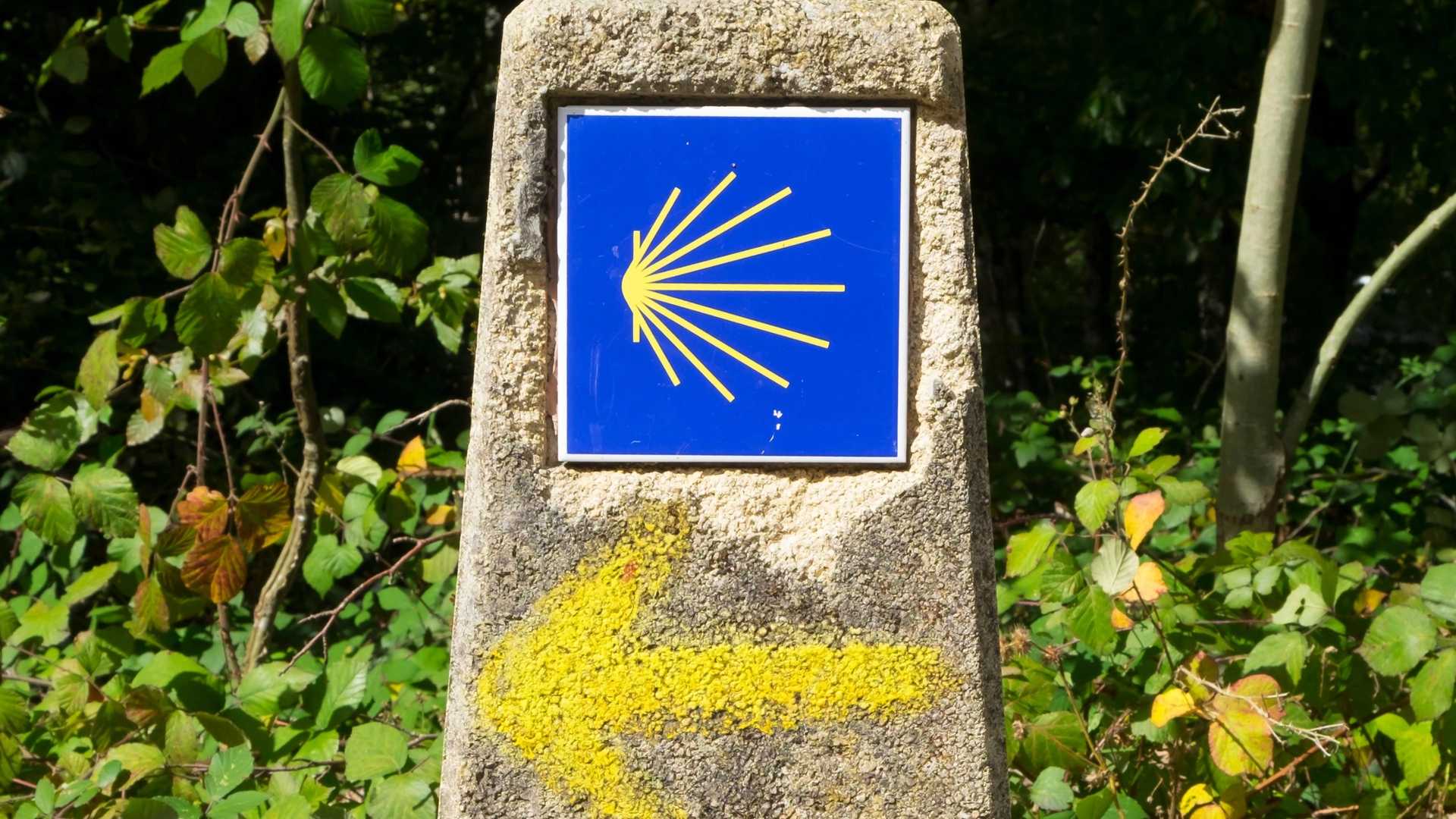
Routes such as the Camino de Santiago in Spain or St Cuthbert’s Way in Northern England and Scotland were shaped by centuries of religious tradition. Walking itself became part of the act of devotion, symbolising sacrifice, reflection, and commitment.
Modern walking pilgrimages often focus less on religion and more on personal meaning.
Some people walk to process a major life change, recover from burnout, gain perspective, or spend uninterrupted time outdoors. Others are drawn to the rhythm of walking day after day, following historic routes that naturally encourage slower, more thoughtful travel.
That’s why pilgrimage walks in the UK and Europe continue to grow in popularity among solo walkers, couples, and groups alike.
A pilgrimage walk is often described as both an outward and inward journey.
Unlike fast-paced travel, pilgrimage walking unfolds gradually. Landscapes change slowly, villages become milestones, and daily routines simplify.
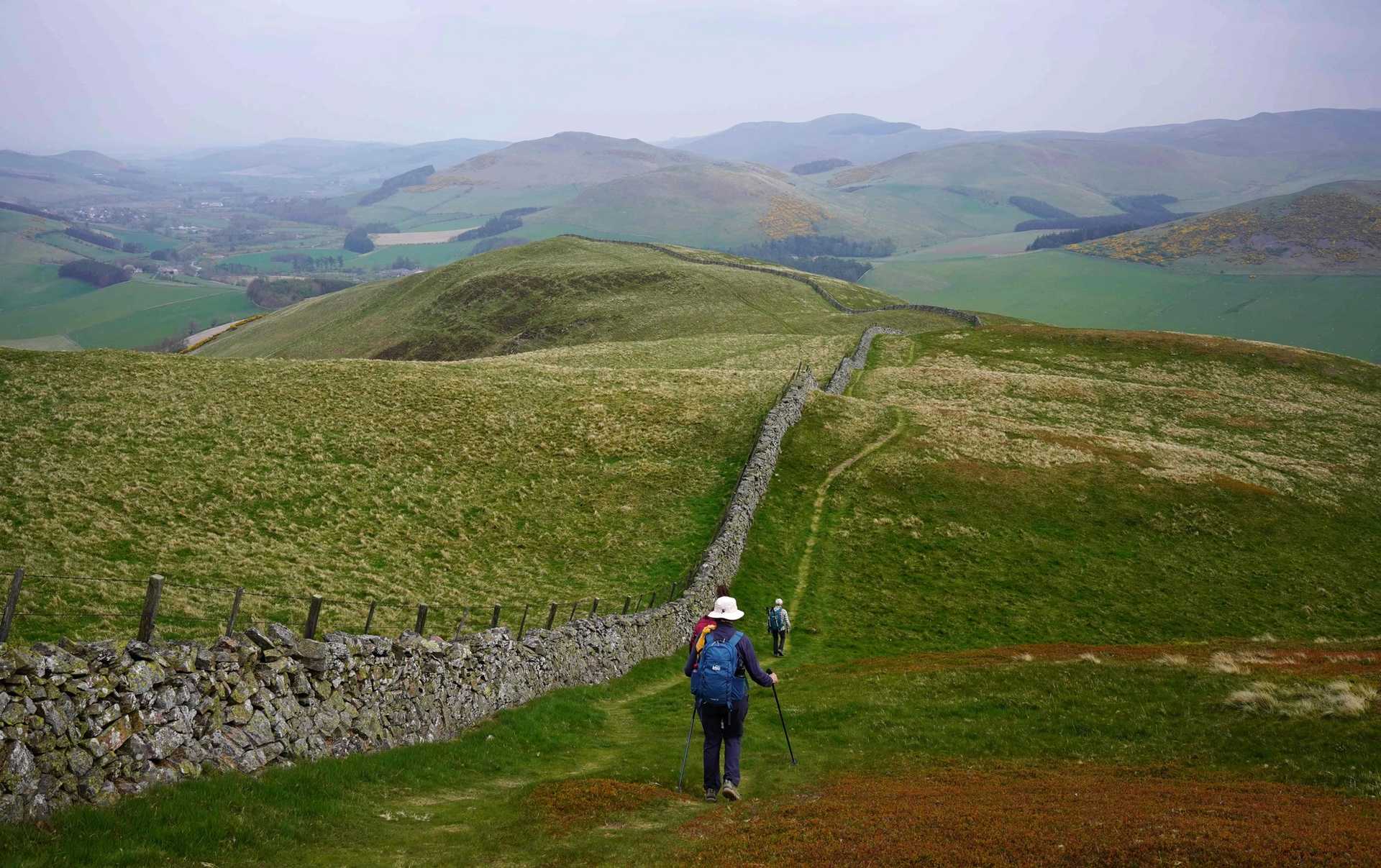
Walking long distances creates a strong sense of progression. Whether crossing coastal paths, rolling countryside, or historic towns, the physical act of moving through a landscape becomes central to the experience.
Many walkers choose routes such as the guide to St Cuthbert’s Way pilgrimage walk because they combine manageable daily stages with deep historical significance.
One reason walking pilgrimages resonate so strongly today is the mental space they create.
Without constant distractions, many walkers find themselves reflecting more clearly on life, relationships, work, or future goals. The simplicity of daily walking often creates a calmer mindset that is difficult to replicate in everyday life.
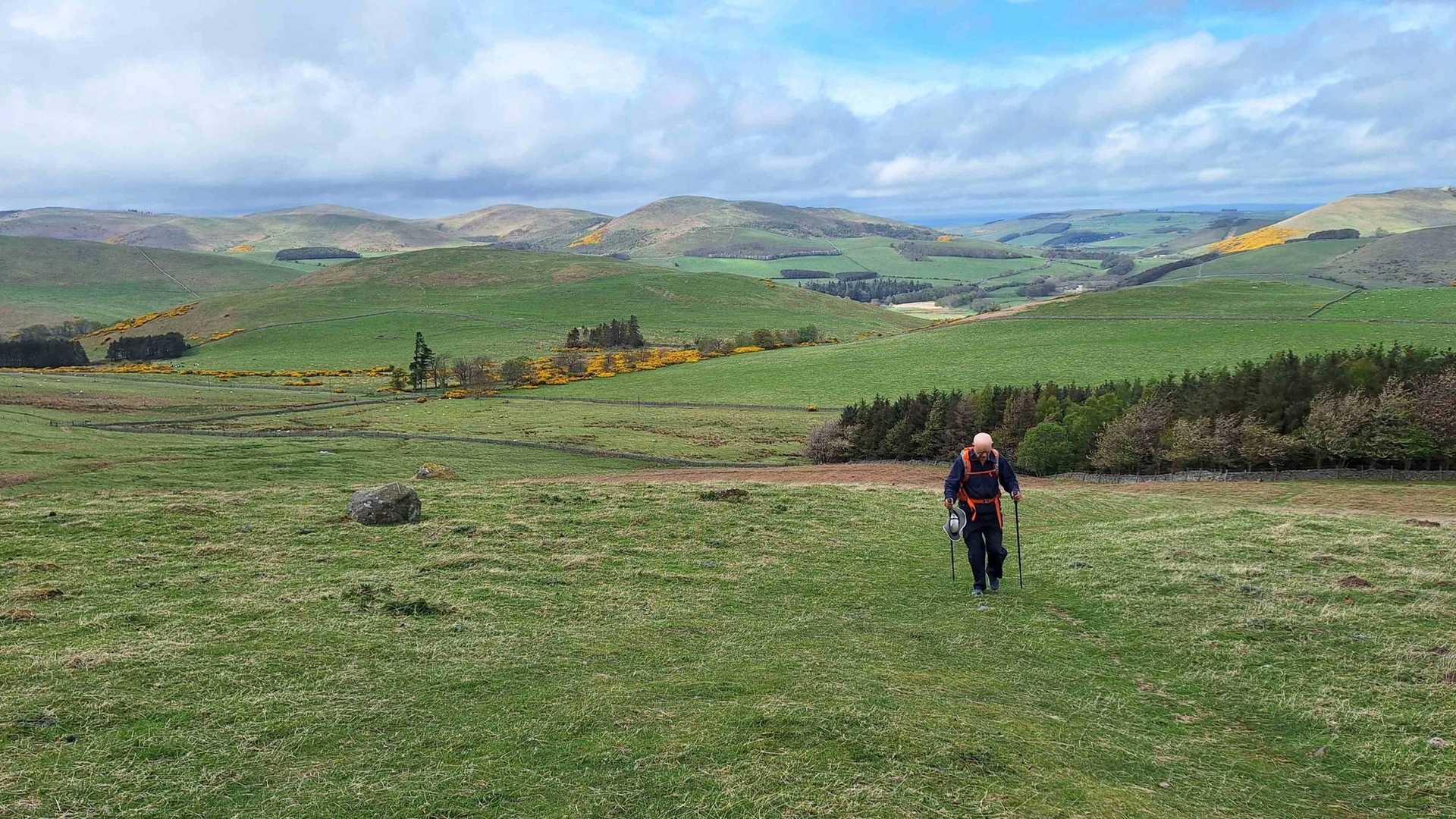
For solo travellers especially, pilgrimage routes can feel both independent and reassuring. If you are considering travelling alone, this solo walking holidays inspiration guide offers useful insight into the experience.
While every pilgrimage is different, most share a few common themes.
A pilgrimage usually begins with a reason, even if it is difficult to define clearly at first.
For some, that purpose is spiritual. For others, it may be linked to grief, recovery, curiosity, challenge, or simply the desire to step away from routine.
Most pilgrimage walks follow a route towards a destination with historical, spiritual, or symbolic importance.
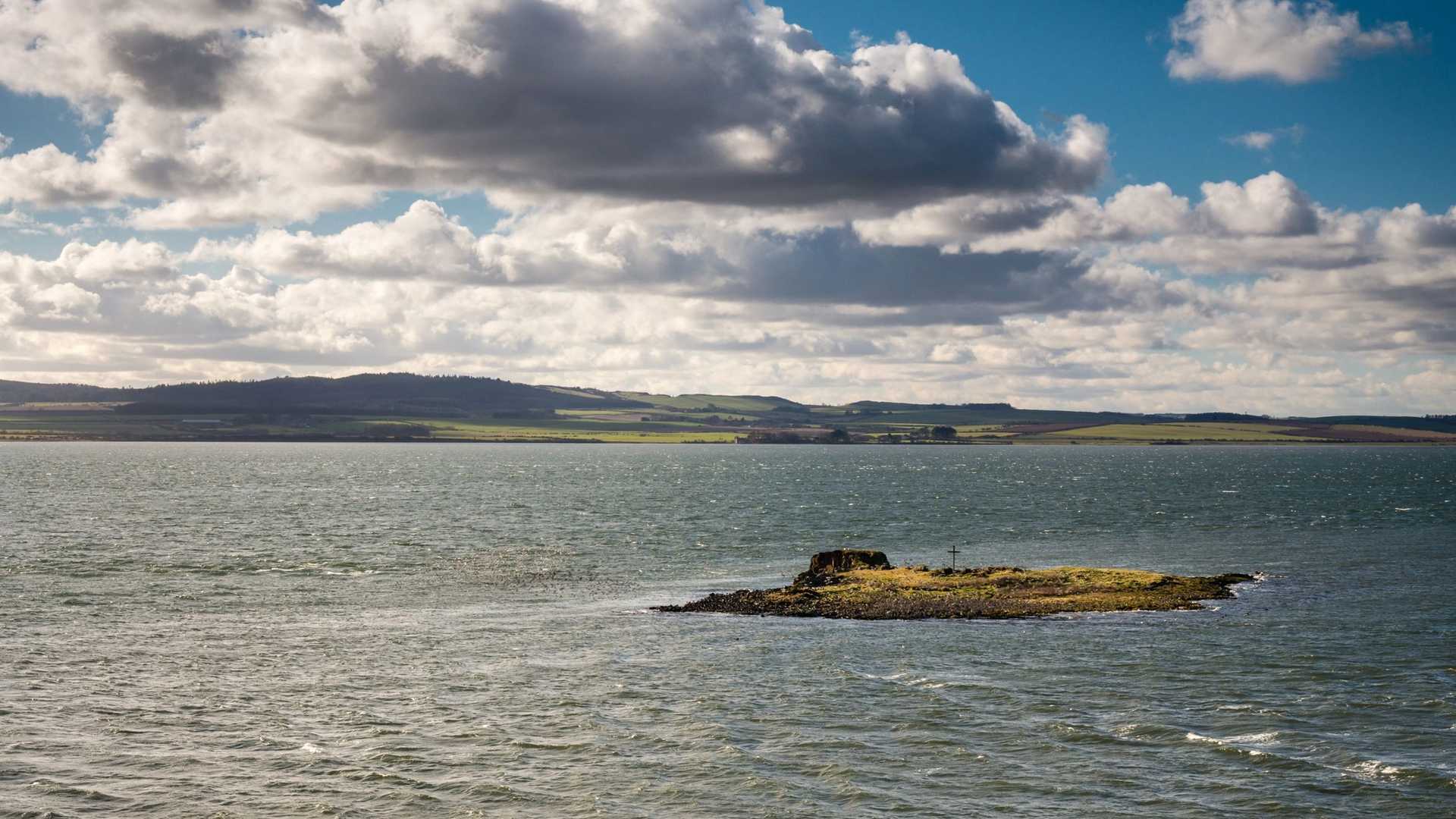
This could be a cathedral, shrine, island, historic city, or even a place connected to personal memories. Reaching the destination matters, but the journey itself often becomes the most significant part.
Pilgrimage walking encourages a slower pace.
Days become structured around walking, eating, resting, and observing the landscape around you. Many people describe this rhythm as grounding and restorative.
Not every pilgrimage results in dramatic life changes, but many walkers return with a clearer sense of perspective.
Completing a long-distance route can build confidence, resilience, and a stronger connection to both nature and self.
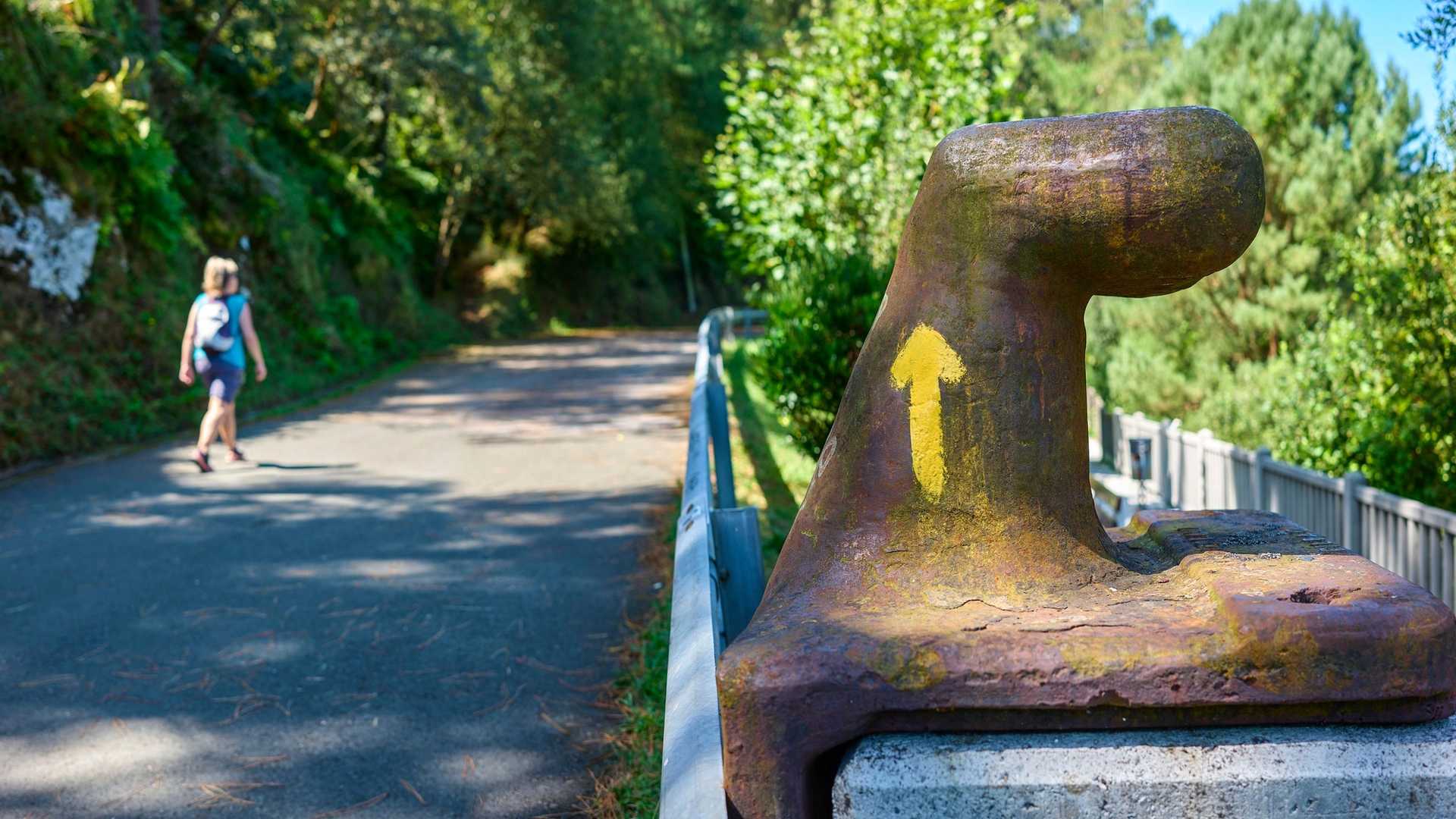
People begin walking pilgrimages for many different reasons.
Faith remains an important motivation for many walkers, particularly on historic Christian pilgrimage routes throughout Europe.
Walking to sacred destinations continues to hold deep meaning for those seeking spiritual connection or renewal.
Many modern pilgrims are motivated by wellbeing rather than religion.
Long-distance walking creates time away from screens, busy schedules, and constant noise. The repetitive rhythm of walking often helps reduce stress and improve mental clarity.
Pilgrimage walks are often chosen during periods of change.
People may walk after retirement, during career transitions, after bereavement, or while reassessing priorities. The structure of a walking journey can provide valuable space for reflection.
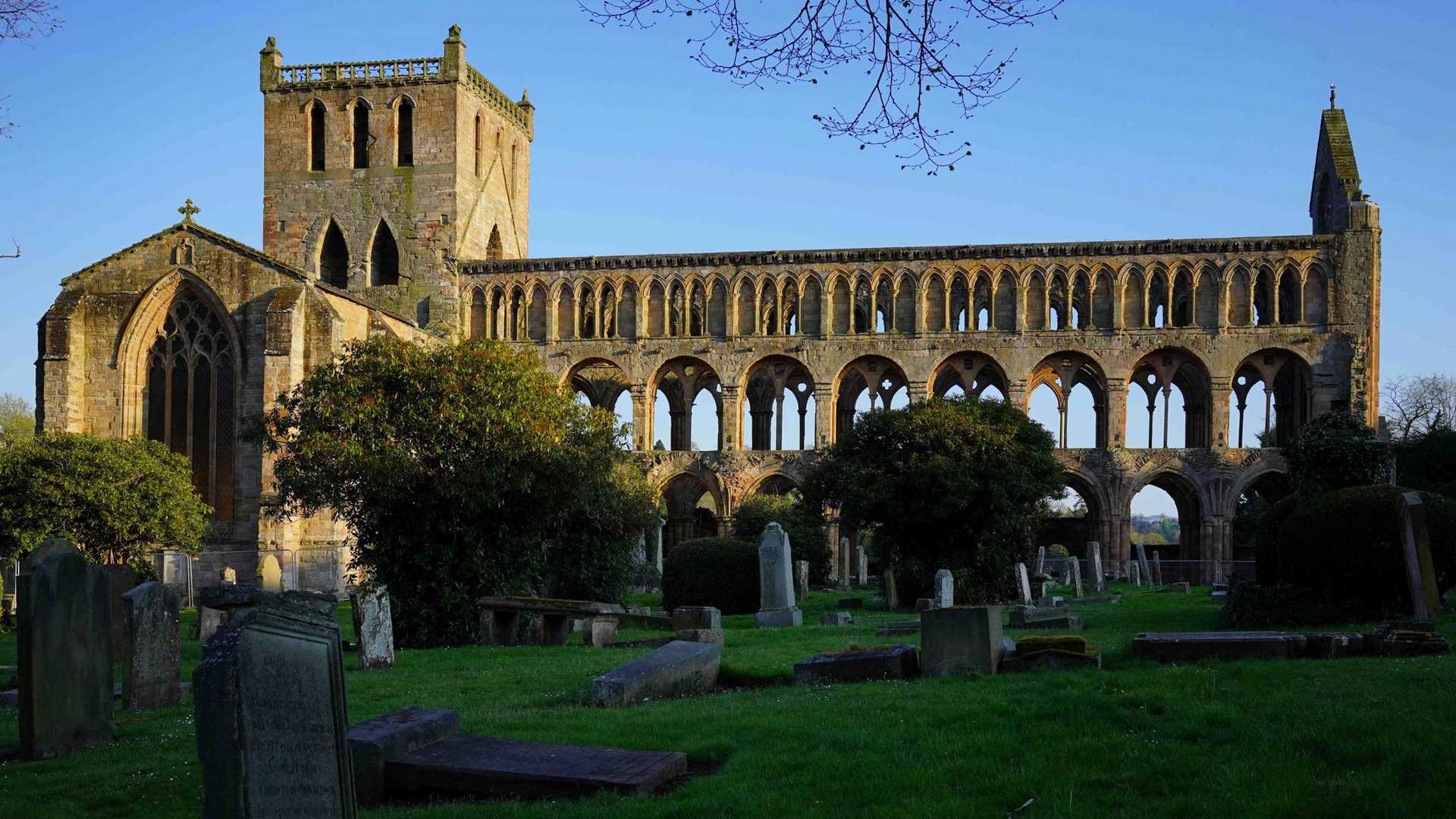
Pilgrimage routes frequently pass through landscapes shaped by centuries of human movement. Walking these historic paths creates a strong sense of continuity and connection. Ancient churches, ruined abbeys, coastal crossings, and old market towns become part of the story of the route itself.
The Pilgrims’ Way is one of England’s best-known historic pilgrimage routes, traditionally leading from Winchester to Canterbury Cathedral.
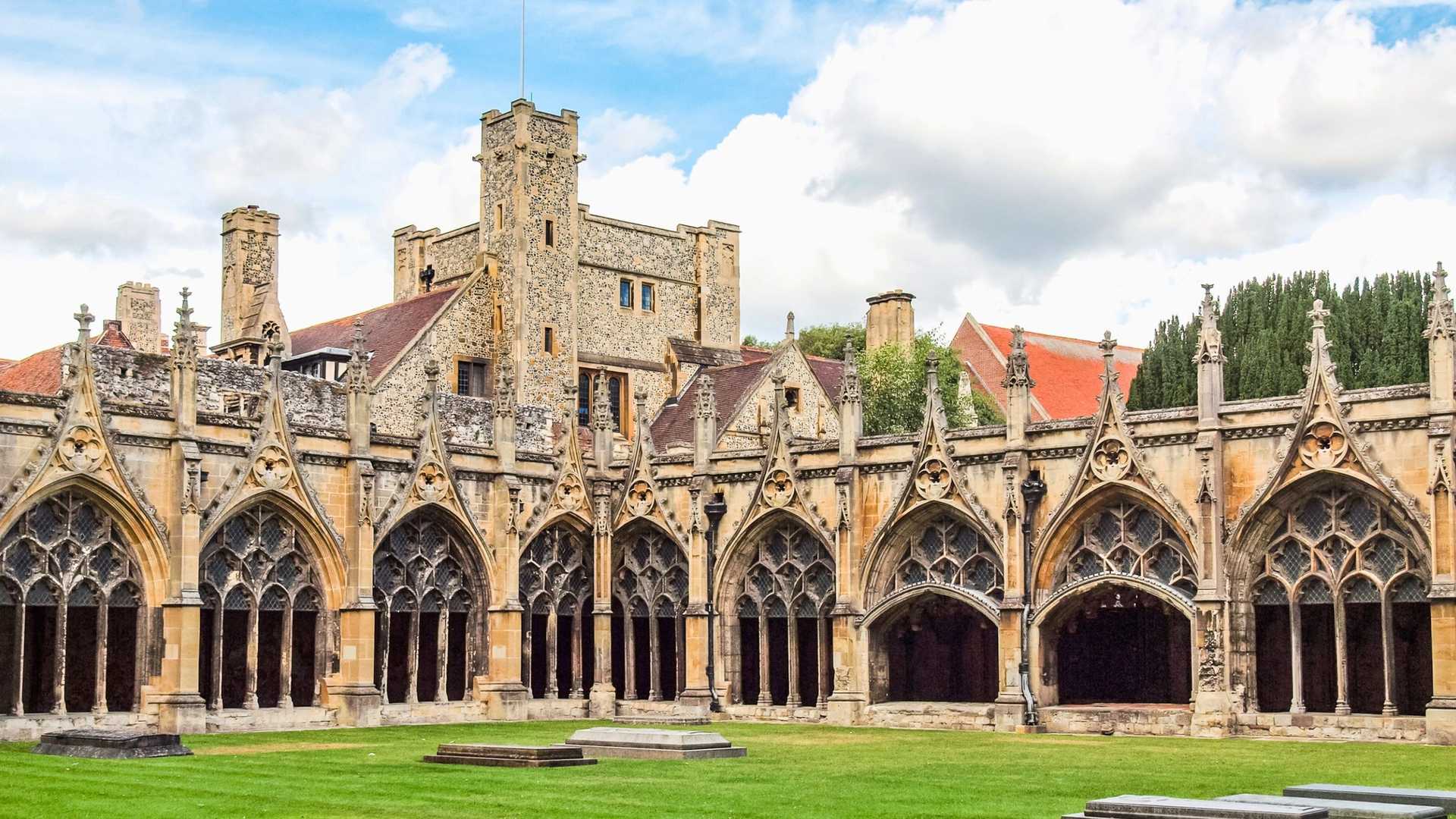
The route passes through rolling countryside, ancient woodland, and historic villages, offering a strong sense of continuity between past and present.
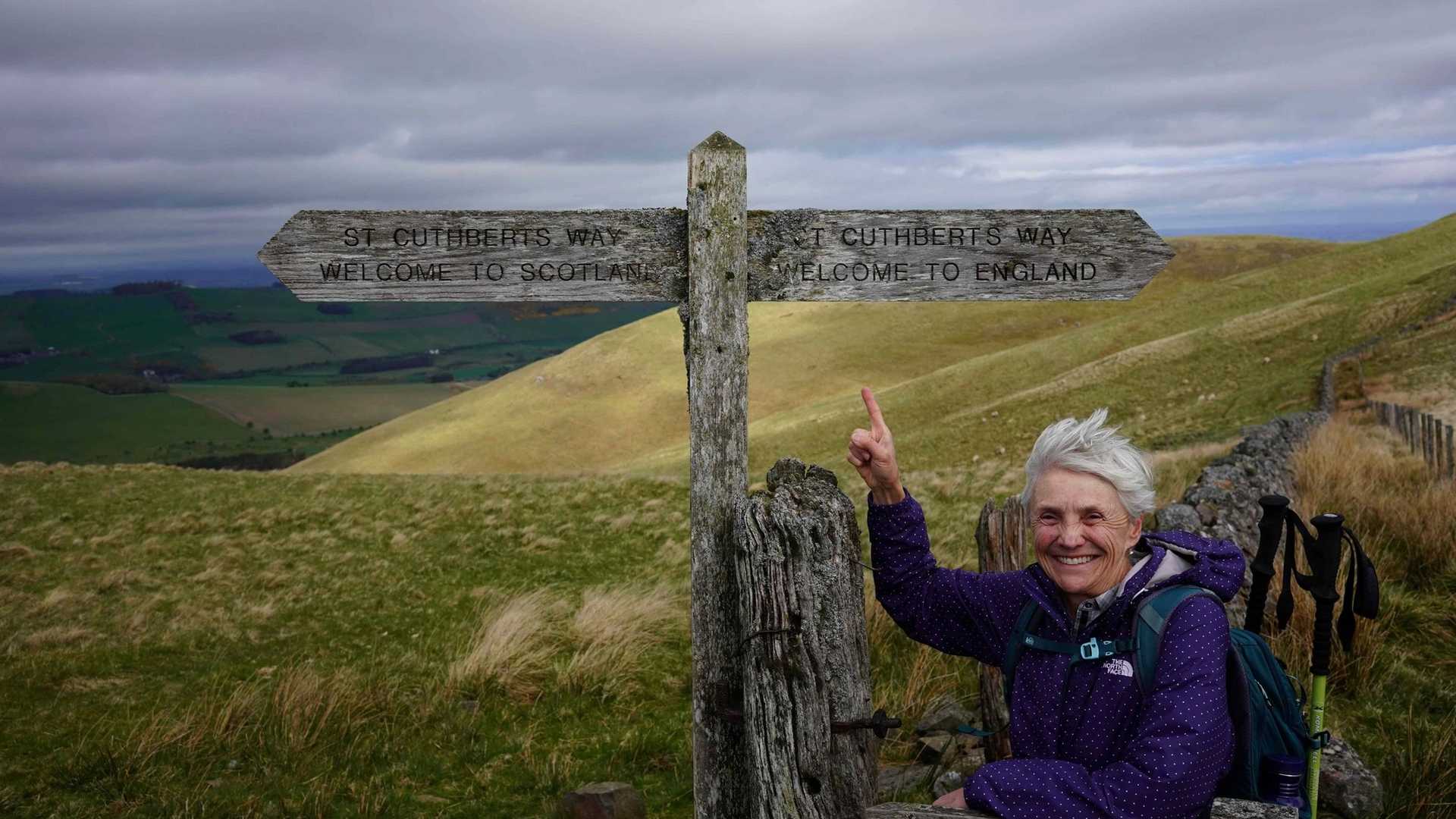
Stretching from Melrose Abbey in Scotland to Holy Island in Northumberland, St Cuthbert’s Way combines coastal scenery, quiet countryside, and deep spiritual history.
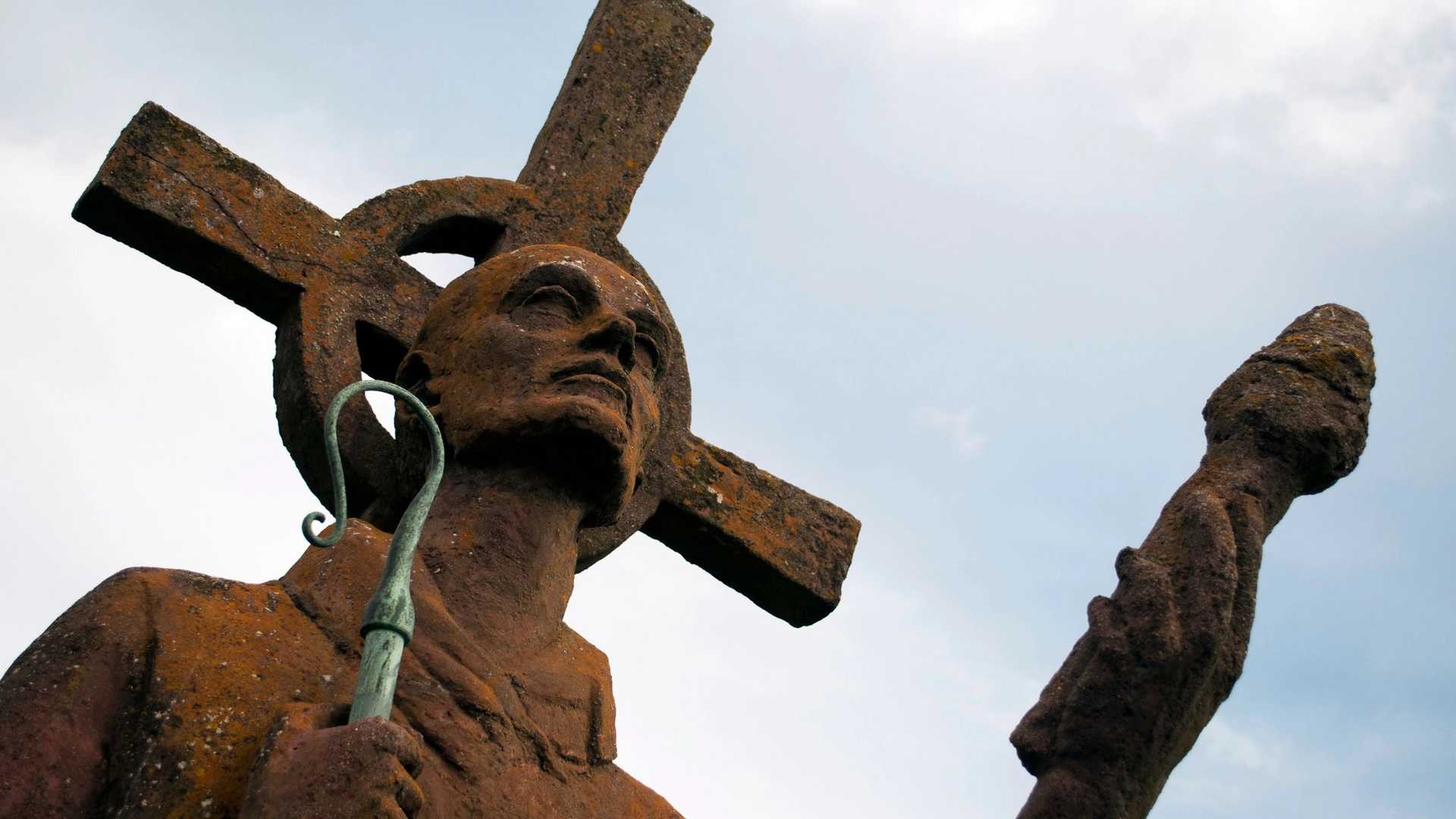
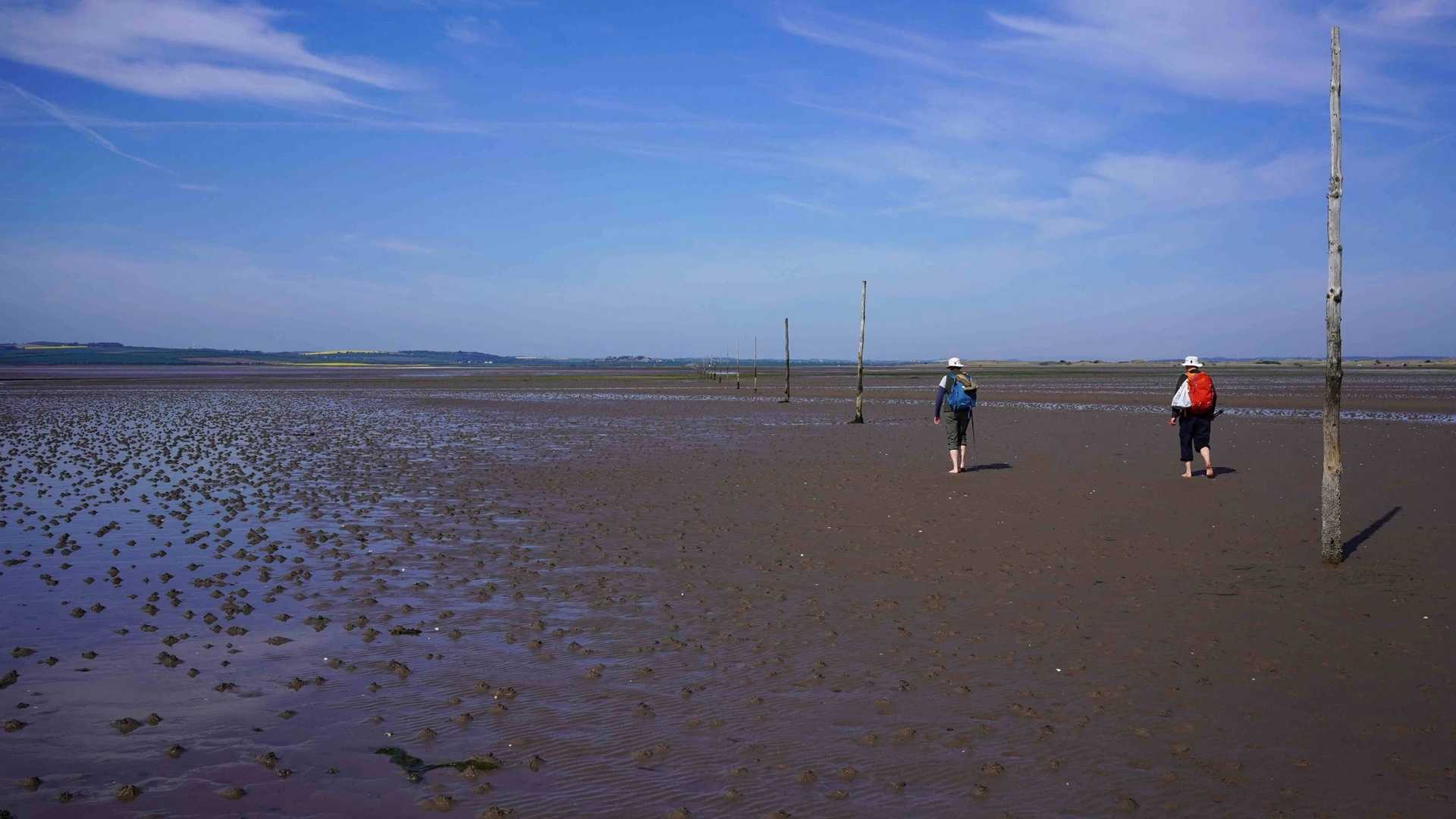
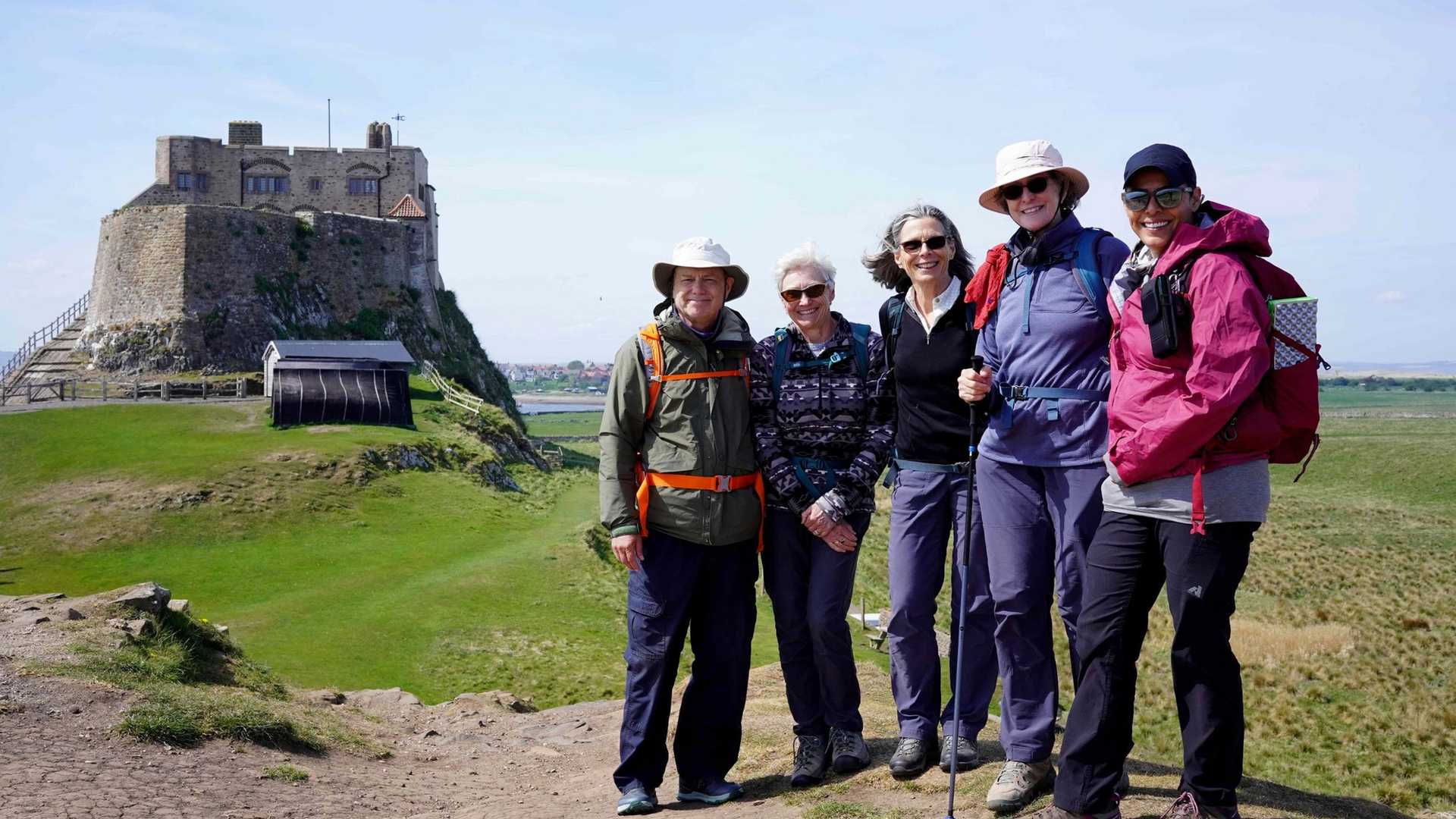
It remains one of the most accessible pilgrimage walks in the UK, particularly for first-time long-distance walkers. Many travellers are drawn to the tidal crossing onto Lindisfarne at the end of the route, which creates a memorable finish to the journey.
You can also read real stories from St Cuthbert’s Way walkers to understand how different people experience the route.
The Camino de Santiago is probably the most famous pilgrimage walk in the world.
Rather than one single trail, the Camino is a network of routes leading to Santiago de Compostela in northern Spain. Walkers travel from across Europe and beyond, creating a uniquely social atmosphere that combines cultural exchange with personal reflection.
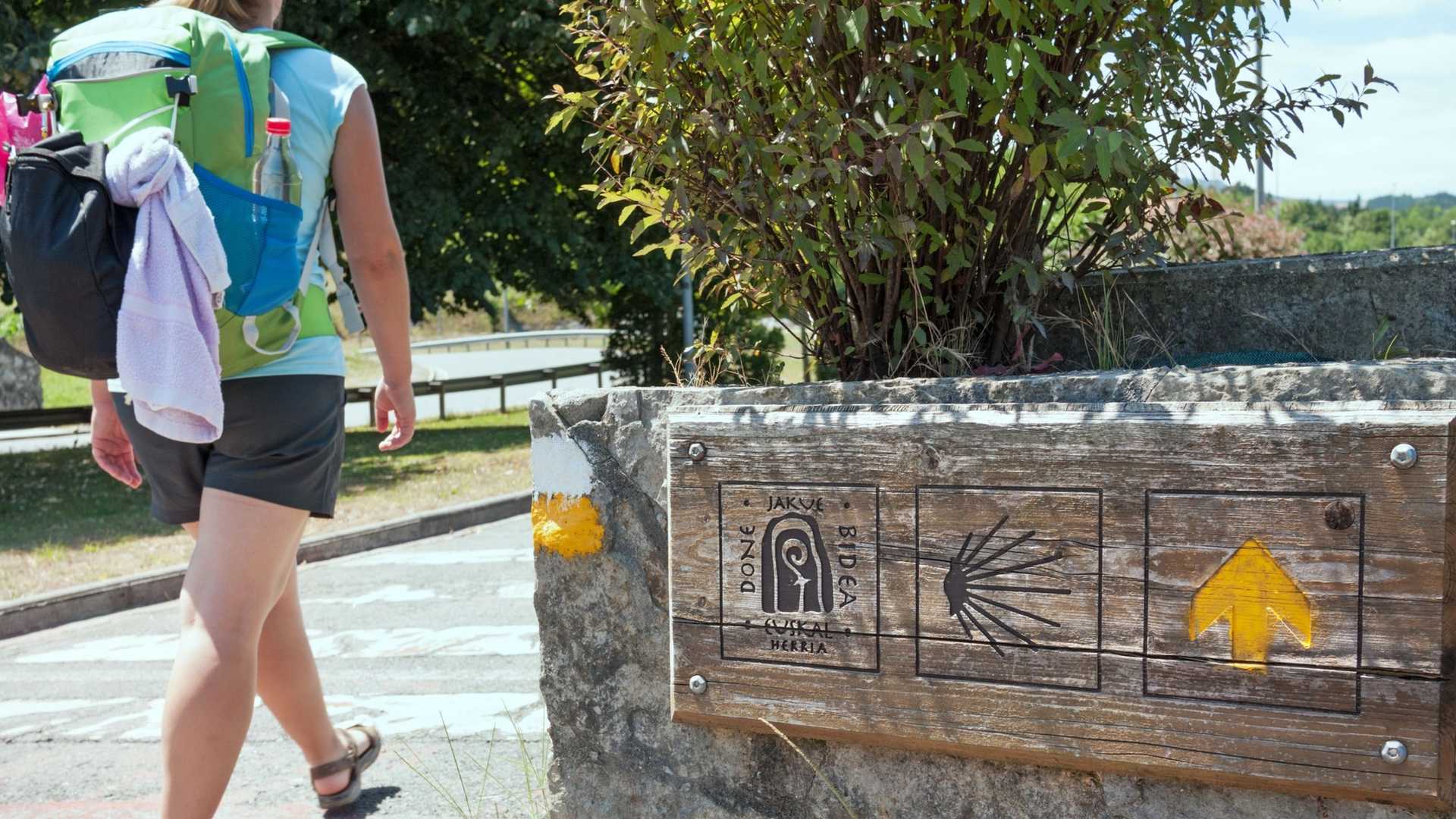
For those considering pilgrimage walks in Europe, the Camino often becomes the starting point. You can explore more walking holidays in Europe for similar experiences.
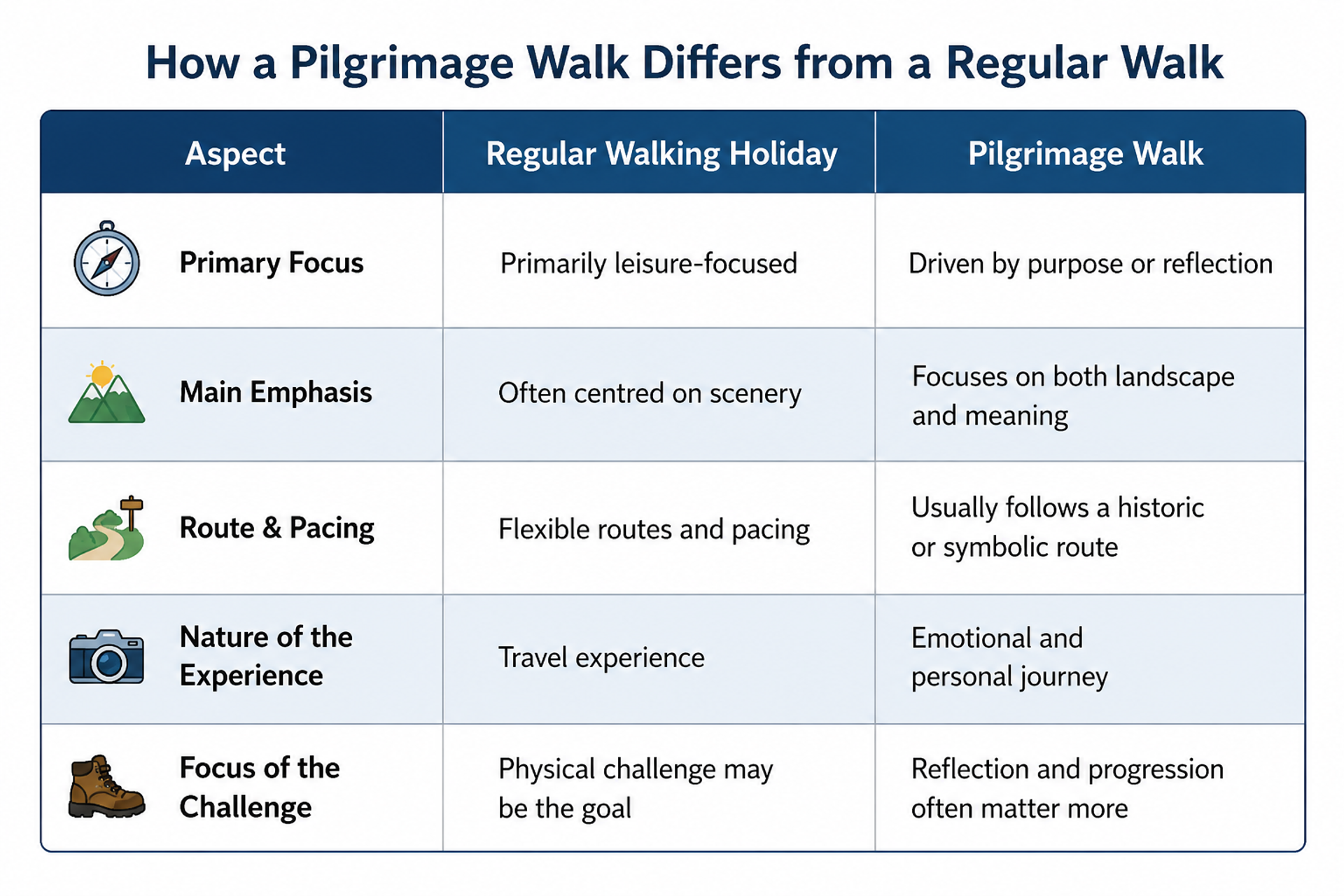
Beginning a pilgrimage walk does not require specialist knowledge or religious background.
Start by considering what kind of experience you want.
Some routes are social and well-supported, such as the Camino de Santiago. Others feel quieter and more reflective, like St Cuthbert’s Way or rural pilgrimage paths in Britain.
Think about daily distances, terrain, accommodation style, and transport links before choosing your route.
You do not need a grand reason to begin a pilgrimage walk.
Some walkers set a clear intention beforehand, while others simply remain open to the experience. What matters most is allowing yourself the time and space to walk with purpose.

Preparation is still important, even on reflective journeys.
Comfortable footwear, realistic daily stages, and understanding the route structure all help create a more enjoyable experience. Training walks before departure can also build confidence, particularly for first-time long-distance walkers.
A pilgrimage walk is rarely just about reaching a destination.
It is about what happens gradually along the way. The conversations, quiet moments, changing landscapes, and rhythm of walking all shape the experience differently from ordinary travel.
Whether motivated by spirituality, wellbeing, challenge, or curiosity, walking pilgrimages continue to offer something increasingly rare in modern life: time to move slowly, think clearly, and reconnect with what matters most.
Traditionally, pilgrimages were undertaken for religious devotion or spiritual growth. Today, people also choose pilgrimage walks for reflection, mental wellbeing, personal challenge, or life transitions.
A Camino pilgrimage refers to walking one of the historic Camino de Santiago routes leading to Santiago de Compostela in Spain. It is the world’s most famous pilgrimage walking network and attracts people from many different backgrounds.
No. While pilgrimage walks have religious origins, many modern walkers take part for non-religious reasons such as mindfulness, nature, wellbeing, personal growth, or cultural interest.