Walking Holiday Packing Checklist for Europe
Christina
Loading content...
Christina
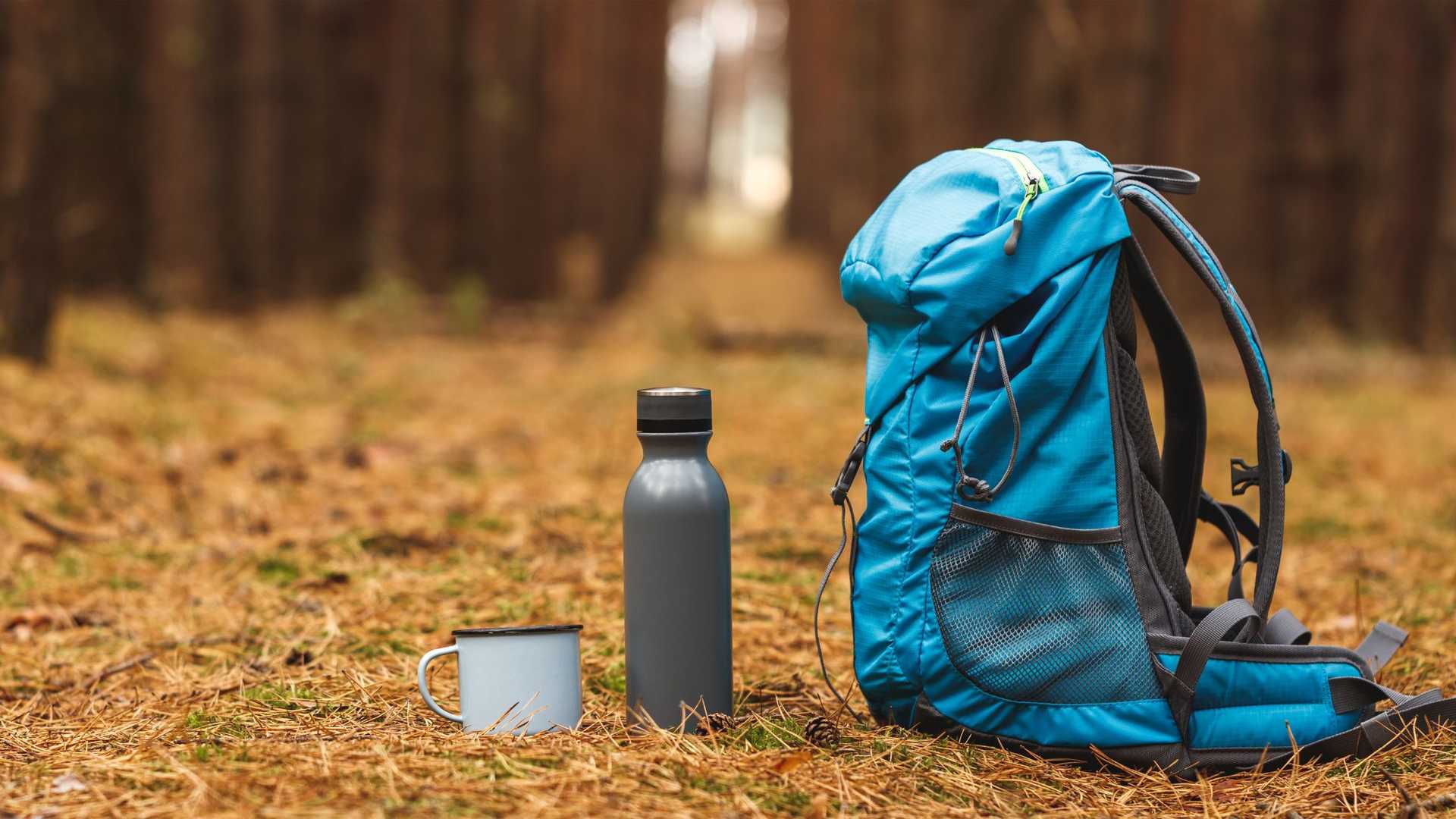
Preparing for a walking holiday can feel surprisingly complicated. Pack too much and every uphill climb becomes harder than it needs to be. Pack too little and you may find yourself missing basic essentials halfway through the trip.
Whether you are heading for coastal paths in Portugal, or countryside routes in the UK, the best approach is always practical rather than excessive. A good walking holiday packing list should help you stay comfortable, prepared for changing conditions, and able to walk freely without carrying unnecessary weight.
For many walkers, smart packing is what separates an enjoyable trip from a tiring one.
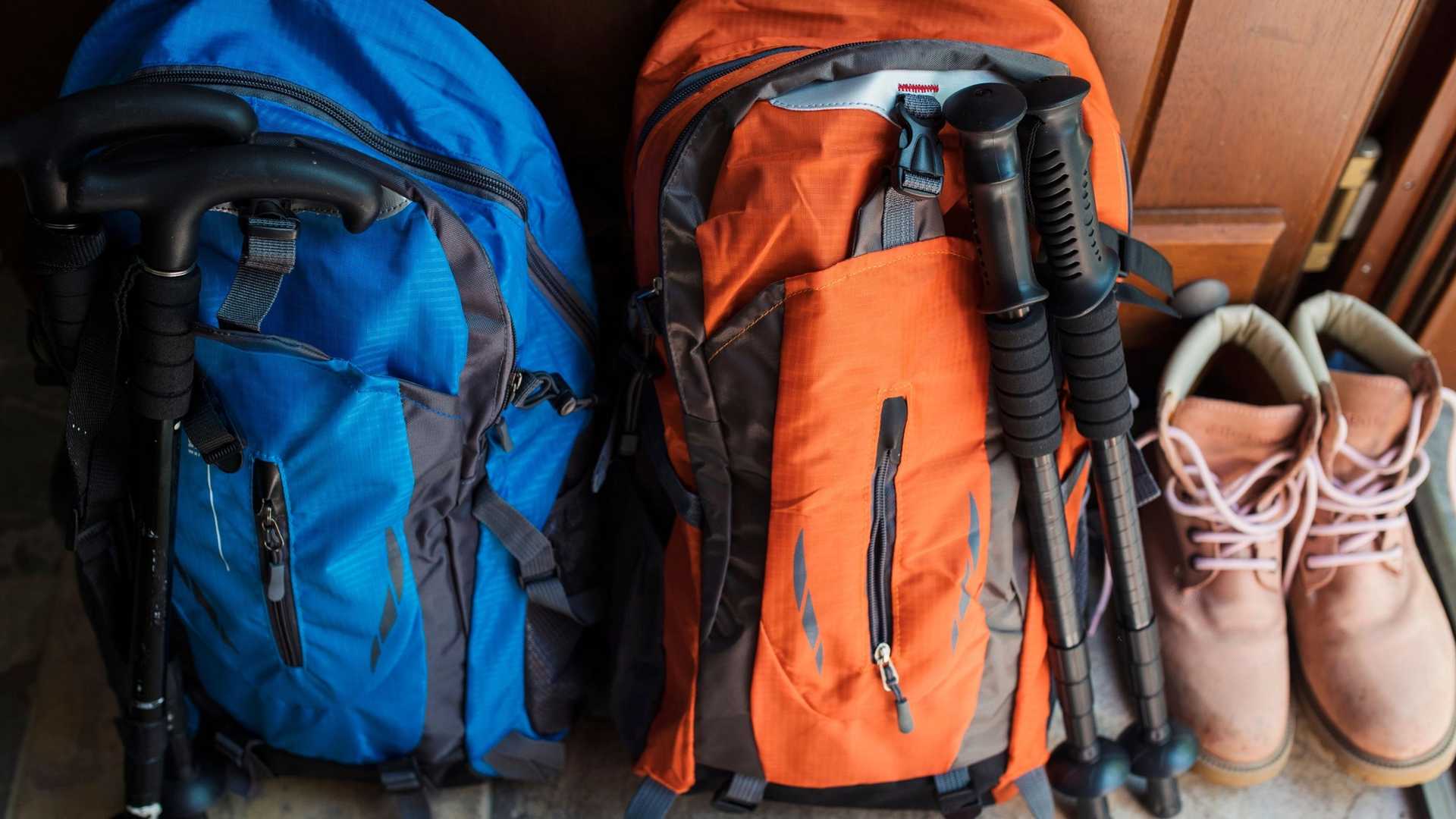
One of the biggest mistakes people make is treating a walking holiday like a standard holiday with extra walking added in. In reality, what you carry affects your comfort every single day.
The longer the route, the more important it becomes to pack efficiently. A 3 day hike packing list will naturally look different to a 7 day hike packing list, particularly if you are crossing mountain terrain or travelling between accommodations.
A simple rule helps most walkers pack smarter: if an item serves only one purpose and is unlikely to be used daily, reconsider bringing it.
Before you travel, it can also help to download our beginner-friendly walking checklist and training guide. Combining practical preparation with smart packing makes walking holidays far more enjoyable, especially on multi-day routes.
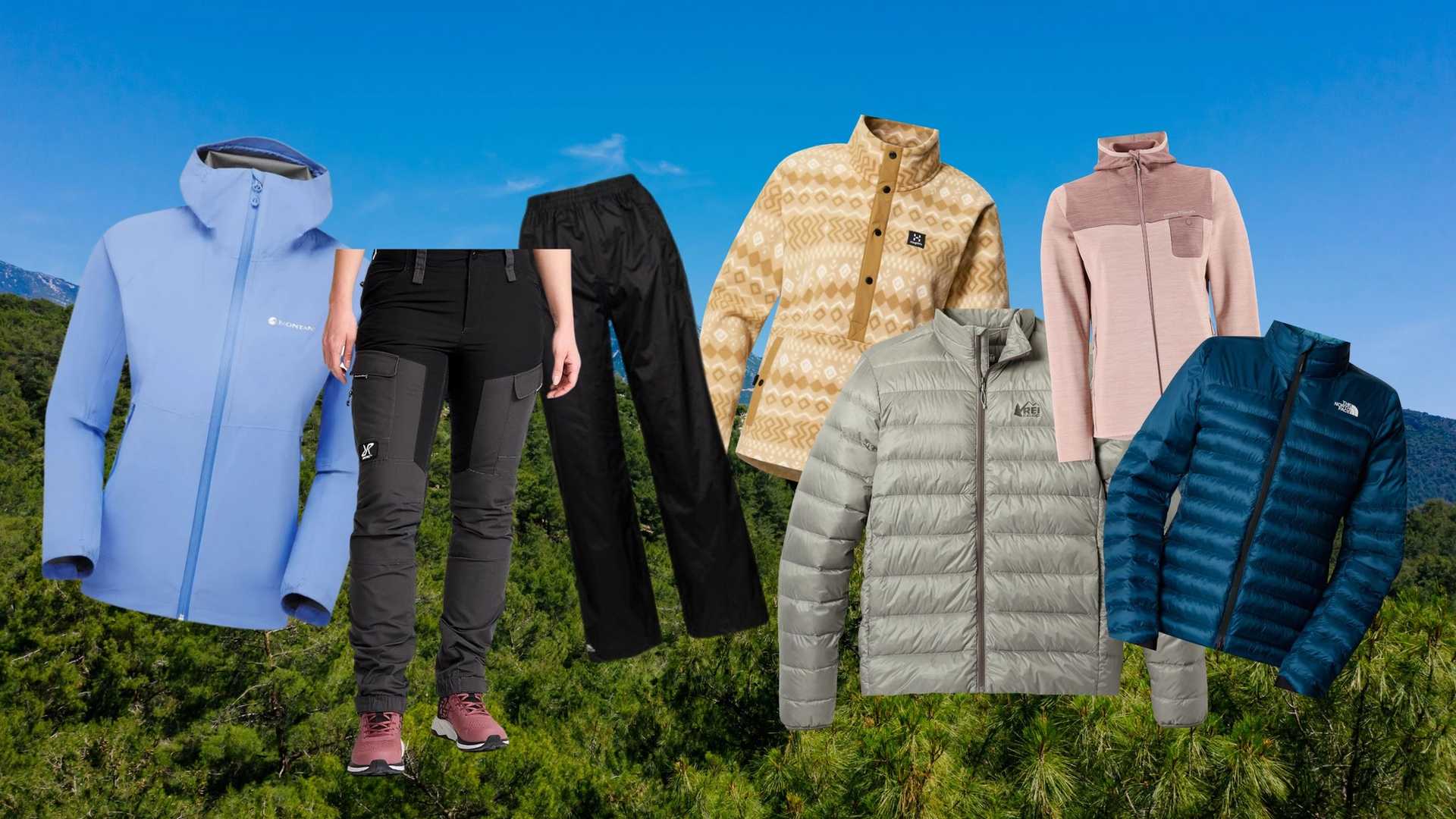
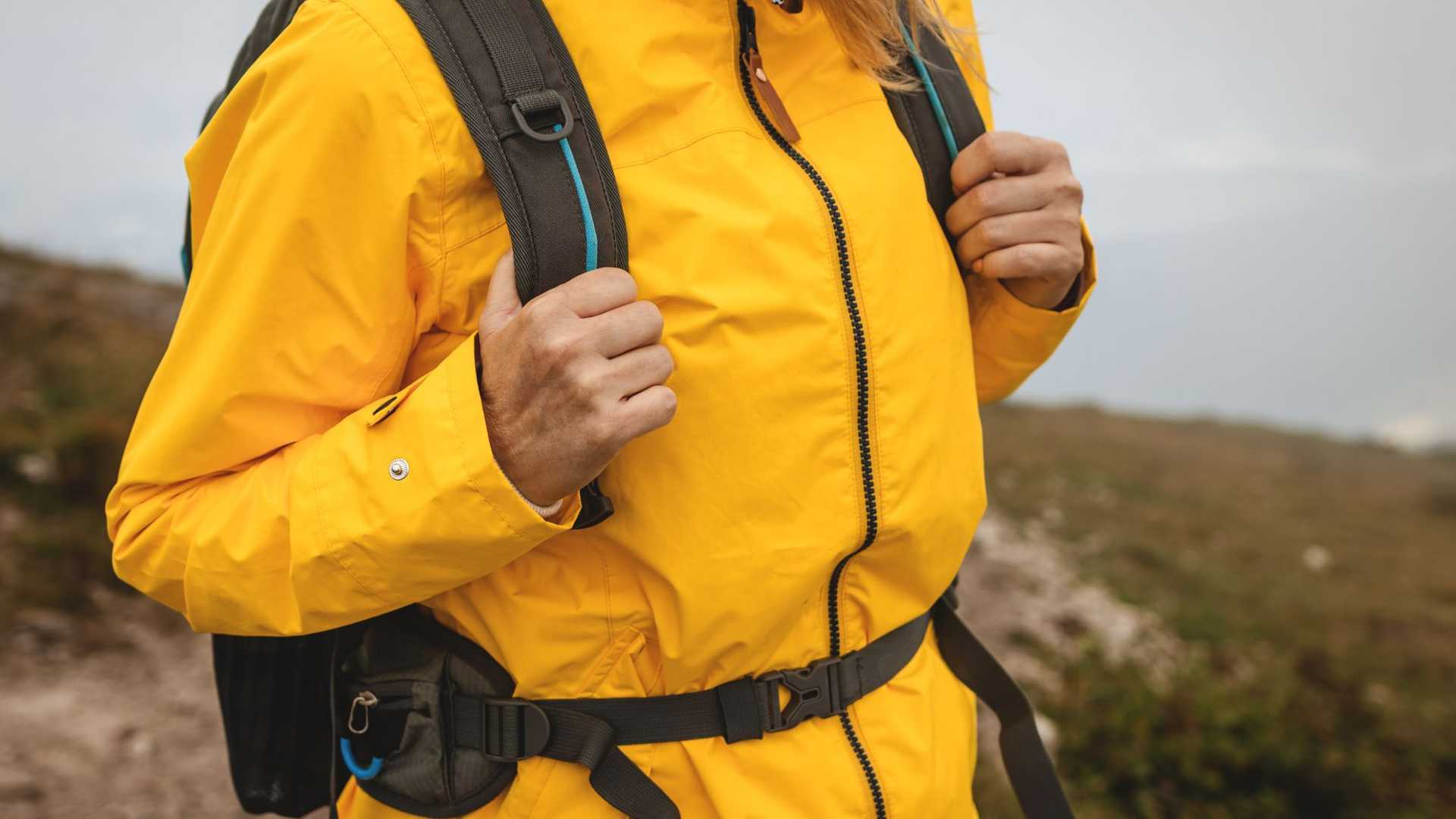
Packing versatile layers works far better than carrying heavy clothing. Conditions can shift quickly, especially in mountain regions or coastal areas.
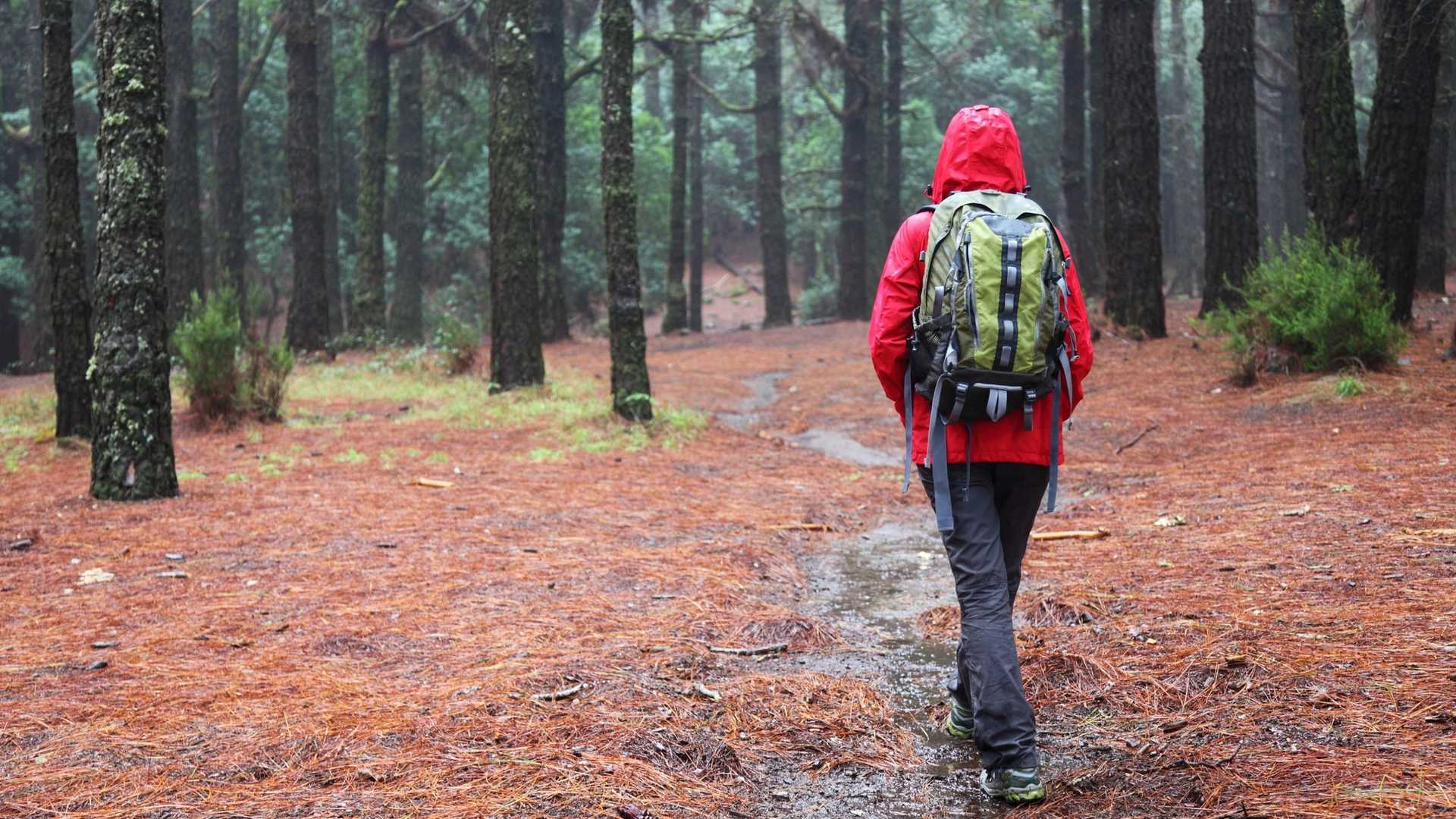
Even in Southern Europe, weather changes can happen unexpectedly. Reliable waterproofs remain one of the most important walking holiday essentials.
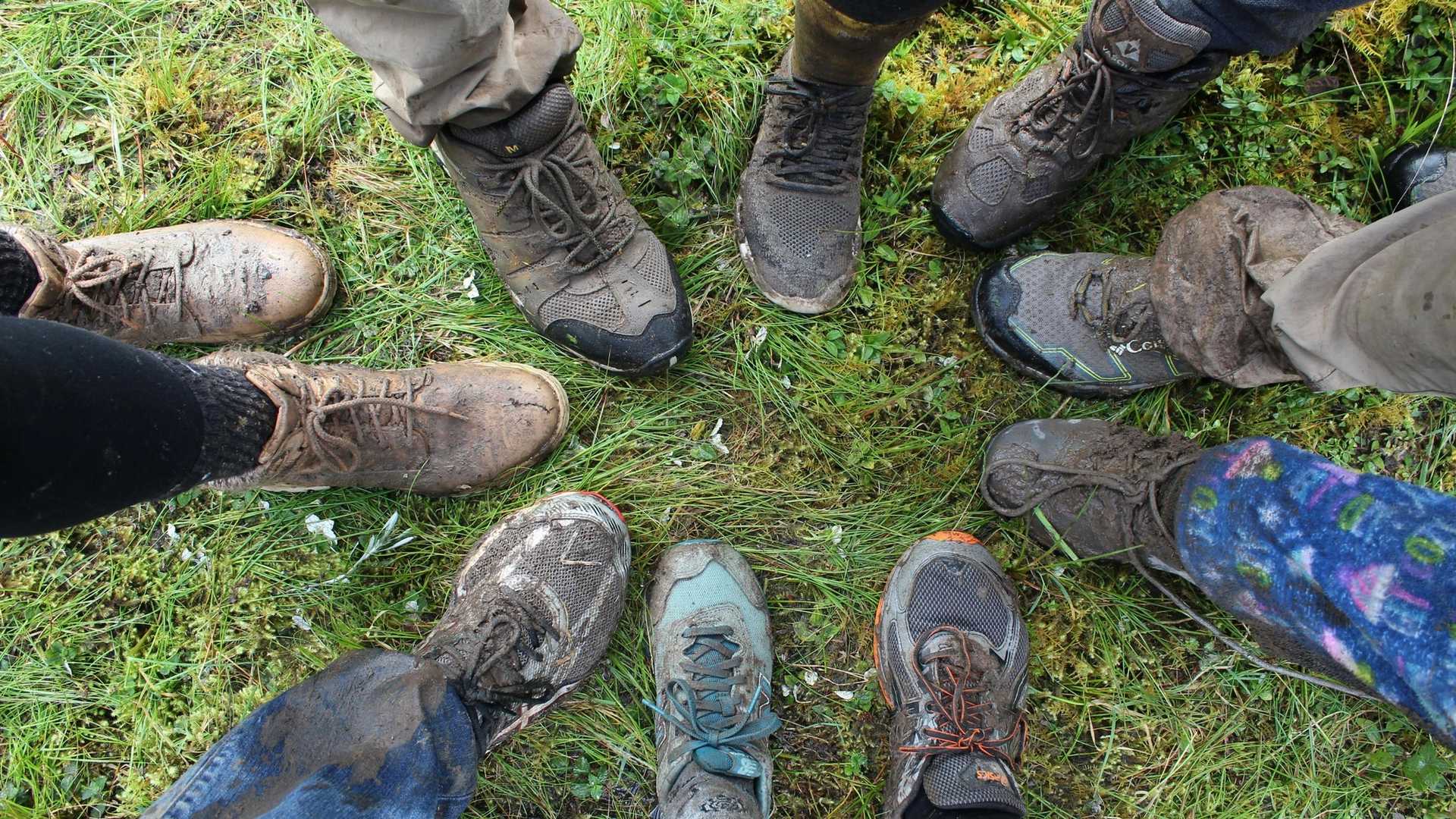
Foot comfort becomes increasingly important on multi day routes. If you are still deciding on footwear, this guide to choosing the best walking shoes offers practical advice for different terrains.
Most walkers find that organisation matters as much as the gear itself. Packing cubes and dry bags make daily packing quicker and reduce unnecessary unpacking.
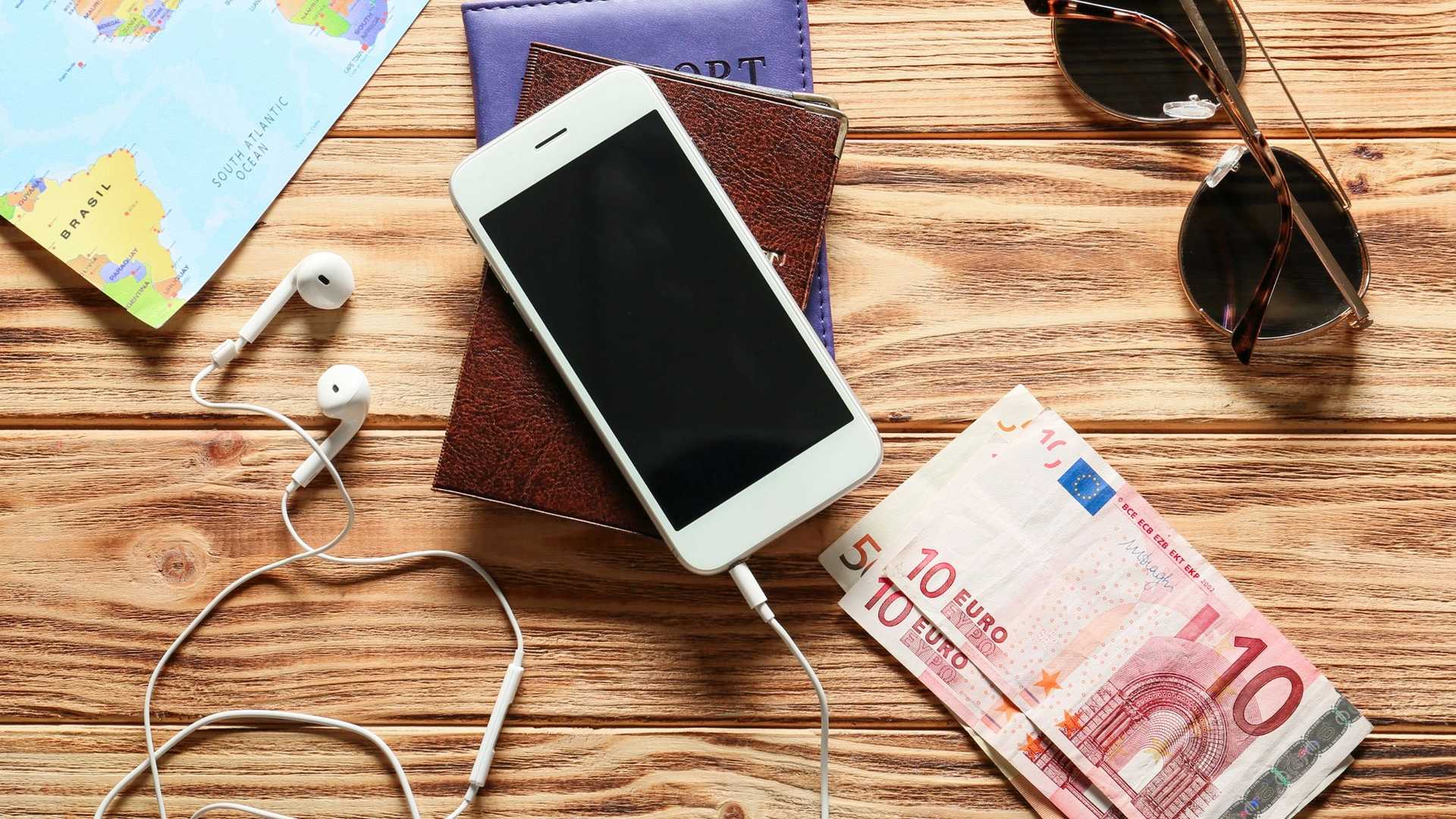
If you are exploring multiple regions, especially on walking holidays in Europe, offline maps are particularly useful in rural areas with limited signal.
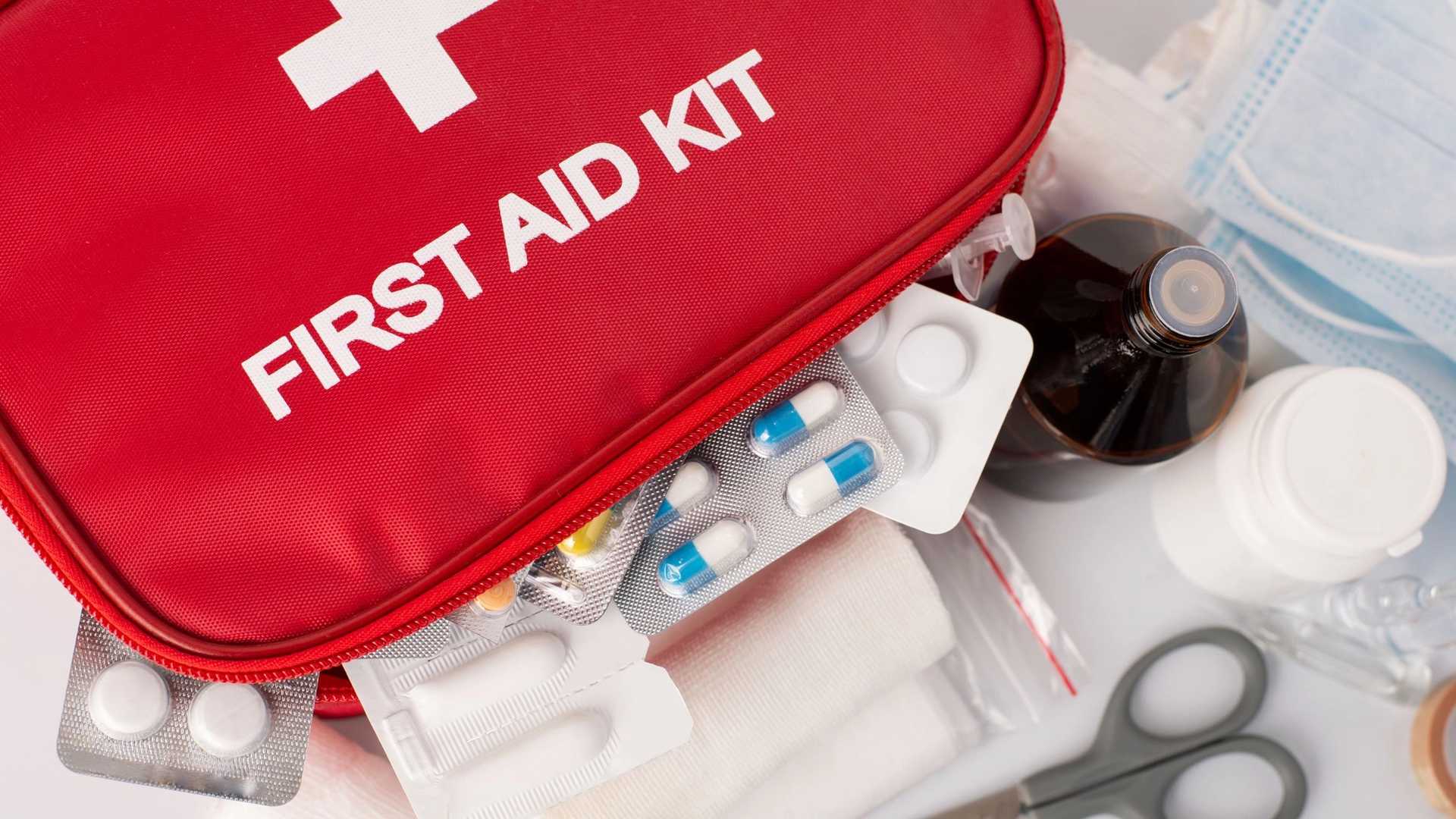
A compact first aid kit is usually enough. Most walkers only need supplies for small blisters, aches, and minor cuts.
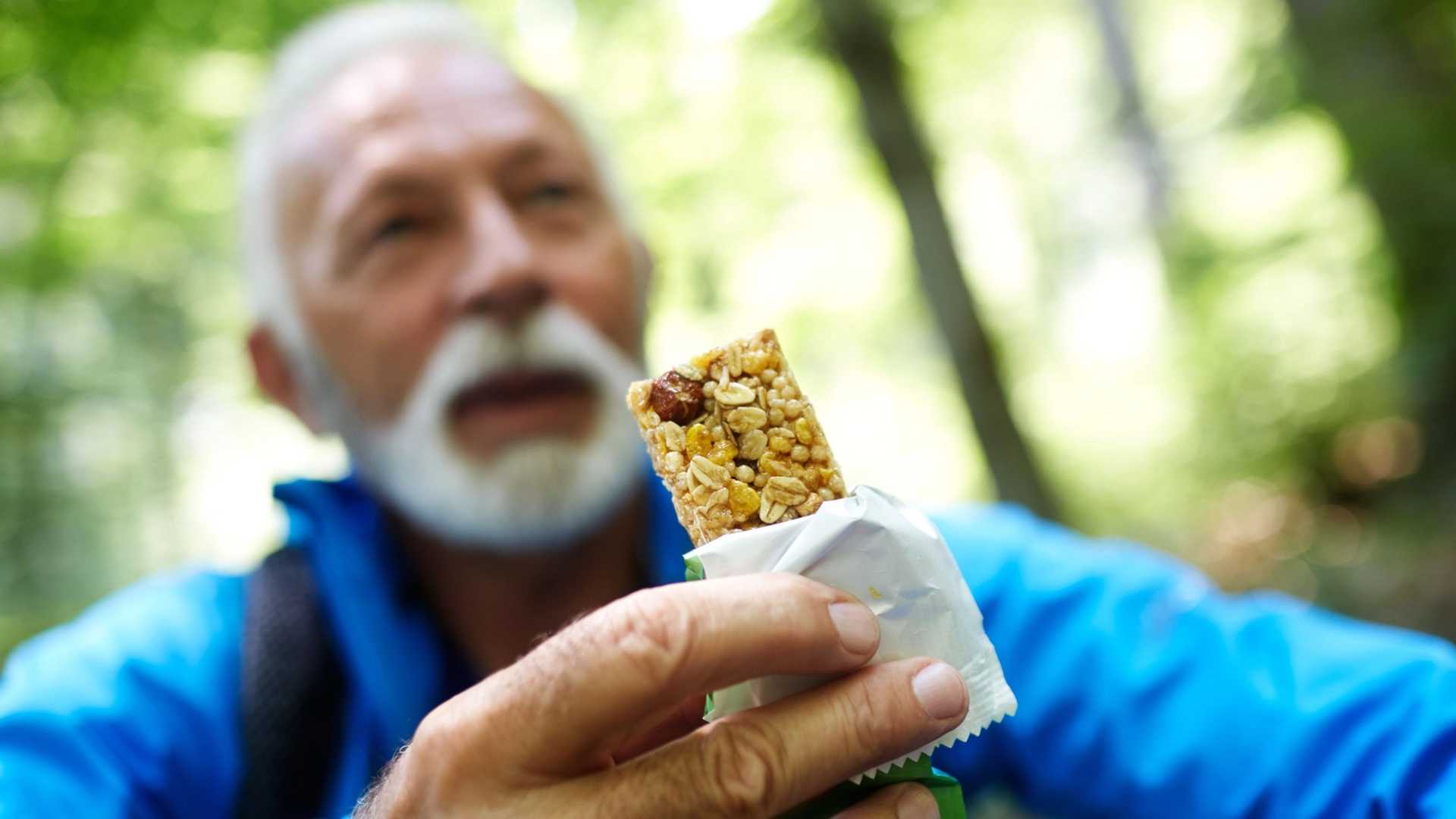
Many European walking routes pass through villages and cafés regularly, so there is rarely a need to carry excessive food.
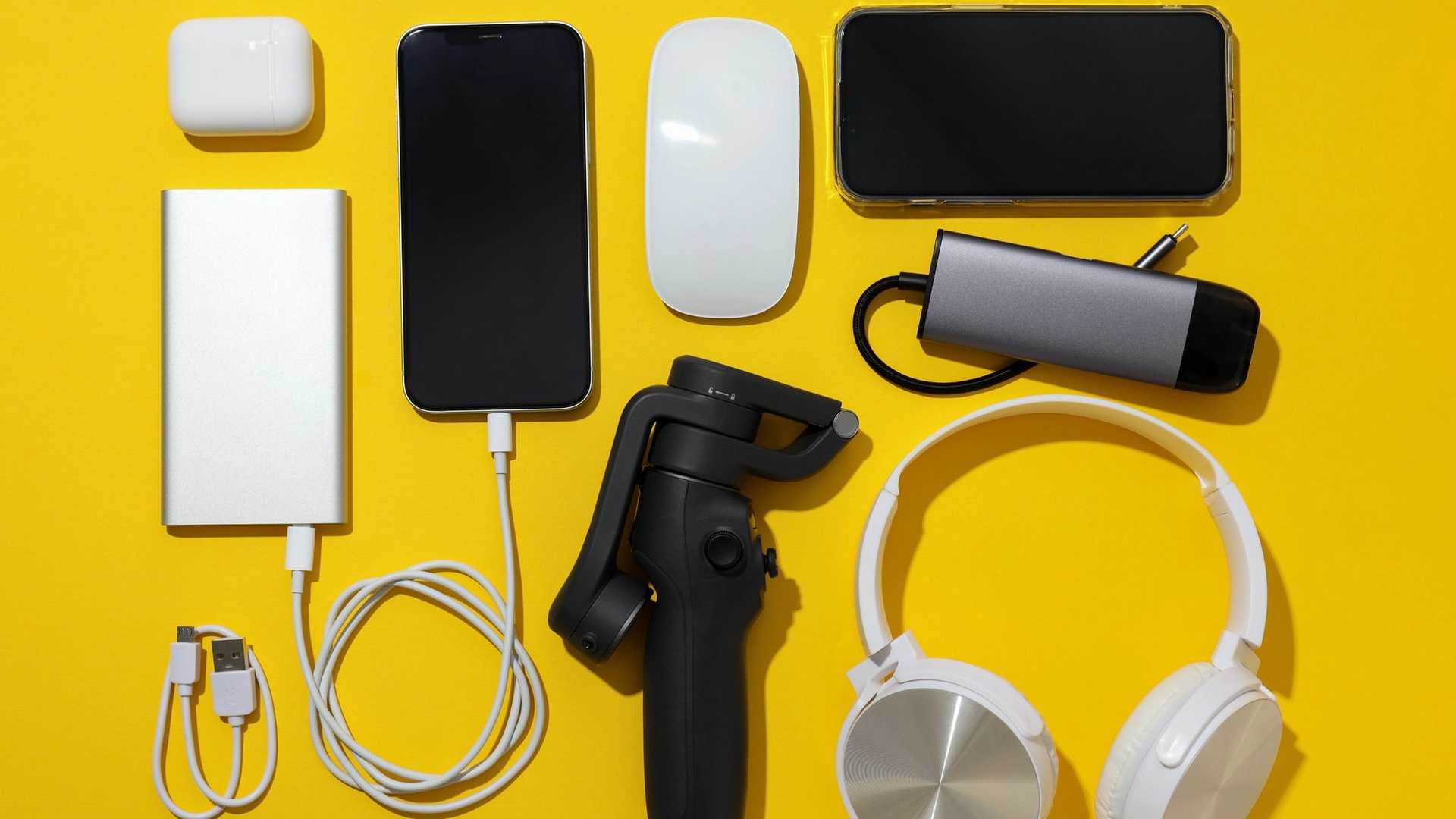
Many walkers enjoy keeping a simple journal during longer trips, especially on quieter routes where the slower pace naturally encourages reflection.
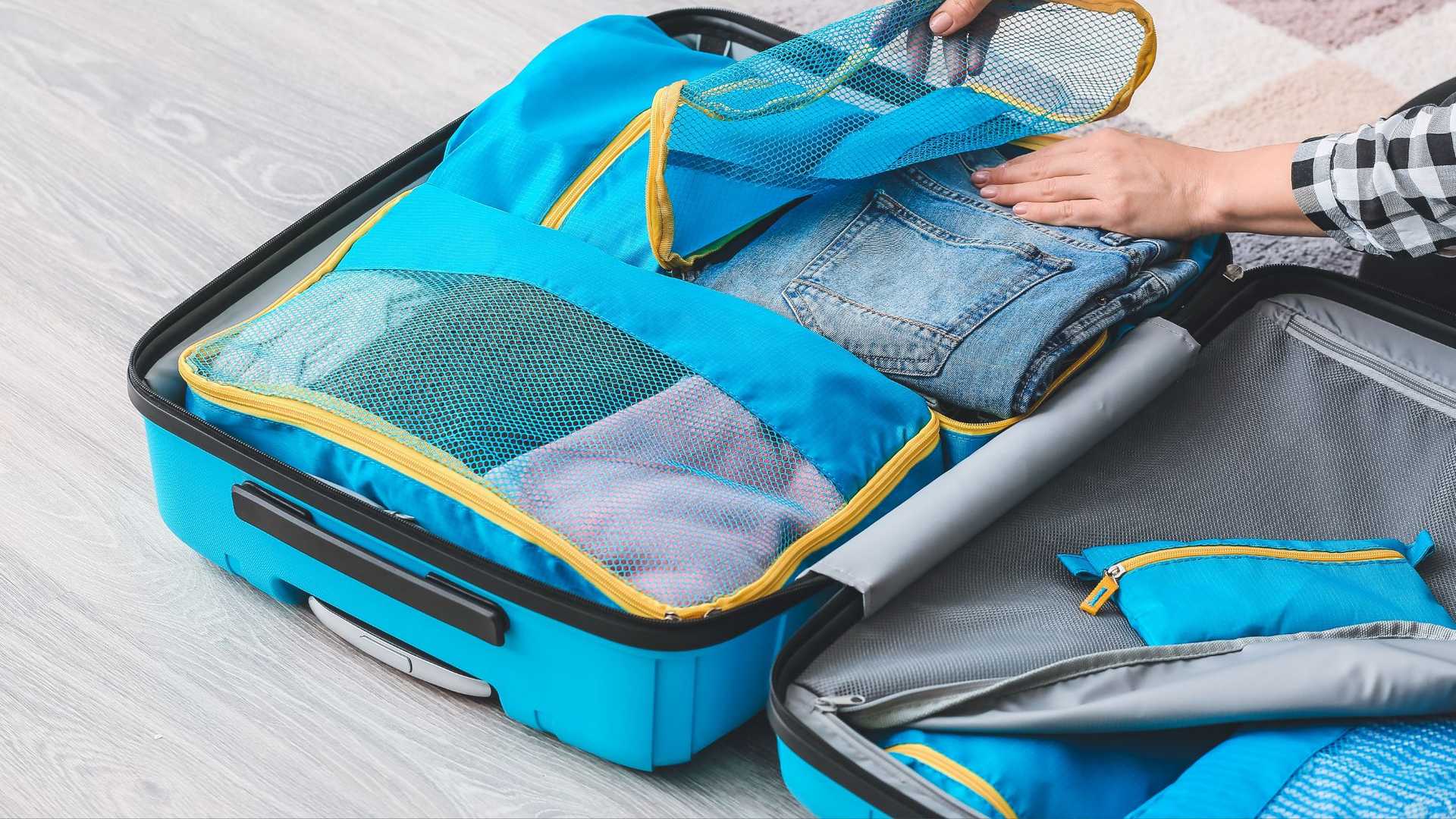
Most people wear the same core walking clothes repeatedly throughout a trip. Lightweight technical clothing dries quickly and reduces the need for extras.
Small practical items often become the most valuable things in your backpack after several days of walking.
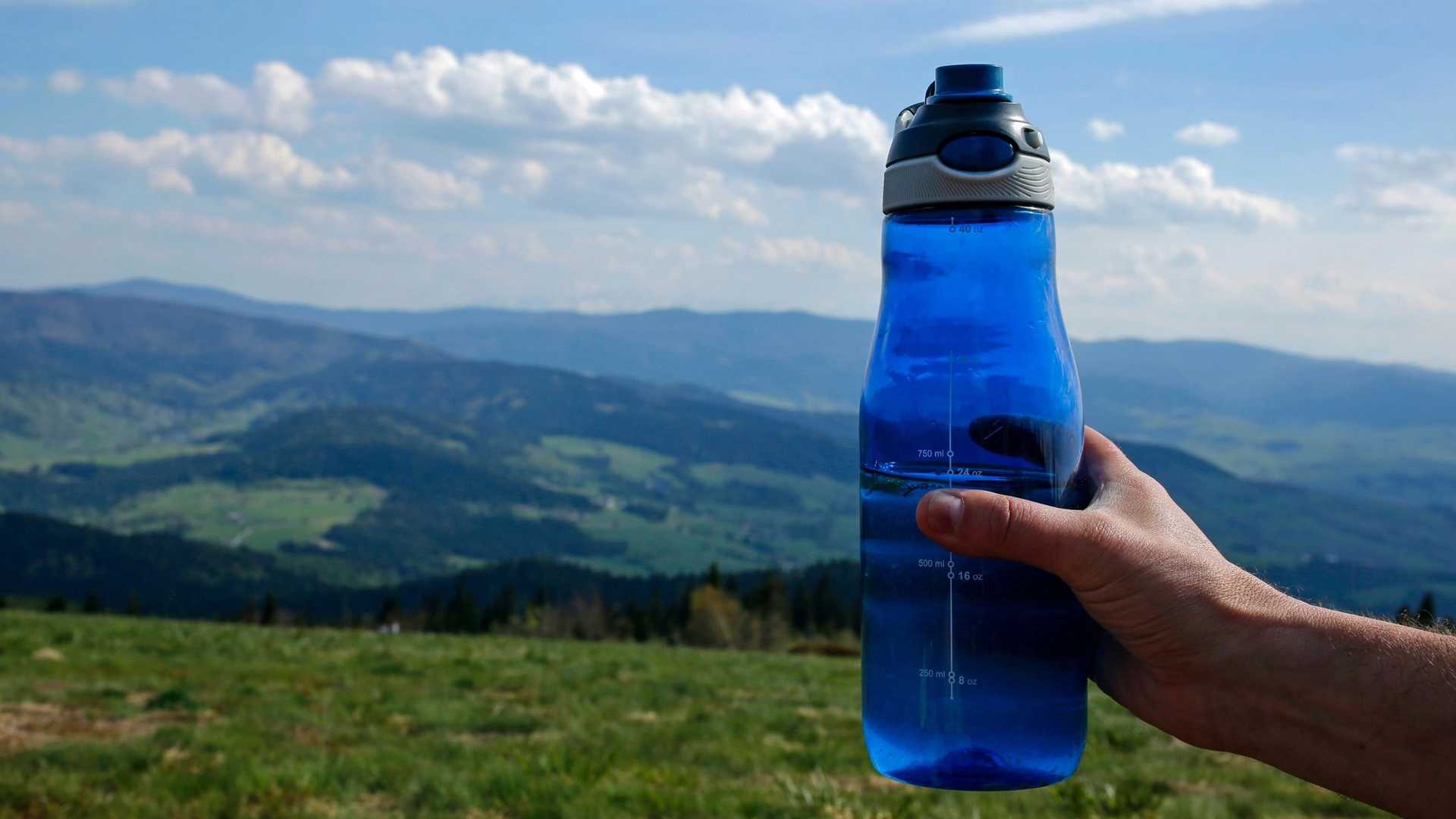
Packing lighter is not only easier physically, it is often more sustainable too.
Reusable water bottles, refillable toiletries, and durable walking gear reduce waste across longer trips. Choosing quality items that last for years also reduces unnecessary replacements.
Many walkers are now combining practical packing with slower, lower-impact travel. This is especially relevant on routes designed around public transport and regional travel rather than flights and car hire.
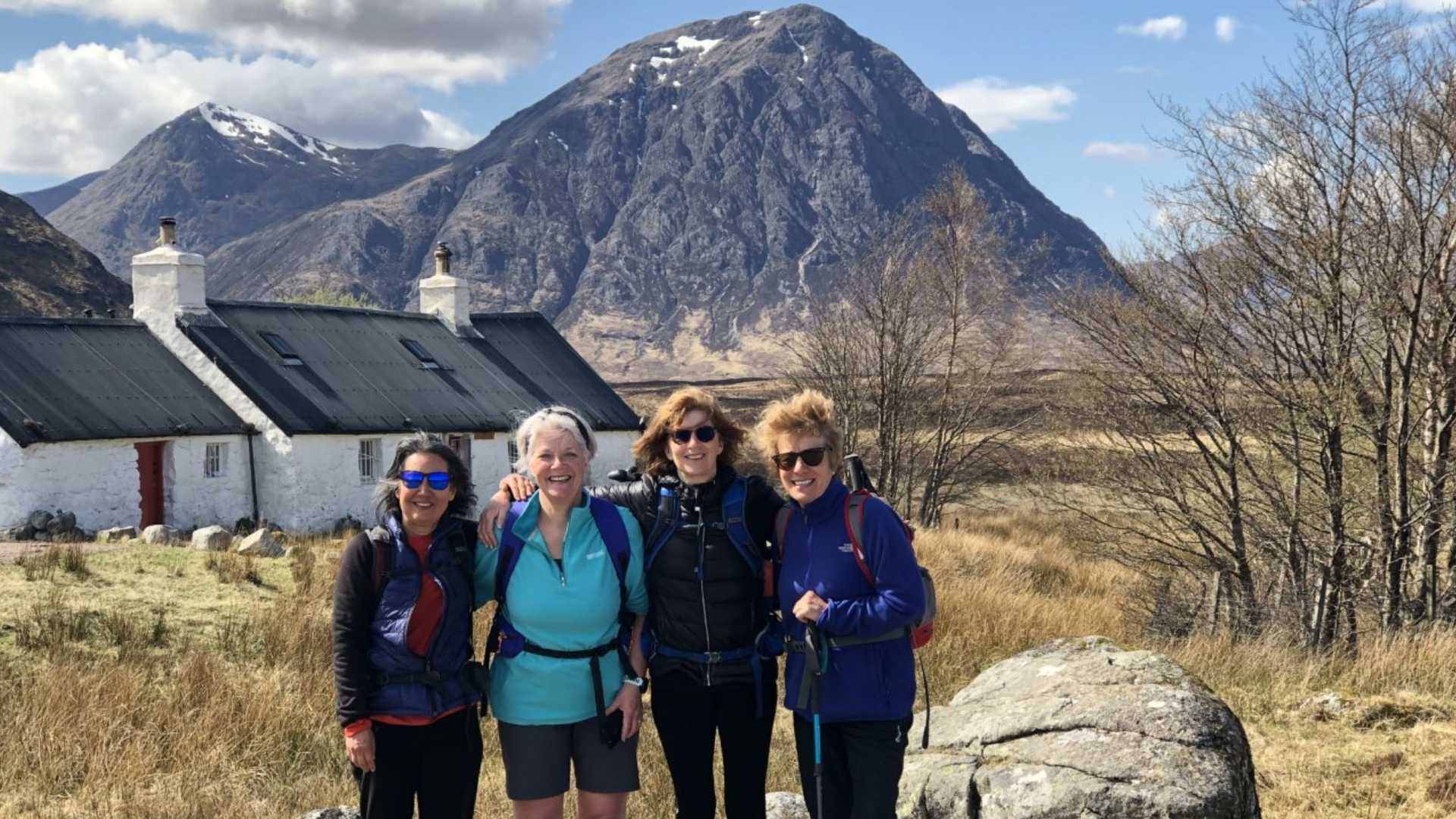
Weather conditions in the UK and Ireland can change rapidly, even during summer.
Waterproof layers, warm mid-layers, and spare socks are particularly important. If you are planning seasonal routes, these best places to walk in autumn can help with route inspiration and weather expectations.
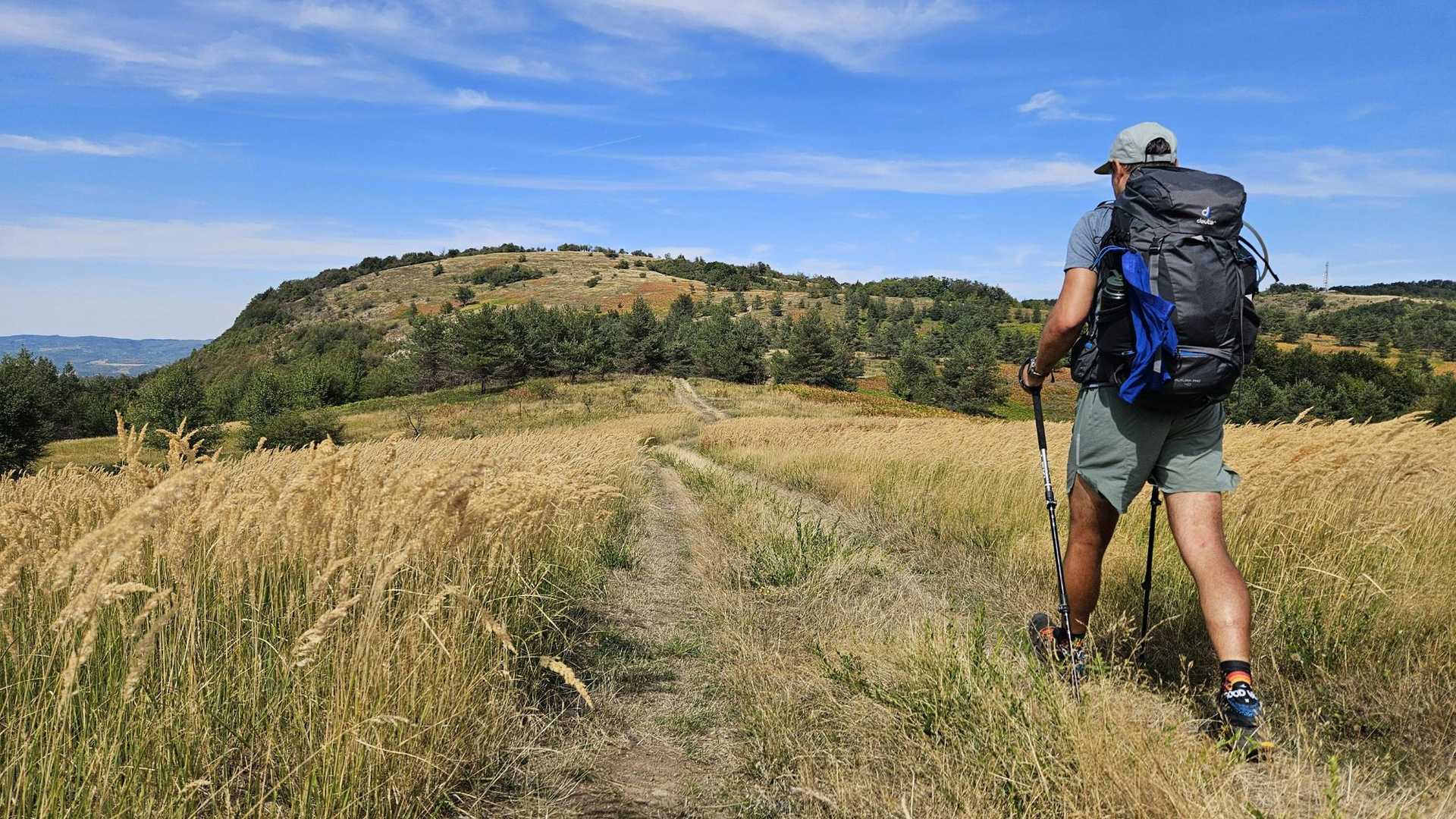
Walking holidays in Spain, Portugal, and Southern Italy usually require lighter clothing and stronger sun protection.
Breathable fabrics, sun hats, and hydration systems become more important than heavy waterproof layers, although a lightweight rain jacket is still worth carrying.
If you are planning warmer weather routes, these alternative summer walking routes are useful for avoiding overcrowded hotspots.
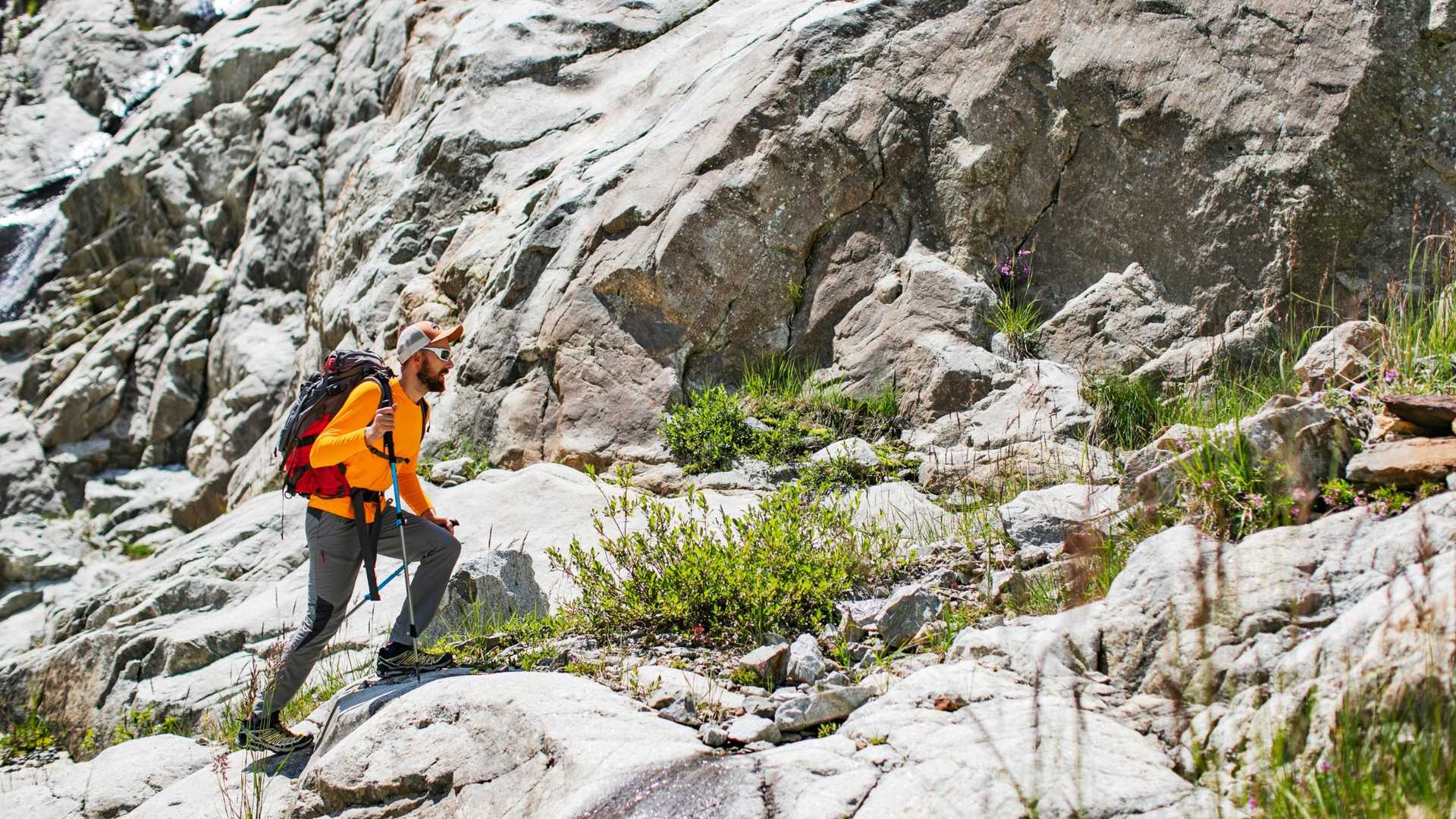
Mountain routes often bring cooler mornings, stronger winds, and sudden weather changes.
Layering becomes essential, especially on higher-altitude routes where temperatures fluctuate significantly between valleys and exposed ridgelines.
One advantage of many self-guided walking holidays is luggage transfer support.
Instead of carrying all your belongings each day, your main luggage moves between accommodations while you walk with only a daypack.
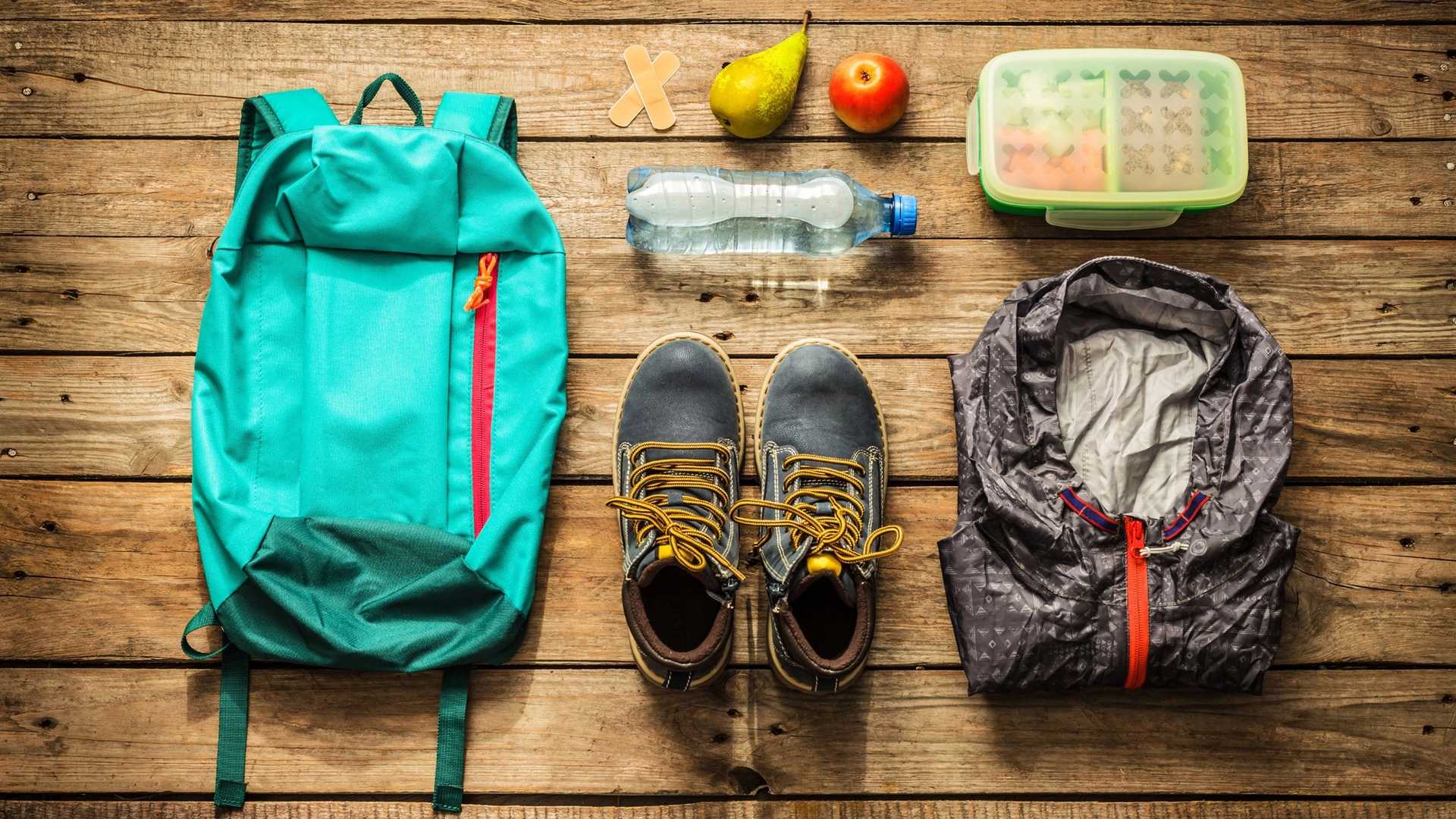
For most walkers, this creates a far more comfortable experience, especially on longer routes.
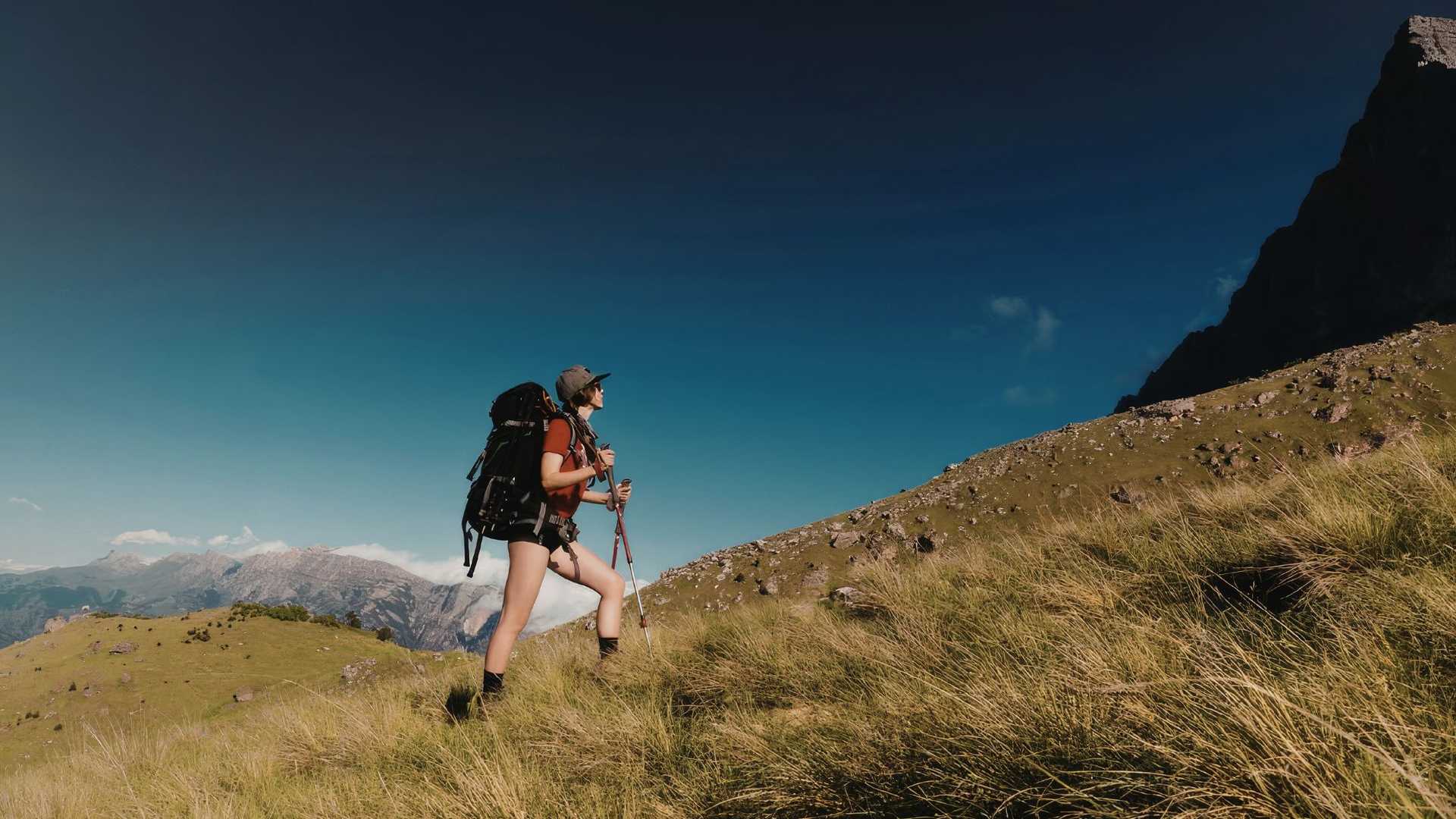
The best hiking packing list is usually the simplest one.
A walking holiday is not about carrying everything you might possibly need. It is about carrying the things that genuinely improve your comfort and confidence on the trail.
Before leaving, lay everything out and remove at least a few items. Most experienced walkers finish packing lighter than they originally planned.
Walking comfortably often starts long before the trail itself begins.
Focus on lightweight walking clothing, waterproof layers, comfortable footwear, navigation essentials, toiletries, and a compact first aid kit. Layering is usually more practical than packing bulky clothing.
For most day walks, your backpack should feel light enough to carry comfortably for several hours without strain. Many walkers aim for around 5–8kg for daypacks, depending on weather and terrain.
Usually, yes. UK walking holidays often require stronger waterproof protection and warmer layers, while Southern European routes prioritise breathable clothing, sun protection, and hydration.