Guided vs Self-Guided Walking Holidays: Which One Is Right
Carys
Loading content...
Carys
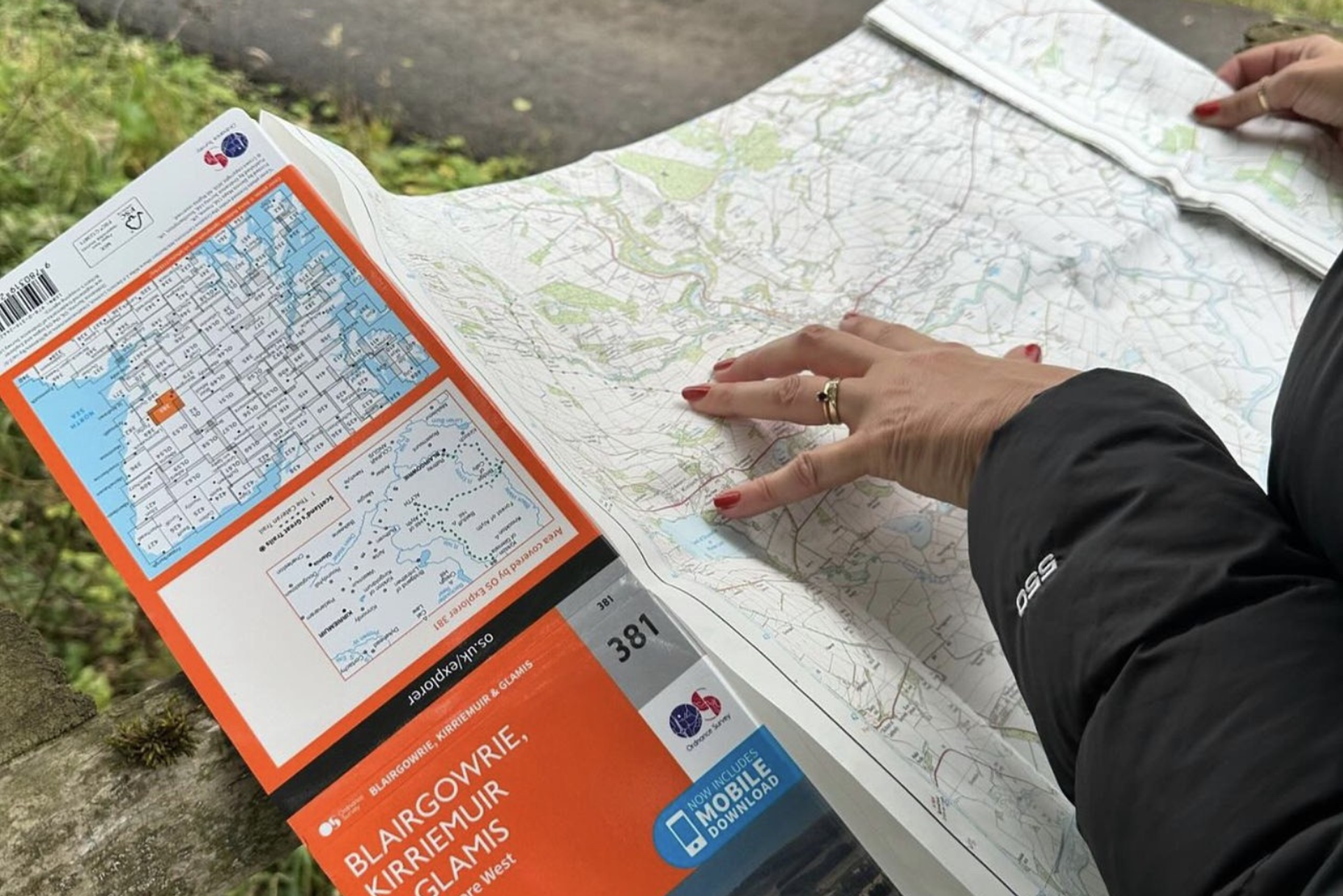
The main difference is simple. On a guided walking holiday, a guide leads the walk. On a self-guided walking holiday, you follow the route independently and decide the pace of your own day.
The better choice comes down to how you want that day to feel.
Would you rather have someone leading the way, explaining what you pass and keeping the group moving together? Or would you rather leave after breakfast when you are ready, stop at a viewpoint for as long as you like and reach the next village at your own pace?
Self-guided walking sits between a guided tour and organising the entire trip yourself. You keep the independence of walking without a guide, while much of the preparation can still be taken care of before you arrive.
A self-guided walking holiday is a trip where you follow a planned walking route independently, without a guide accompanying you.
Exactly what is arranged varies between companies. Accommodation, route information, luggage transfers and other parts of the trip may form part of the package, leaving you responsible for following the route and managing your own walking day.
That changes the rhythm of the holiday.
You decide when to leave in the morning. If you want another coffee before setting out, you can have one. If the cloud lifts just as you reach a ridge, you can wait. Lunch can take twenty minutes or an hour.
Holly Robertson describes much the same pleasure in her account of walking alone. For her, part of the appeal is stopping for photographs, taking breaks whenever she wants and walking without having to adapt the day to somebody else’s schedule.
That freedom comes with responsibility. You need to follow the route, keep an eye on the weather and judge your own pace.
Self-guided does not mean unsupported, though. With Celtic Trails, accommodation, breakfast, route planning and your walk pack are arranged in advance. Your main bag moves ahead to the next stop, so you walk the day with only what you choose to carry.
And self-guided does not have to mean walking alone. You can bring your own companions and still keep the freedom of a self-guided trip. If that is how you prefer to travel, you can explore group walking holidays.
For a fuller look at how the format works, read what is a self-guided walking holiday?
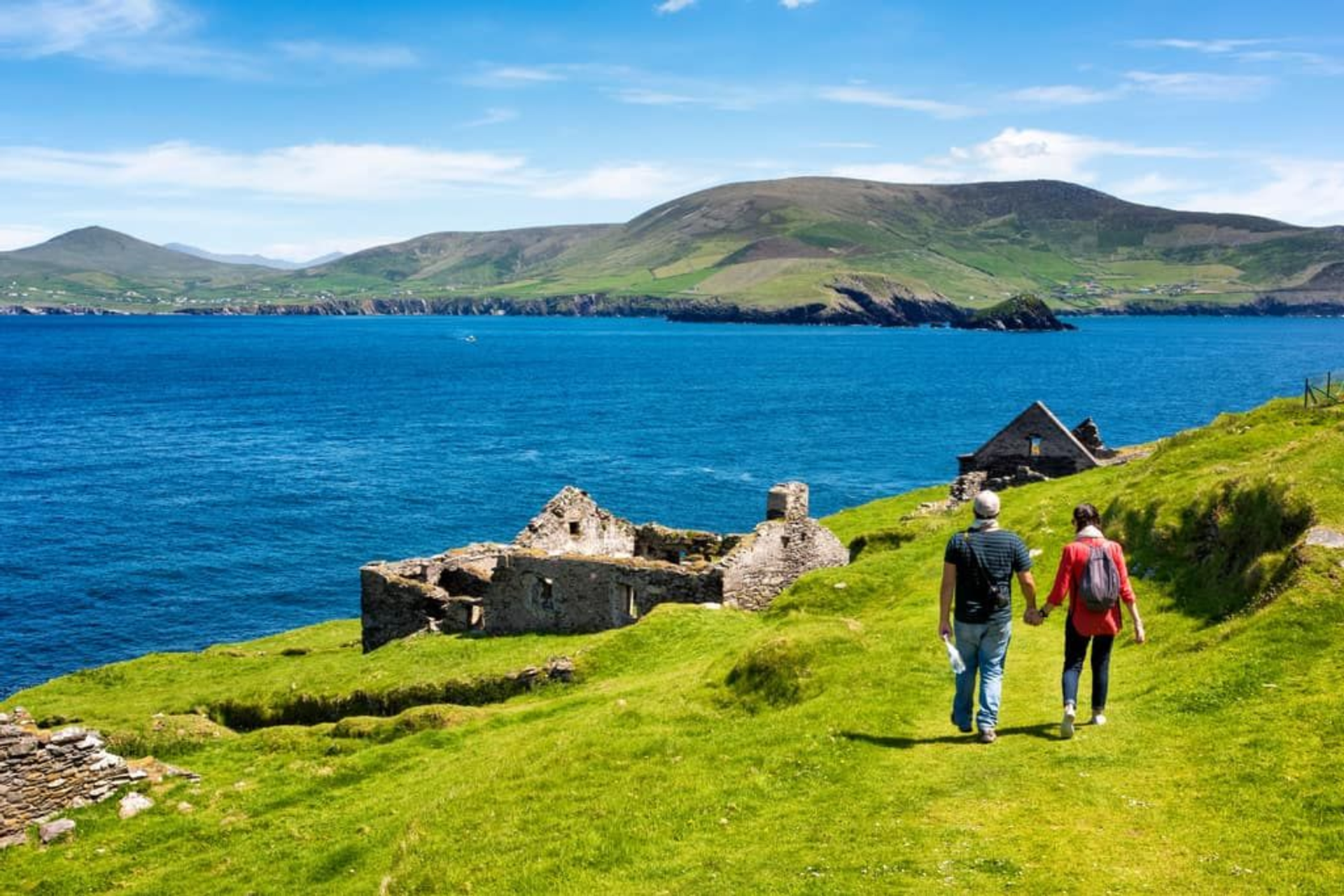
A guided walking holiday has a guide or walk leader accompanying you on the route. You will usually follow an agreed itinerary and walk with other members of the group.
A knowledgeable guide can add a great deal to a walk. History, wildlife, geology and local stories can be explained as you encounter them rather than researched afterwards. There is also someone taking responsibility for the route and helping the group through the day.
The trade-off is less control over your own timetable.
A guide has a whole party to consider, so start times, stops and the general pace need to work collectively. That may suit you very well if companionship is part of what you want from the holiday. If you value being able to change your pace or linger somewhere that interests you, self-guided walking gives you more room to do it.
| Self-guided walking holiday | Guided walking holiday | |
|---|---|---|
| Pace and timings | You choose your start time, pace and stops | The day needs to work for the whole group |
| Route-finding | You follow the supplied route information | The guide normally leads the way |
| Local knowledge | Comes through route information and what you discover yourself | A guide can interpret places as you walk |
| Company | Walk alone or with your own companions | Company is built into the group |
| Privacy | More time to yourself or your own party | More time spent with the wider group |
| Cost | Varies according to accommodation and what the package includes | Includes the guiding service as well as the other package elements |
Price on its own tells you very little.
Check how many nights you are getting, the standard of accommodation, whether breakfast is included, what happens to your luggage and whether transfers are provided where the accommodation sits away from the trail.
A lower price may simply be a different holiday.
The main advantage of self-guided walking is that the day still feels like your walk.
That becomes particularly noticeable over several days. One morning you may be moving well and want an early start. The next, you might linger over breakfast while rain passes through. Somewhere you expected to walk straight through may turn out to deserve an hour.
You can settle into the pace that works for you and your companion rather than continually matching a larger party.
There is satisfaction in finding your own way too. You notice junctions, landmarks and changes in the ground because you are actively following the trail rather than simply following the person in front.
The responsibility sits with you as well.
Waymarks can disappear behind vegetation. A familiar-looking track can tempt you through the wrong gate. Wet weather changes the feel of ground that looked straightforward on paper. You need enough confidence to stop, check and make your own decisions.
If that sounds satisfying rather than worrying, self-guided walking will probably feel natural.
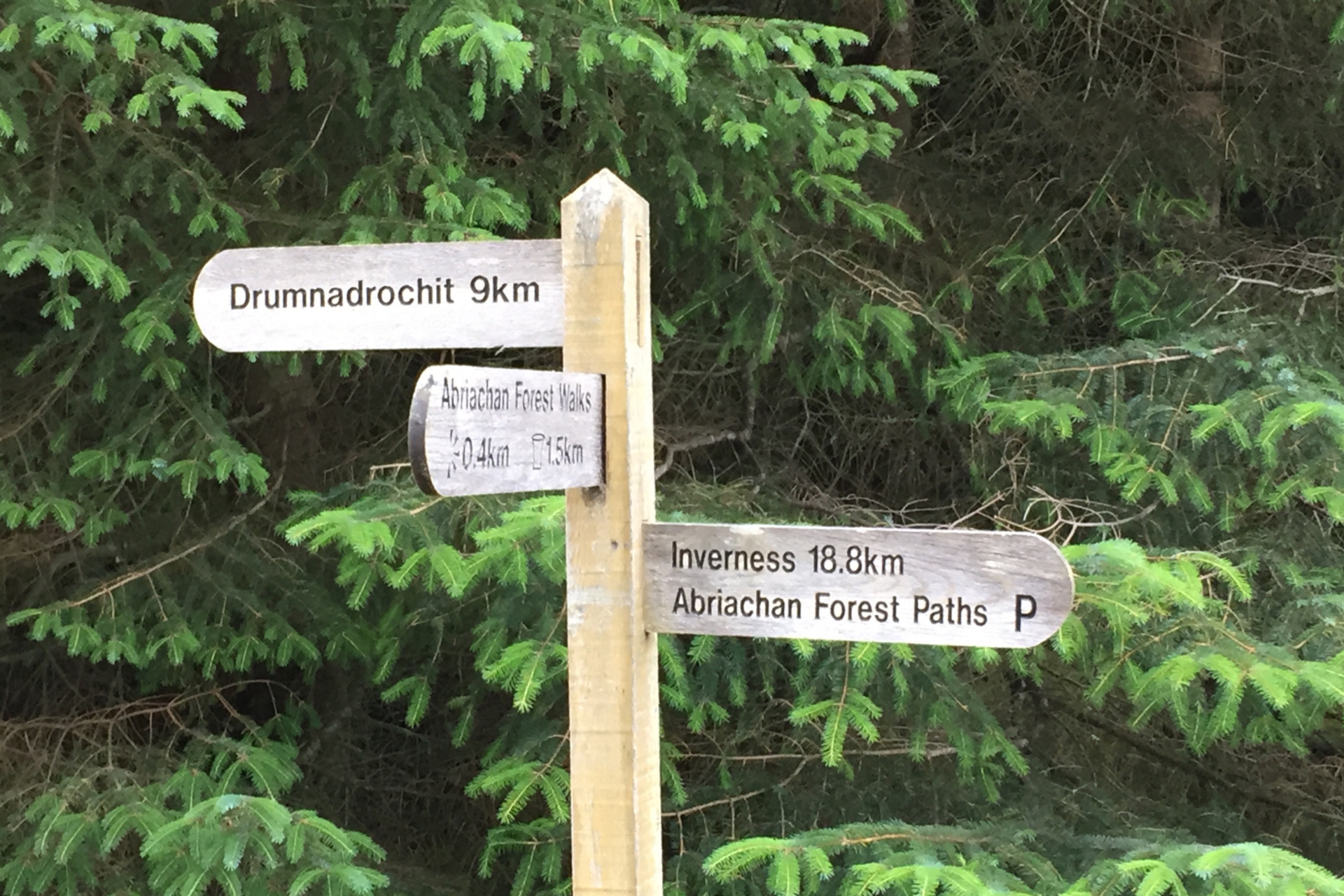
A guided walking holiday removes much of the route-finding from your day.
You have someone who knows where the group is going, keeps an eye on progress and can explain what you encounter along the way. If history or natural history is central to why you are travelling, having that knowledge beside you can add considerably to the experience.
The social side matters too. If you enjoy meeting new people, there is already a group around you and a shared experience to talk about over dinner.
The compromise is freedom.
Perhaps you walk faster than the group. Perhaps you walk more slowly. Perhaps you have reached a ruined church, headland or riverside pub and would happily stay there longer. A guided itinerary has to balance your wishes with everybody else’s.
Think about what usually makes a good walking day for you. Company and conversation may be part of it. Quiet may be part of it too.
Try to picture the actual walking day rather than choosing from a list of features.
It is nine in the morning. Your boots are on, breakfast is finished and the path starts outside.
Would you rather meet a guide and the rest of the group at an agreed time, knowing that somebody else will lead the day?
Or would you rather set off when you are ready, with the day’s route in front of you and nobody else’s timetable to consider?
Your reaction to that picture usually tells you more than a long list of pros and cons.
Self-guided is likely to suit you if you enjoy making your own decisions once you are out walking.
You may want a quiet day with your partner, time alone or simply the freedom to stop when somewhere catches your attention. You are happy following route information and comfortable judging your own pace.
The preparation can still sit with somebody else. You arrive knowing where you are sleeping and where you are heading next, then the walking day belongs to you.
If travelling alone is part of the appeal, Holly’s account of the reality of being a solo female walker is worth reading. She writes about both the freedom and the extra awareness that comes with walking independently.
You can also browse self-guided walking holiday ideas.
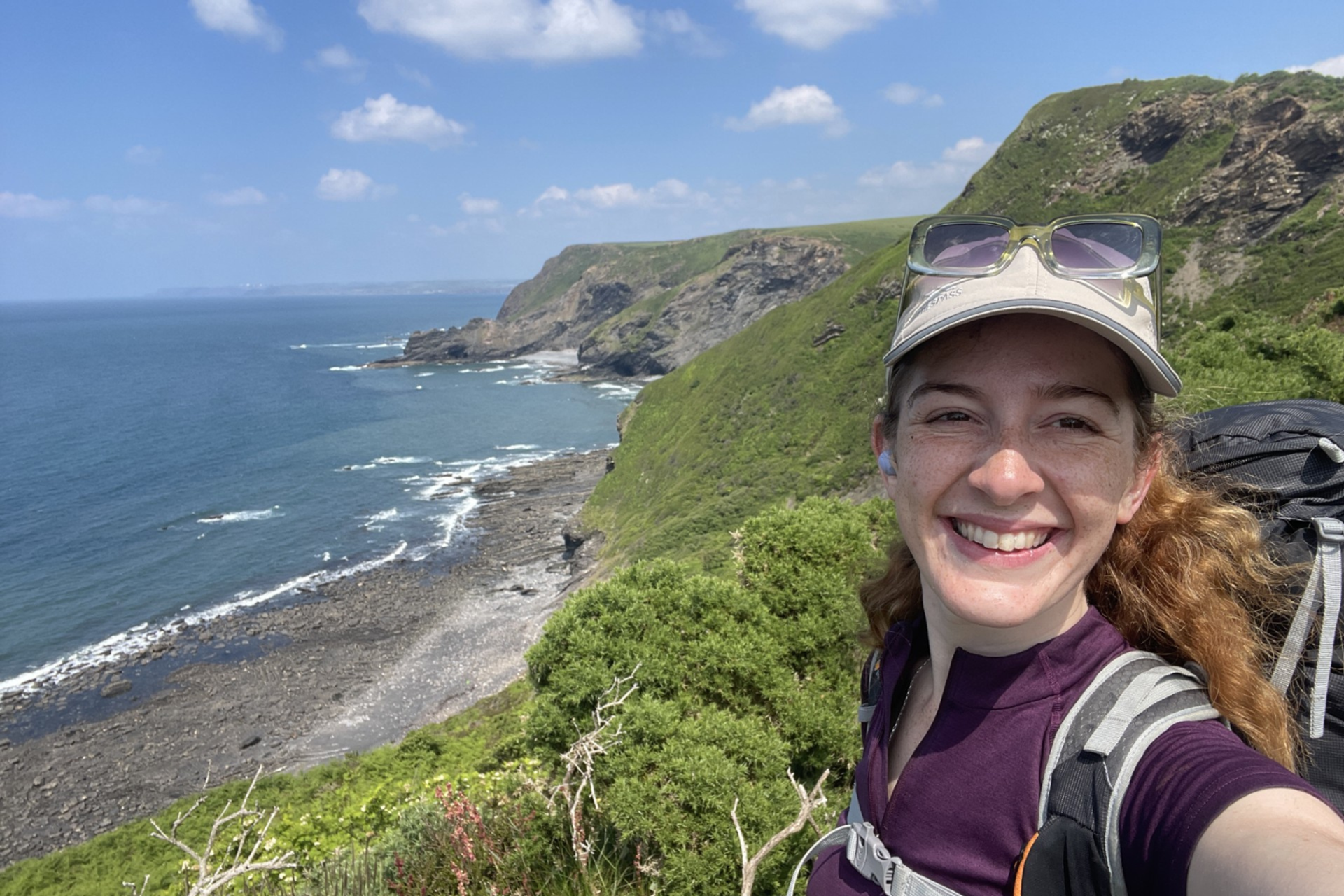
Guided walking may suit you better if having somebody lead the route would help you enjoy the day more.
Perhaps you want interpretation as you walk. You may like the idea of a ready-made group, particularly when travelling alone. Or you may simply prefer handing the route-finding decisions to somebody else while you concentrate on walking.
That structure can also be reassuring on a first multi-day trip if route-finding is the part giving you pause.
Beginners can enjoy either type of walking holiday. Choosing a route that suits your current ability matters more than whether a guide accompanies you.
A gentle self-guided route can be a better introduction than a demanding guided itinerary covering more ground than you are used to. Equally, if following a route independently would occupy your thoughts all day, walking with a guide may make the experience more enjoyable.
Mileage is only part of the picture. Terrain, ascent and descent, remoteness, weather and the amount of route-finding involved can all change how demanding a walking day feels.
Think about your own walking rather than the longest distance you have ever managed. How do you feel after several hours on your feet? Are hills part of your normal routes? How comfortable are you on rough or muddy ground? Could you get up the next morning and enjoy doing it again?
Our guide to how fit you need to be for a walking holiday can help you judge that before choosing a route.
If this is your first walking holiday, a little preparation also prevents small annoyances becoming the story of the week. Our walking holiday packing checklist covers what is worth bringing, while our guide to choosing walking boots, shoes or trainers helps you find footwear that fits comfortably and suits the terrain you'll encounter.
Choose guided if you want a leader beside you, company built into the trip and interpretation as you walk.
Choose self-guided if you want to set your own pace and make the walking day your own, while having the main arrangements sorted beforehand.
Celtic Trails has arranged self-guided walking holidays since 1997. You receive a free, no-obligation personalised estimate first, before deciding whether to book.
And once you are walking, your main bag moves ahead to the next stop, so you walk the day with only what you choose to carry.