Alsace Wine Route Walking Holiday
Walk through Grand Cru vineyards, medieval villages and the wooded Vosges foothills.
Walk Information
- Difficulty
- Moderate
- Distance
- 52.2 to 52.2 miles
Walk through Grand Cru vineyards, medieval villages and the wooded Vosges foothills.
FRA-AWR1 ~ Alsace Wine Route
From £1,080 Per Person
Explore our other walking holidays...
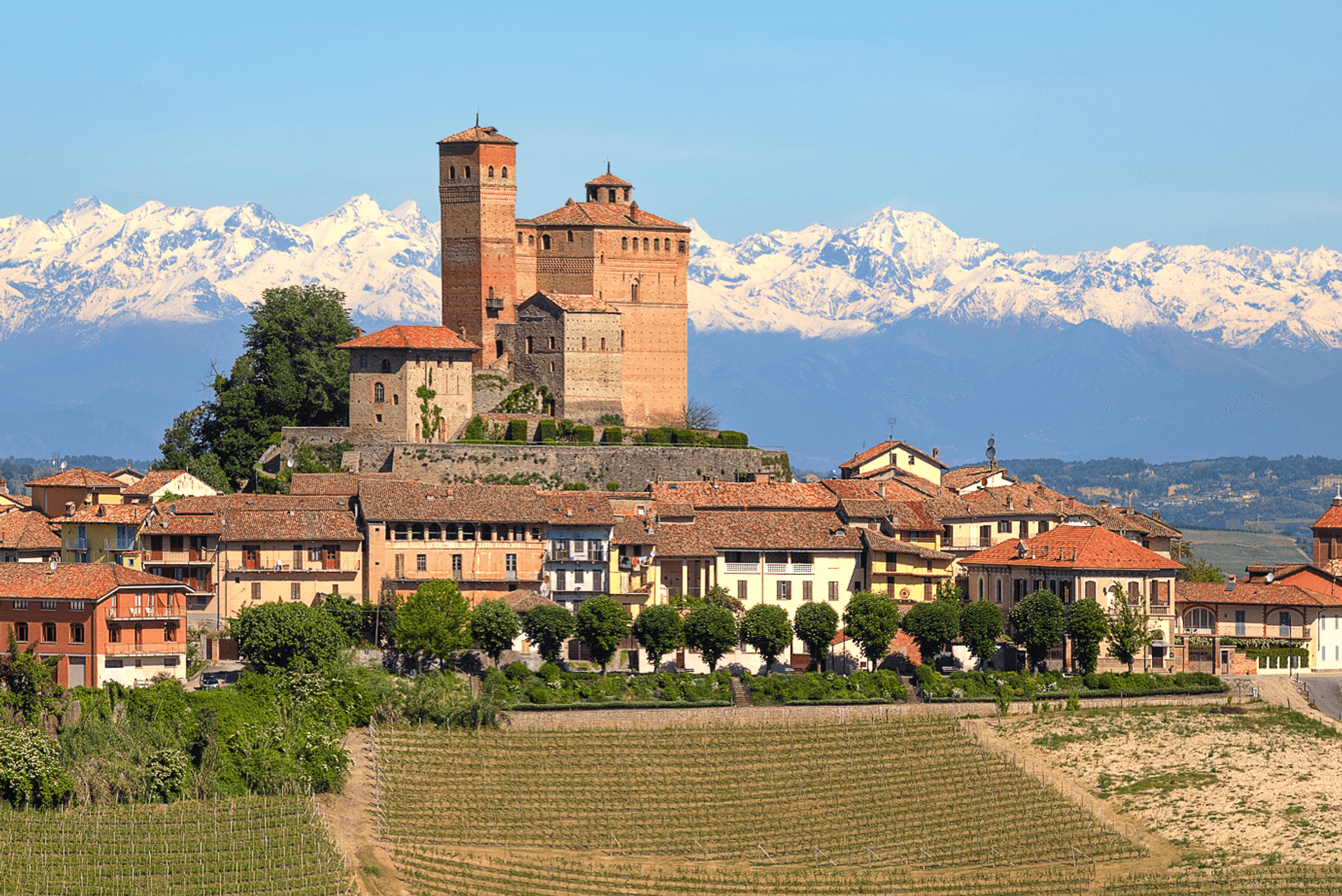
Northwestern Italy
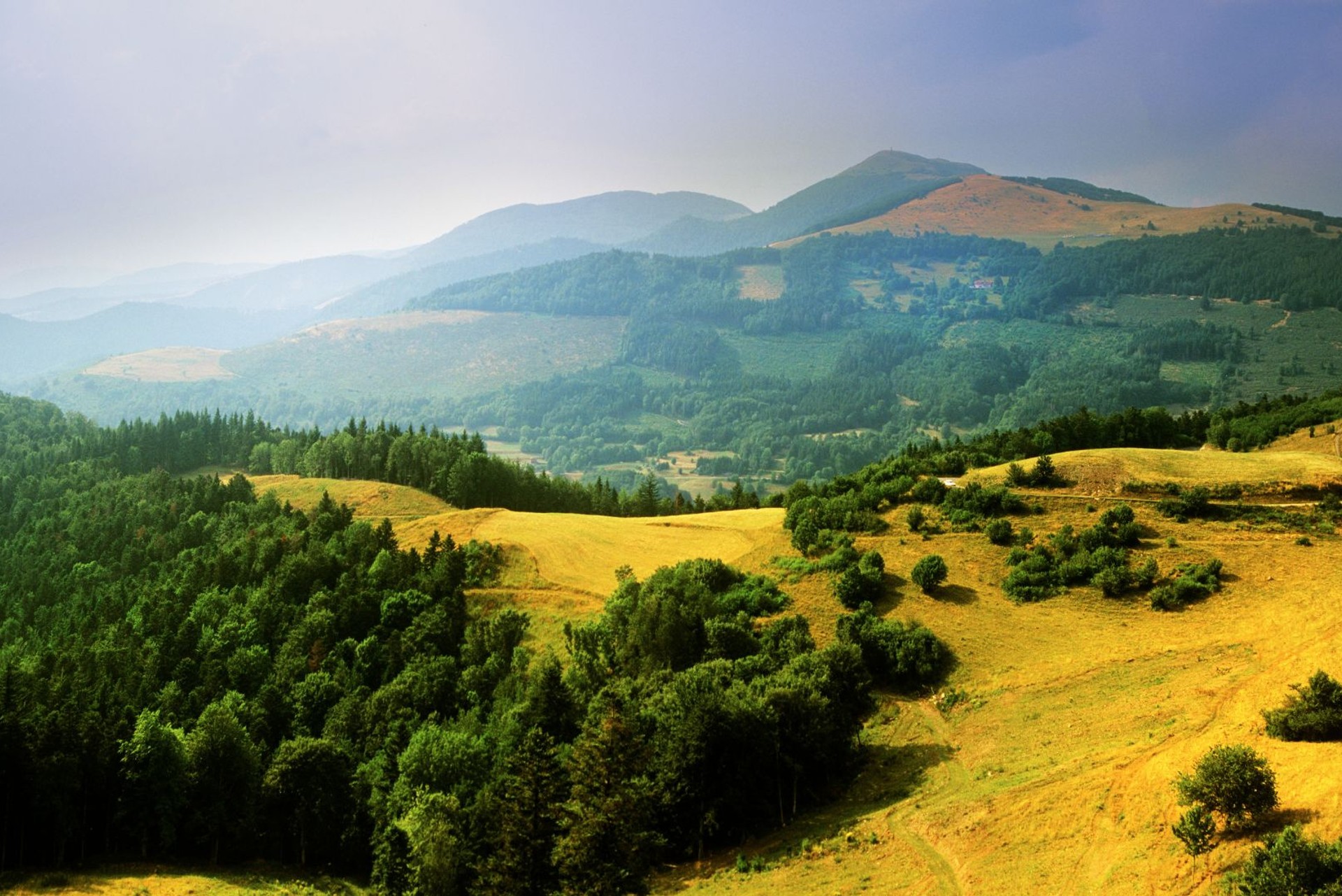
North-east France
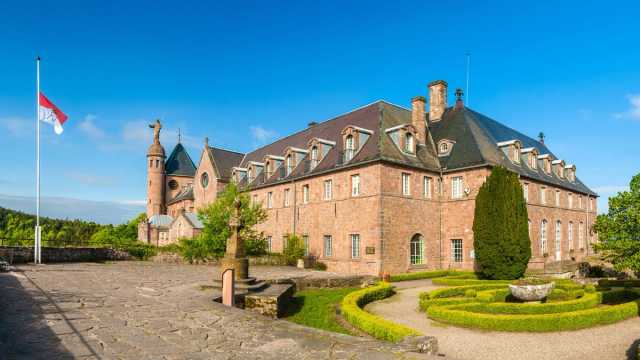
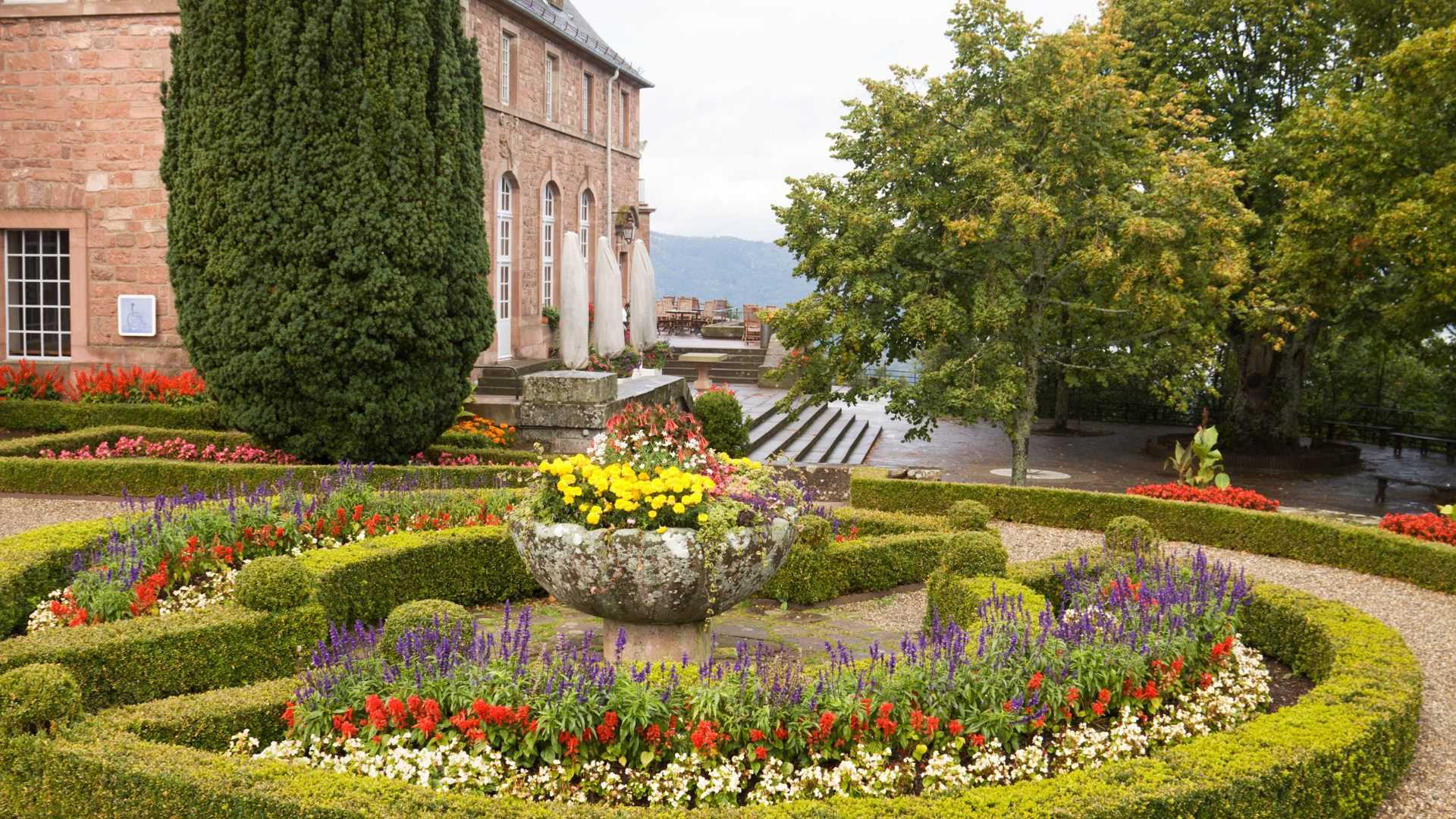
Set high above the Alsace Plain, Mont Sainte-Odile is reached by woodland paths from Barr. The hilltop monastery has long been a place of pilgrimage, and its position gives wide views east across the vineyards and villages of Alsace.
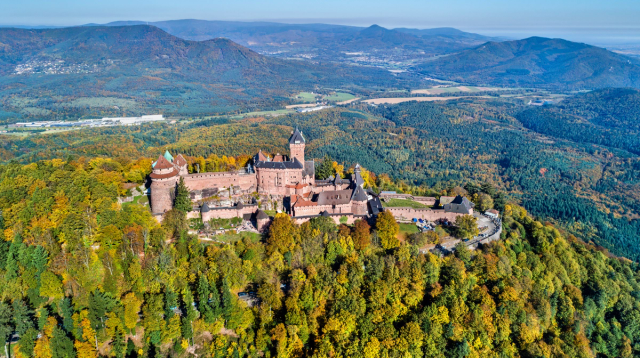
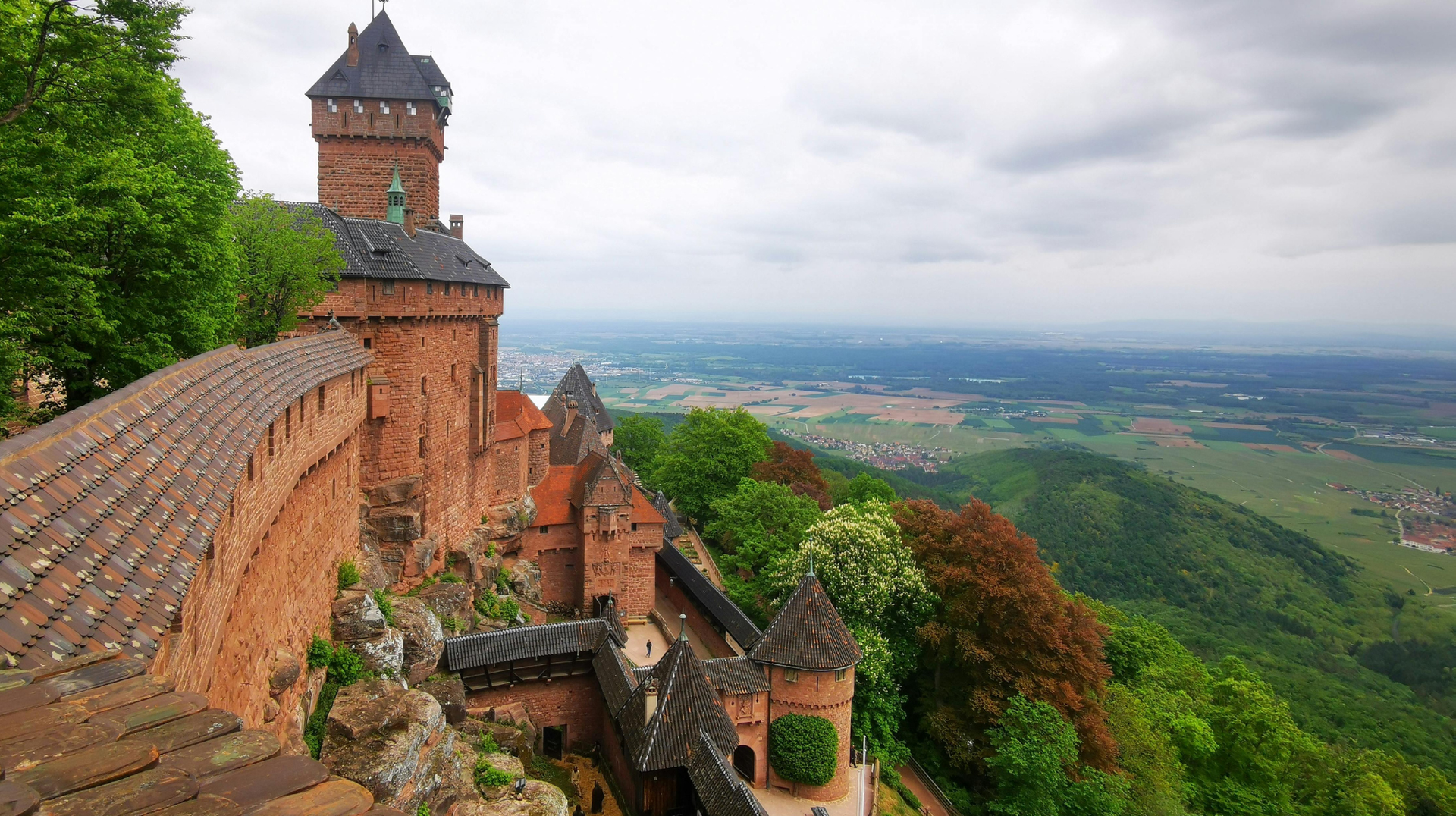
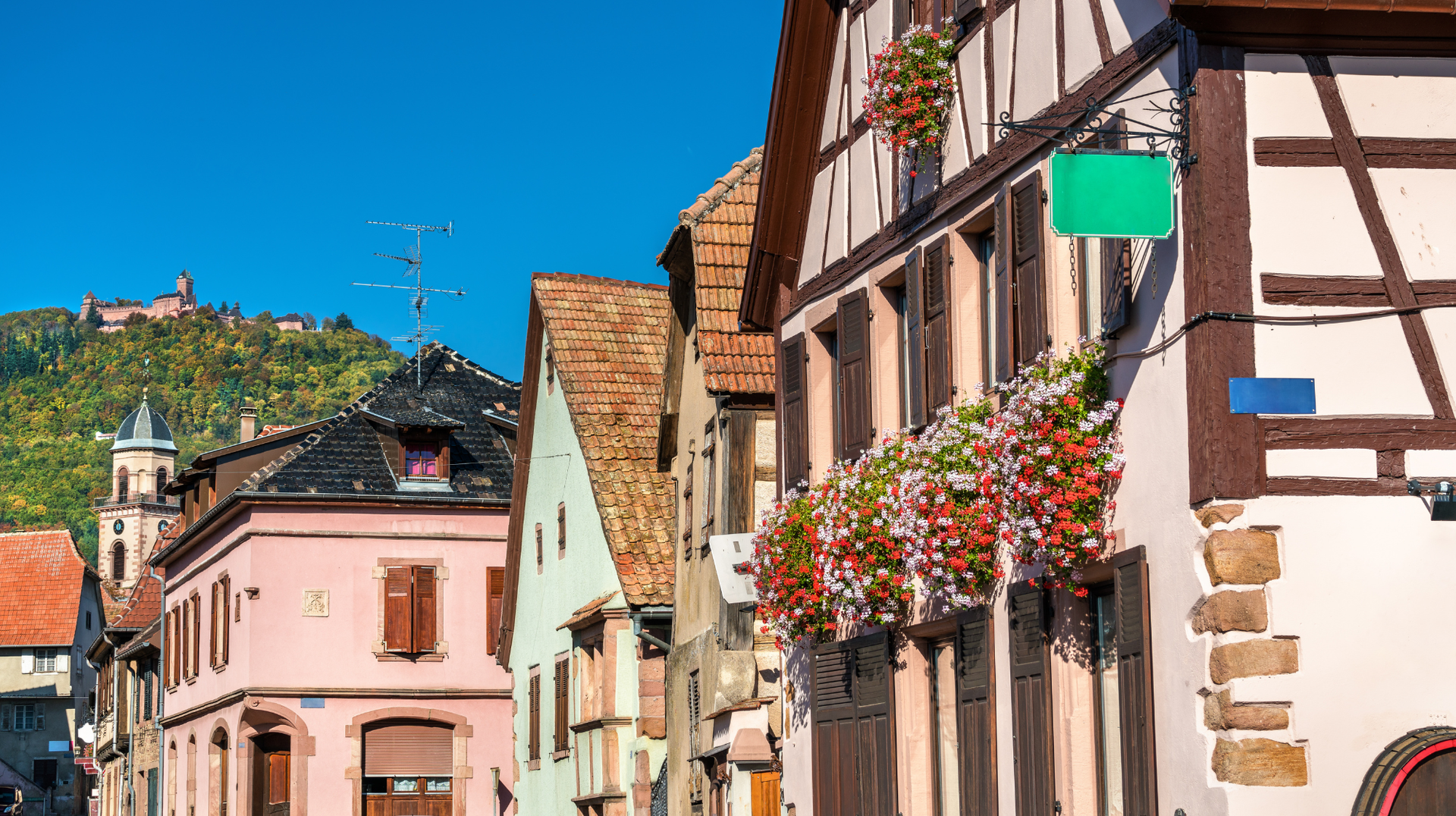
Château du Haut-Koenigsbourg stands on a ridge above the Alsace Plain, overlooking the vineyards around Saint-Hippolyte. Its fortified walls and towers make it one of the route’s clearest reminders that this landscape has been shaped by far more than wine.
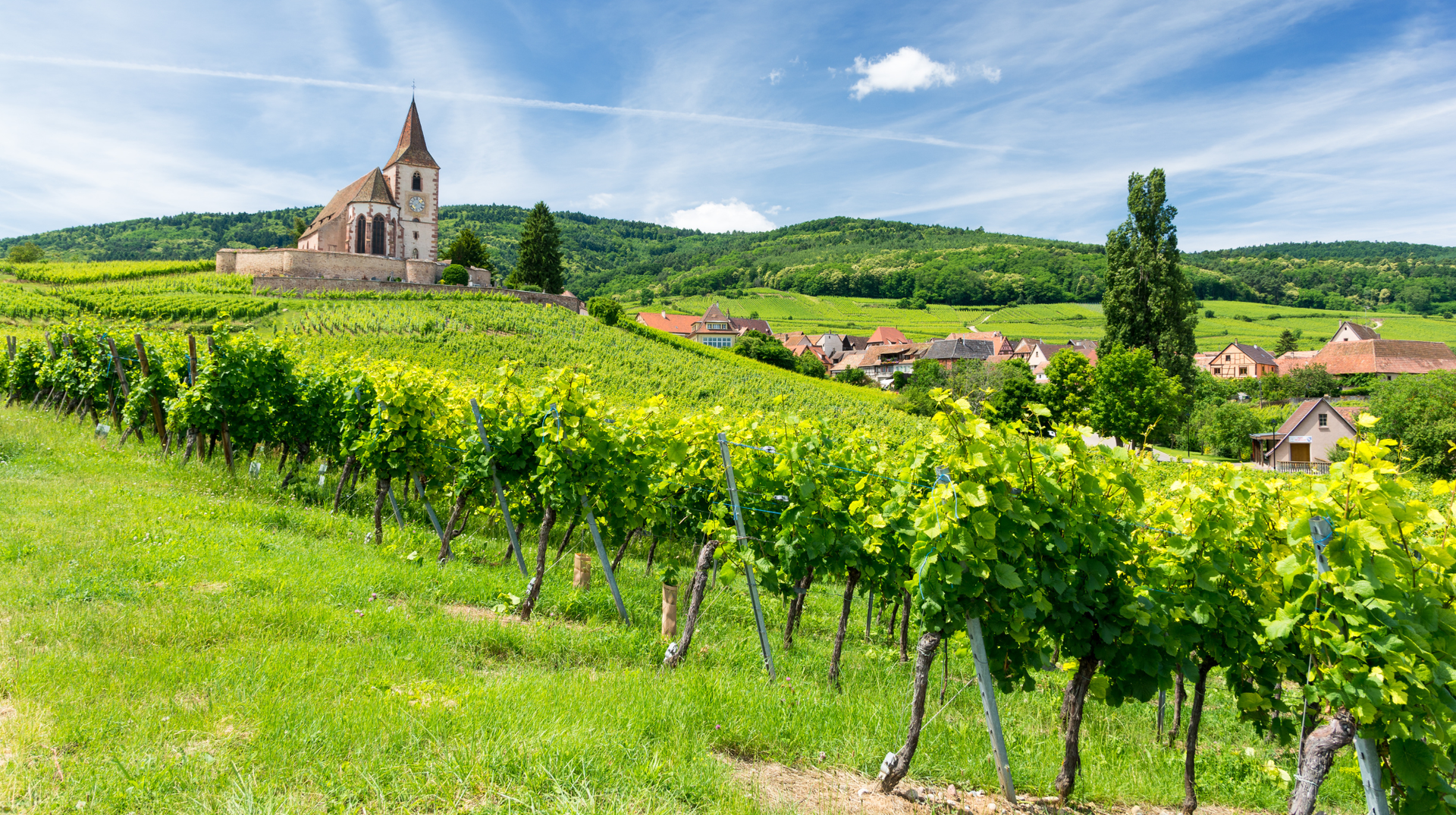
The Alsace Wine Route gives you far more than vineyard walking. From Barr, the route moves between wooded hills, Grand Cru vineyards and a succession of medieval wine villages, with the Vosges Mountains rising to the west.
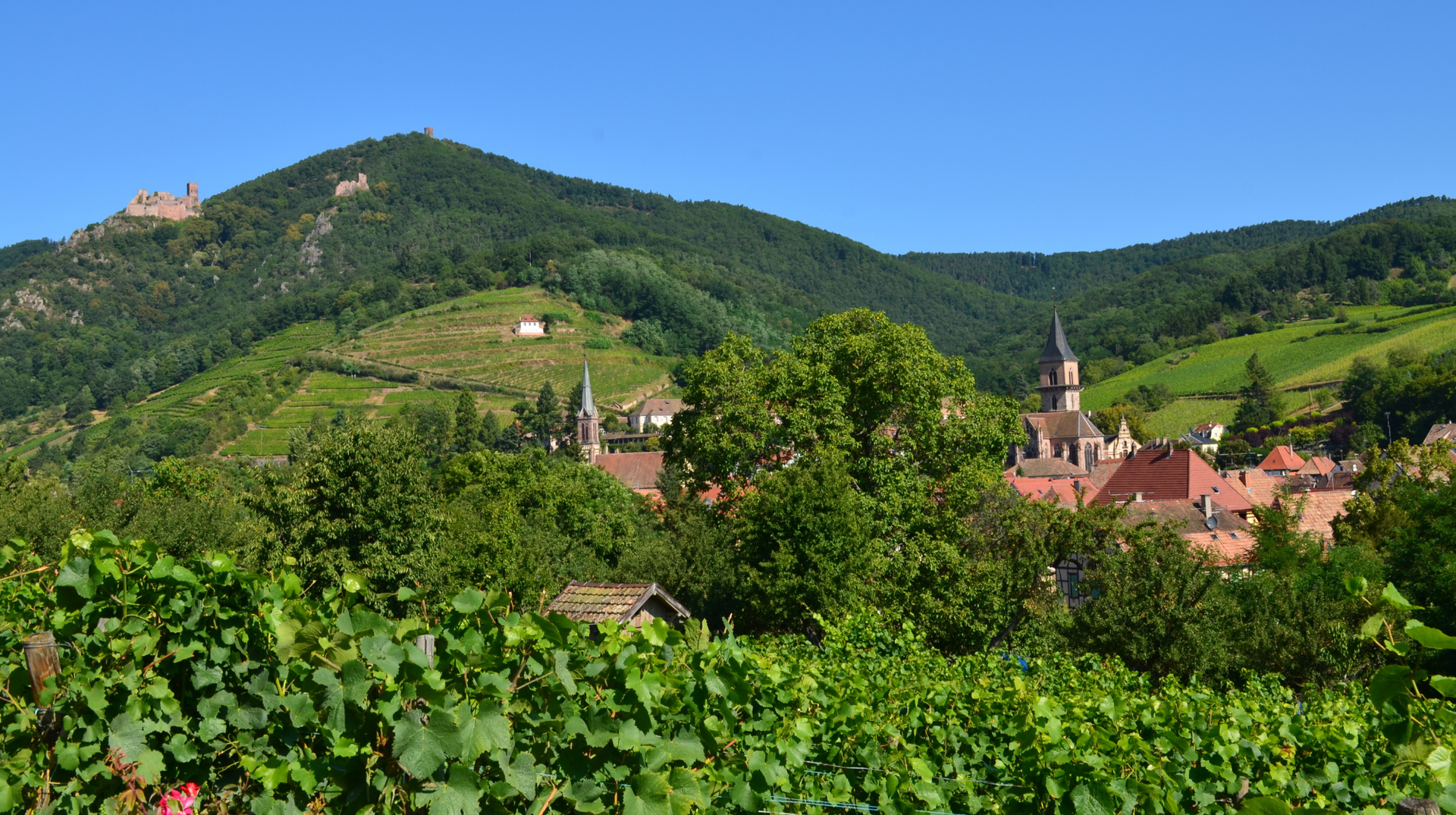
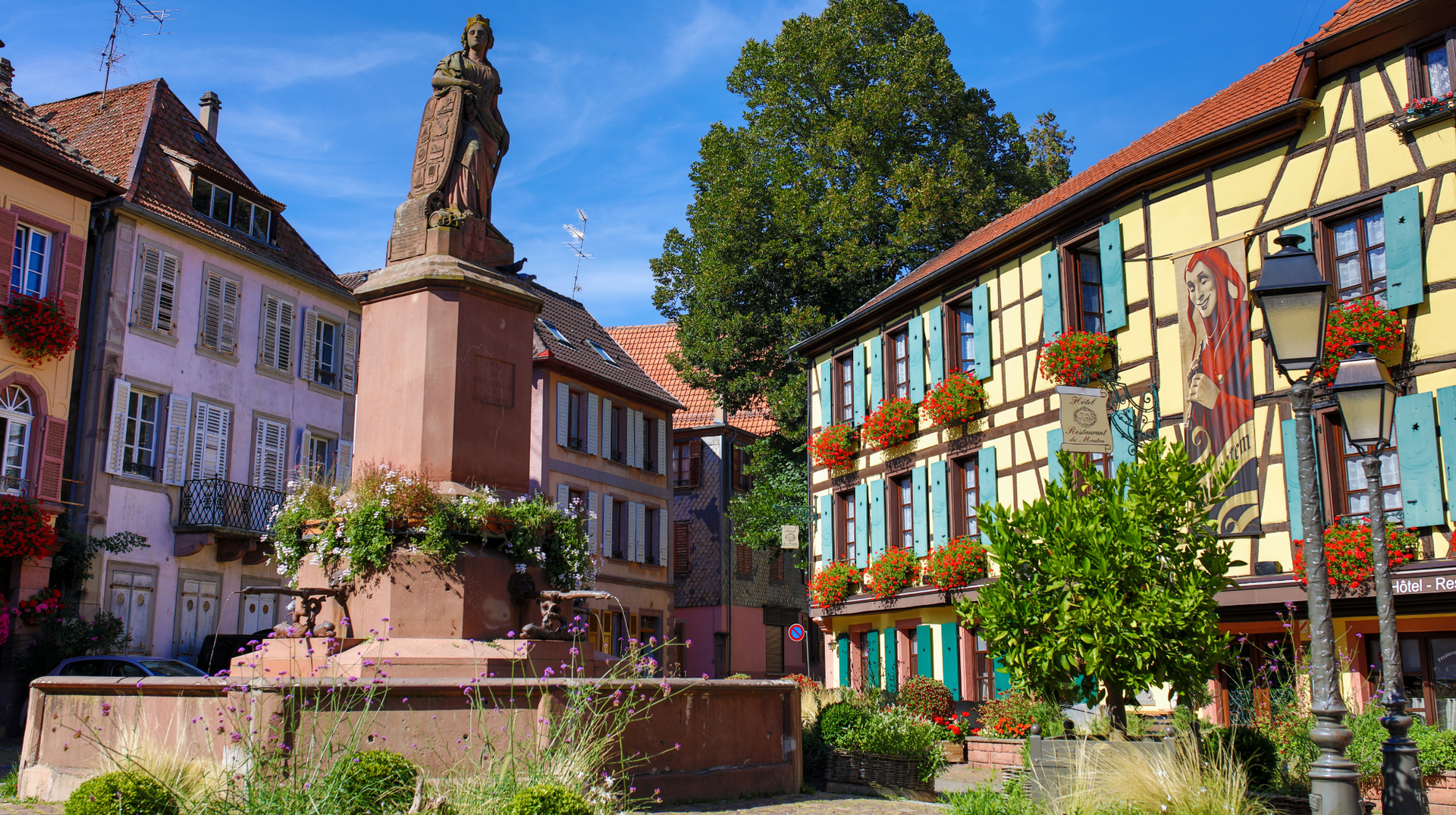
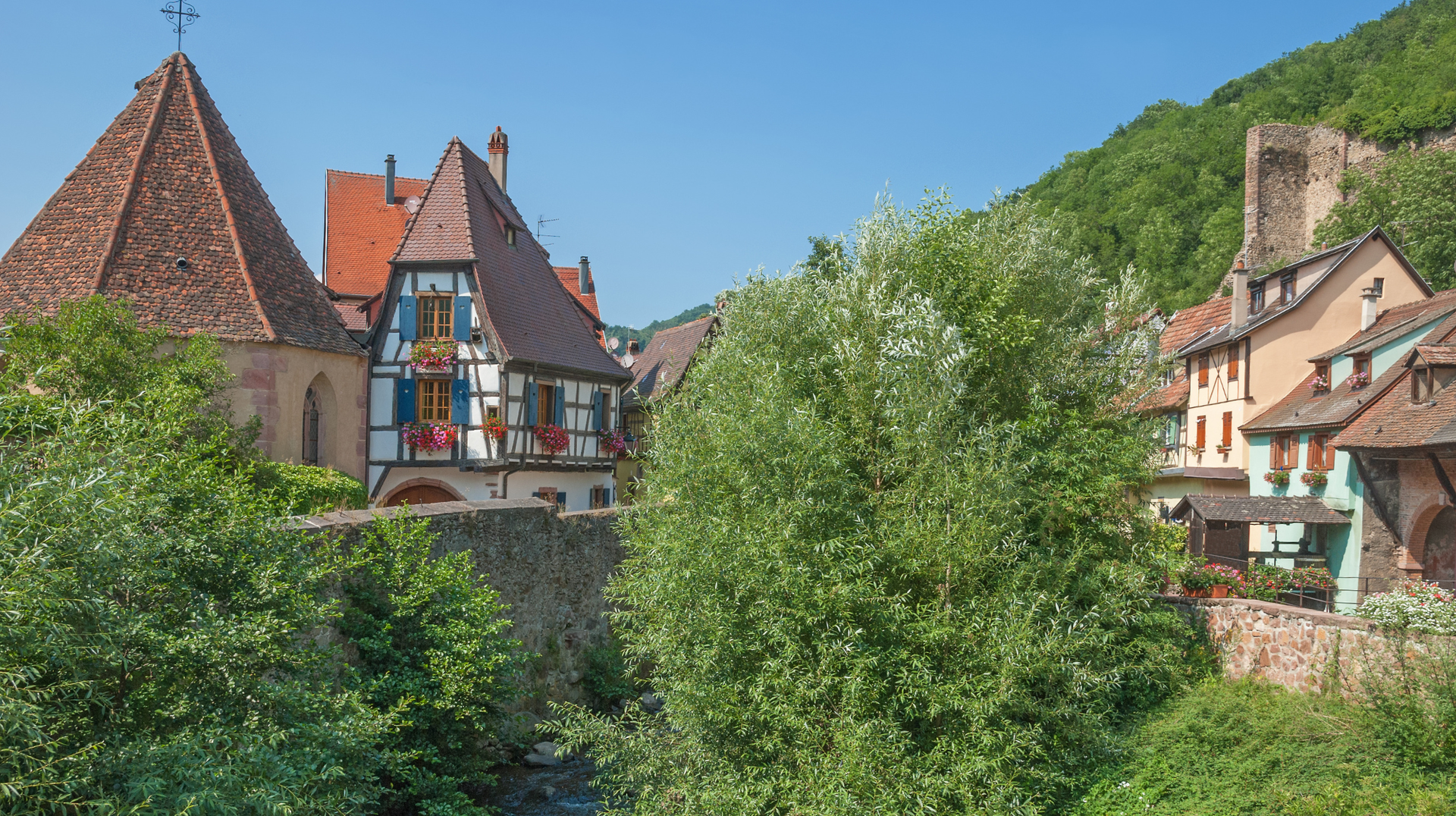
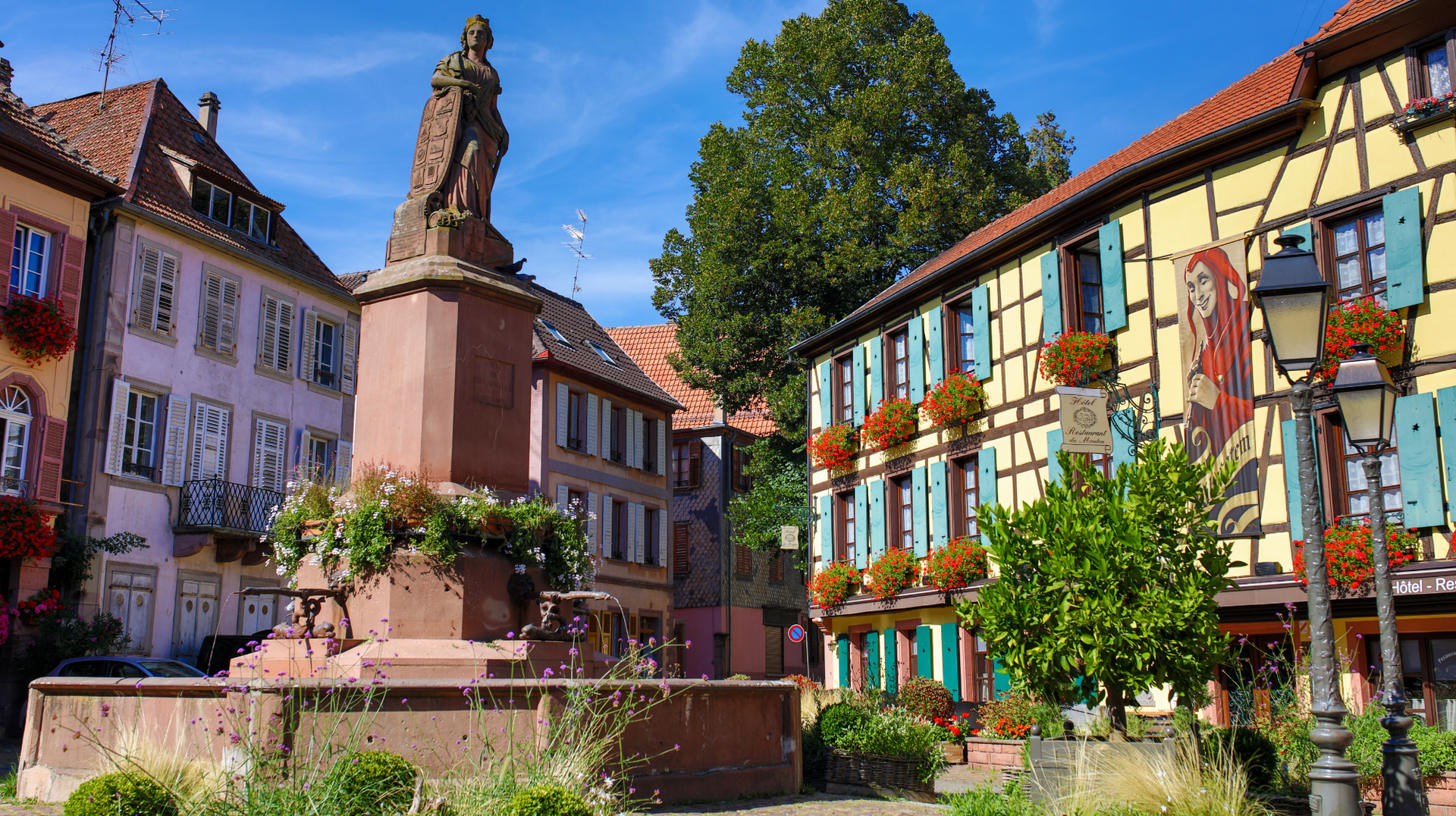
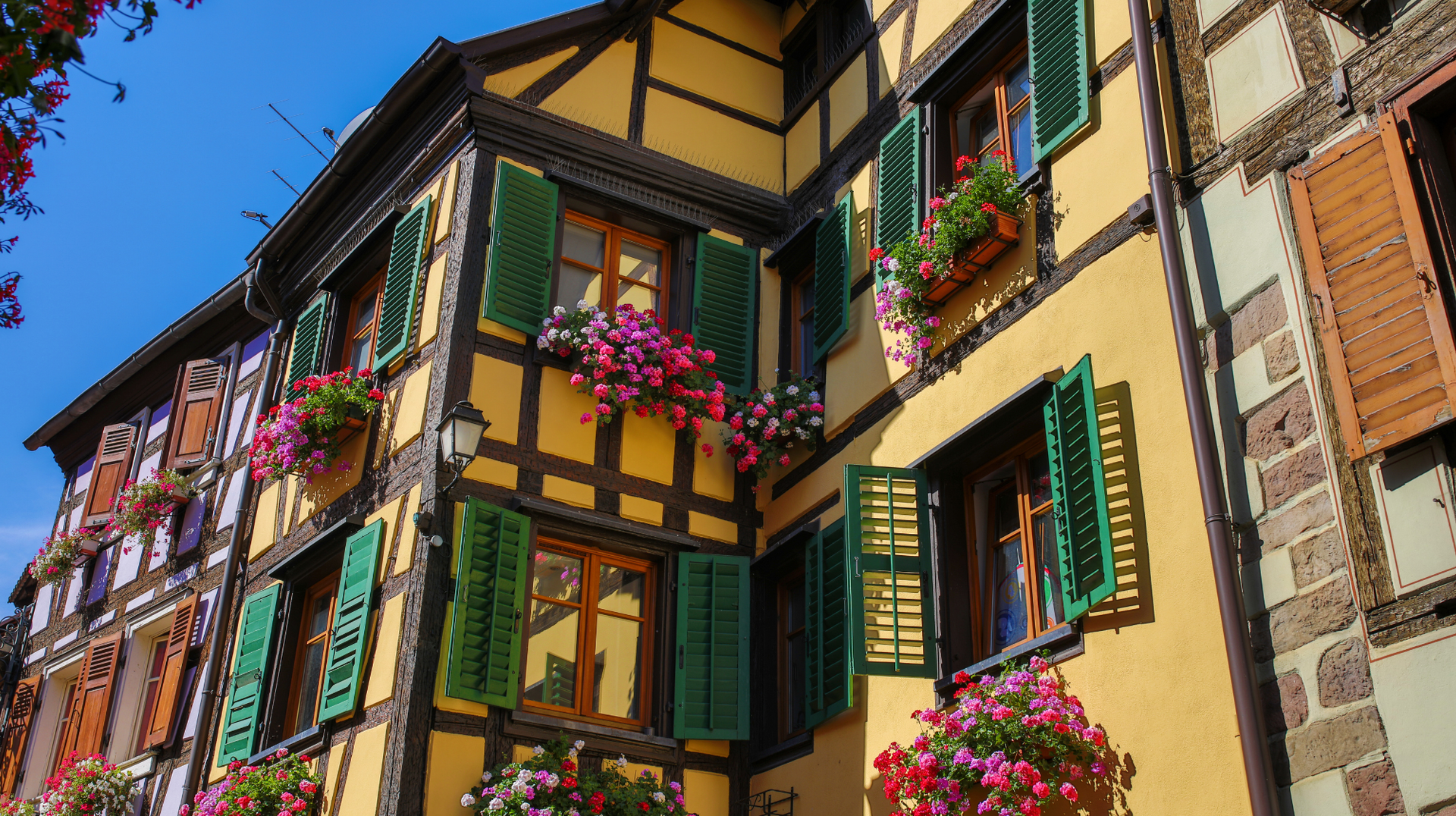
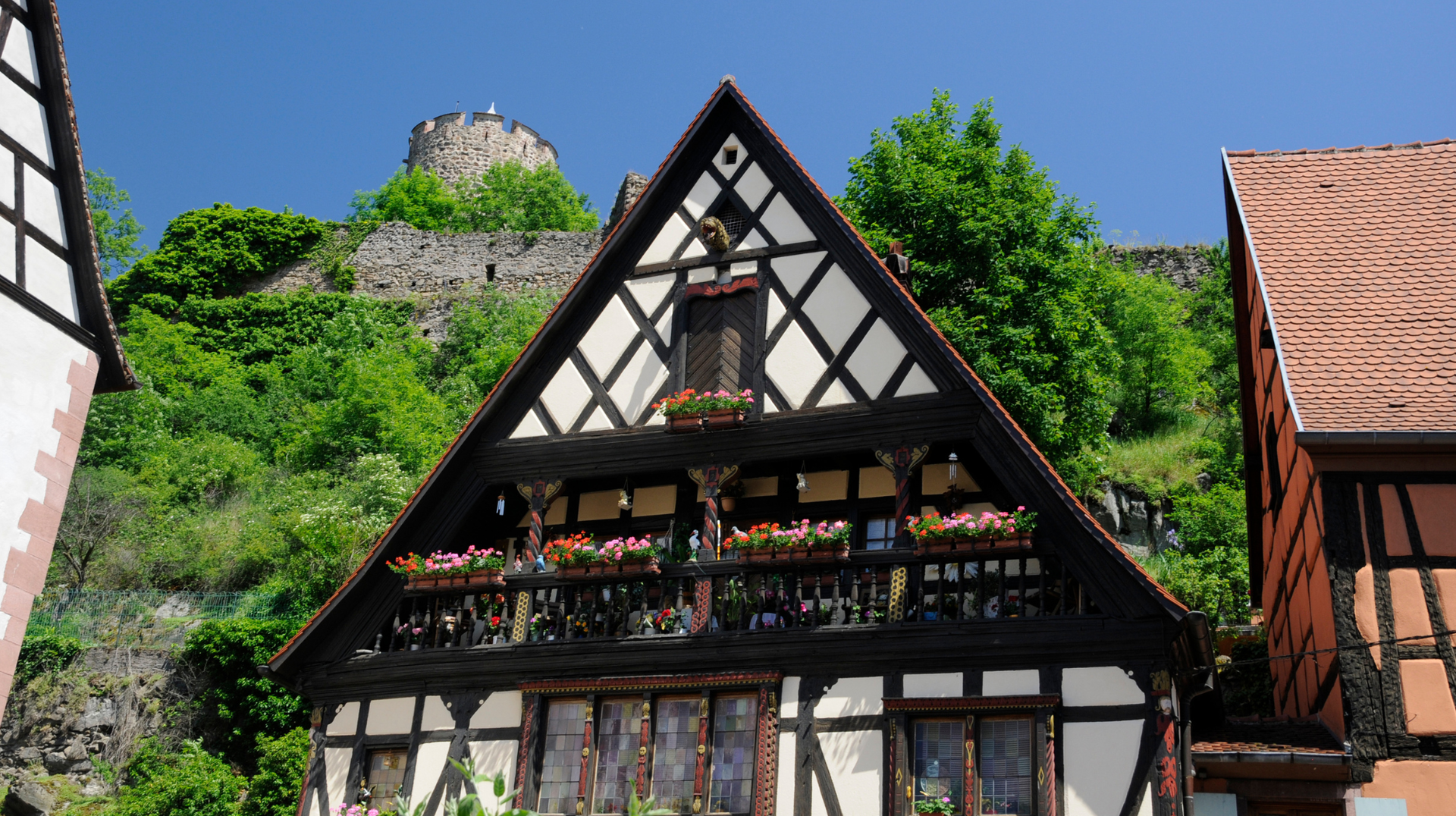
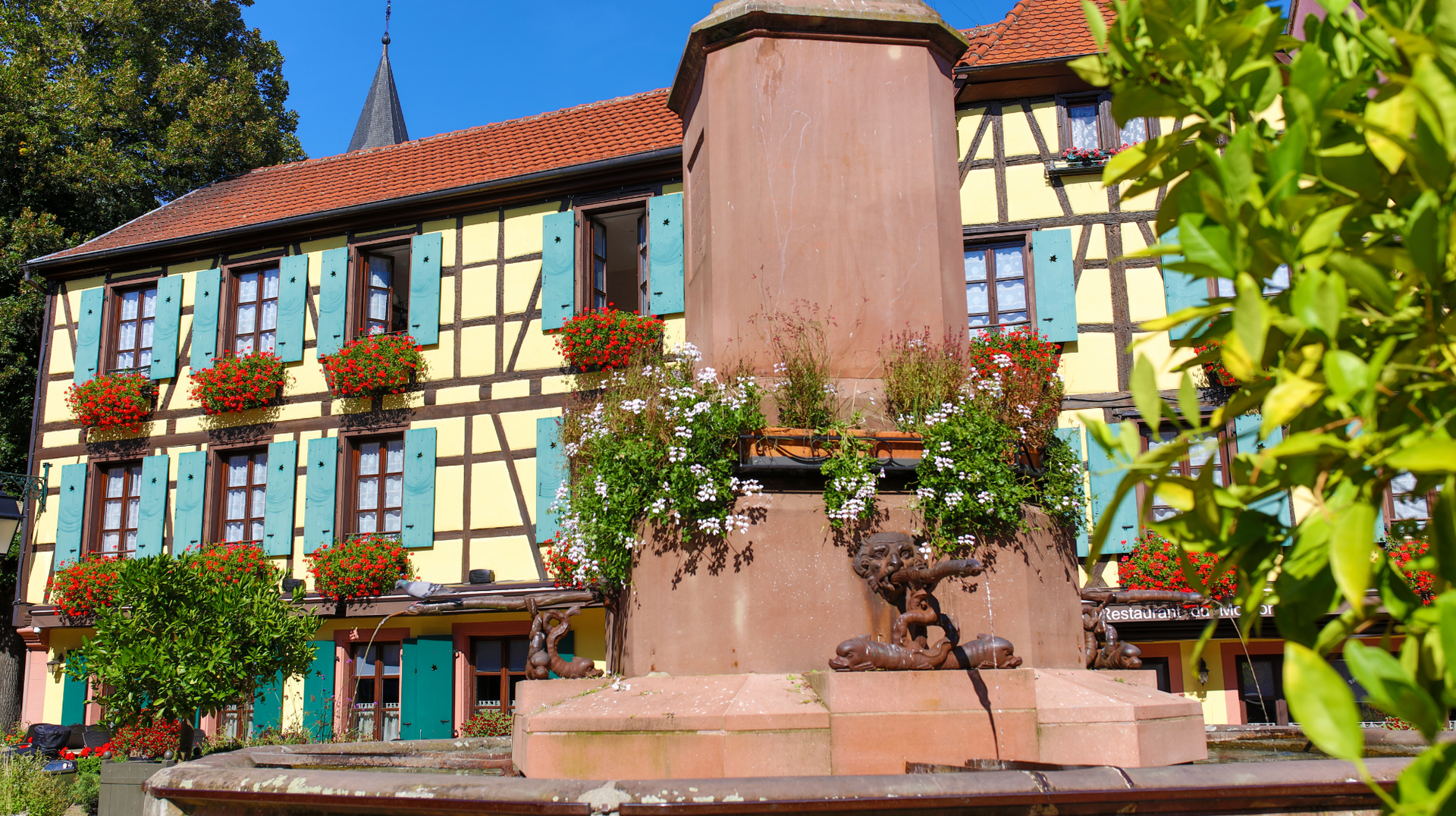
Along the way are some of the region’s best-known landmarks. Woodland paths climb towards Mont Sainte-Odile, Château du Haut-Koenigsbourg stands high above the plain, and the ruined Three Castles overlook Ribeauvillé. Between them come Andlau, Riquewihr, Kaysersberg and Turckheim, with half-timbered houses and a long wine-making tradition.
The walking is graded Moderate, although optional shorter days give some flexibility. There is also time to explore the villages rather than simply pass through them, which matters on a route where food, wine and the towns themselves are such a large part of the experience.
Begin in Barr, where woodland paths climb towards the pilgrimage site of Mont Sainte-Odile and open onto views across the Alsace Plain.
The route then returns to vineyard country, passing through Andlau and Itterswiller before a transfer to Saint-Hippolyte beneath Château du Haut-Koenigsbourg. From here, forest and vineyard trails continue towards Ribeauvillé, passing below the Three Castles that stand above the town.
A circular walk takes you through the vineyards to Riquewihr, with time to explore its cobbled streets and half-timbered centre. The final stage begins in Kaysersberg and follows Grand Cru vineyards through Ammerschwihr before finishing in fortified Turckheim.
It is a route that alternates naturally between walking and exploring. Woodland climbs and vineyard trails provide the miles, while the villages give each day its own stopping point.
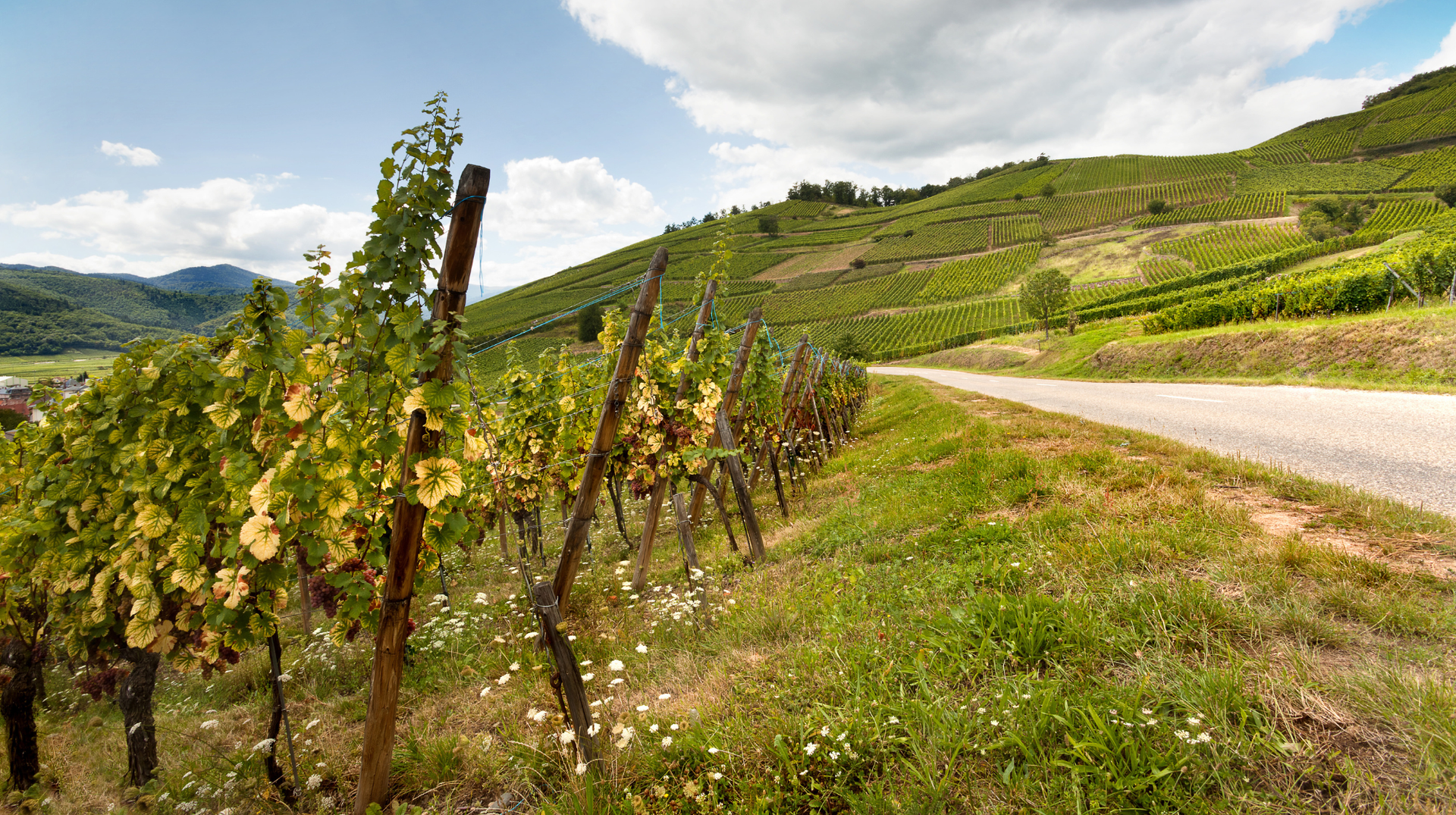
Wine has shaped the Alsace countryside for centuries. Vineyards run across the lower slopes beneath the Vosges, surrounding villages whose prosperity and architecture grew alongside the wine trade.
The Alsace Wine Route was created in 1953, although the trading routes it follows are much older. Today, Grand Cru vineyards sit close to towns such as Riquewihr, Kaysersberg and Turckheim, while local domaines continue to produce Riesling, Pinot Gris, Gewurztraminer and Crémant d’Alsace.
Walking gives you a different view of that relationship. Rather than travelling from one wine village to another by road, you cross the vineyards between them, with castle ruins and wooded hills above. French and German influences are visible in the food, architecture and place names too, giving this corner of France a character of its own.