Alsace & Vosges Mountains Walking Holiday
Walk from Alsace vineyards into the forests and lakes of the Vosges
Walk Information
- Difficulty
- Moderate to Challenging
- Distance
- 68.3 to 68.3 miles
Walk from Alsace vineyards into the forests and lakes of the Vosges
7 Nights Moderate to Challenging
FRA-AWV1 ~ Alsace Wine Route and Vosges Mountains
From £1,200 Per Person
Explore our other walking holidays...
Northwestern Italy
North-east France
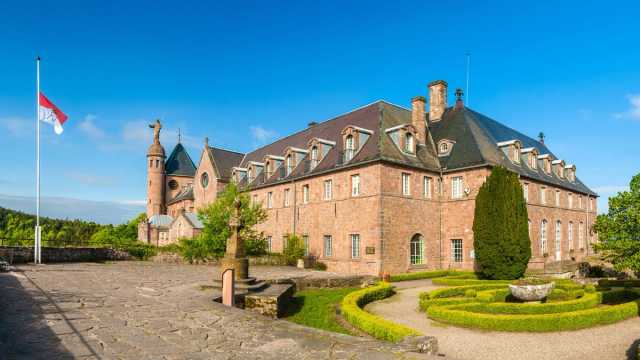
Set high above the Alsace Plain, Mont Sainte-Odile is reached by forest paths on the opening stage of the walk. The hilltop monastery has long been a place of pilgrimage, with far-reaching views across the vineyards and villages below.
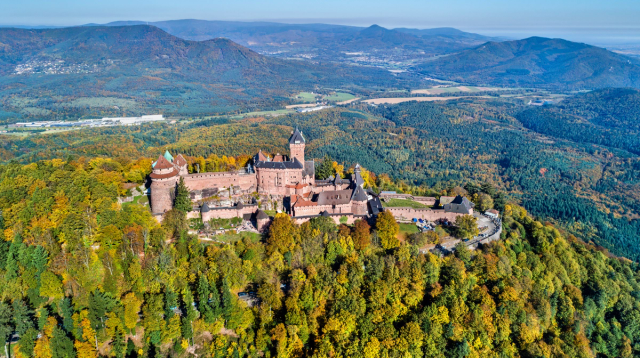
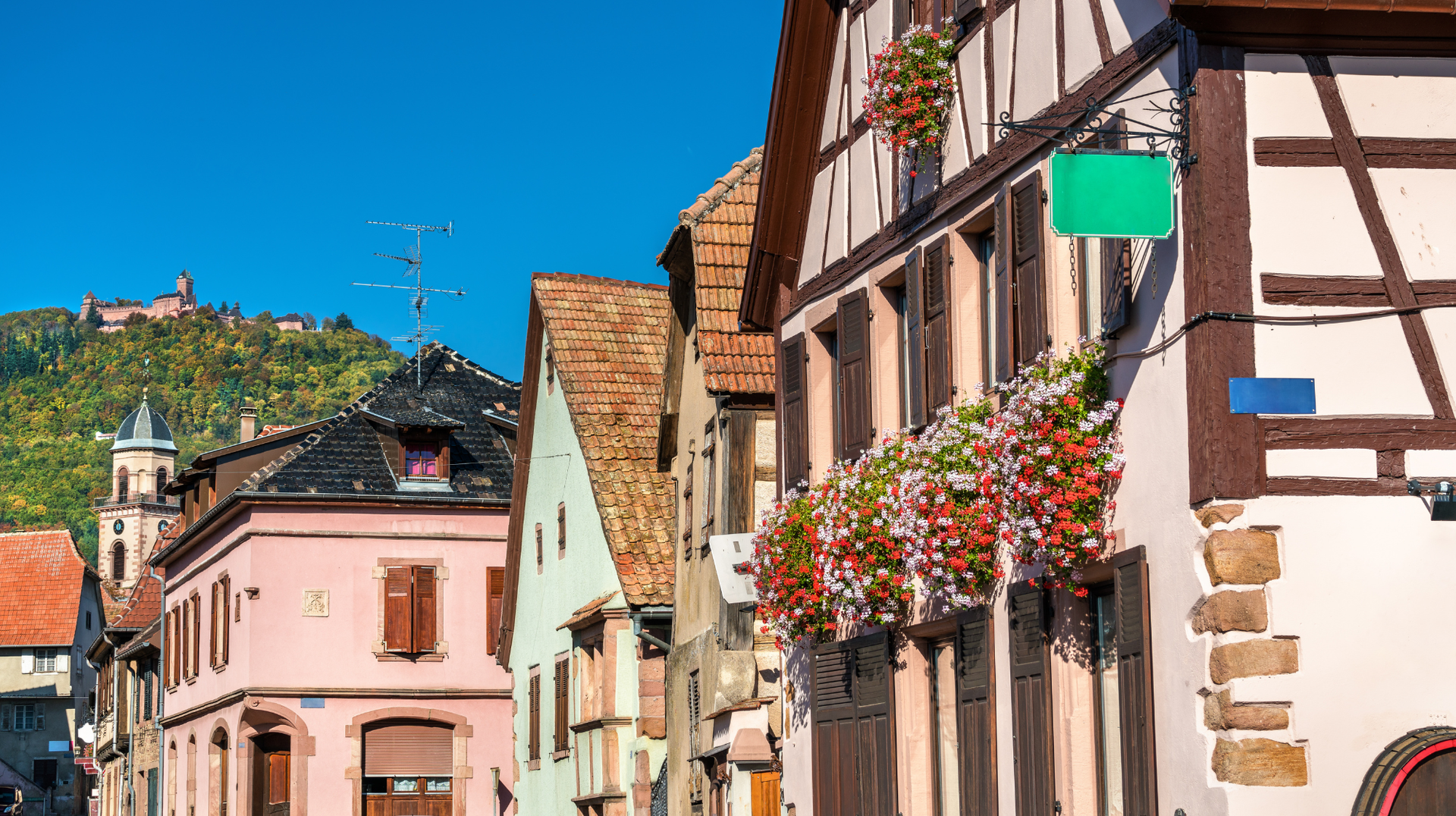
Château du Haut-Koenigsbourg stands on a wooded ridge above the Alsace Plain. Your route climbs through forest towards the castle before descending through Saint-Hippolyte and the surrounding vineyards to Ribeauvillé.
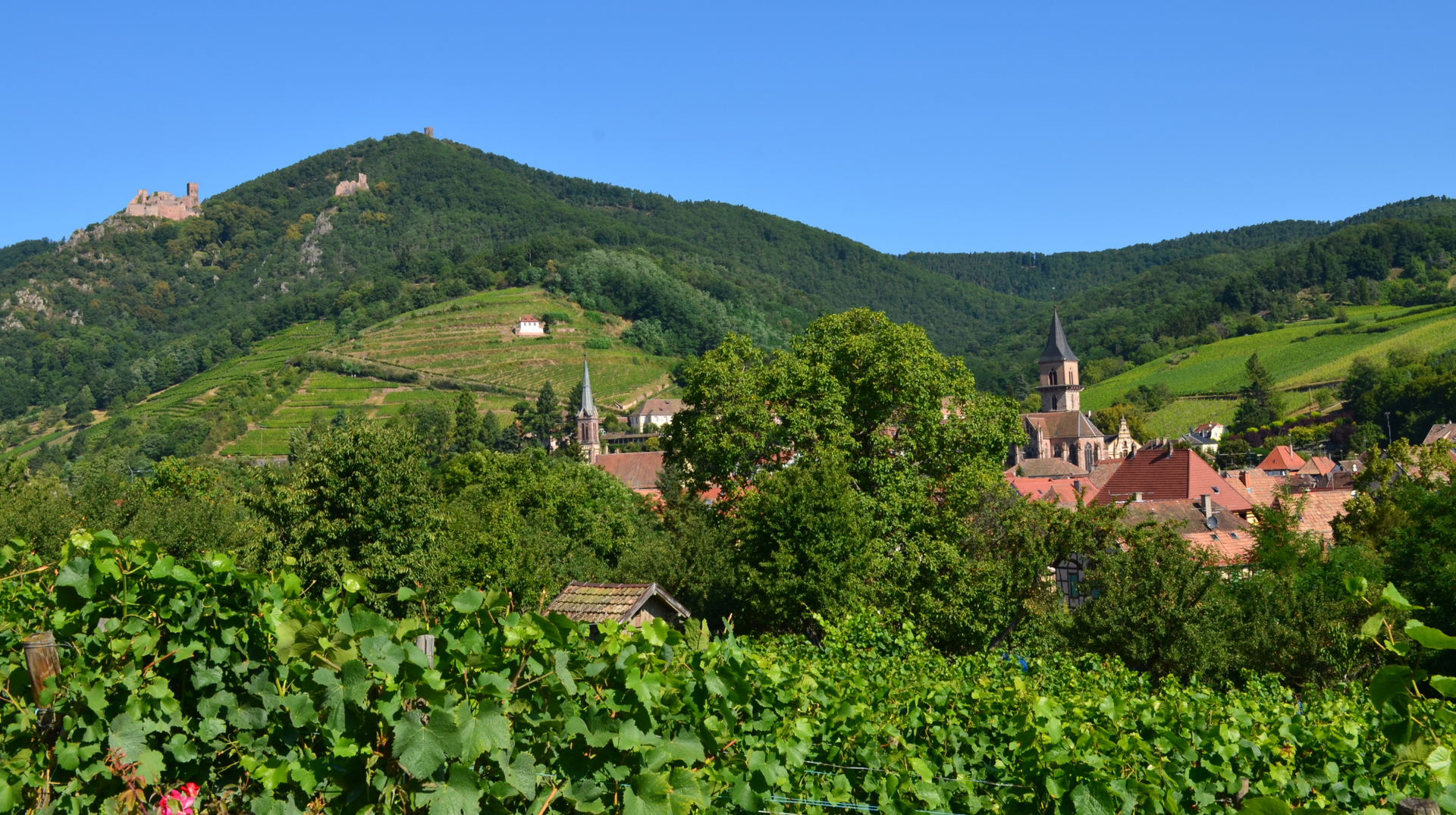
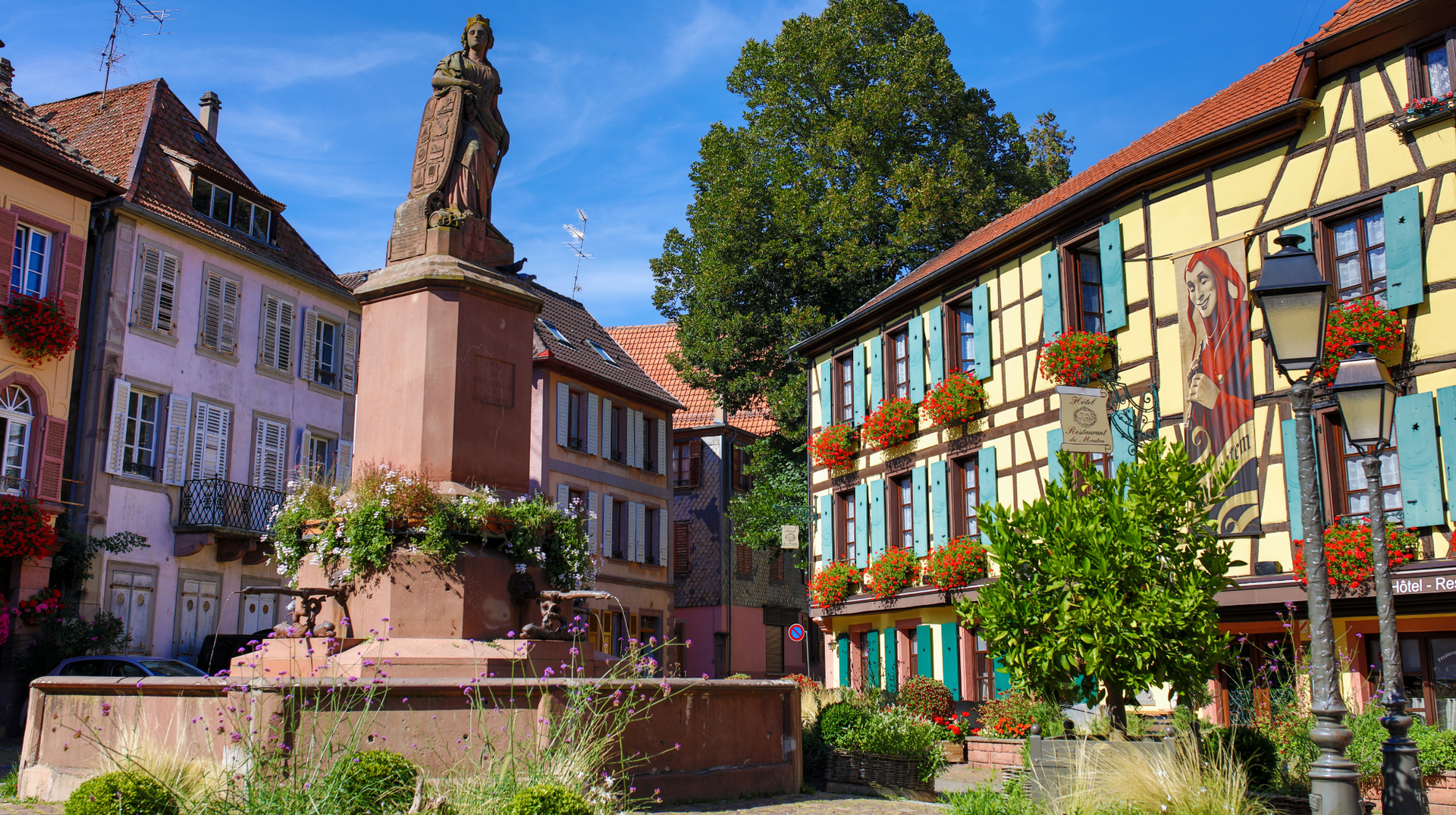
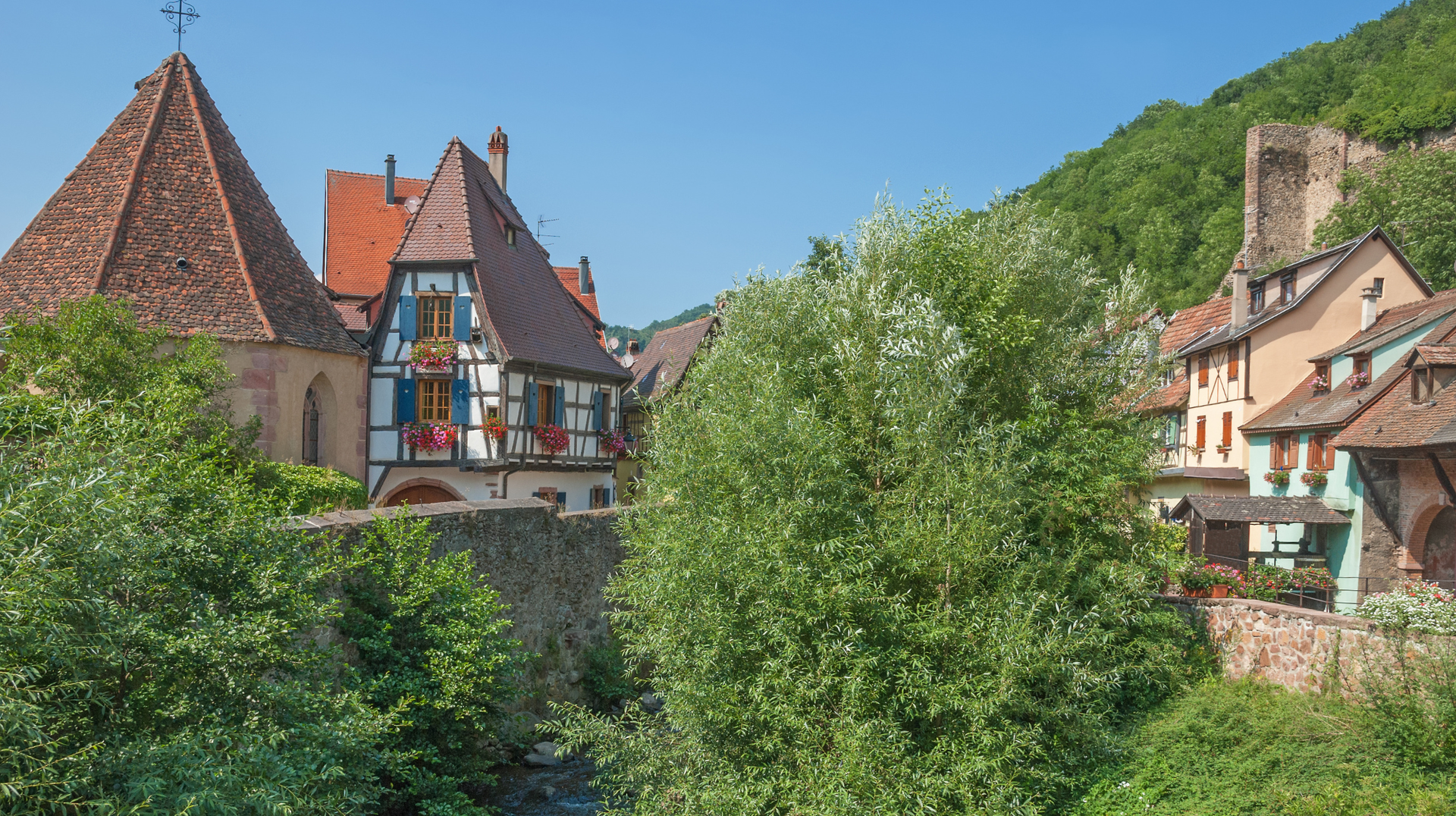
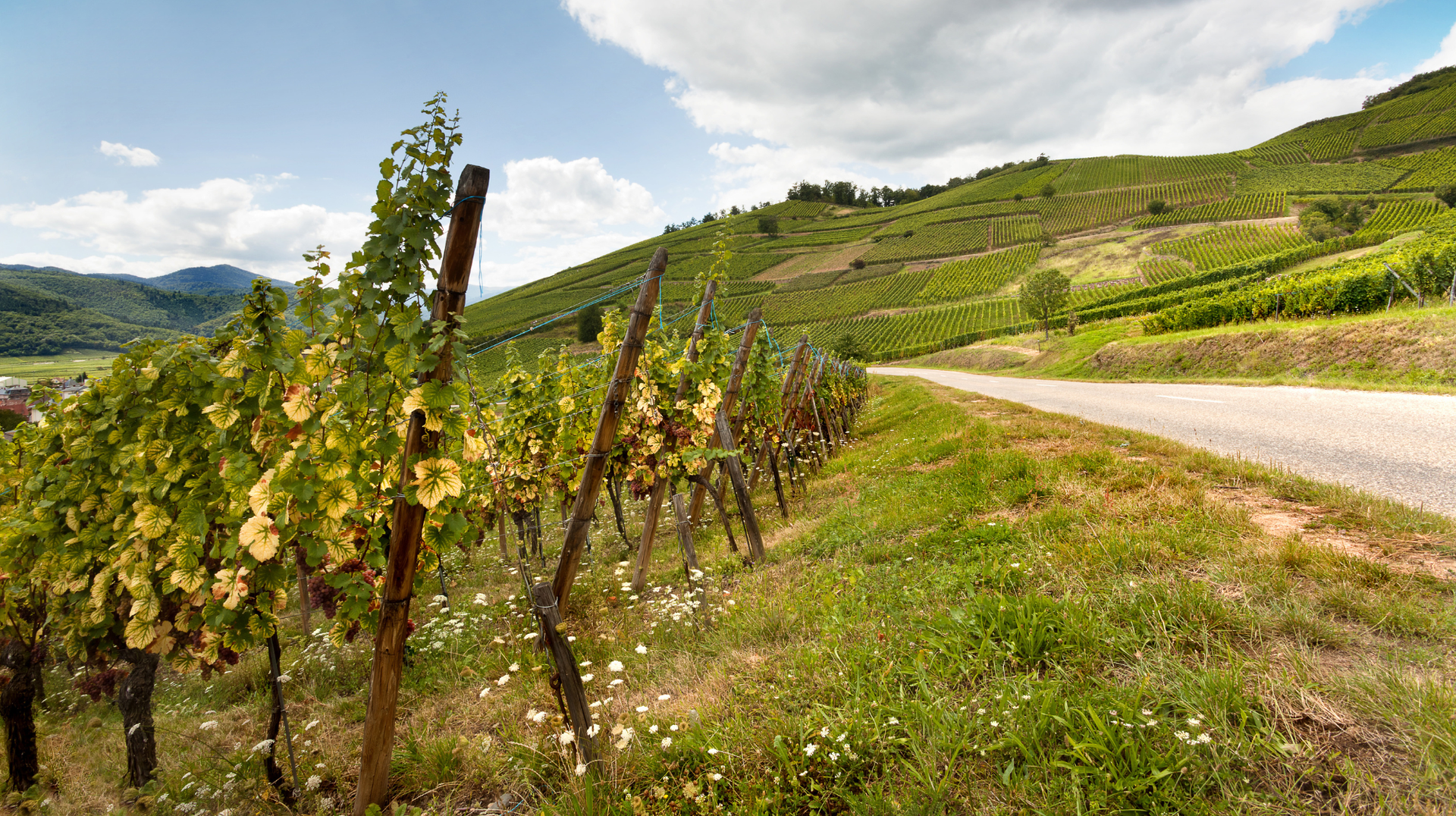
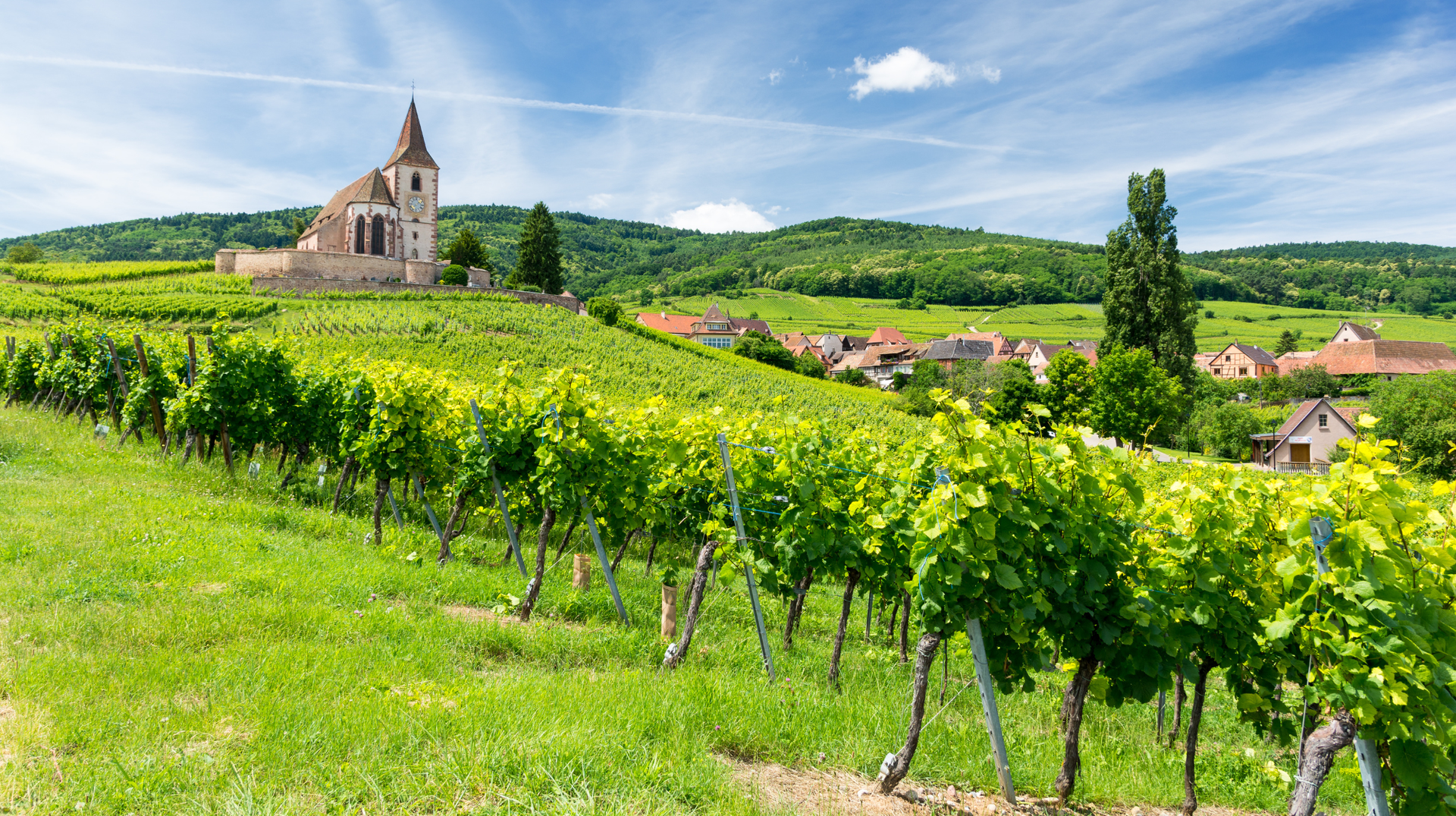
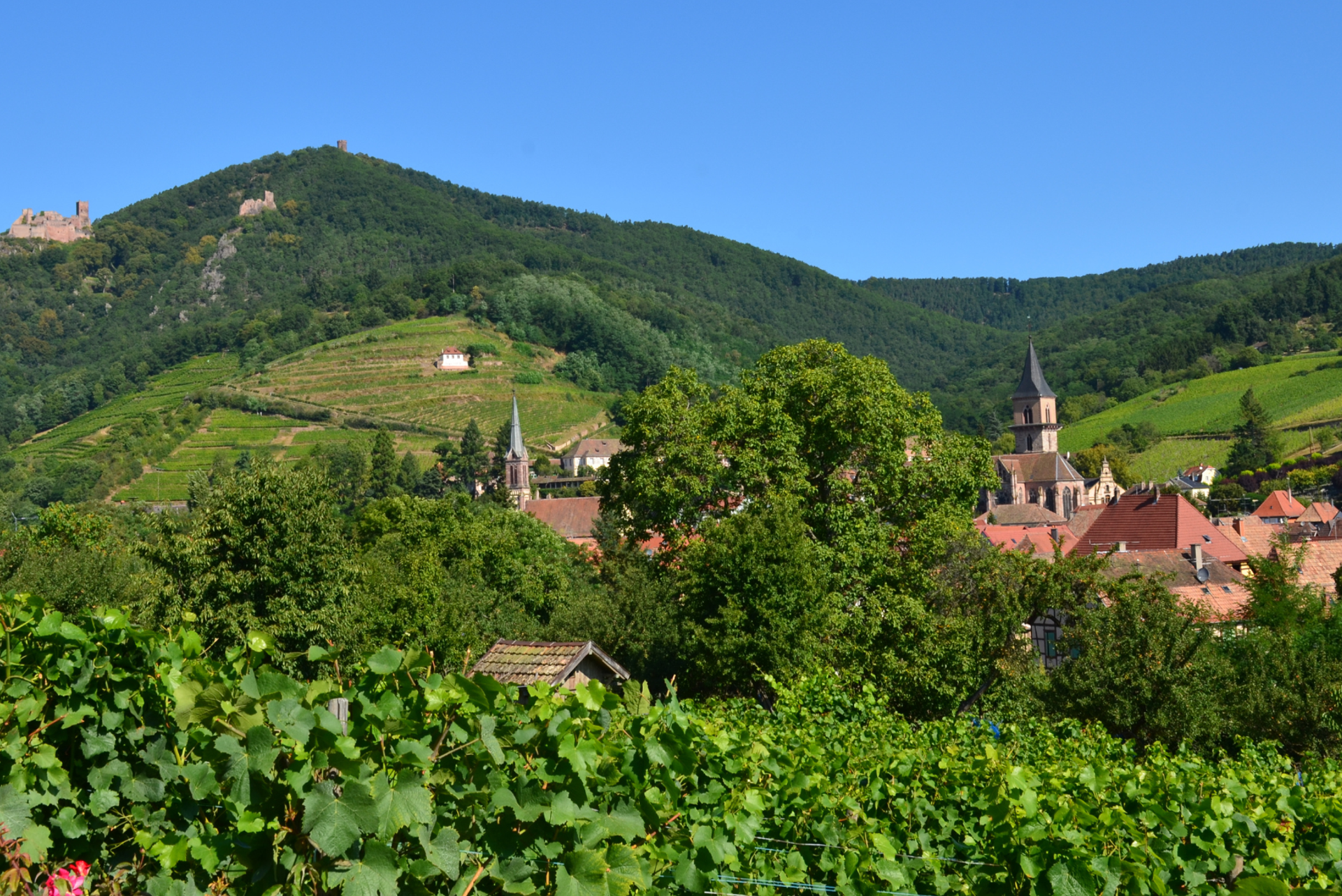
This route lets you see two quite different sides of Alsace in one holiday. The first stages pass through vineyards and medieval wine villages, with visits to Mont Sainte-Odile and Château du Haut-Koenigsbourg. Beyond Kaysersberg, the walking changes as you leave the Wine Route and climb into the Vosges Mountains.
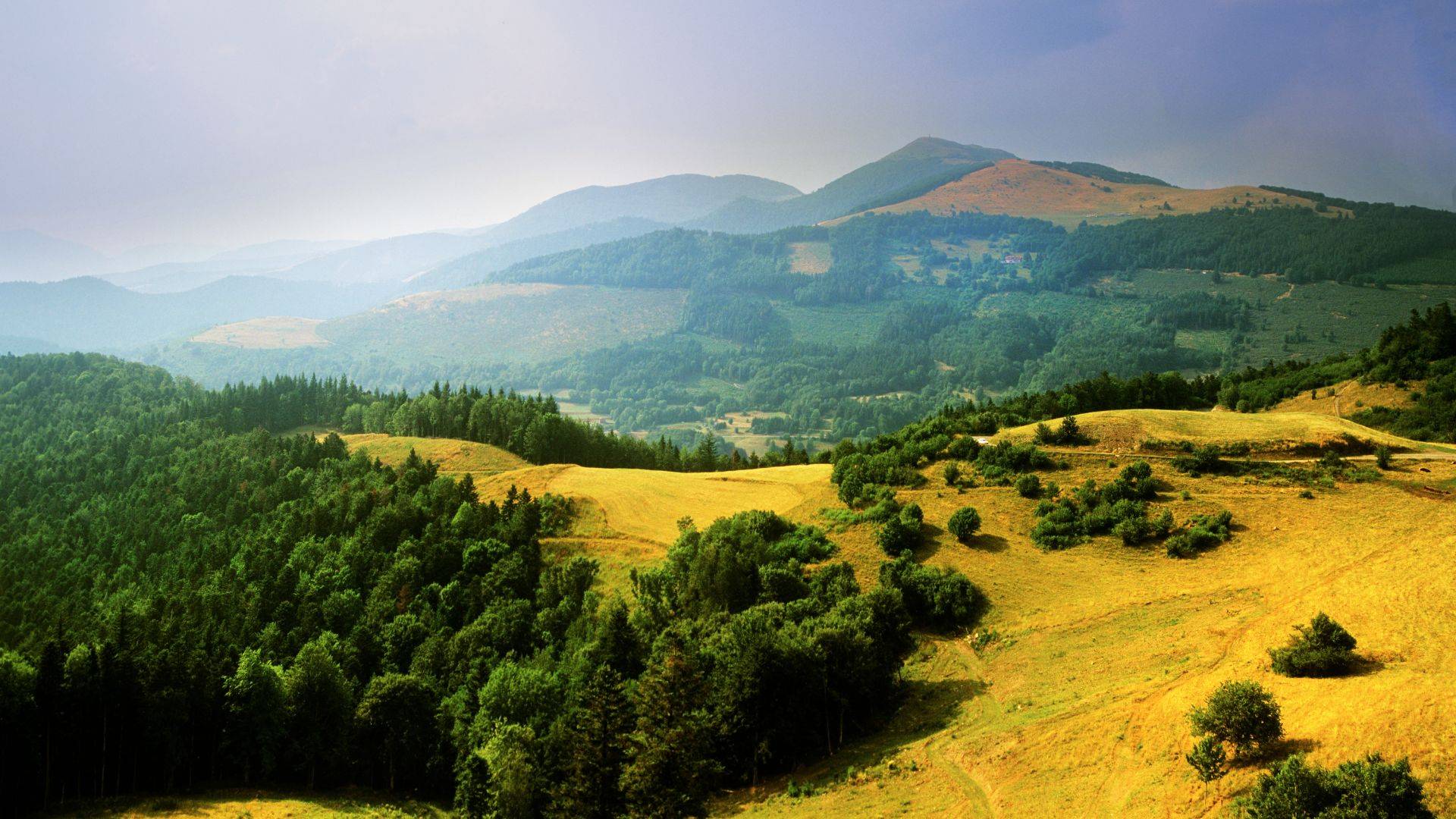
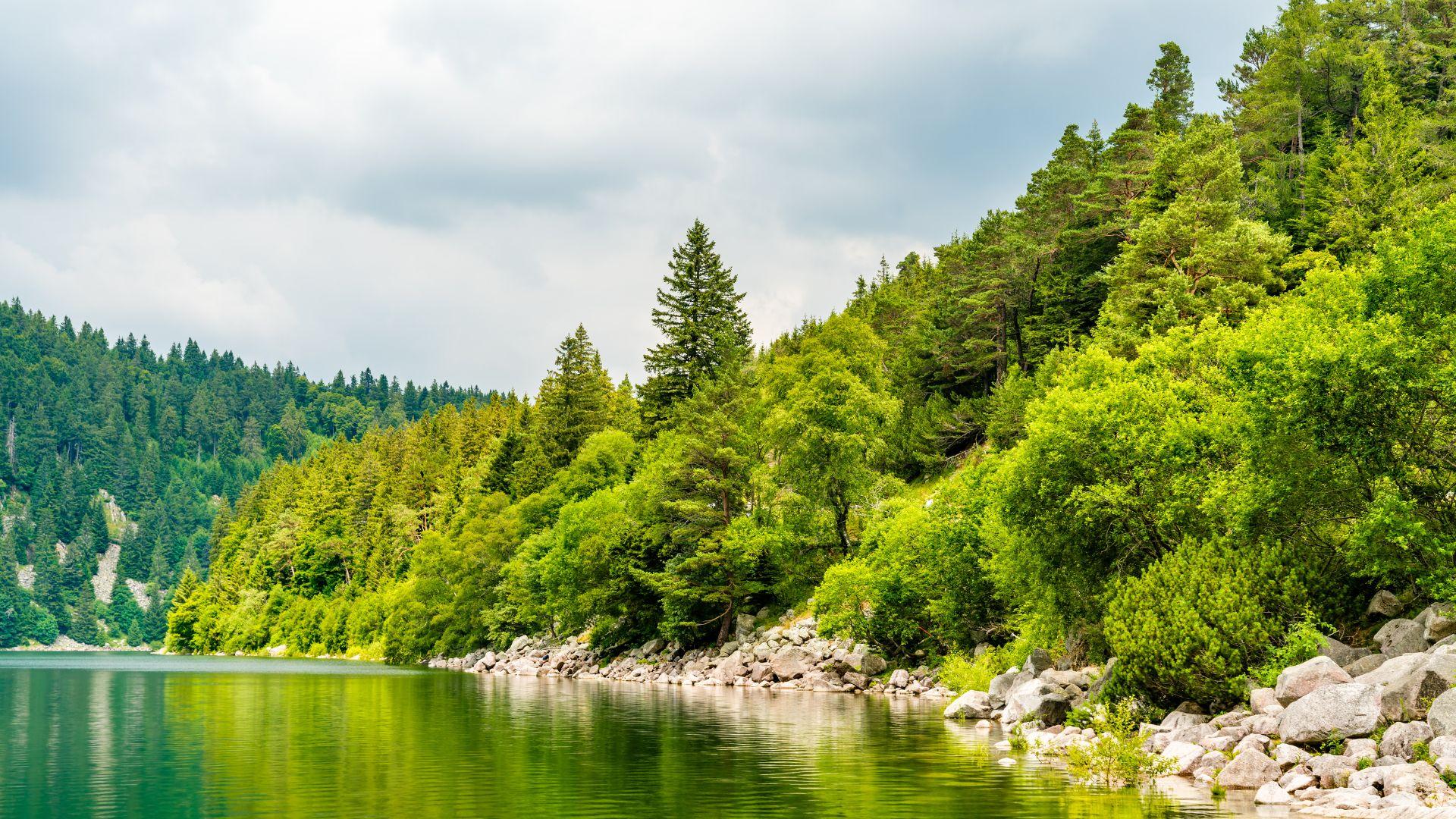
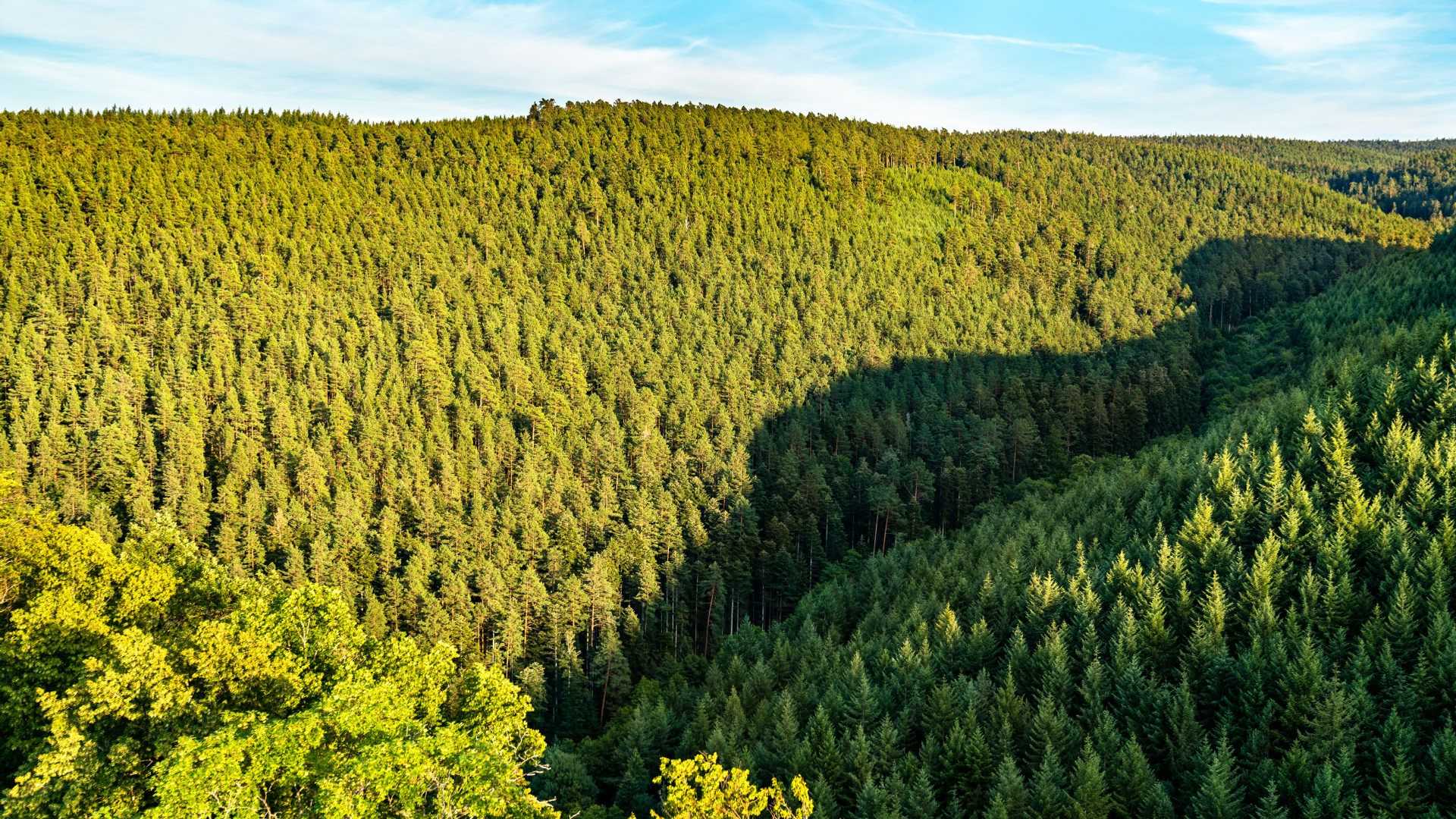
Here, forest paths, mountain meadows and open ridges replace the ordered rows of vines. One of the strongest days links four glacial lakes, while the final stage passes First World War sites before descending into Munster.
This is the more demanding of our two Alsace itineraries, graded Moderate to Challenging, with longer days and greater ascent once you reach the mountains. If you want the villages and vineyards but also enjoy a fuller day in hill country, the change in terrain is what makes this route particularly rewarding.
Your holiday begins in Barr, with a short transfer before forest paths climb to Mont Sainte-Odile. From the abbey, the route descends through vineyard country towards Itterswiller.
A second transfer takes you to the next stage, climbing through woodland to Château du Haut-Koenigsbourg before descending through Saint-Hippolyte and the vineyards to Ribeauvillé. You then cross the forested foothills of the Vosges by way of the Col de Seelacker, reaching Riquewihr and Kaysersberg.
From Kaysersberg, the character of the walk shifts. Paths climb through forest, mountain meadows and traditional farm country towards Lapoutroie. A circuit of four glacial lakes follows, with rockier paths, ridges and open pasture. The final walk begins near Château du Hohnack and passes First World War sites before descending through forest to Munster.
Alsace has long been shaped by its position between France and Germany. The influence of both is still visible in its architecture, food, wine and place names, particularly in the villages of the Alsace Plain.
Higher in the Vosges, another part of that history comes into view. The mountains were strategically important during the First World War, and the final stages of this walk pass a military cemetery and the remains of former battlefield positions.
The transition from vineyards to mountains makes that history easier to read in the landscape. You begin among half-timbered wine villages and cultivated slopes, then climb into quieter uplands where forests and ridges carry traces of a very different past.