Which section of the Wye Valley Walk should you choose?
Sarah
Loading content...
Sarah
If you’d like a day on the Wye Valley Walk when you might see nobody else, I’d start at Rhyd-y-Benwch and walk to Hay-on-Wye. If it’s the river you keep picturing, with time to sit on the bank and watch the kayaks go by, I’d choose the lower Wye around Ross-on-Wye and Symonds Yat. Either fits into a week.
The Wye Valley Walk Partnership puts the full trail at 136 miles, from Hafren Forest in Mid Wales to Chepstow Castle, near the Severn Estuary. You can follow the waymarks in either direction. Walking downstream, you see the Wye grow from a stream in open sheep country into the wide river beneath the castle walls. If reaching Chepstow on foot matters as much to you as the scenery, you can start in Hay or Hereford and keep the finish.
With a week away, you have three quite different choices. The upper Wye gives you five or six walking days in the hills. Starting in Hereford gives you the same number of walking days and a castle at the end. For shorter days on foot, walk upstream from Tutshill through Tintern and Monmouth to Symonds Yat.
With longer to spare, the 13-night full Wye Valley Walk gives you 12 walking days. The 16-night full Wye Valley Walk gives you 15. If you’d like to go inside the castles or lose an afternoon in the bookshops, it’s worth deciding where you want that extra time before settling on a pace.
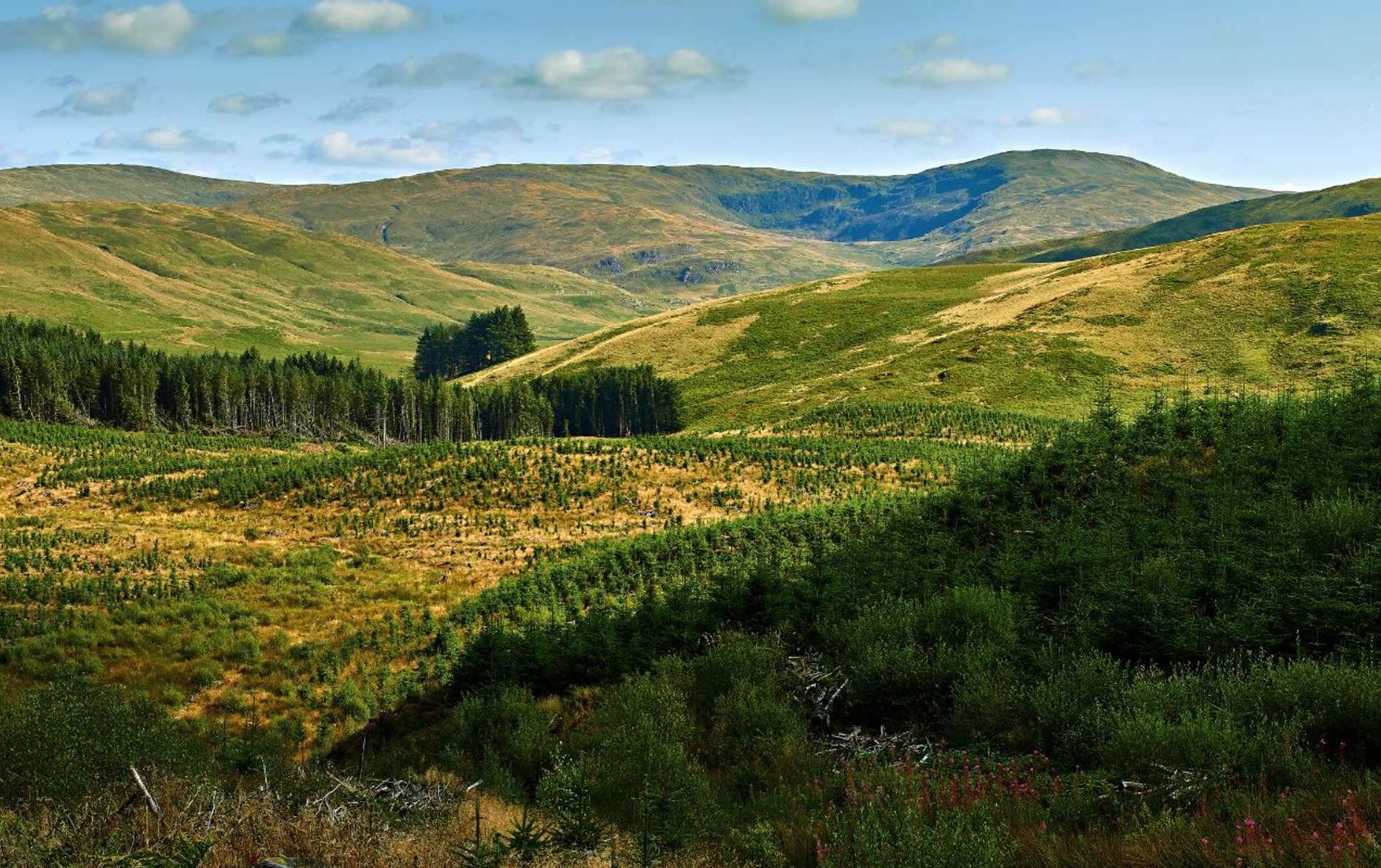
“Will the path be busy?” is the question I hear most often when I arrange this holiday. On the northern stretch, you can go all day without passing another walker.
I know the southern half best on foot, and I’m gradually working my way up the path. My son is at university in Aberystwyth, so I have another reason to follow the upper valley. On the drive to see him, the road follows the Wye as far as Llanidloes. I’ve met some of our accommodation hosts that way. What I love about that drive is watching the hills grow wilder as I get closer to the river’s source.
At Rhyd-y-Benwch, the first river beside the path is the Severn. You meet the young Wye as you come out of Hafren Forest. The path climbs away from the Wye in places, so expect some hills even on days when you start and finish by the river. You’ll enjoy the upper Wye more if you’re comfortable spending several days on undulating paths and finding your own way between signs.
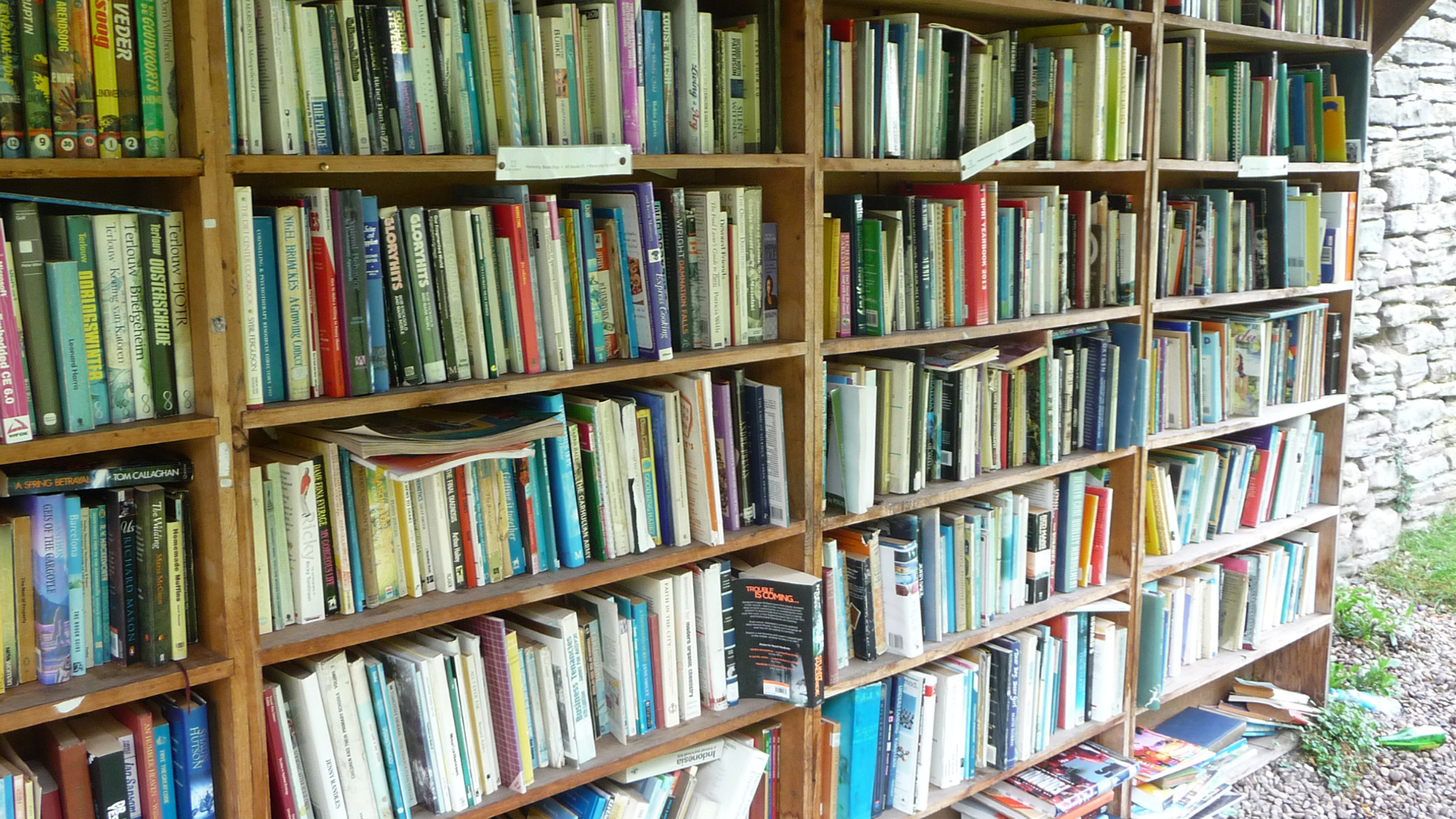
The six-night Rhyd-y-Benwch to Hay itinerary covers this stretch in five walking days. The seven-night Rhyd-y-Benwch to Hay itinerary gives you six, including a separate stage from Builth Wells to Boughrood. Either way, I’d leave time at the end for Hay-on-Wye. If you’re likely to lose track of time in a second-hand bookshop, this is the place for an extra night.
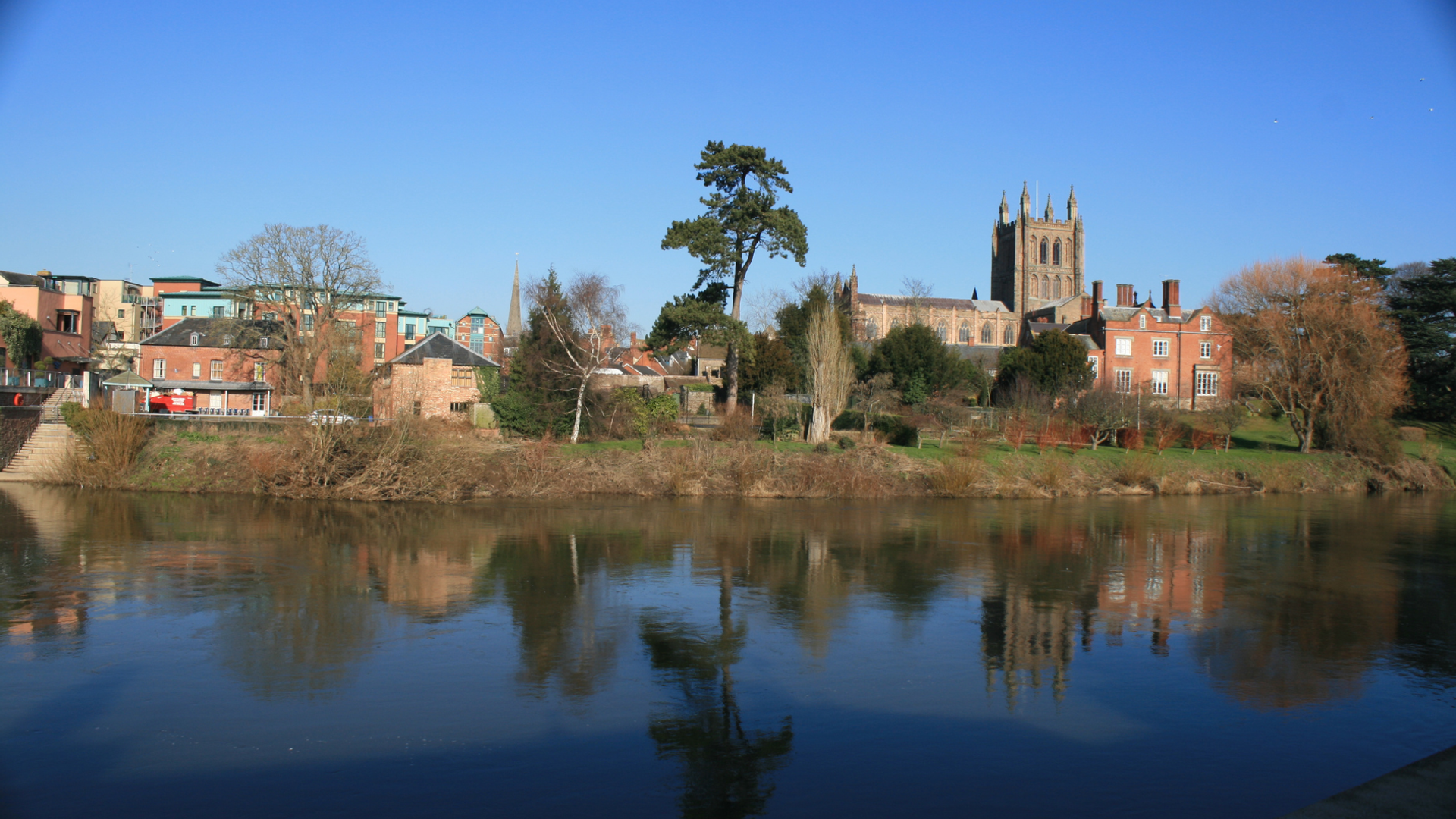
Start in Hay if you’d like Hereford to come partway through your walk. After the bookshops and the castle, the path takes you out into the Herefordshire fields. By the time you reach the cathedral, there’s another reason to linger over a book. In the Chained Library each book has a chain running from its front cover to a rod beneath the shelf. The medieval Mappa Mundi is here too. If you’d like time for both, Hereford is where I’d put a rest day.
On the eight-night Hay to Chepstow holiday, you reach Hereford in two walking days, via Monnington-on-Wye. You have seven walking days in all. The ten-night Hay to Chepstow holiday gives you nine walking days, three of them between Hay and Hereford. You spend the first walking night in Bredwardine. The next day’s walk ends at Bridge Sollers, with a transfer into Hereford for the night. In the morning you return to Bridge Sollers to walk the last stretch into the city.
The six-night Hereford to Chepstow holiday takes five walking days, including a stage from Ross-on-Wye to Symonds Yat. On the seven-night Hereford to Chepstow holiday, Kerne Bridge to Symonds Yat has a walking day of its own, and you also have a separate final stage from Tintern to Chepstow Castle. For Goodrich Castle, I’d add a rest day at Kerne Bridge. The castle is a detour from the path and you’ll want time for the towers and Great Hall.
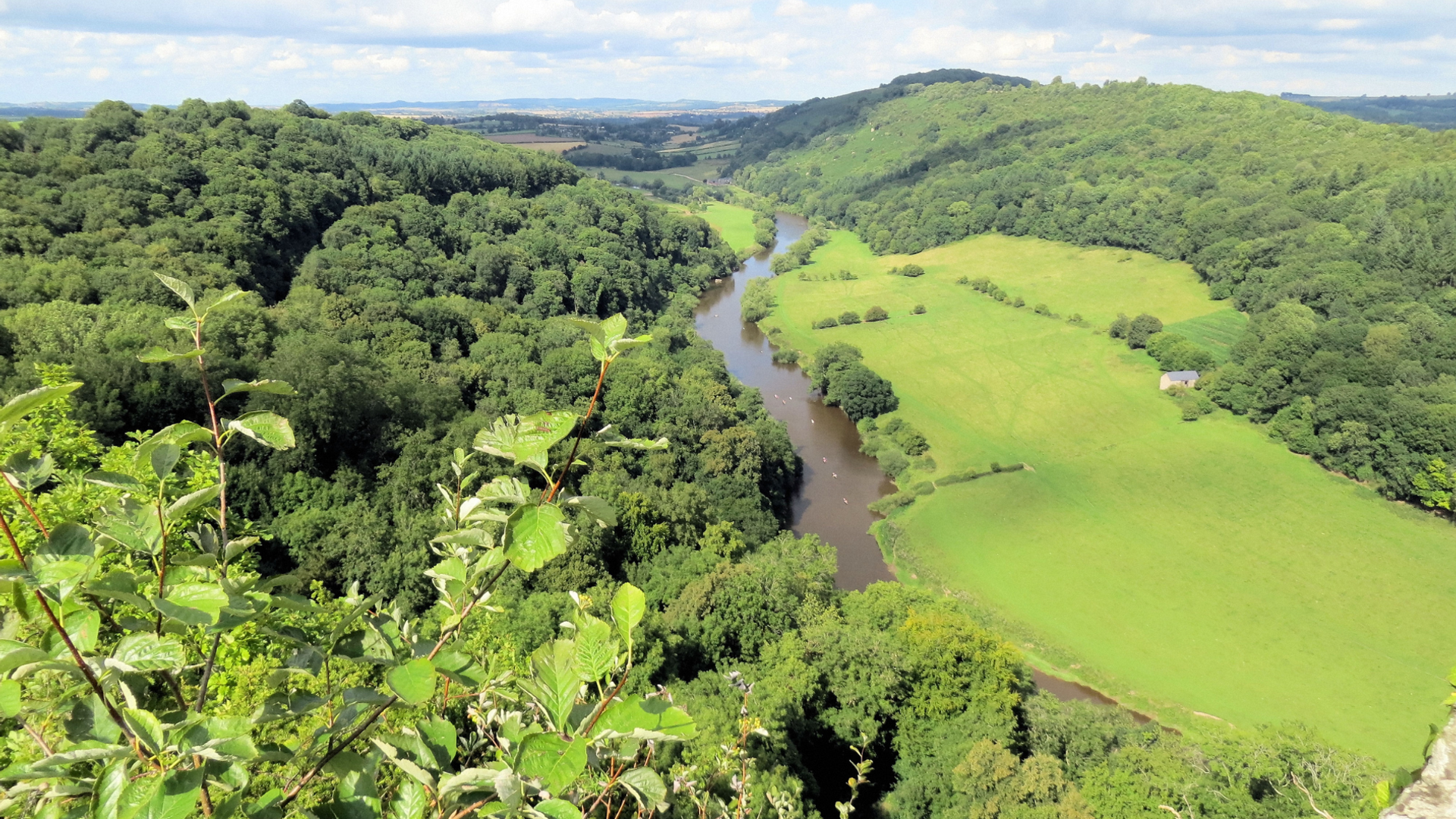
South of Ross-on-Wye, the path keeps closer to the river. Around Kerne Bridge there are meadows with cattle and stretches of cool woodland. Near Yat Rock I’d keep an eye overhead for peregrines. Further downstream, beyond Monmouth, the path climbs through the woods above the gorge. Allow time for those climbs even on a day when the river looks close on the map.
Checked 27 November 2026
Lydbrook Rail Bridge, also called Stowfield Bridge, is closed on the Kerne Bridge to Symonds Yat stage. The diversion continues along the west bank. One option passes St Dubricius’ Church at Whitchurch, where brides have arrived by boat at the churchyard landing stage. When conditions allow, you can cross to Symonds Yat East by hand-pulled ferry.
We’ve walked the diversion and provide directions. If you’re staying on the east bank, check the crossing before setting out. High water can stop the ferries, and the longer alternative via Biblins Bridge can also be affected by flooding. The official Lydbrook Bridge diversion notice and map give the options. If the extra distance is a concern, we can talk it through when planning your day.
Our office is on the path in Tintern. We work closely with the Wye Valley National Landscape team, and some of my colleagues volunteer on the walk.
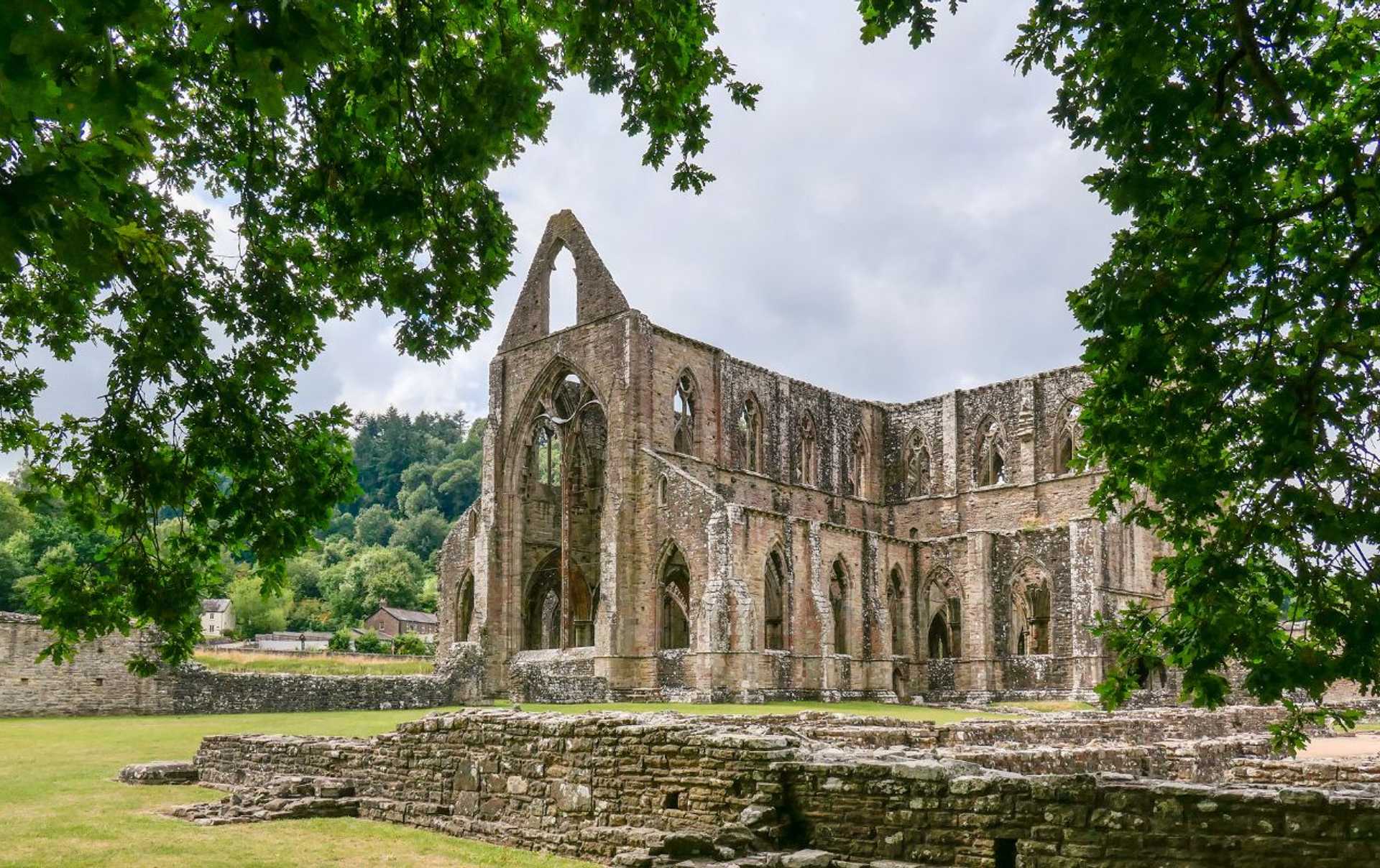
If you’re staying in the village, I like late afternoon for Tintern Abbey. The summer coaches tend to come earlier and the light catches the stonework. Check Cadw’s opening times and access information before you set off.