What Is a Munro? Scotland’s Famous Peaks Explained
Christina
Loading content...
Christina
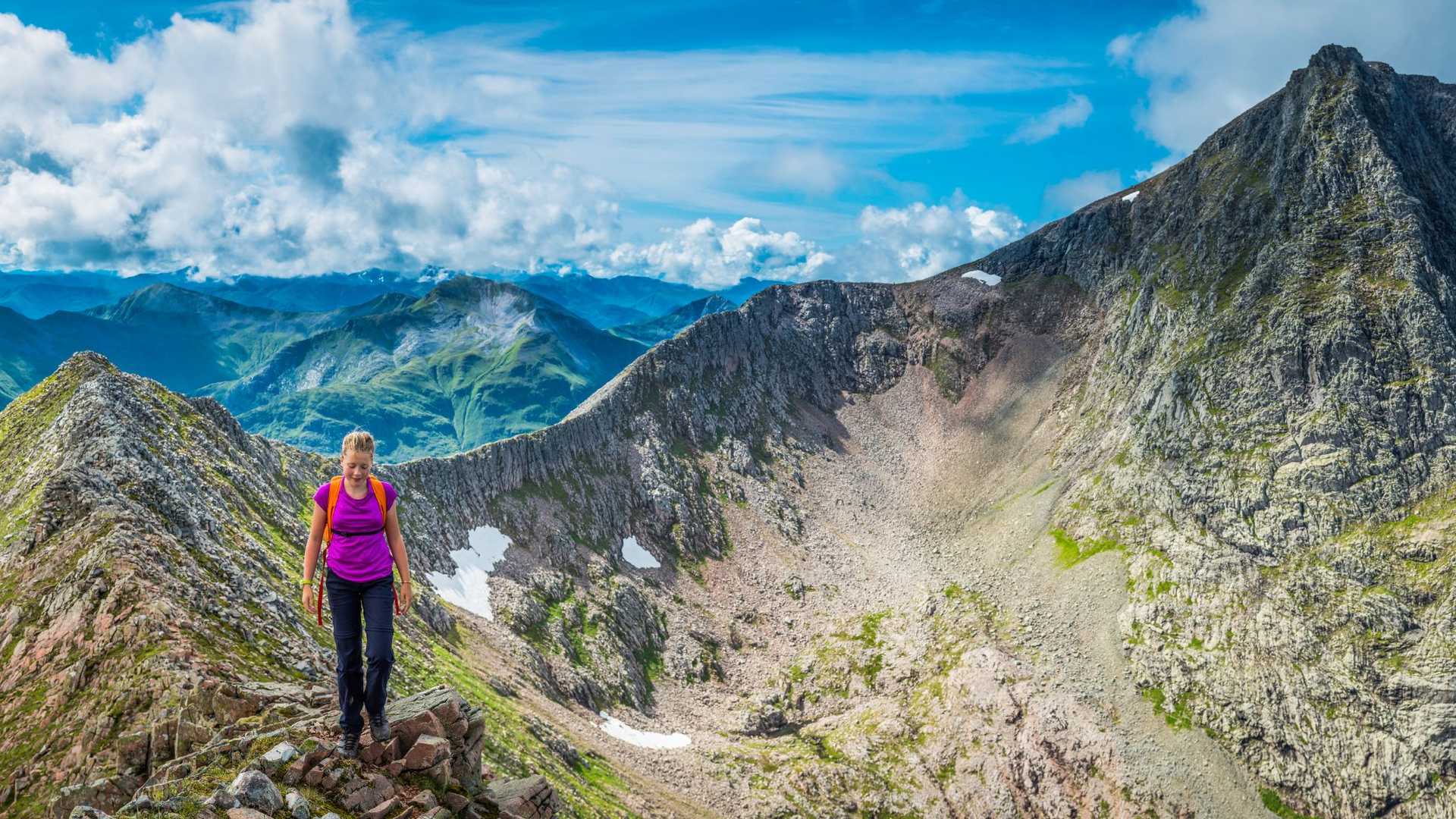
Scotland’s mountain landscapes are some of the most recognisable in the UK. From the dramatic ridgelines of Glencoe to the remote peaks of the Cairngorms, thousands of walkers head north every year to experience the country’s famous Munros.
For many people, climbing a Munro becomes more than a one-off challenge. It turns into a long-term goal, a personal milestone, or simply a rewarding way to experience Scotland’s landscapes on foot.
Even if you are completely new to Scottish hiking or already planning your first summit, understanding what a Munro is helps explain why these mountains hold such a strong place in Scotland’s walking culture.
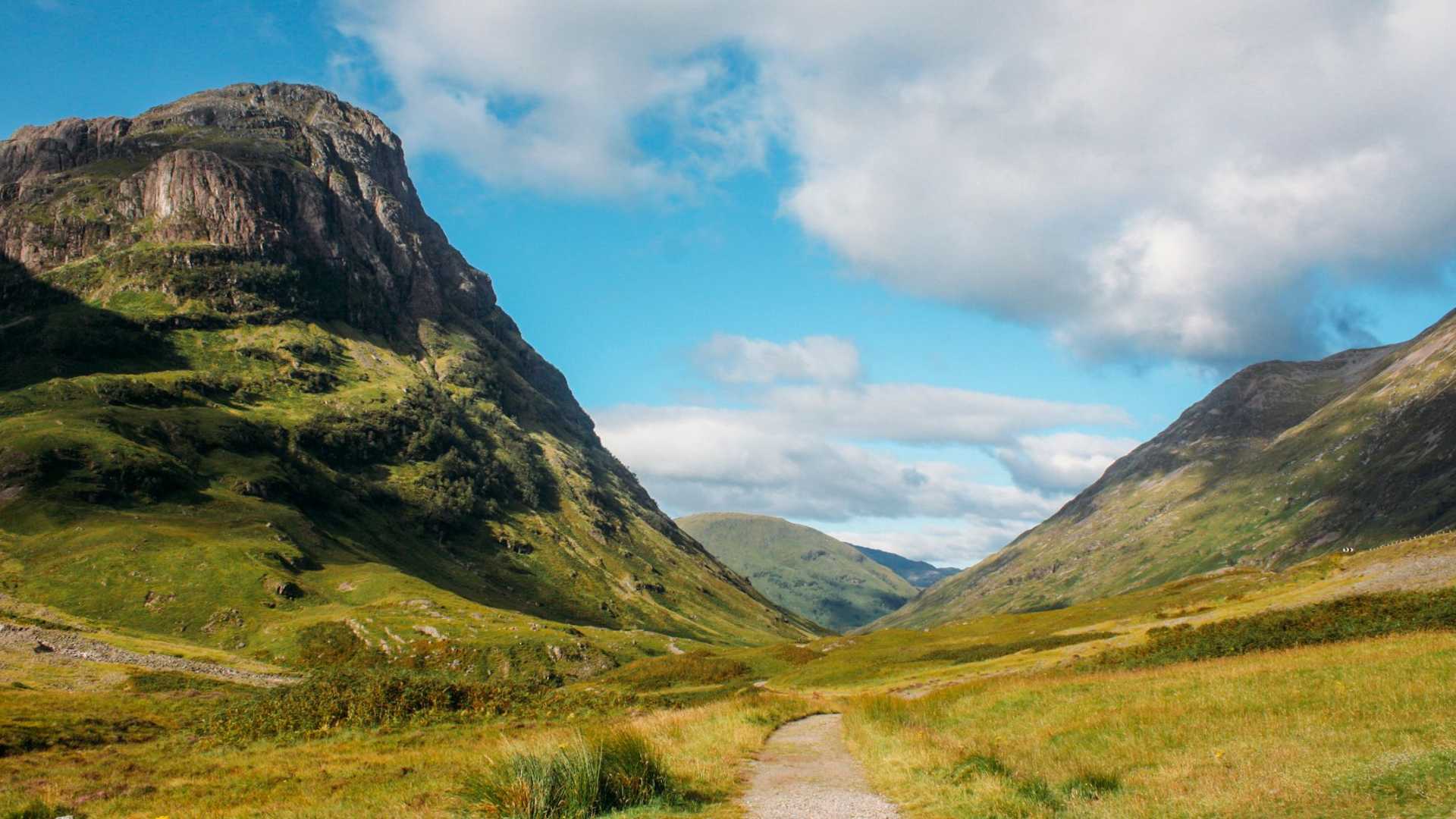
A Munro is any mountain in Scotland that reaches a height of more than 3,000 feet (914.4 metres).
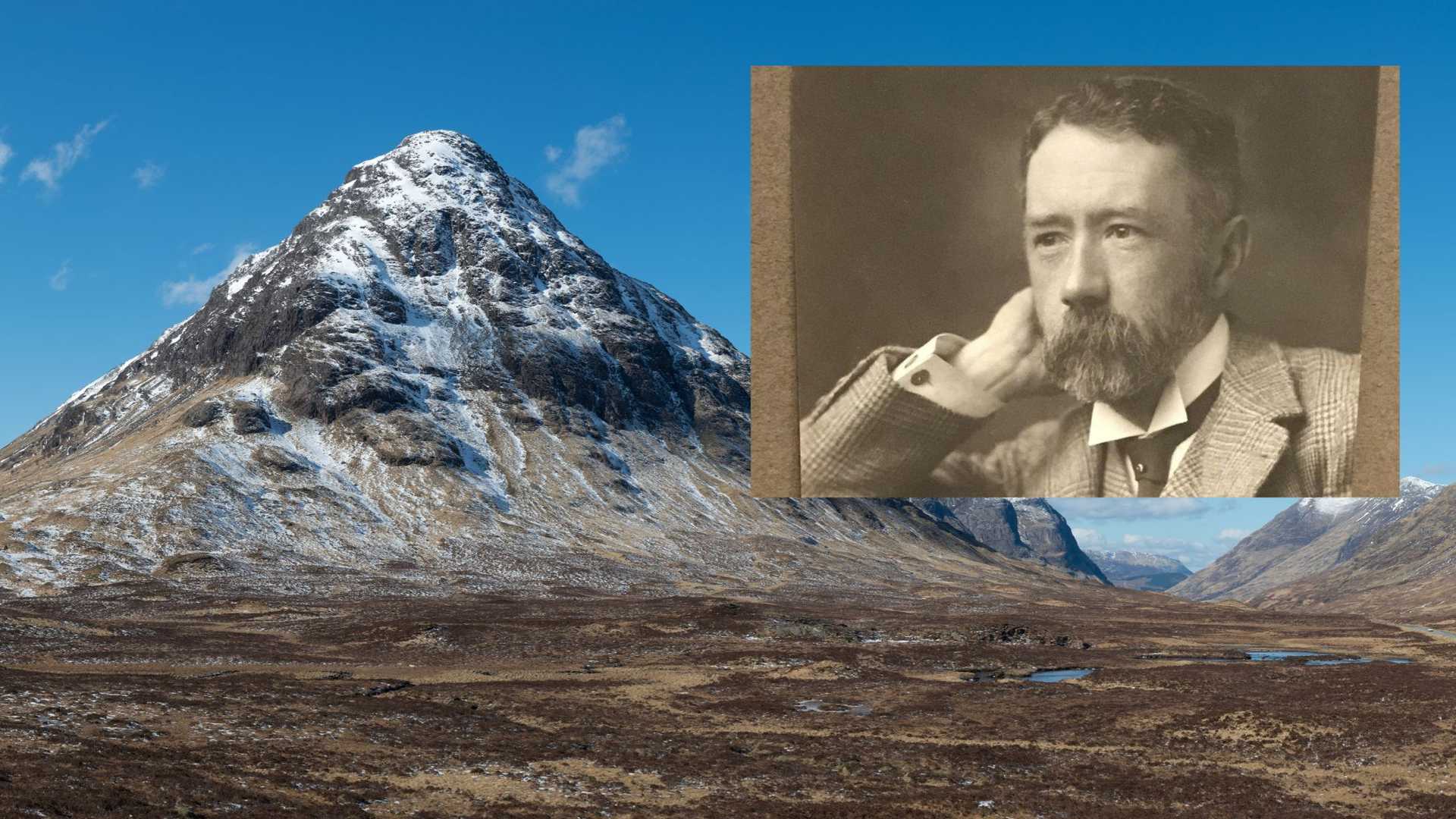
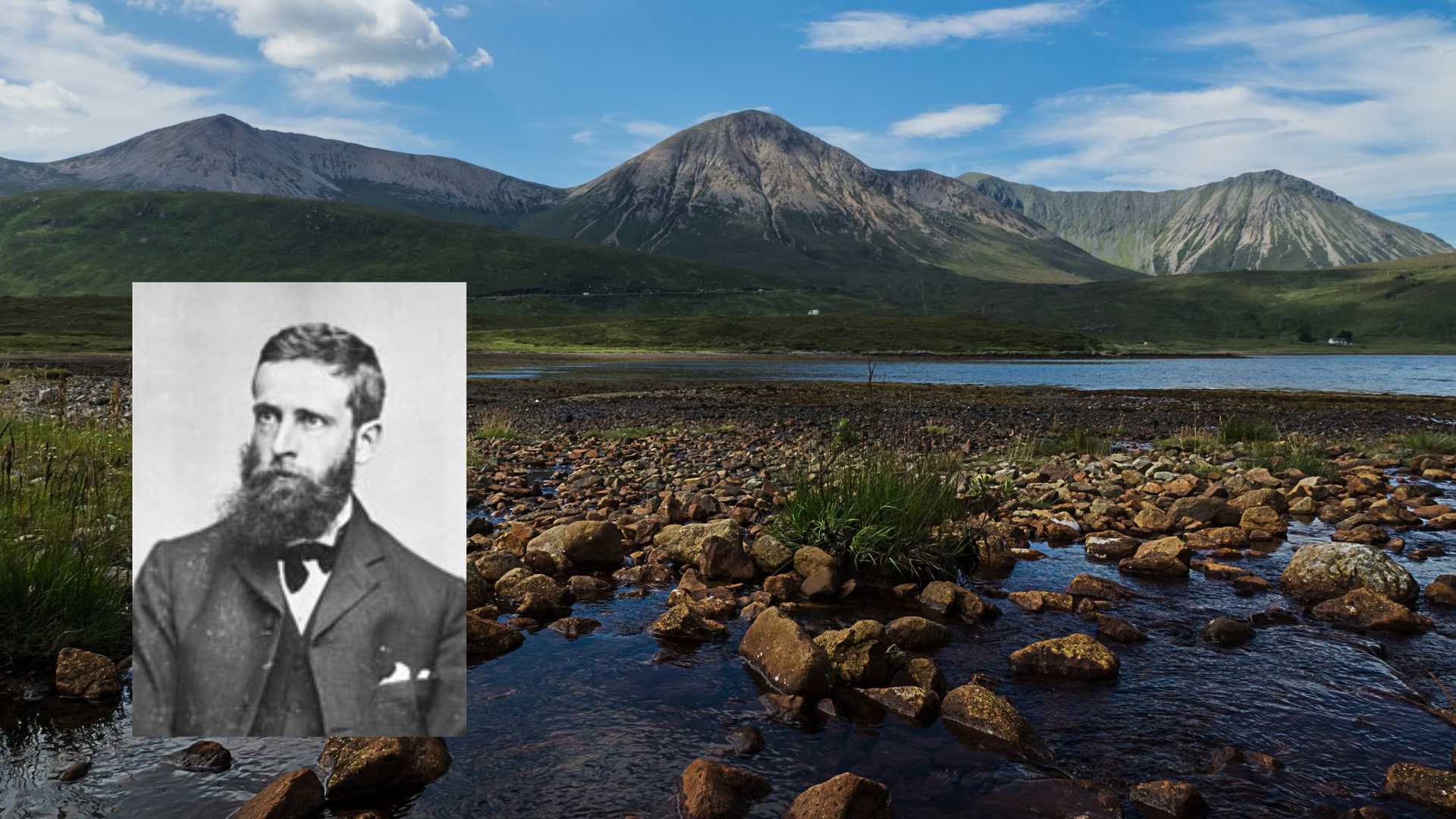
The term comes from Sir Hugh Munro, who published the first official list of Scotland’s highest mountains in 1891. His original catalogue became known as “Munro’s Tables”, and the mountains themselves gradually became known simply as Munros.
Unlike some mountain classifications, height alone does not fully determine whether a peak becomes a Munro. The Scottish Mountaineering Club also considers whether a summit is distinct enough from neighbouring peaks to count as a separate mountain.
This combination of height and prominence is part of what makes Munros in Scotland so varied. Some rise dramatically on their own, while others form part of vast mountain ranges with multiple summits.
There are currently 282 Munros in Scotland.
The official number has changed slightly over time as mapping technology has improved and classifications have been reassessed. Some peaks have been added, while others have been reclassified.
For many walkers, reaching all 282 Munros becomes a long-term ambition known as “Munro bagging”. Completing the full list can take years and often involves travelling across nearly every mountain region in Scotland.
The mountains are spread across the Highlands, including well-known areas such as:
Because the peaks are so geographically varied, climbing Munros also becomes a way of exploring Scotland itself.
Munro bagging simply means climbing Munros and keeping track of the summits you complete.
Some walkers aim to climb one or two famous peaks, while others gradually work through the entire list of 282. There is no fixed timescale or “correct” approach.
For many people, Munro bagging becomes appealing because every mountain feels different. One route may involve broad grassy slopes, while another includes rocky ridges, remote glens, or exposed scrambling sections.
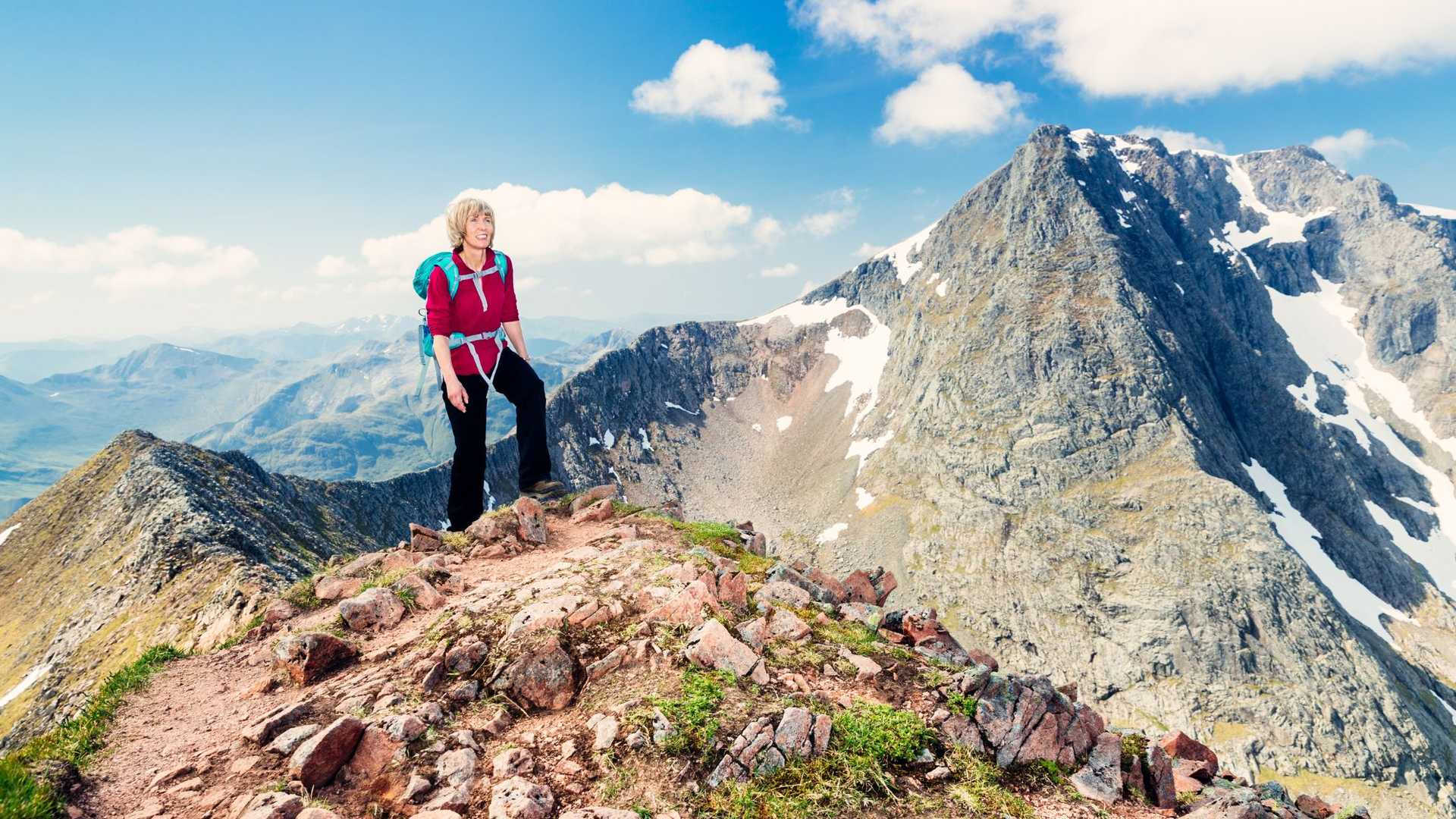
The sense of progression also plays a big role. Completing a Munro often feels like a meaningful achievement, particularly in challenging weather or remote landscapes.
In Scotland, meeting fellow Munro baggers is common. Mountain culture is deeply rooted in many Highland communities, and conversations about completed peaks often become part of the experience.
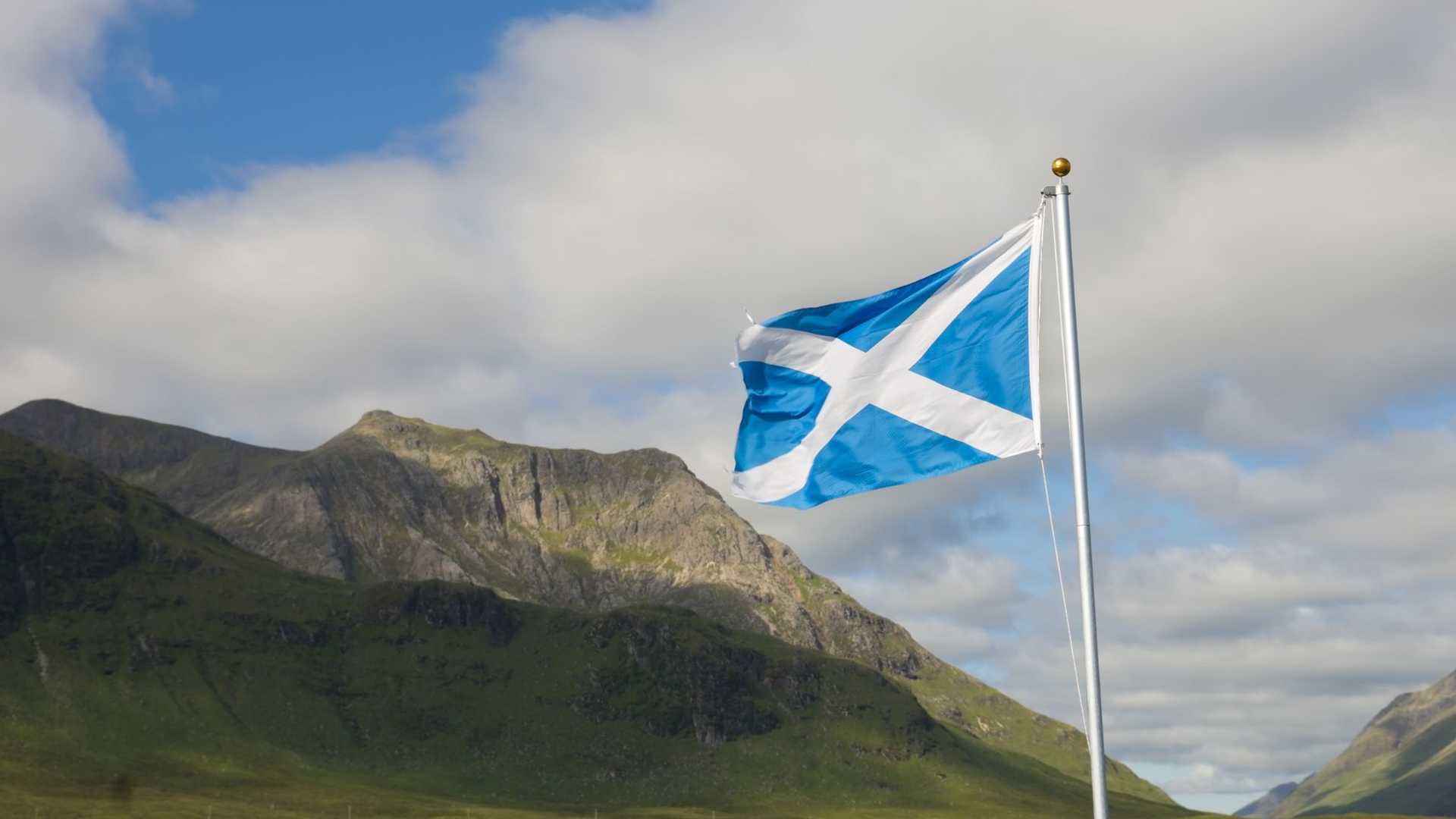
Munros are found throughout the Scottish Highlands, although some regions contain far greater concentrations than others.
The western Highlands are particularly famous for steep, dramatic peaks rising directly above lochs and glens. Areas such as Glencoe and Skye offer some of the most visually striking Munro mountains in Scotland.
Further east, the Cairngorms feature broader plateau-style mountains with huge open landscapes and long walking approaches.
Southern Highland regions around Loch Lomond and Perthshire often provide slightly more accessible starting points for first-time Munro walkers due to easier transport links and lower-altitude routes.
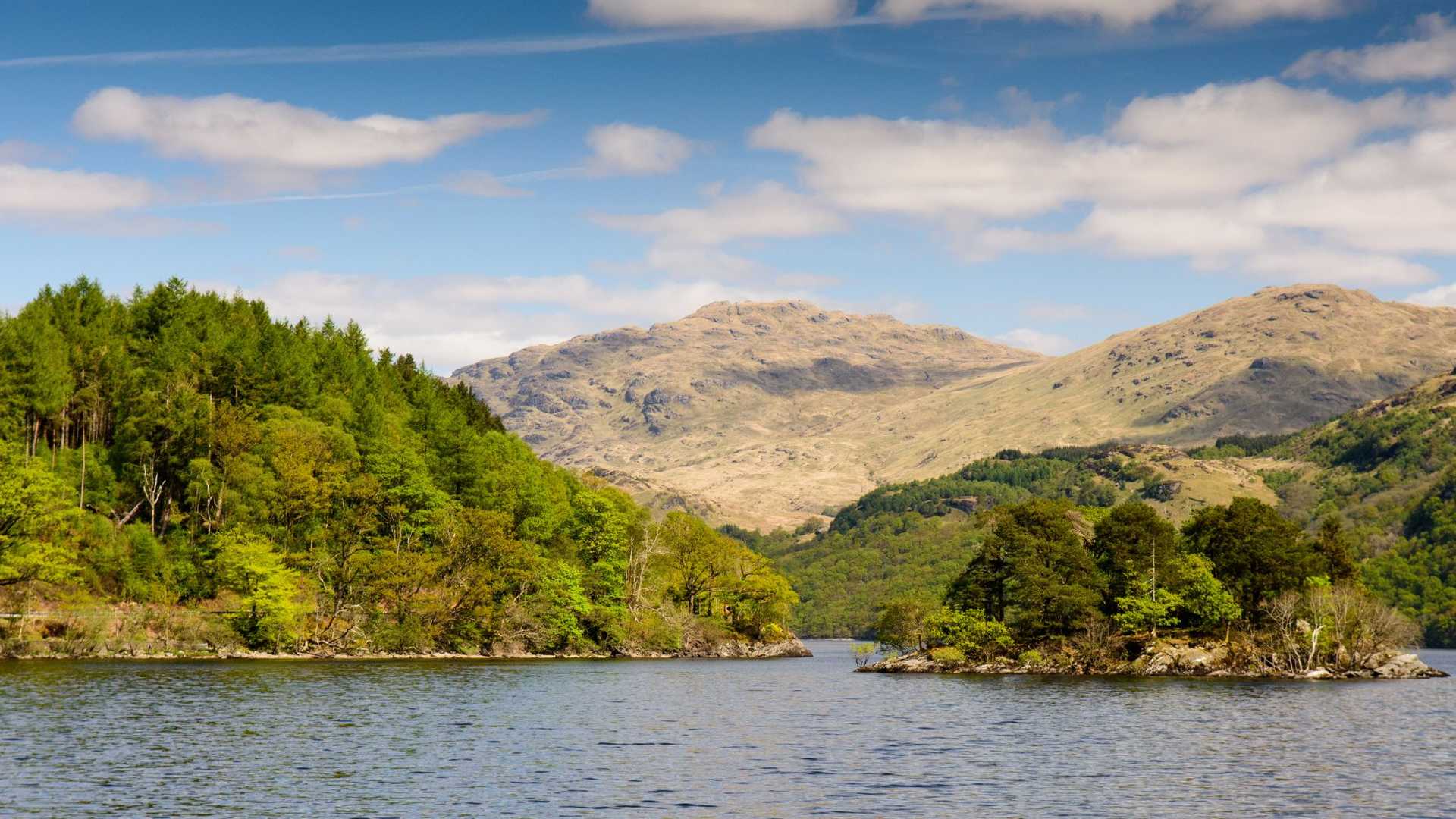
Many visitors combine Munro walks with wider Scottish walking holidays to experience both mountain landscapes and lower-level long-distance trails.
If you are planning a wider trip, you can explore walking routes across Scotland for inspiration across different regions and difficulty levels.
Munros vary hugely in difficulty.
Some can be climbed using well-maintained paths with relatively straightforward gradients. Others involve steep ascents, rocky terrain, exposed ridges, or difficult navigation in poor weather.
Distance also plays a role. Certain Munro routes are physically demanding because of their length rather than technical terrain.
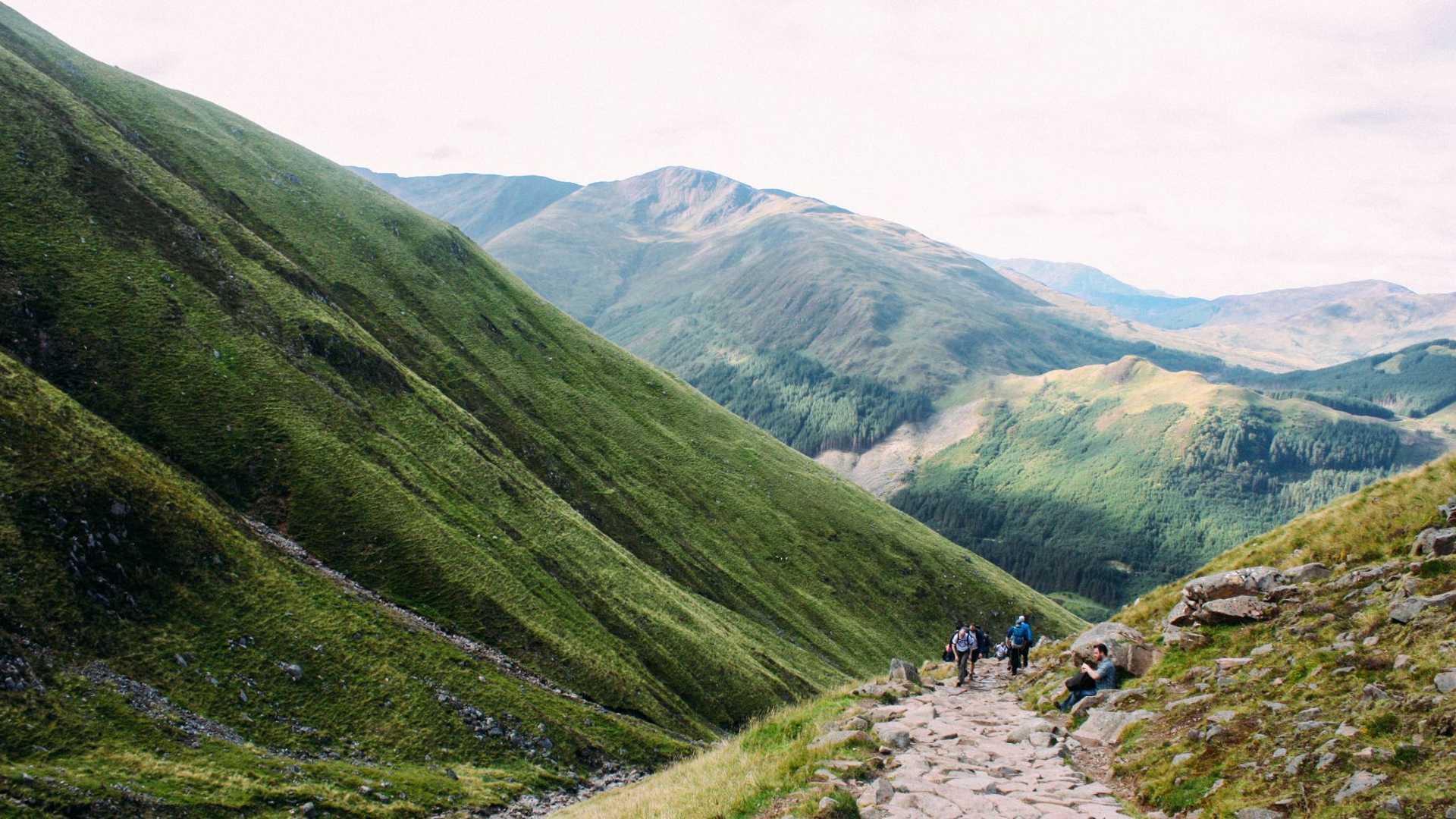
Weather conditions are another major factor in Scotland. Wind, mist, heavy rain, and rapidly changing temperatures can make even moderate routes feel much harder.
For beginners, it is usually best to start with:
Building experience gradually is often far more enjoyable than attempting highly challenging peaks too early.
Not every Scottish mountain is a Munro.
Scotland also has other mountain classifications based on height, including Corbetts and Grahams.
Many walkers enjoy Corbetts because they are often quieter and less crowded while still offering impressive scenery.
You do not necessarily need to climb Munros directly to experience Scotland’s mountain landscapes.
Several famous long-distance routes pass close to major Munros and offer excellent Highland scenery without requiring technical mountain days.
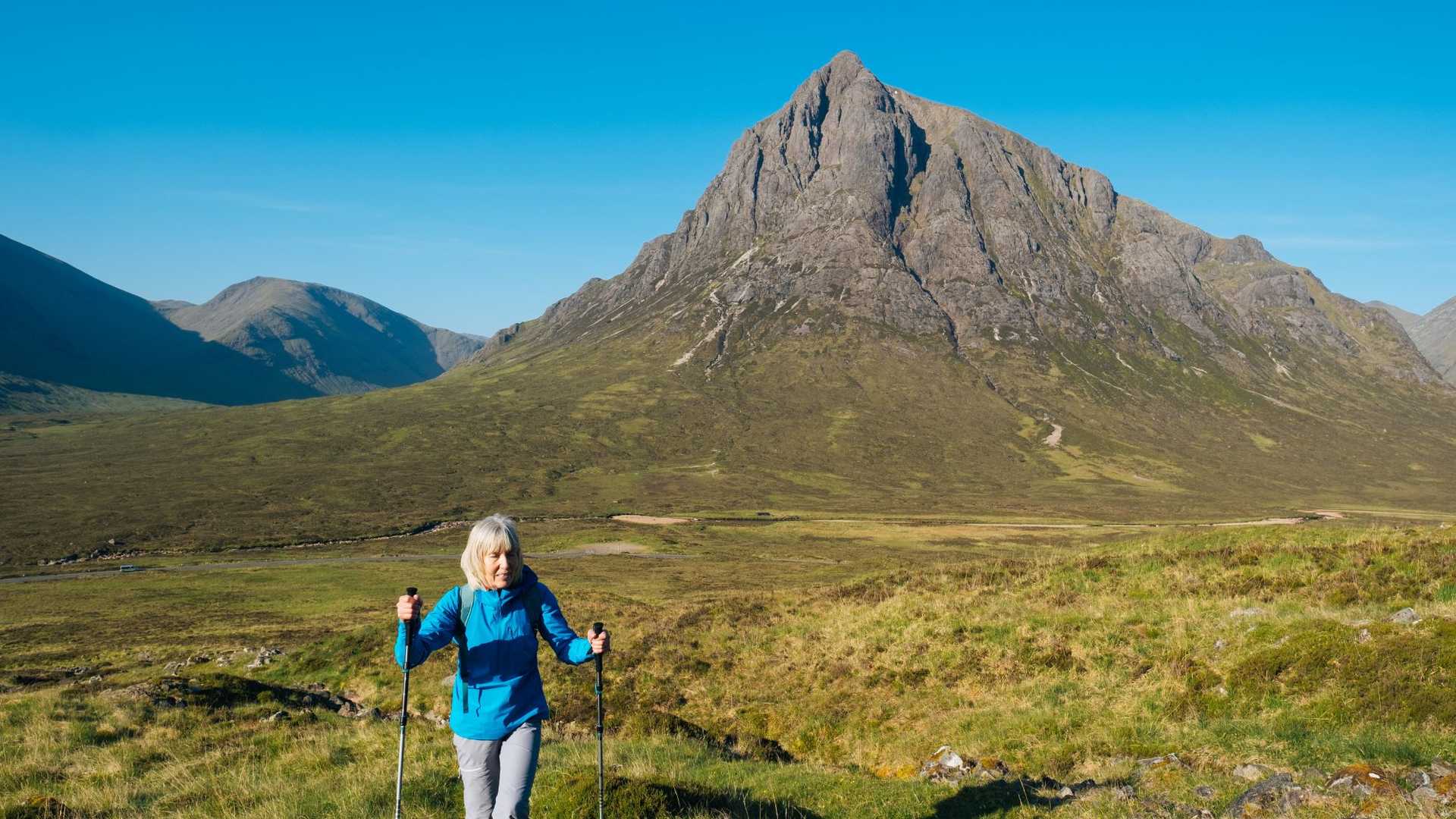
The West Highland Way passes beneath mountains such as Buachaille Etive Mòr and near Ben Lomond, making it one of the best introductions to Scottish mountain scenery. You can explore the West Highland Way trail to learn more about the route.
Many walkers also combine lower-level walking with optional summit days along the way. This creates a more flexible experience, particularly for mixed-ability groups.
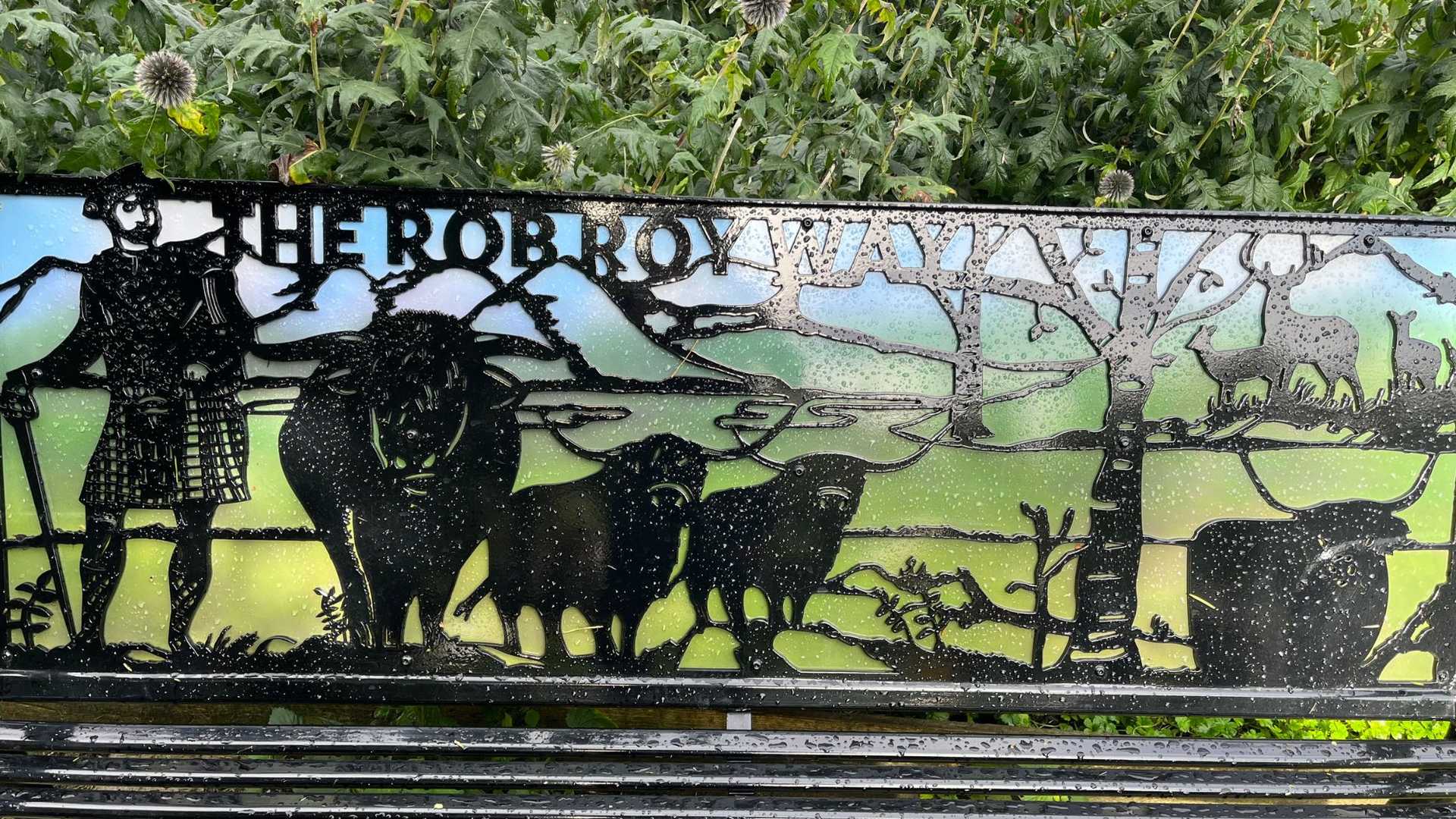
The Rob Roy Way provides another excellent alternative, combining lochside scenery, forests, and Highland landscapes without the sustained difficulty of major mountain ascents. You can also walk the Rob Roy Way in Scotland for a gentler introduction to the region.
If you want a first-hand perspective on Scotland’s best-known trail, this guide on what it’s like to walk the West Highland Way offers useful insight into the experience.
Part of the appeal of Munros comes from the sense of challenge and achievement they create.
Reaching a summit after several hours of climbing naturally feels rewarding, but Scotland’s landscapes add another dimension entirely. The views often stretch across lochs, glens, coastlines, and multiple mountain ranges at once.
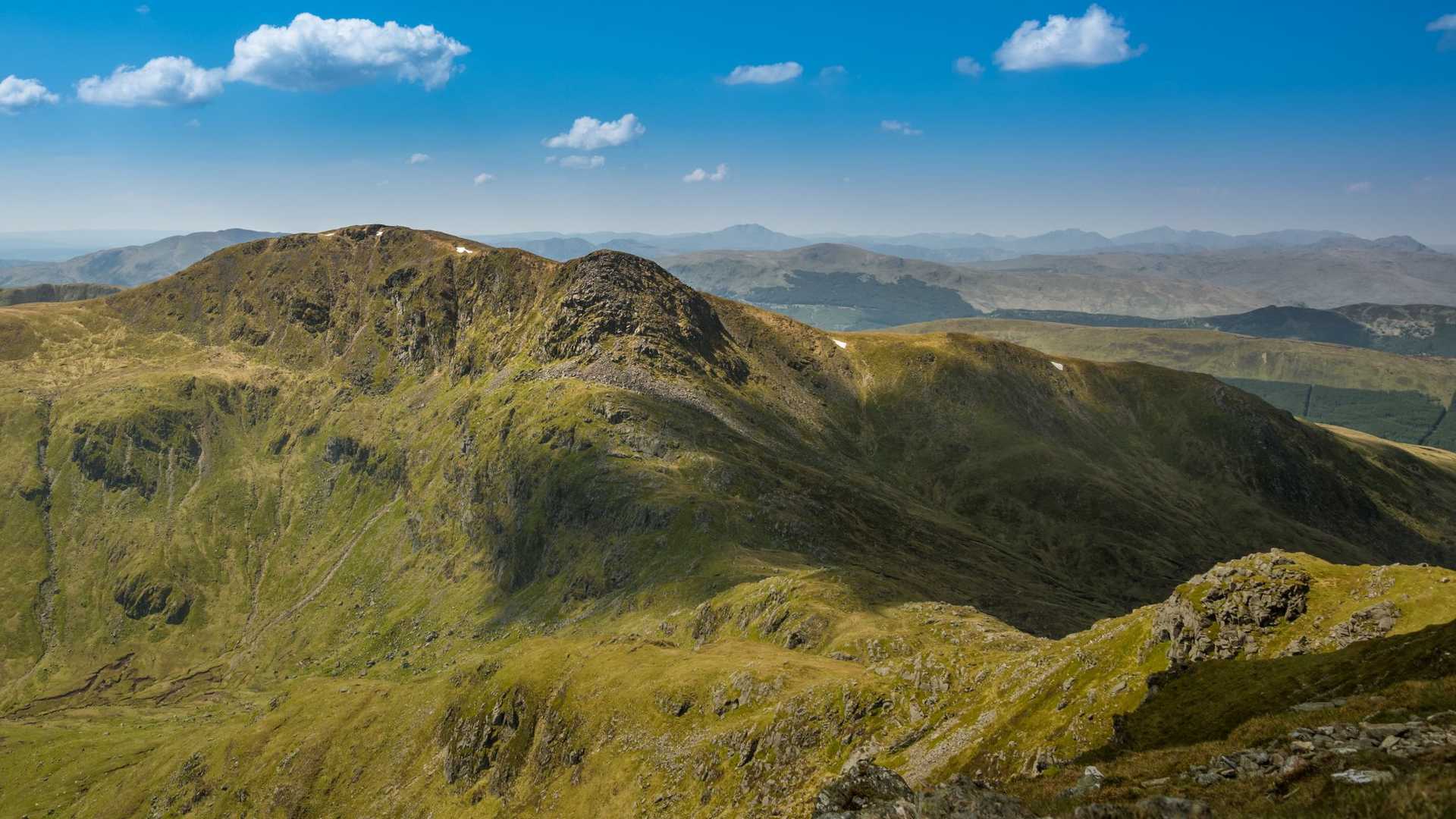
Munro bagging also gives walkers a long-term goal that evolves over time. Many people start with one famous peak and gradually discover quieter, more remote regions they might never otherwise visit.
For others, Munros simply provide a reason to spend more time outdoors and experience Scotland at a slower pace.
If you are new to Munro walks in Scotland, starting gradually is usually the best approach.
Choose routes with:
Ben Lomond is often considered a popular first Munro because of its accessible path and location near Glasgow.
Before attempting larger mountain days, it also helps to build experience on lower-level routes and long-distance walking trails.
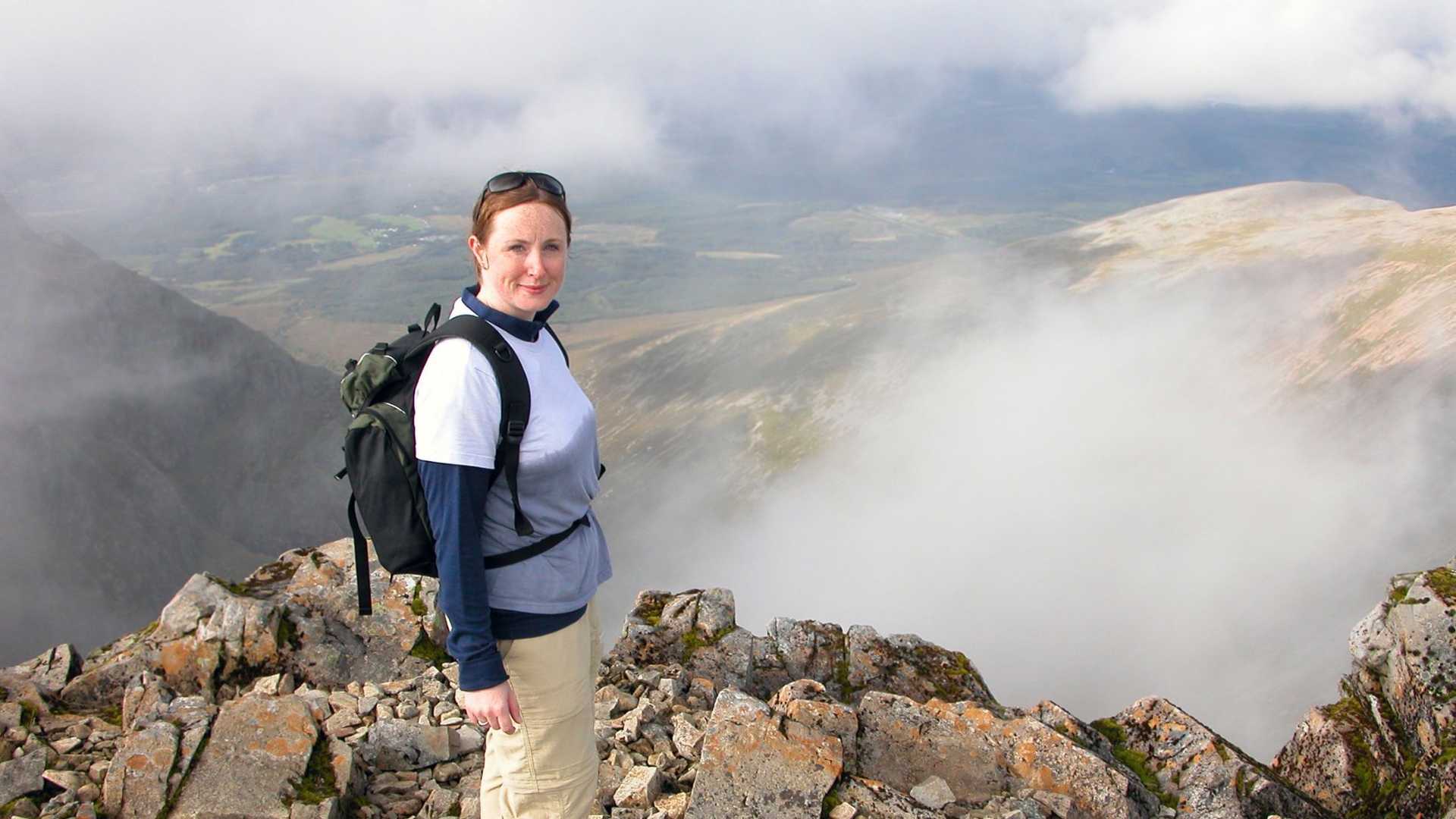
Good preparation matters too. Waterproof layers, appropriate footwear, route planning, and understanding changing weather conditions all make a significant difference in the Highlands.
The goal is not simply reaching the summit, but enjoying the experience safely and comfortably.
Ben Lomond is often considered one of the more accessible Munros for beginners due to its clear path and relatively straightforward ascent. However, weather conditions can still make it challenging.
A Munro is a Scottish mountain over 3,000 feet high, while a Corbett measures between 2,500 and 3,000 feet with at least 500 feet of prominence.
Some Munros are suitable for beginners with reasonable fitness and preparation. Starting with well-marked routes in good weather is usually the best approach before attempting more demanding peaks.