US Travellers: Walking Holiday Europe Guide
Christina
Loading content...
Christina
Planning a walking holiday in Europe from the US is more straightforward than many expect. With well-established trails, reliable public transport, and strong walking traditions, Europe offers some of the most rewarding long-distance walking experiences in the world.
From coastal paths in the UK to historic routes across mainland Europe, the key is understanding how travel logistics, entry requirements, and route choices fit together. Once those are clear, the rest becomes about enjoying the journey.

For most short walking holidays, US travellers do not need a visa to visit Europe or the UK. However, there are a few key distinctions to understand.
US citizens can typically stay in the Schengen Area for up to 90 days within a 180-day period without a visa. This includes countries such as France, Italy, Spain, and Portugal. More details can be found on the official EU site:
https://travel-europe.europa.eu/
For the UK, US travellers can also visit visa-free for up to six months. You can check current guidance here:
https://www.gov.uk/check-uk-visa
A new system called ETIAS (European Travel Information and Authorisation System) is expected to be introduced, which will require US travellers to complete a simple online authorisation before entering participating European countries.
Separately, the UK is introducing its own ETA (Electronic Travel Authorisation) system. Full details are available here:
https://www.gov.uk/guidance/apply-for-an-electronic-travel-authorisation-eta
Please be aware: Visa rules, entry systems, and travel requirements can change regularly, it’s always worth checking the official government websites before booking or travelling. Requirements can be updated with little notice, and travellers are responsible for ensuring they have the correct documentation before departure.
The EU is also rolling out the Entry/Exit System (EES), which will digitally record when travellers enter and leave Schengen countries.
In practical terms, this mainly means passport control may take a little longer when arriving in Europe, especially during busy travel periods. For most walking holidays, it won’t affect the overall experience, but it’s sensible to allow extra time when moving between countries or connecting through major airports.
Most walking holidays begin with a flight into a major European city such as London, Paris, Lisbon, or Rome.
These cities are well connected to regional train and bus networks, making it relatively straightforward to reach popular walking destinations. Some travellers choose to spend a night or two recovering from jet lag before beginning their route, particularly after overnight flights from the US.
You can browse options for walking holidays in the UK or explore European walking routes to see how routes connect with major entry points.

One of the advantages of Europe is how accessible walking routes are without a car.
Train networks, regional buses, and local taxis make it easy to reach trailheads. For example:
This makes planning far simpler compared to more remote destinations globally.
Europe offers a wide range of walking experiences, so choosing the right one is about matching the route to your expectations.
Some of the most popular options include:
Each offers a different pace and atmosphere, so it’s worth considering what kind of experience you want day to day.
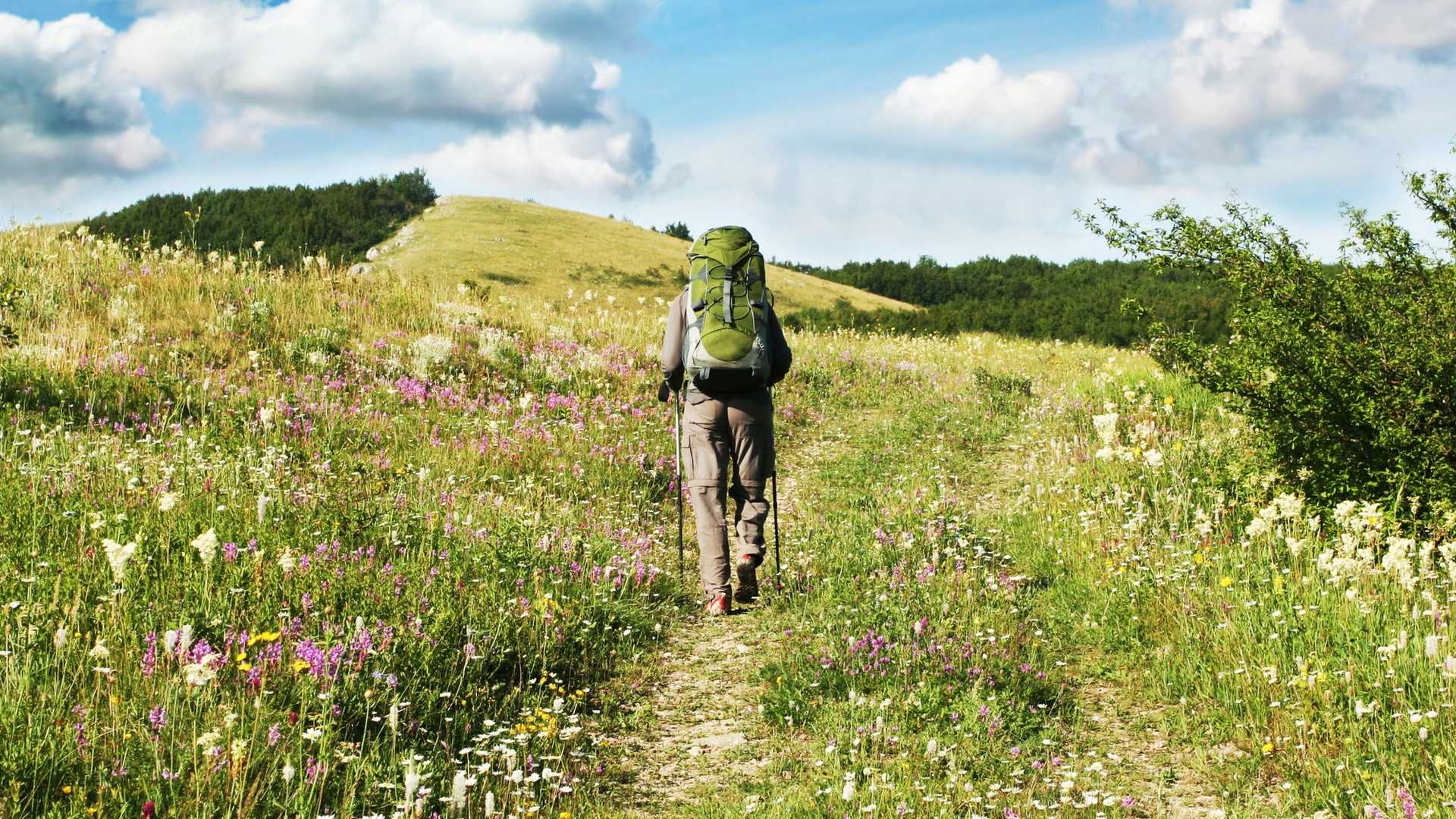
Not all walking holidays require prior experience, but choosing the right level makes a big difference.
Beginner-friendly routes tend to include shorter daily distances, gentle terrain, and frequent accommodation stops. You can explore beginner-friendly walking holidays to see suitable options.
More experienced walkers may prefer longer stages, varied terrain, or multi-country routes.
If you’re unsure, reviewing walking holiday preparation tips can help you understand what to expect.
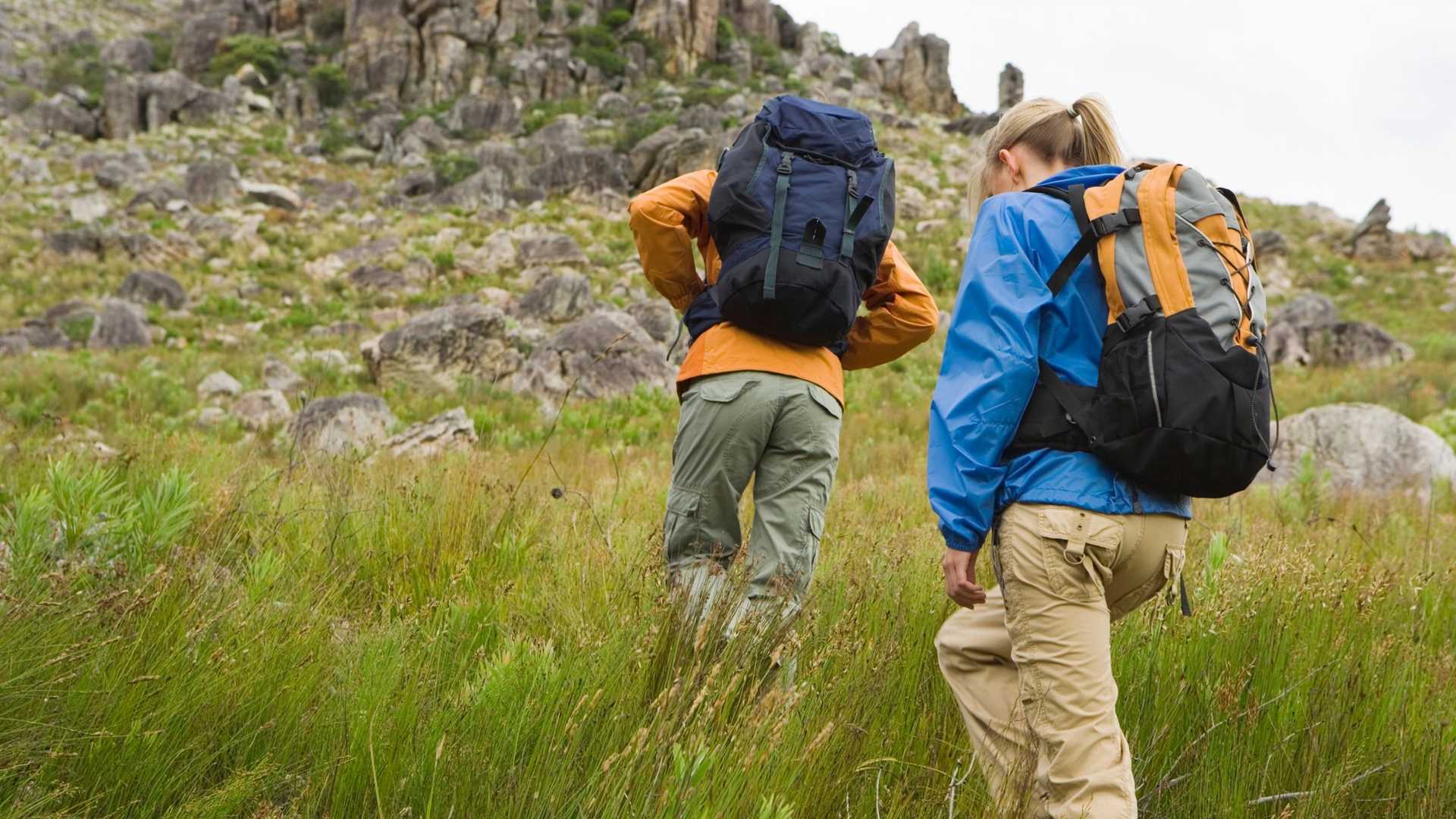
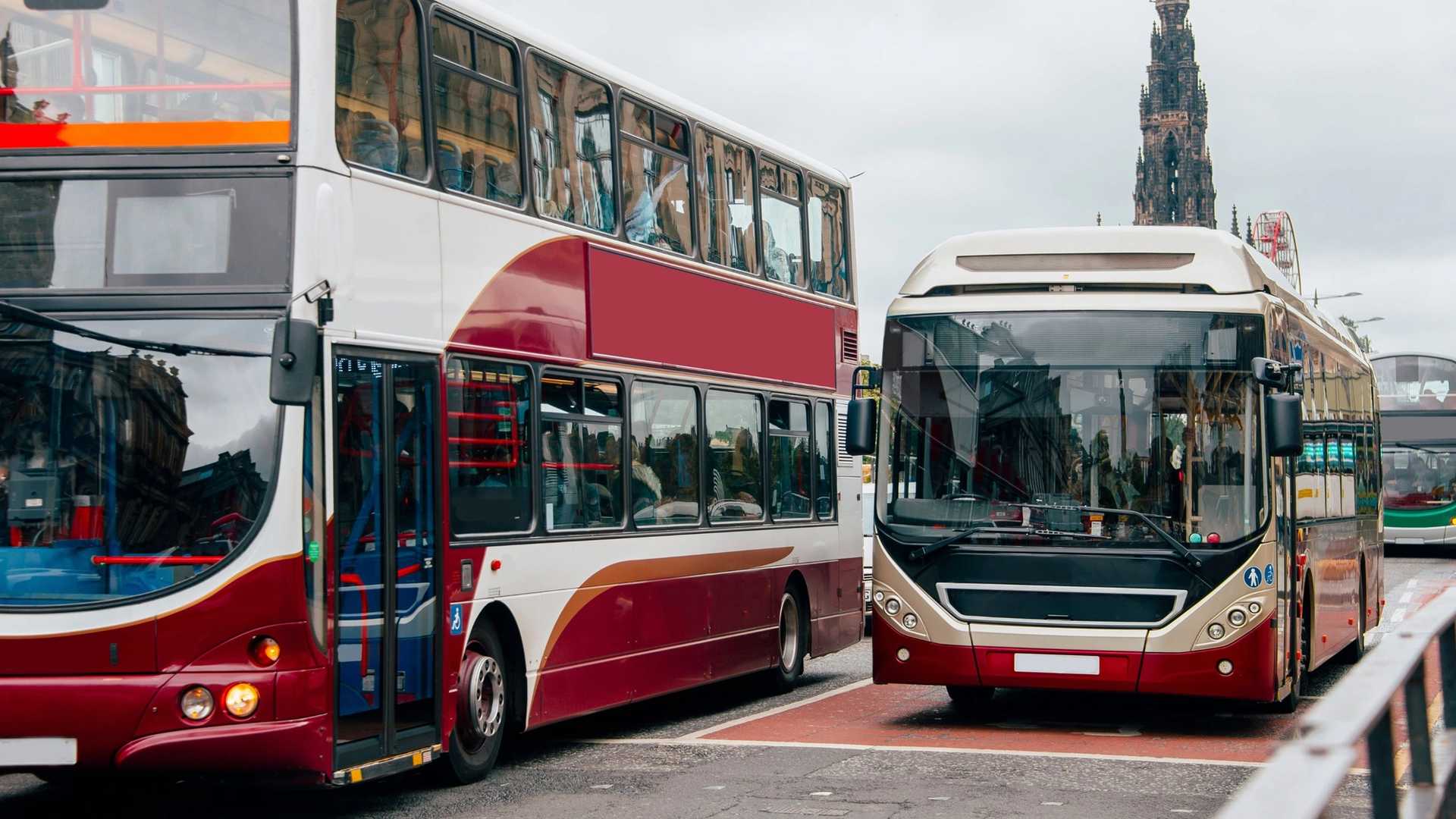
Public transport is widely used across Europe, including by walkers. Trains and buses are often the easiest way to move between locations.
This removes the need for car hire and makes point-to-point walking routes much more practical.
Accommodation on European walking holidays is usually smaller, more local, and more personal than large resort-style hotels.
Guesthouses, country inns, family-run B&Bs, and boutique hotels are all common, and they often become part of the overall experience rather than simply a place to sleep.

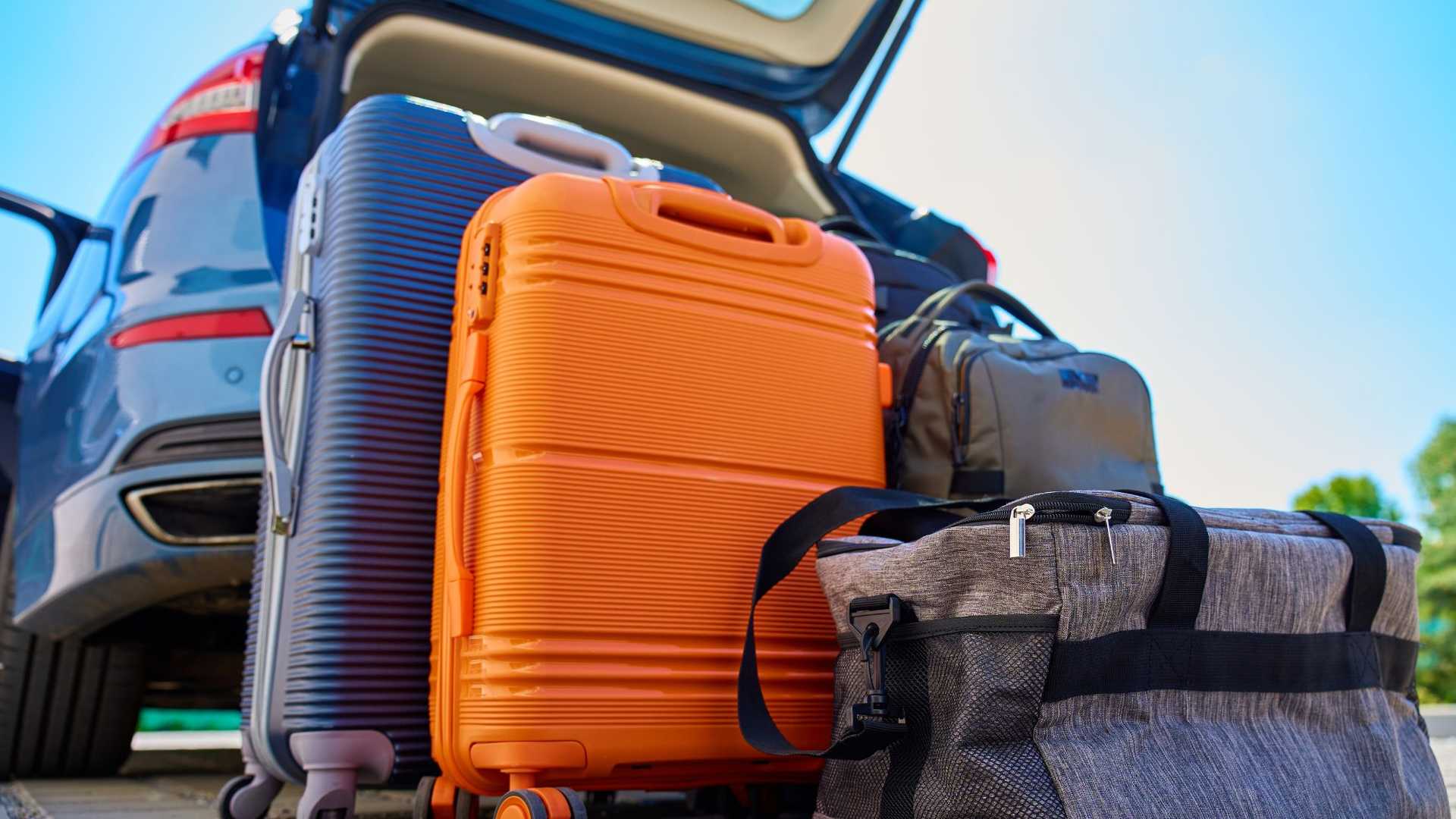
Our self-guided walking holidays include luggage transfers.
This means your main luggage is moved ahead to your next accommodation while you walk with only a daypack. For many travellers, this makes multi-day walking trips far more comfortable and accessible.
Walking is deeply embedded in European culture.
Many routes are usually well-marked, with clear signage and regular places to stop. You’re rarely far from a village, café, or accommodation, which helps create a steady rhythm to each day.

A simple checklist can make your trip run smoothly:
If you’re travelling during shoulder seasons, it’s also worth researching weather conditions and trail availability in advance.

A walking holiday offers a very different way to experience Europe. Rather than rushing between major cities, you experience the landscapes, local culture, and smaller communities that many travellers never get to see.
With the right planning, walking holidays can be surprisingly accessible for US travellers, combining active travel with comfort, flexibility, and a slower pace of exploration.
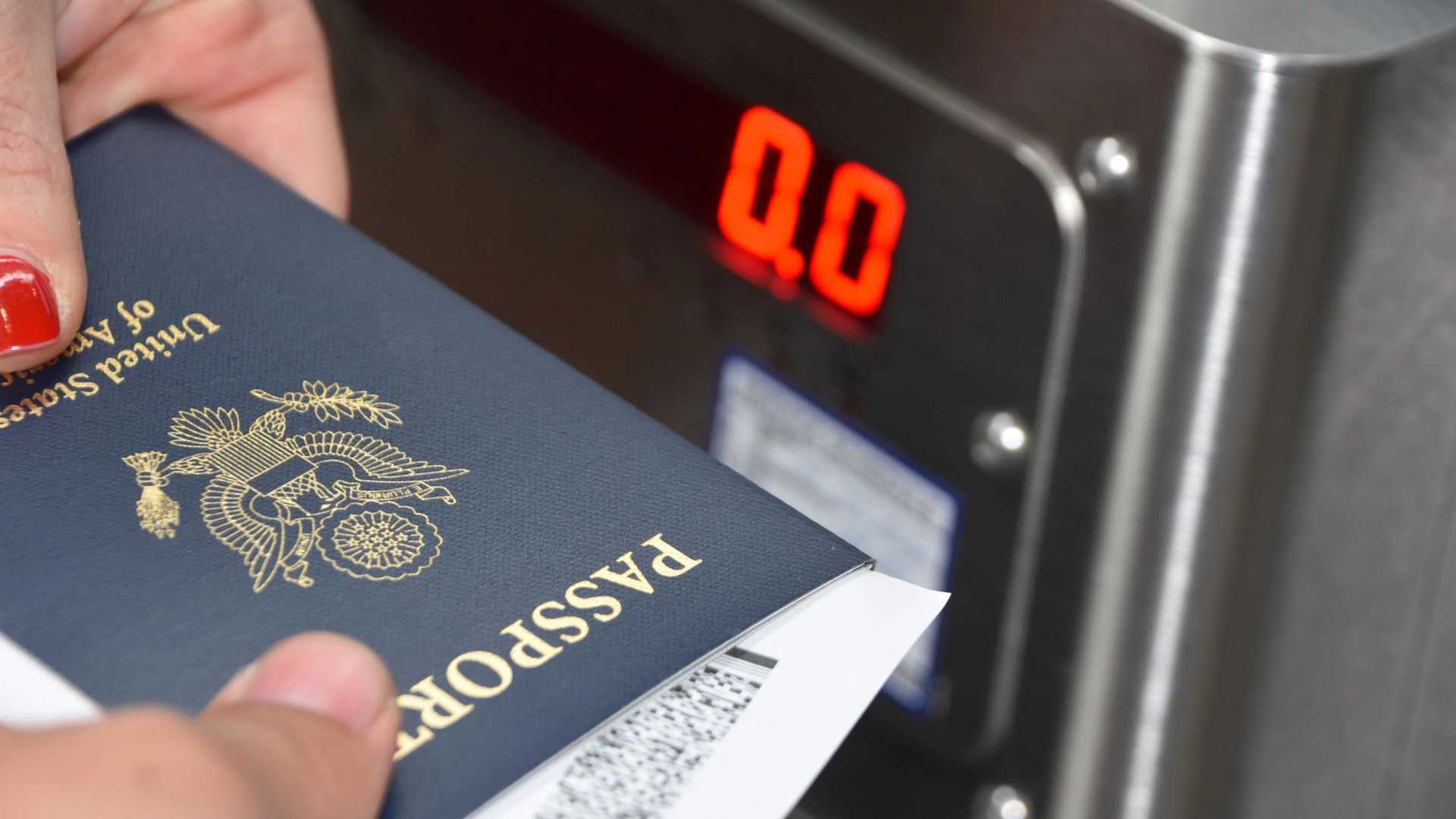
No, US citizens do not currently need a visa for short stays in the UK or Schengen Area. However, systems like ETIAS and the UK ETA are being introduced, so it’s important to check official travel guidance before departure.
The 90-day rule allows US travellers to stay in Schengen countries for up to 90 days within a 180-day period. This applies across all participating countries combined, not individually.
Most routes are accessible by train or bus from major cities. Many popular walking holidays are designed with clear start points that connect easily to public transport, making travel straightforward without a car.