The Benefits of a Walking Holiday for Mind and Body
Carys
Loading content...
Carys
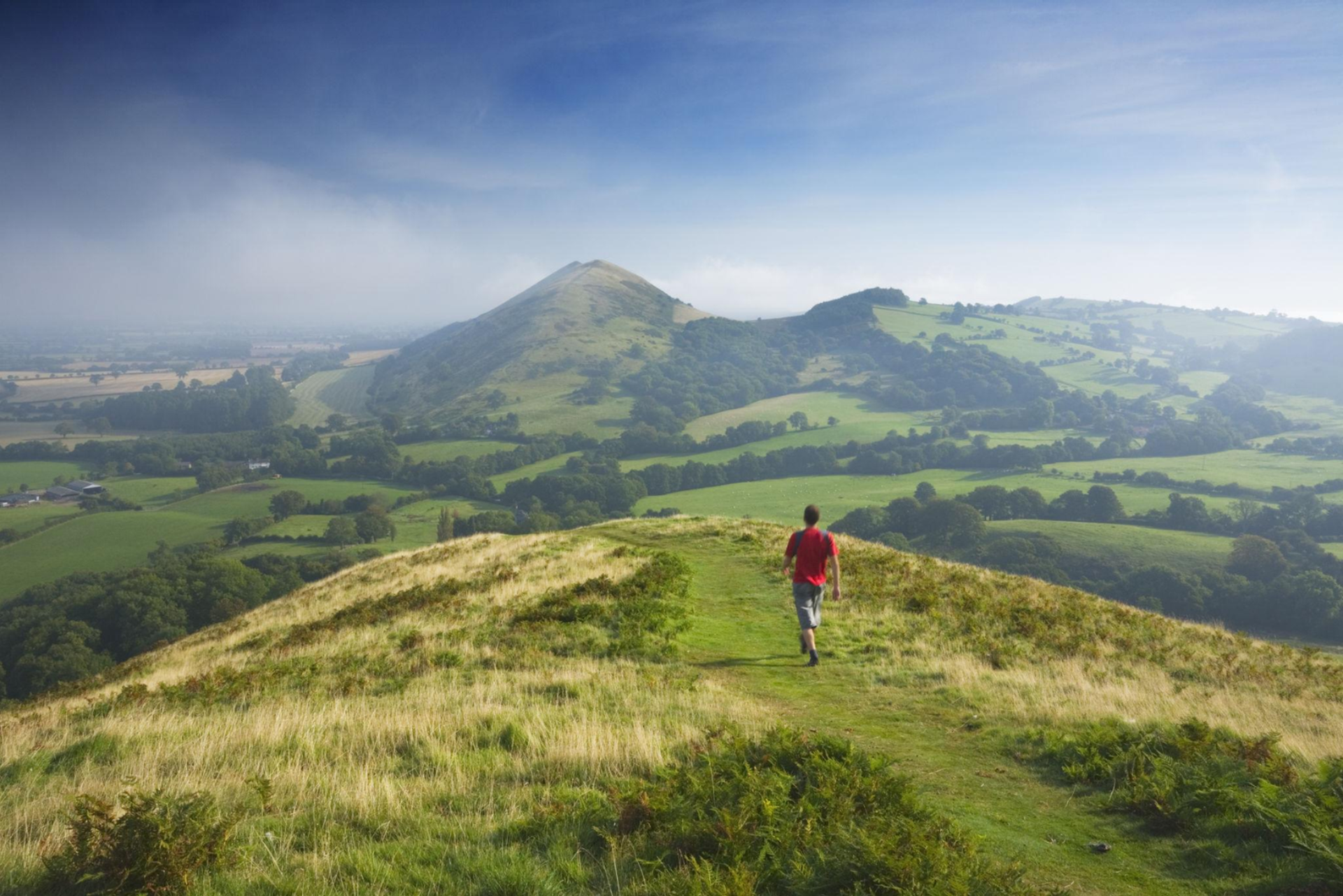
Walking holidays offer more than a change of scenery. They bring together regular physical activity, time outdoors and the quiet satisfaction of making a journey on foot. For many people, the greatest benefit comes from the simple rhythm of walking day after day.
There is something rather different about waking up knowing that the whole day ahead will be spent walking. After breakfast, you pull on your boots, check the weather and set off. There is a path to follow, somewhere to stop for lunch and another village waiting at the end.
The usual demands of daily life can wait. For a while, your attention belongs to the walk.
Most of us know that walking is good for our health. Finding the time and motivation to do it regularly can be another matter.
A walking holiday changes the emphasis. You're moving because there's somewhere you want to reach, a stretch of coastline to follow or a hill you would like to see beyond. The exercise becomes part of an experience you enjoy.
The physical benefits are well established. According to the NHS guidance on walking for health, regular brisk walking can help improve cardiovascular health and build stamina. Physical activity can also reduce the risk of several long-term conditions, including type 2 diabetes and heart disease.
But walking doesn't need to be fast or strenuous throughout the day to feel worthwhile. A steady climb will make your heart work harder, while gentler stretches offer time to recover and settle into a comfortable pace.
The important thing is finding a level of activity you can enjoy and sustain. That becomes particularly valuable as we get older. Walking provides an accessible way to remain active, provided the distance and terrain suit your fitness and mobility.
And unlike exercise undertaken purely for its own sake, the reward is there in front of you. Another stretch of path explored, another view earned.
Think about the last time you spent a whole day outside.
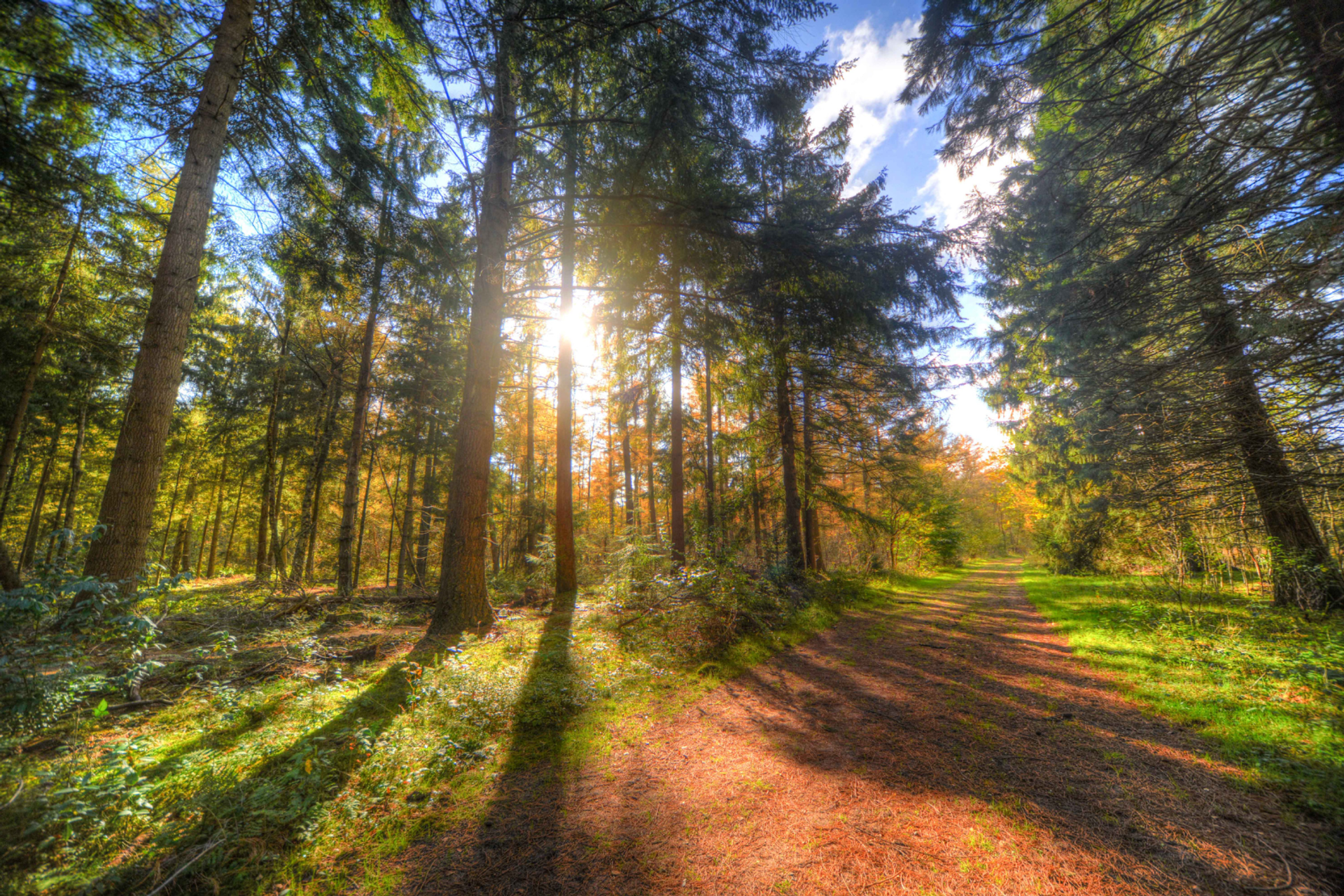
Perhaps it was the sound of birds in a hedgerow, the smell of woodland after rain or the changing light over an open hillside that stayed with you. Small things that are easily overlooked when we're hurrying somewhere.
Walking gives you time to notice them.
On a woodland path, you might find yourself listening for a woodpecker. Along the coast, you begin recognising the sound of waves against different shorelines. You stop to watch a buzzard circling above a field, with no particular reason to hurry on.
These moments are part of what makes spending time in nature so restorative.
Research into nature and wellbeing suggests that access to green spaces and outdoor activity can support mental wellbeing. Yet the pleasure of a walk hardly needs reducing to a scientific explanation. Most of us recognise the feeling of returning indoors after a day outside, physically tired but glad to have been out.
And there is satisfaction in experiencing a place through its weather and seasons, rather than looking at it through a window.
A familiar benefit of walking is the space it creates for thought.
Some people set off with a problem on their mind and find that the steady movement helps them work through it. Others enjoy the opportunity to think about very little at all.
Both have their place.
The NHS recognises regular exercise as a useful way to support mood and mental wellbeing. Walking can help you relax, and physical activity may also improve sleep.
A walking holiday offers something further: several days away from your usual routine, with fewer competing demands on your attention.
You may find that the first morning is spent mentally going over everything you've left behind. By the next day, your thoughts are turning more towards the path ahead, the weather or where you'll stop for lunch.
It's not that everyday concerns necessarily disappear. They simply have less opportunity to occupy every waking moment.
Sometimes a little distance is helpful.
Mindfulness is often described as paying attention to the present moment. Walking lends itself naturally to this, without requiring you to practise a particular technique.
On rough ground, your attention moves to where you place your feet. Climbing a hill, you notice your breathing and find a comfortable rhythm. When the path levels out, your awareness shifts to the landscape around you.
You become absorbed in what you're doing.
There's a difference between deliberately trying to empty your mind and simply becoming interested in the world around you. Walking often encourages the latter.
An hour can pass while you've been noticing the changing vegetation beside a path or watching the coastline unfold beyond the next headland.
Of course, not every walk feels peaceful. Wind, rain and difficult terrain demand concentration. But even then, the immediate task of finding your way and making steady progress can provide a welcome change from the usual distractions.
You don't need to seek out silence or solitude. The simple act of being attentive to the path can be enough.
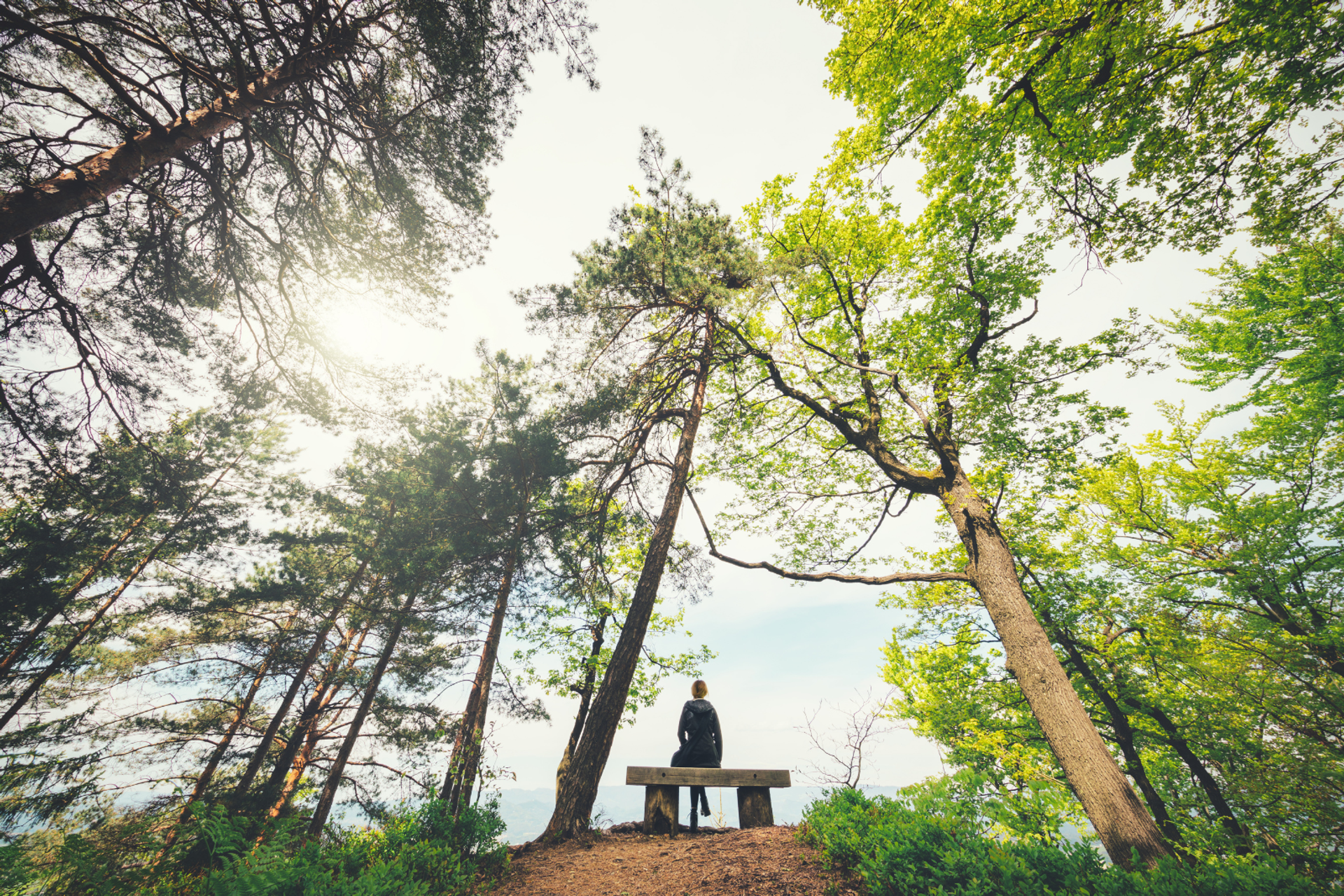
There is a particular satisfaction in a long-distance walk that is difficult to reproduce on a single afternoon outing.
On the first day, everything is new. You're finding your rhythm, getting used to your boots and perhaps wondering whether you've chosen the right pace.
By the second or third morning, things become more familiar. You know what you like to carry, when you tend to need a break and how your legs feel after a full day's walking.
The journey starts to develop its own routine.
There is pleasure in making visible progress, too. Looking back across a valley you've crossed, or recognising a distant headland as somewhere you walked the previous day, brings a sense of achievement that builds gradually.
For those walking with a partner or friend, there is also the pleasure of shared experience. Conversations have room to wander. Silences become companionable. A difficult climb or an unexpected encounter along the path becomes something to remember together.
And when you're walking alone, you have the freedom to follow your own thoughts, stop when something interests you and spend the day entirely at your own pace.
Perhaps most importantly, you finish each day having done something tangible. You've travelled from one place to another under your own steam.
That feels good.
A walking holiday can be restorative, but that doesn't mean it will always be relaxing.
There may be steep climbs, sore feet, slippery paths or an afternoon when the next village seems further away than it ought to be.
The Pembrokeshire Coast Path is a good example. Its repeated descents into coves and climbs back to the clifftops can make a day surprisingly strenuous. Elsewhere, a level stretch of hard track may prove more tiring than expected.
That physical effort is part of the experience. The satisfaction of reaching your accommodation, taking off your boots and settling down to supper often feels all the better for it.
The key is choosing a walk that suits you.
You don't need to tackle the longest or most demanding itinerary to enjoy the benefits. Shorter walking days, gentler terrain and rest days can make a considerable difference.
If you're returning to exercise after a break, it makes sense to build your walking gradually before travelling. Practising on consecutive days will help you understand how you recover overnight. Our guide to how fit you need to be for a walking holiday offers more practical advice.
And if you have an existing health condition or concerns about increasing your activity, seek appropriate medical advice before setting out.
Walking should leave you with a sense of achievement, rather than feeling that you've pushed yourself beyond what is sensible.
One of the most useful things a walking holiday can do is remind you how enjoyable regular walking can be.
You return knowing what it feels like to spend time outdoors each day, to cover ground steadily and to discover places you might otherwise have passed by.
You may find yourself making more time for a local walk, choosing to explore somewhere closer to home or simply going out for a short stroll when the weather is good.
There is no need for ambitious targets. A familiar path through the woods or a regular walk along the river can still provide time to think, move and enjoy being outside.
The longer-term health benefits come from making physical activity part of everyday life. A walking holiday may be just the encouragement you need to keep doing something you have rediscovered a liking for.
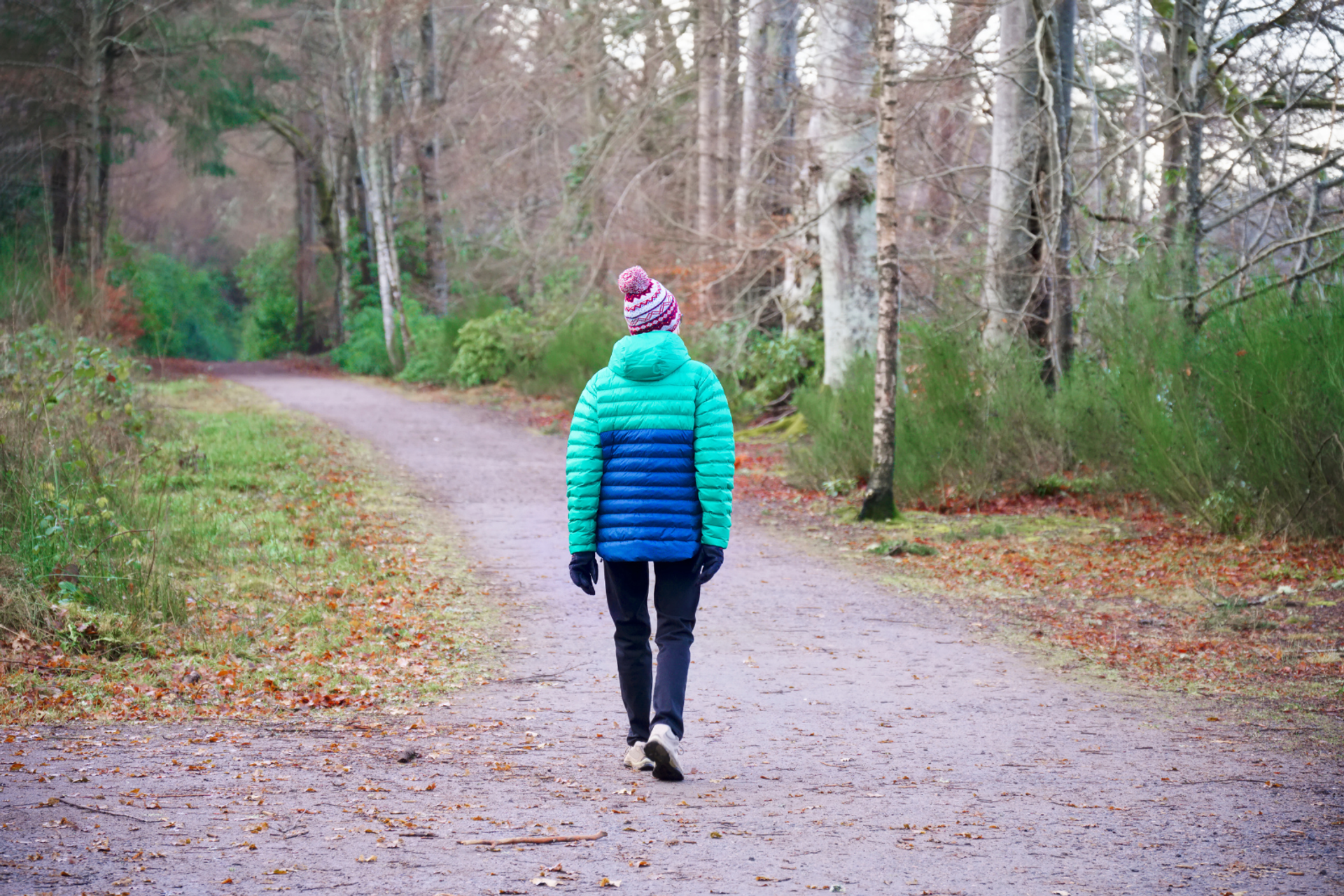
Perhaps this is the greatest appeal of a walking holiday. For a few days, life becomes pleasantly straightforward.
You wake, have breakfast and set out. The path determines the direction, but you decide the pace. There's time to stop for a view, take a longer lunch or simply sit for a while.
At Celtic Trails, we arrange your accommodation and move your main bag between overnight stops, leaving you free to concentrate on the walking.
By the end of the journey, you may have tired legs and a few muddy belongings. You'll also have the satisfaction of knowing you've followed a path from one place to another, with everything you saw and experienced along the way.
And perhaps a renewed appreciation of something wonderfully simple: how good it can feel to spend a day on foot.