Smart Eco-Friendly Travel Ideas for Responsible Holidays
Christina | Celtic Trails·

Loading content...
Christina | Celtic Trails·
Eco friendly travel is about making thoughtful decisions before, during and after a trip. The way we travel, where we stay, and how we interact with landscapes can all influence the places we visit.
Responsible travel holidays focus on reducing environmental impact while supporting local communities. For many travellers, this means travelling more slowly, choosing lower-impact transport and spending time in nature.
Walking holidays already fit naturally within this approach. Travelling on foot encourages a slower pace and a deeper appreciation of landscapes, wildlife and local culture.
• Eco friendly travel focuses on practical decisions before and during a trip
• Responsible travel holidays help protect landscapes and support local communities
• Train travel can significantly reduce emissions compared with short-haul flights
• Walking holidays are naturally low-impact and support slower travel
• Small changes in behaviour can make responsible travel easier and more rewarding
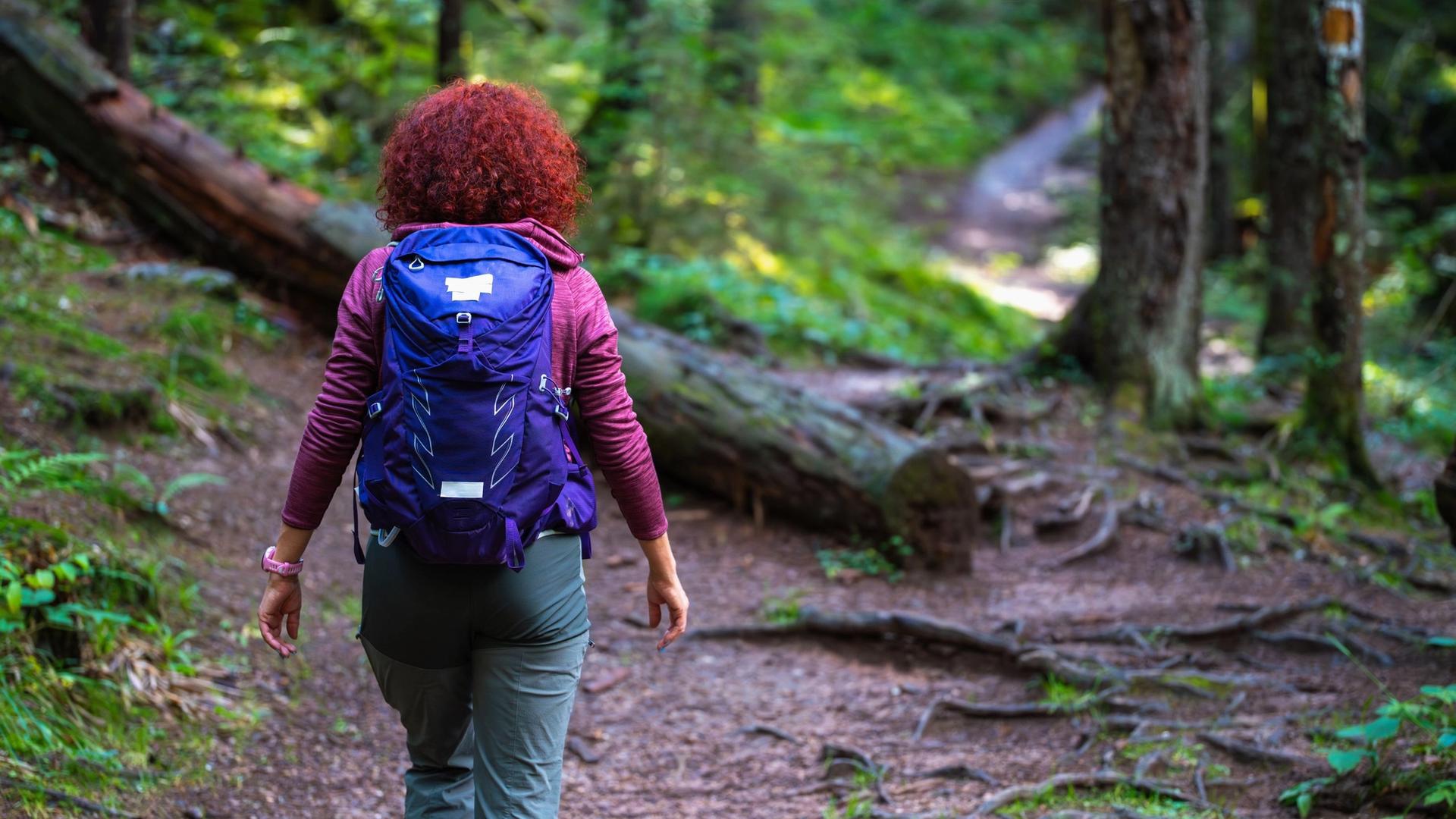
Eco friendly travel is often associated with reducing carbon emissions, but its impact goes much further.
Tourism can place pressure on small communities, fragile ecosystems and wildlife habitats. Popular destinations sometimes experience overcrowding, water shortages or damage to natural landscapes.
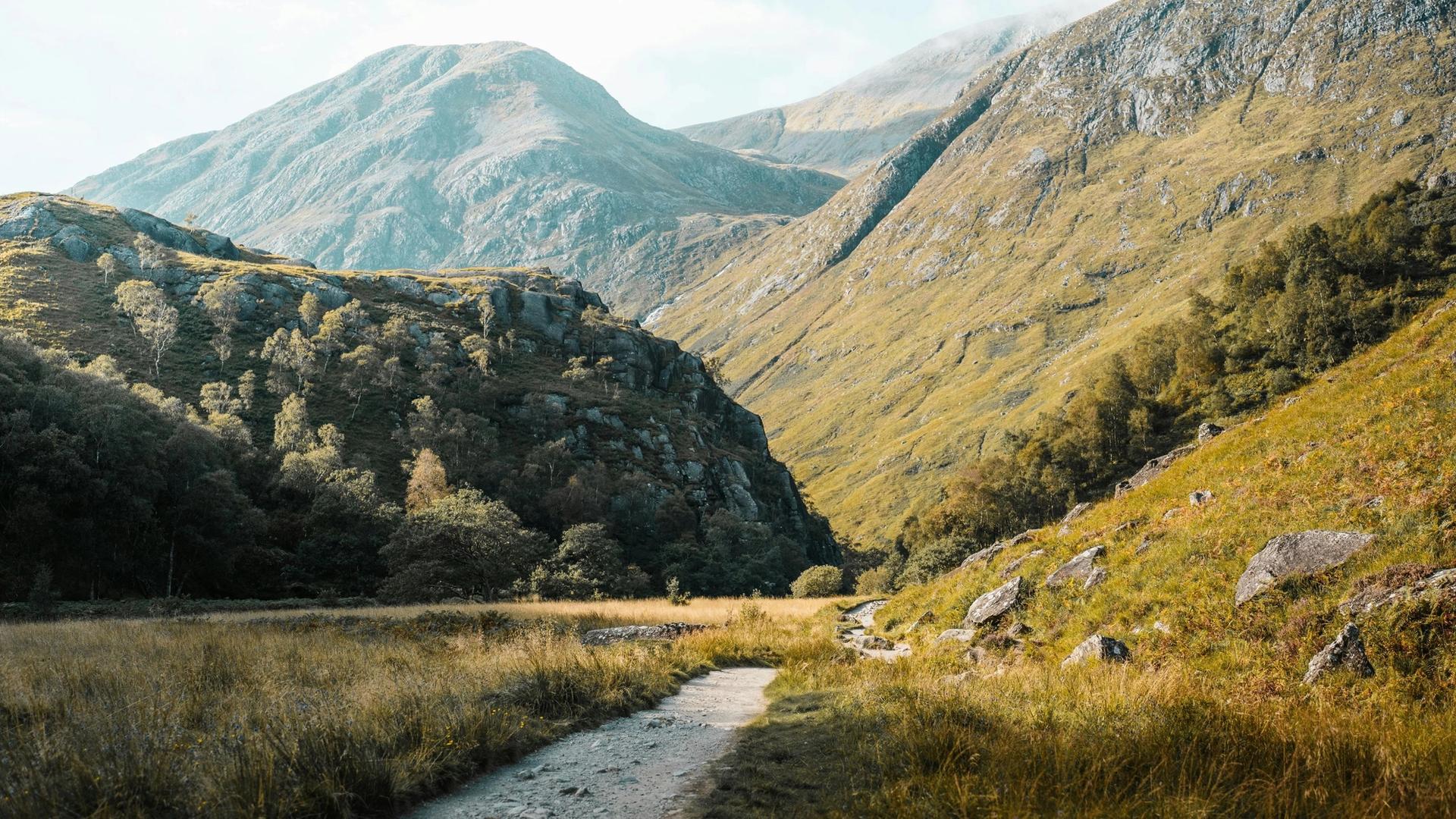
Responsible travel holidays aim to reduce these pressures by encouraging thoughtful decisions. Travelling outside peak seasons, supporting independent businesses and respecting local environments all help protect the places we visit.
Organisations such as the United Nations World Tourism Organization (UNWTO) highlight responsible tourism as an important way to balance visitor experiences with environmental protection and community wellbeing.
Transport is often the largest contributor to a holiday’s environmental footprint.
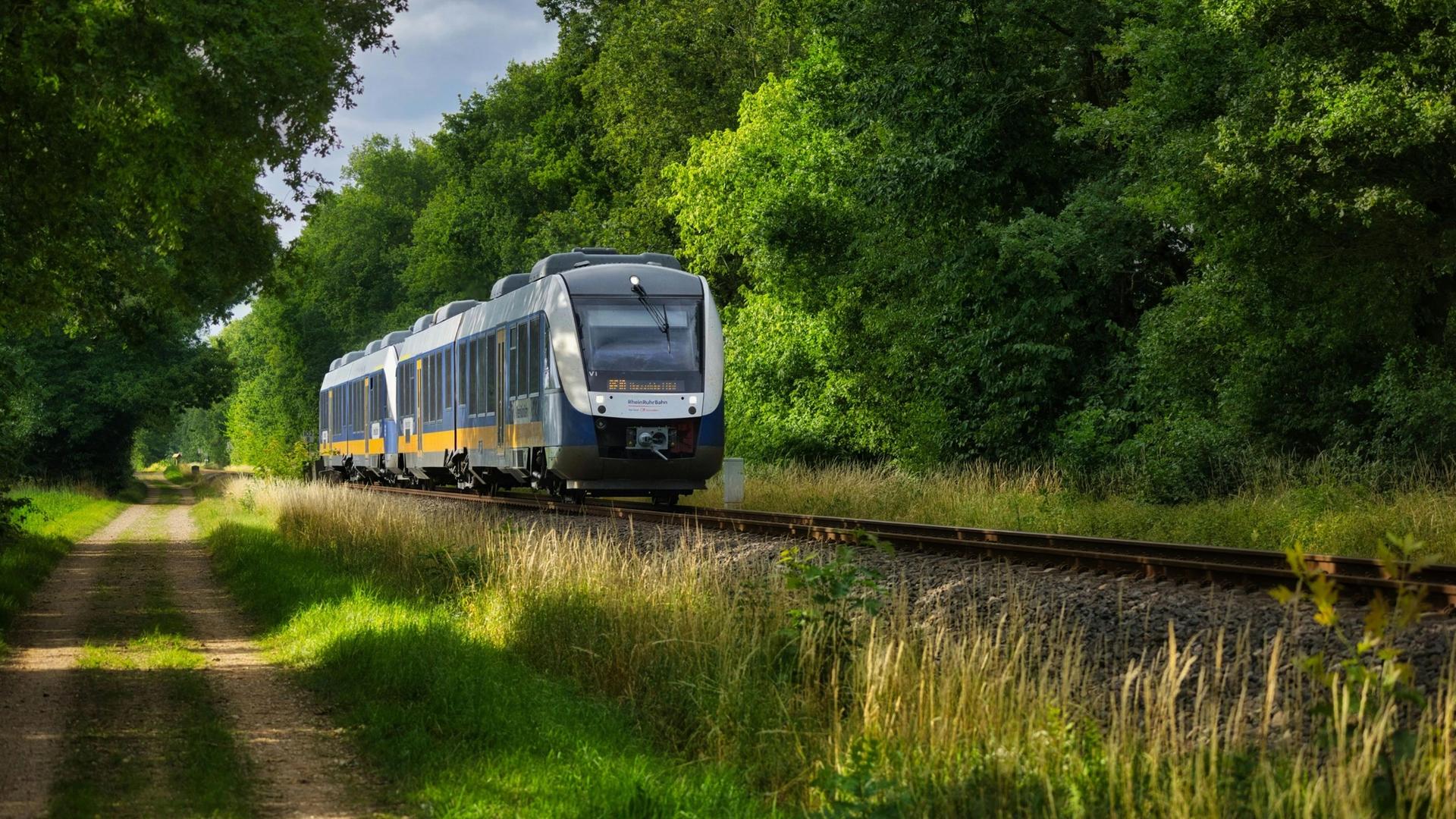
Rail travel is widely recognised as one of the most sustainable transport options available. According to the European Environment Agency, trains can produce significantly lower greenhouse gas emissions per passenger compared with air travel.
This makes sustainable rail travel holidays an increasingly attractive option for travellers exploring Europe. Direct rail connections and sleeper trains allow journeys to become part of the travel experience itself.
Another effective approach is simply travelling less often but staying longer in each destination. This approach aligns closely with slow travel, where the focus shifts from covering distance to experiencing a place more deeply.

Eco friendly travel begins before the journey even starts.
Preparing your home carefully can reduce unnecessary energy use while you are away. Turning heating fully down rather than leaving it on standby can significantly reduce energy consumption.
Unplugging appliances, switching off immersion heaters and pausing deliveries are also helpful steps. These simple habits prevent energy from being used when no one is at home.
Although small, these actions contribute to a more responsible travel mindset.
Accommodation choices also influence the sustainability of a holiday.
Small guesthouses, locally owned inns and independent B&Bs often have closer connections to their communities. Many prioritise regional produce, local suppliers and traditional hospitality.

Travellers increasingly look for accommodation with sustainability certifications or environmentally responsible practices. Many tourism organisations and eco-lodging platforms now highlight properties that reduce waste, conserve water and use renewable energy.
Choosing smaller, locally owned accommodation is a simple way to support responsible travel holidays while enjoying a more personal travel experience.
Walking holidays naturally support eco friendly travel principles.
Travelling on foot produces minimal environmental impact while allowing travellers to experience landscapes more closely. Responsible travel walking holidays also encourage visitors to spend more time outdoors, exploring countryside, coastlines and rural villages.

Many walking routes pass through protected landscapes such as UK areas of outstanding natural beauty. These regions are recognised for their natural beauty and biodiversity.
Exploring these areas thoughtfully helps preserve them for future generations.
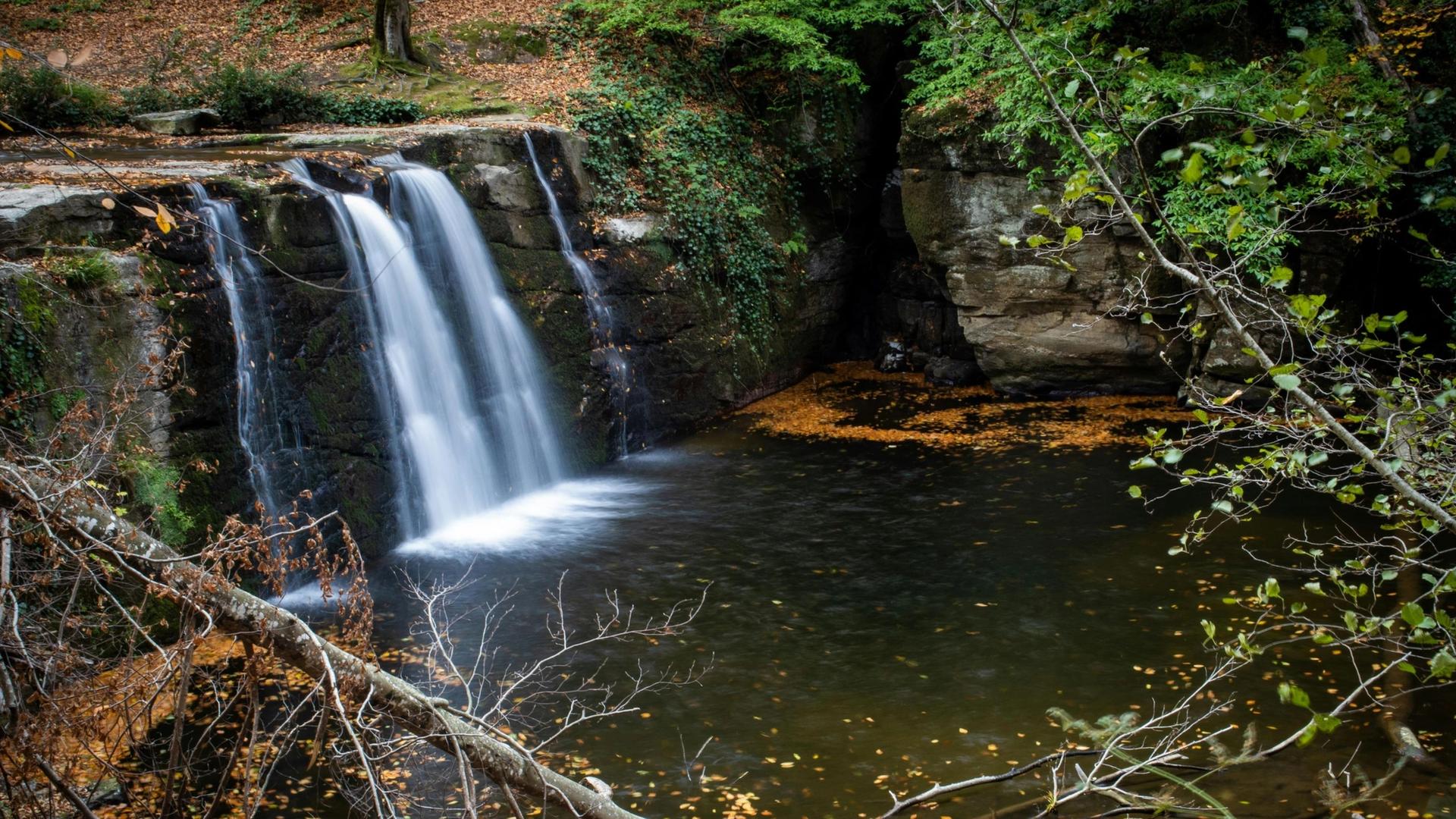
National parks and protected landscapes are among the most beautiful places to travel in Europe. They are also environments that require careful management.
The UK National Parks network protects some of the country’s most important natural landscapes while maintaining public access for walkers and visitors.
Responsible travel in these areas involves planning visits carefully. Travelling outside peak months, using public transport where possible and following designated footpaths all help reduce pressure on fragile ecosystems.
These small decisions make a significant difference in preserving landscapes while still allowing visitors to enjoy them.
Responsible travel also means respecting the countryside and the people who live there.
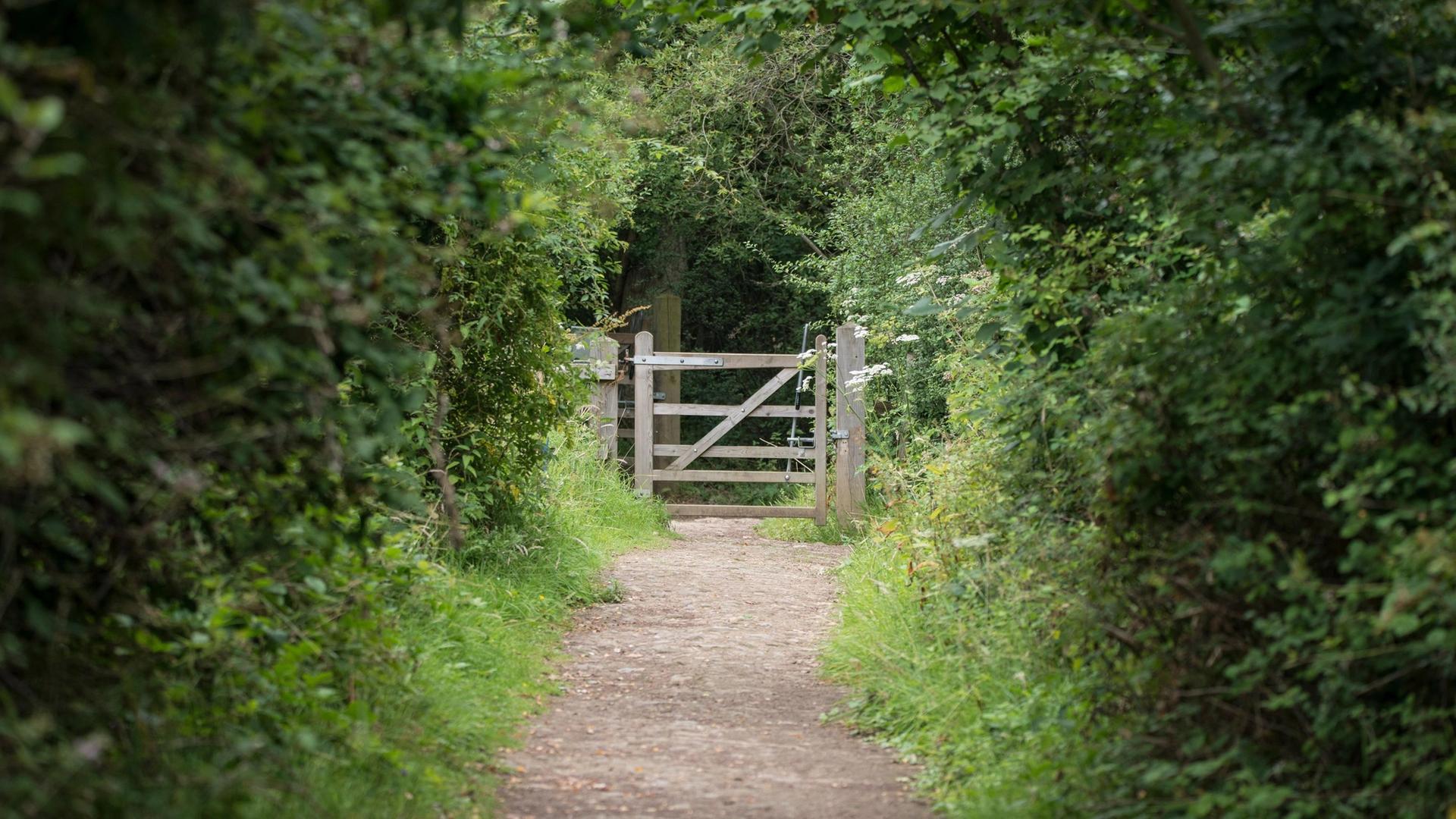
Staying on marked paths, closing gates behind you and keeping dogs under control near livestock are essential countryside habits. These practices help maintain positive relationships between walkers, landowners and rural communities.
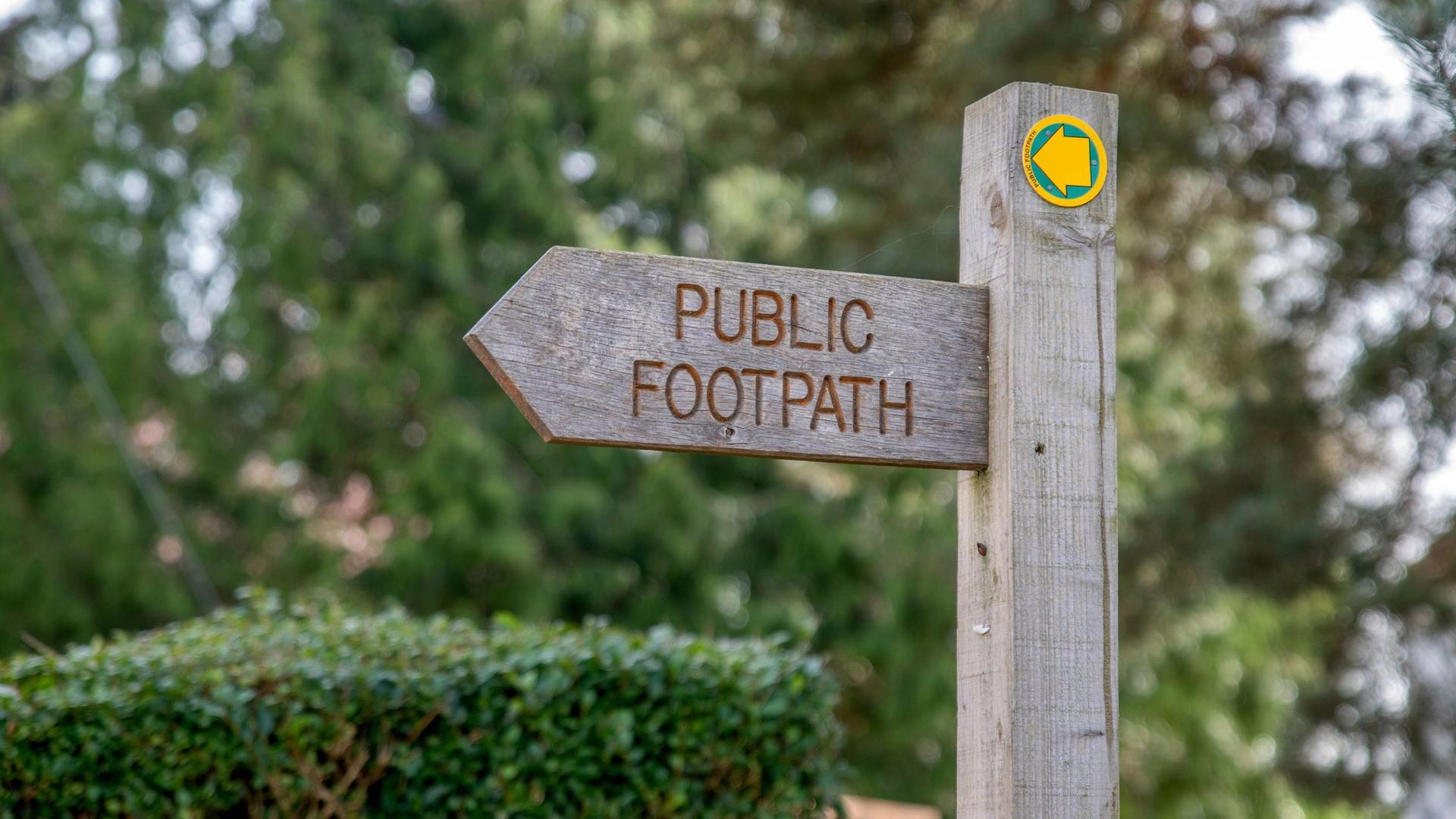
The responsible walking code outlines simple guidelines for enjoying the countryside responsibly.
Understanding public access rights can also help visitors explore landscapes confidently while respecting local rules and traditions.
Where you spend money during a holiday can have a meaningful impact on local economies.

Responsible travel holidays often prioritise independent cafés, family-run guesthouses and local guides. These businesses rely directly on tourism income and contribute to the character of a destination.
Supporting regional producers, craft makers and small restaurants helps strengthen local economies while offering more authentic travel experiences.
This approach benefits both travellers and the communities they visit.
Food choices can also support eco friendly travel.
Restaurants that focus on seasonal menus and locally sourced ingredients often have shorter supply chains and lower environmental impact. Local markets and farm-to-table dining experiences provide another way to support regional agriculture.

Reducing food waste is equally important. Ordering thoughtfully and avoiding unnecessary packaging can help minimise waste during your trip.
These small decisions contribute to a more responsible travel experience overall.
A few simple habits make eco friendly travel easier.
Packing light reduces fuel use during transport. Reusable water bottles, travel mugs and shopping bags help minimise single-useplastic while travelling.

Planning your trip in advance can also reduce unnecessary purchases. Bringing reusable containers for packed lunches or snacks during walking days is another practical way to reduce waste.
Travellers who follow these simple practices often find responsible travel holidays become second nature over time.
Eco friendly travel is not about strict rules. It is about thoughtful choices that balance enjoyment with environmental awareness.
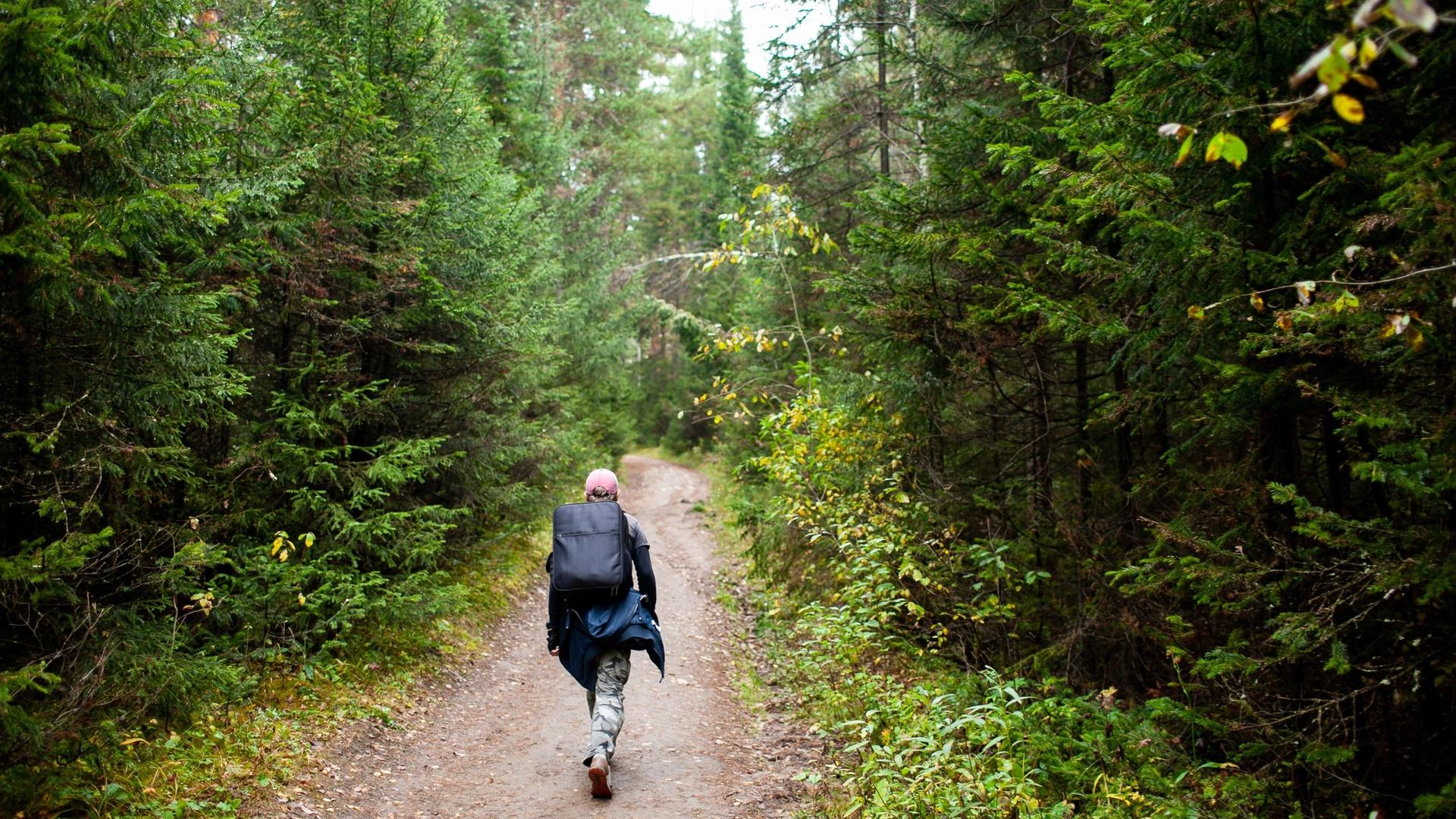
Responsible travel holidays allow travellers to experience landscapes more deeply while helping protect them. Walking holidays are particularly well suited to this approach because they encourage slower travel and greater appreciation of nature.
By making small adjustments to the way we travel, it becomes possible to explore the world while caring for it at the same time.
Responsible travel involves choosing lower-impact transport, supporting local businesses and respecting natural environments. Packing reusable items and reducing waste during your trip can also help.
Yes. Many responsible travel holidays combine sustainability with high-quality accommodation, thoughtful itineraries and excellent local hospitality.
In many cases, yes. Rail travel typically produces fewer emissions per passenger than short-haul flights. Sustainable rail travel holidays are becoming increasingly practical thanks to well connected European rail networks.