Best Cultural Holidays in Europe for History and Heritage
Christina
Loading content...
Christina
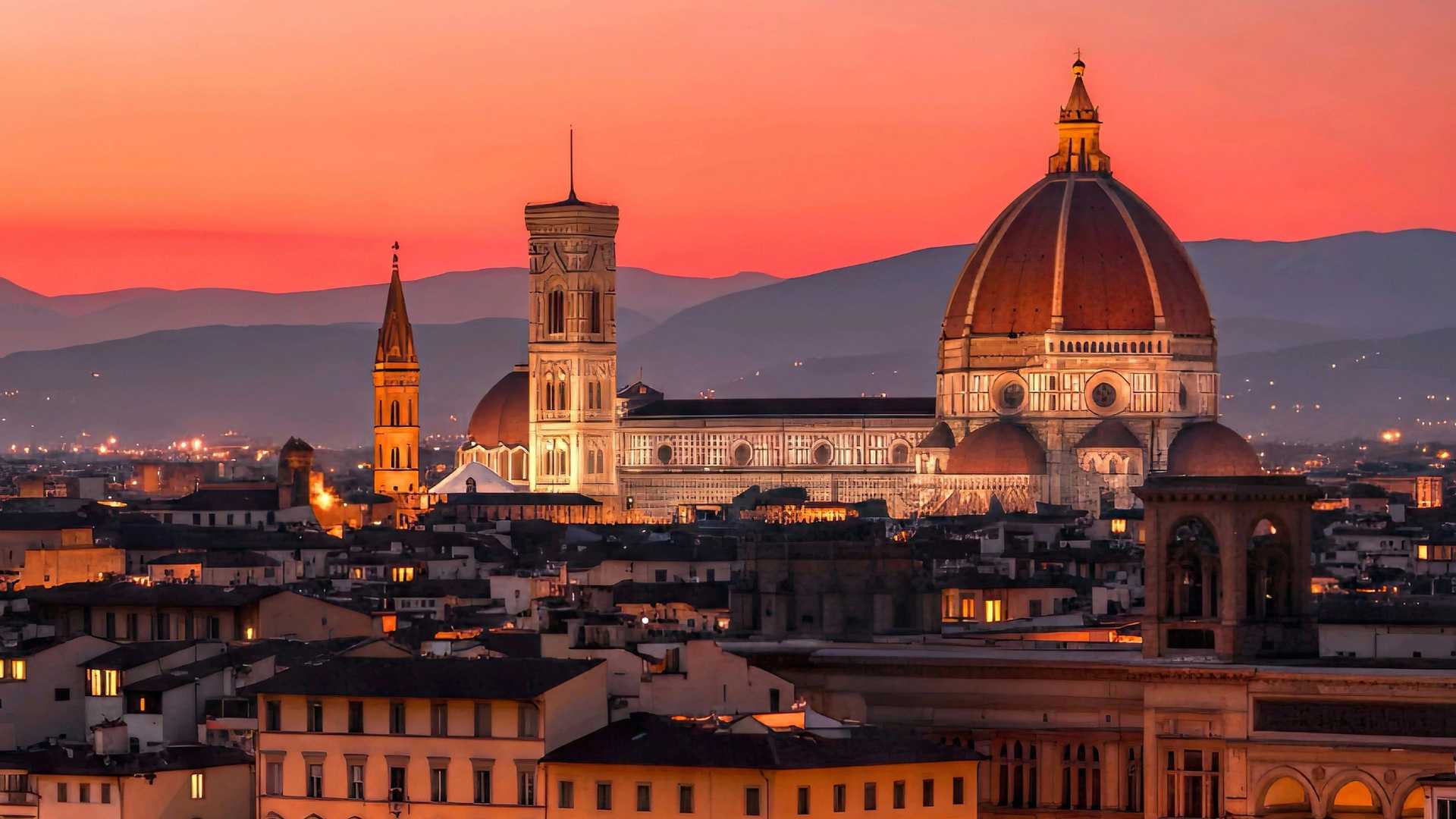
Cultural holidays in Europe offer far more than visiting landmarks or ticking off famous cities. They are about experiencing places where history is still part of everyday life, from village traditions to centuries-old walking routes.
Across Europe, culture is not confined to museums. It lives in local food, seasonal festivals, architecture, and landscapes shaped over generations. This is what makes cultural holidays in Europe so rewarding, especially when explored at a slower pace.
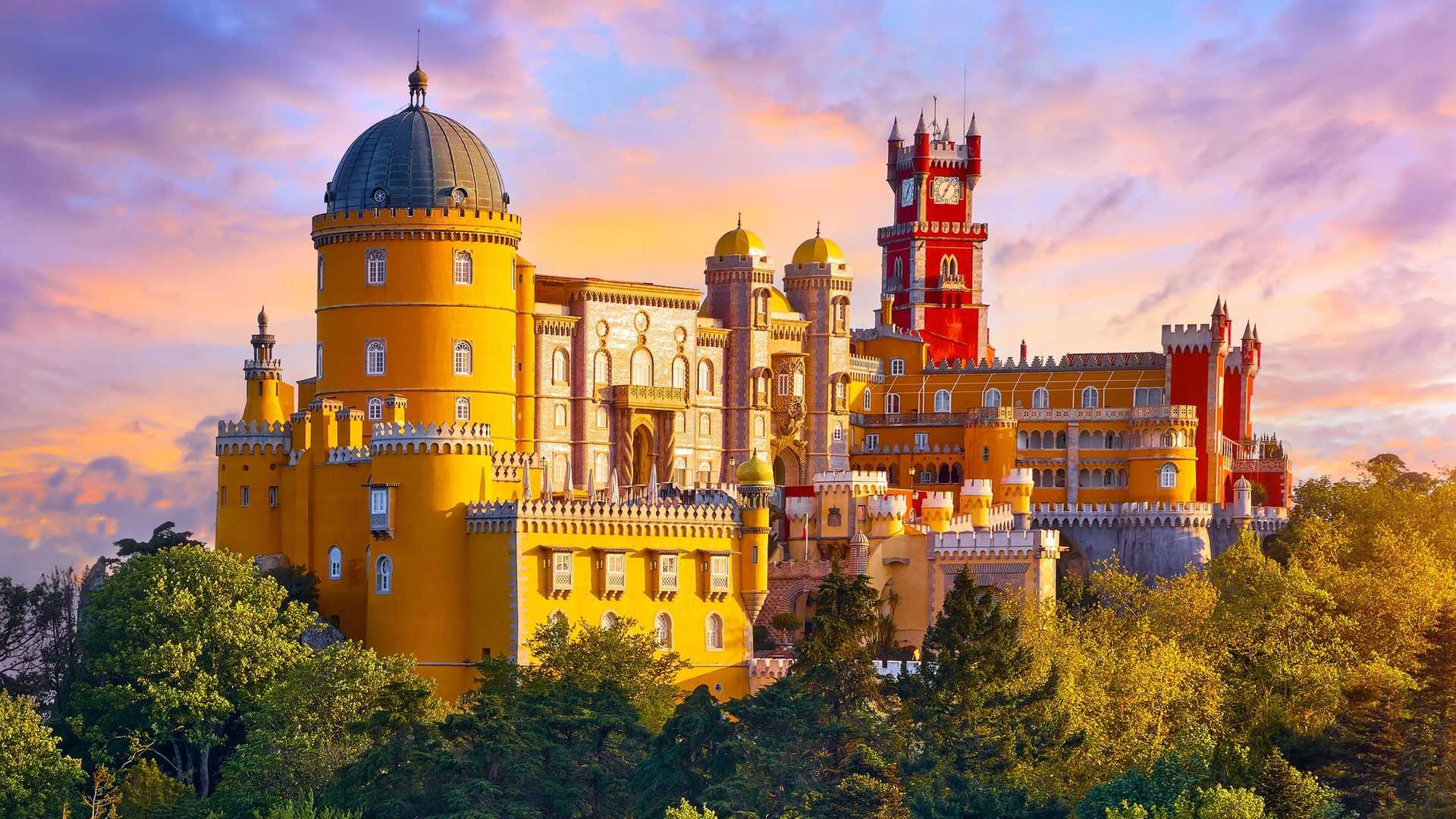
For many travellers, walking brings these experiences together. Moving through a landscape on foot allows time to notice the details that often get missed, creating deeper and more memorable cultural travel experiences.
• Europe offers some of the best cultural holiday destinations in the world due to its rich heritage and diversity
• Cultural holidays combine history, food, festivals, and landscapes rather than focusing on a single experience
• Walking routes such as pilgrimage trails provide immersive culture and history holidays
• Rural regions and smaller towns often offer the most authentic cultural travel experiences
• Slower travel allows a deeper connection with local traditions and communities
Europe stands out for cultural holidays because of how closely history and modern life are connected.
Within relatively short distances, you can experience different languages, cuisines, and architectural styles. Roman ruins, medieval towns, and Renaissance cities often sit side by side, creating layers of history that shape each destination.
This density of heritage makes it easier to plan culture holidays that feel varied without needing to travel long distances. It also means that even quieter regions offer strong cultural identity and traditions.
Some of the best cultural holidays in Europe centre around UNESCO World Heritage cities, where historic centres are carefully protected and preserved.
Cities such as Rome, Prague, Florence and Dubrovnik offer a clear sense of history through their streets, buildings, and public spaces.
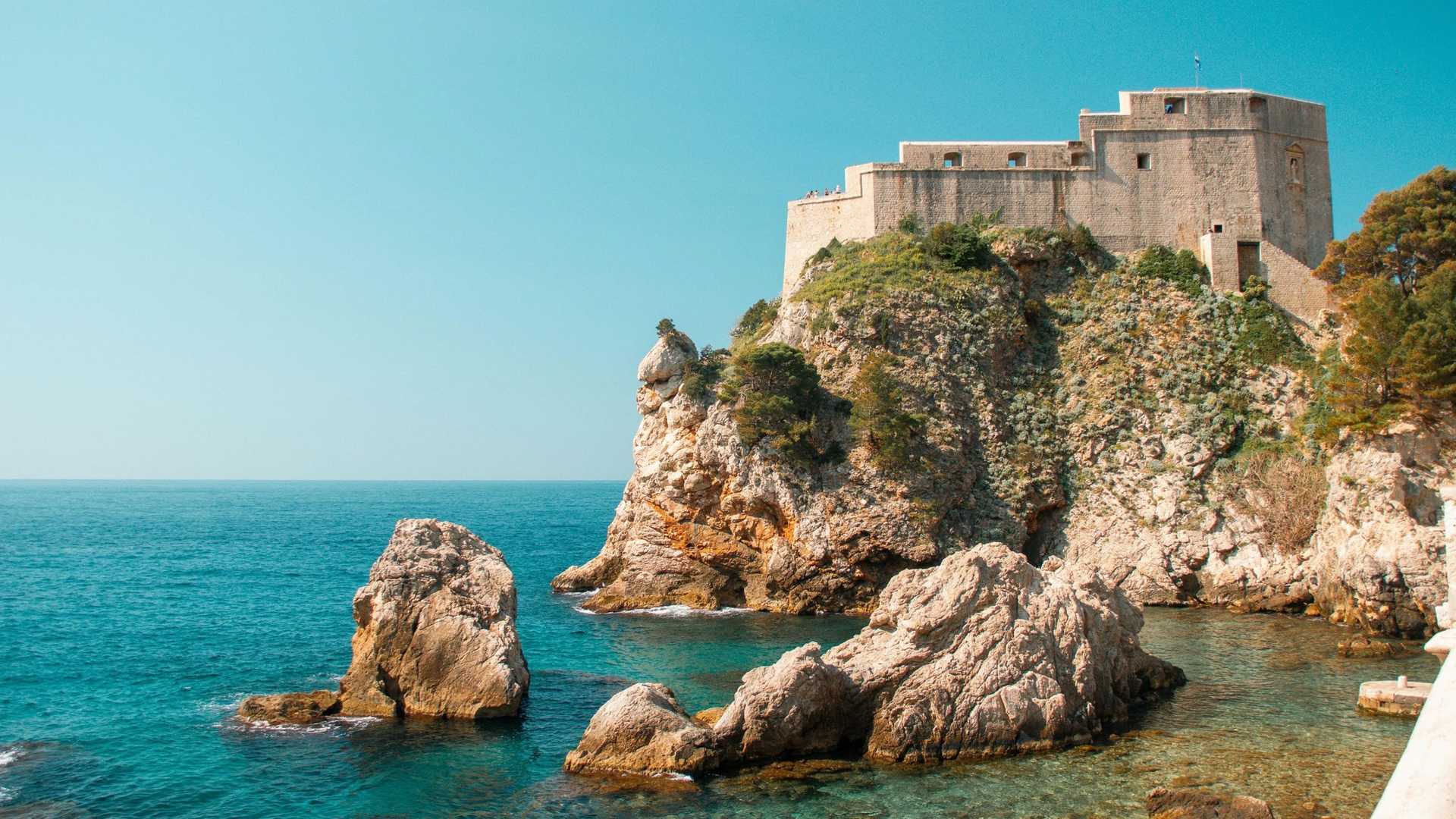
In these destinations, culture is part of daily life. Markets, cafés, and local traditions continue in the same settings that have existed for centuries, making them ideal cultural holiday destinations in Europe.
Exploring these cities on foot allows you to experience their character more naturally, moving beyond the main sights into quieter neighbourhoods.
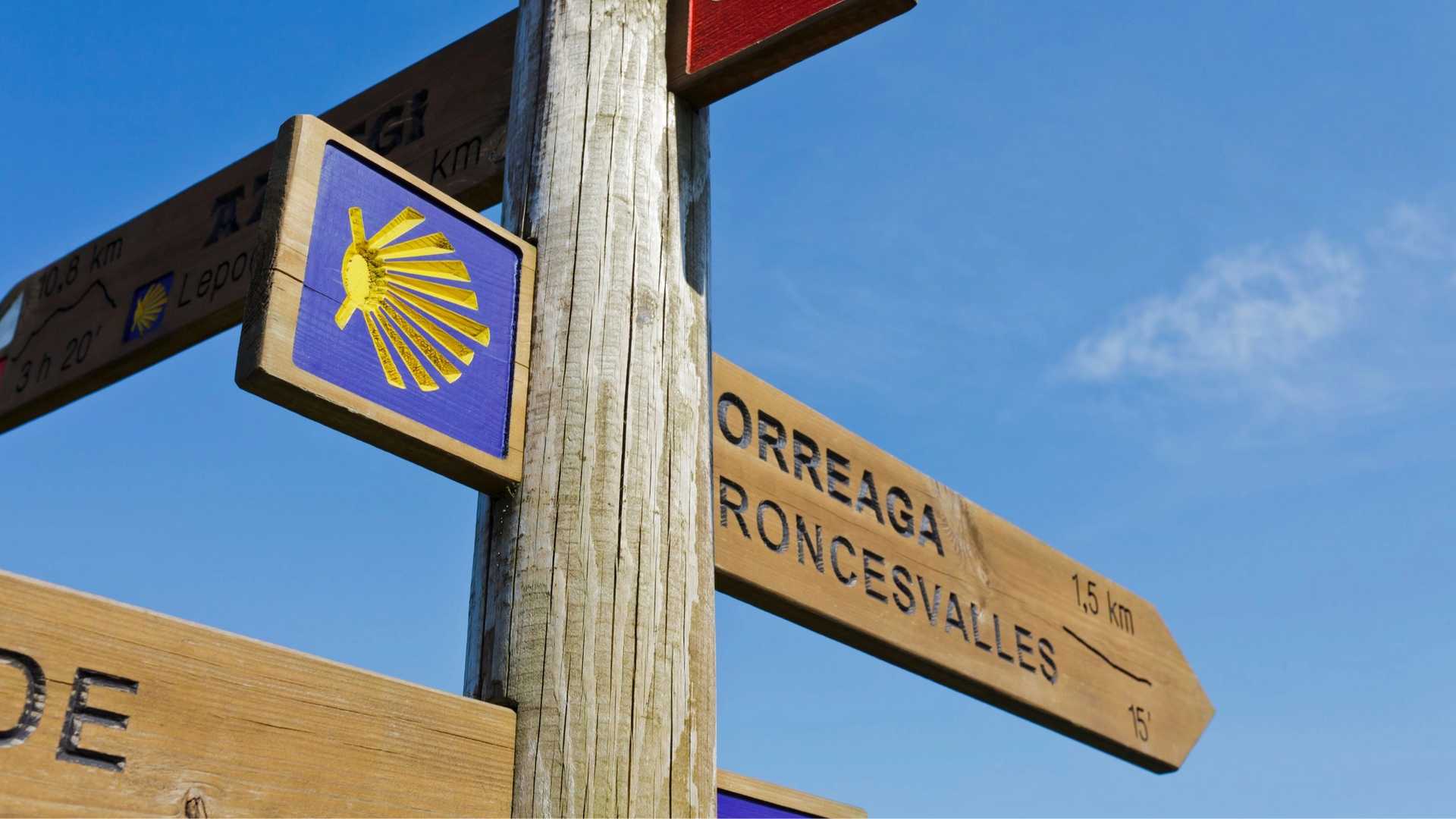
Some of the most meaningful cultural holidays are experienced along historic walking routes.
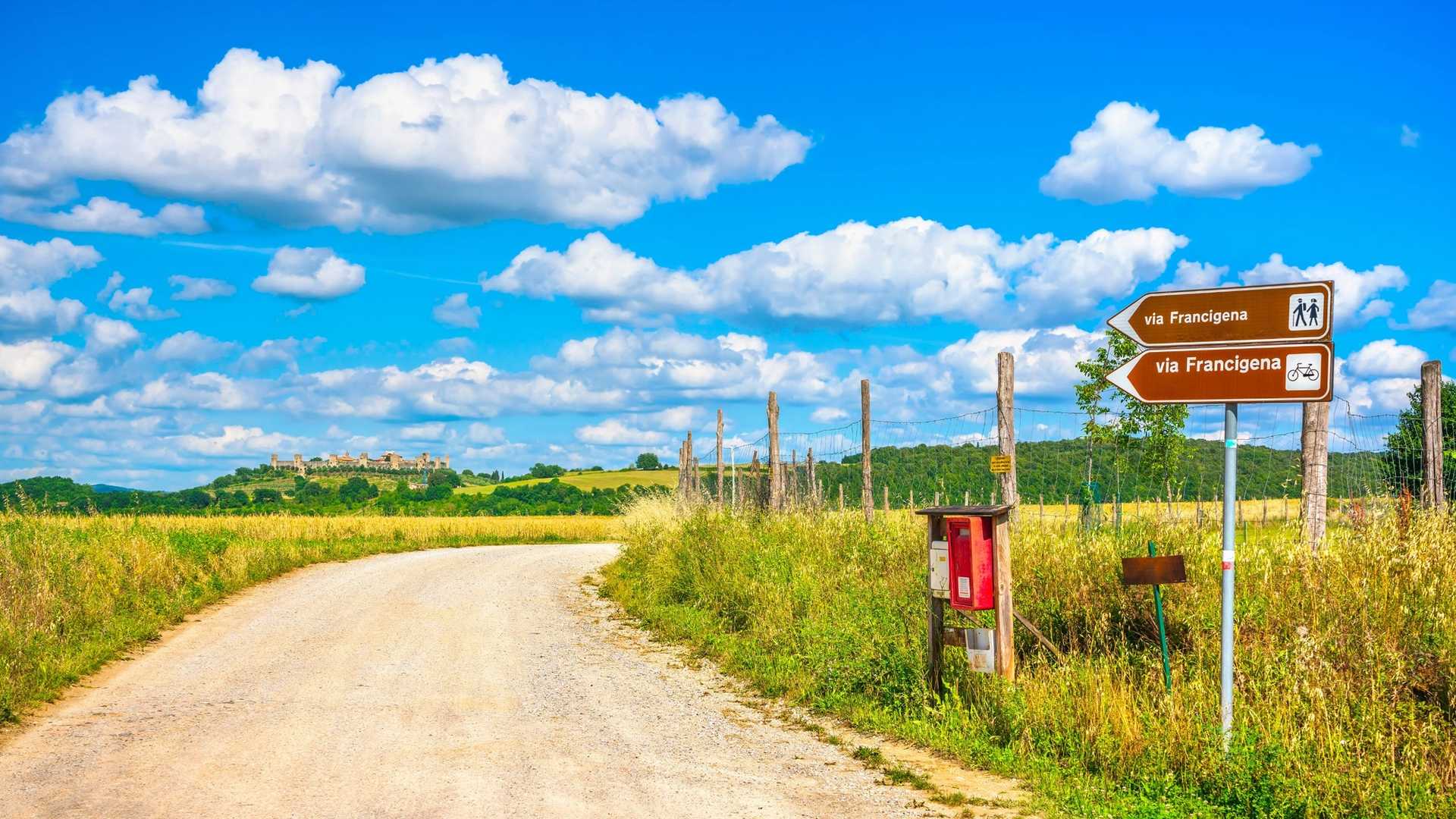
The Camino de Santiago and Via Francigena are well-known examples, where travellers follow paths shaped by centuries of movement, trade, and tradition.
In the UK, walking routes also offer strong cultural connections. Following ancient paths or historic boundaries can bring history to life in a way that feels tangible.
We have seen this reflected in experiences like Walking Hadrians Wall cultural journey, where the landscape itself tells the story of Roman Britain.
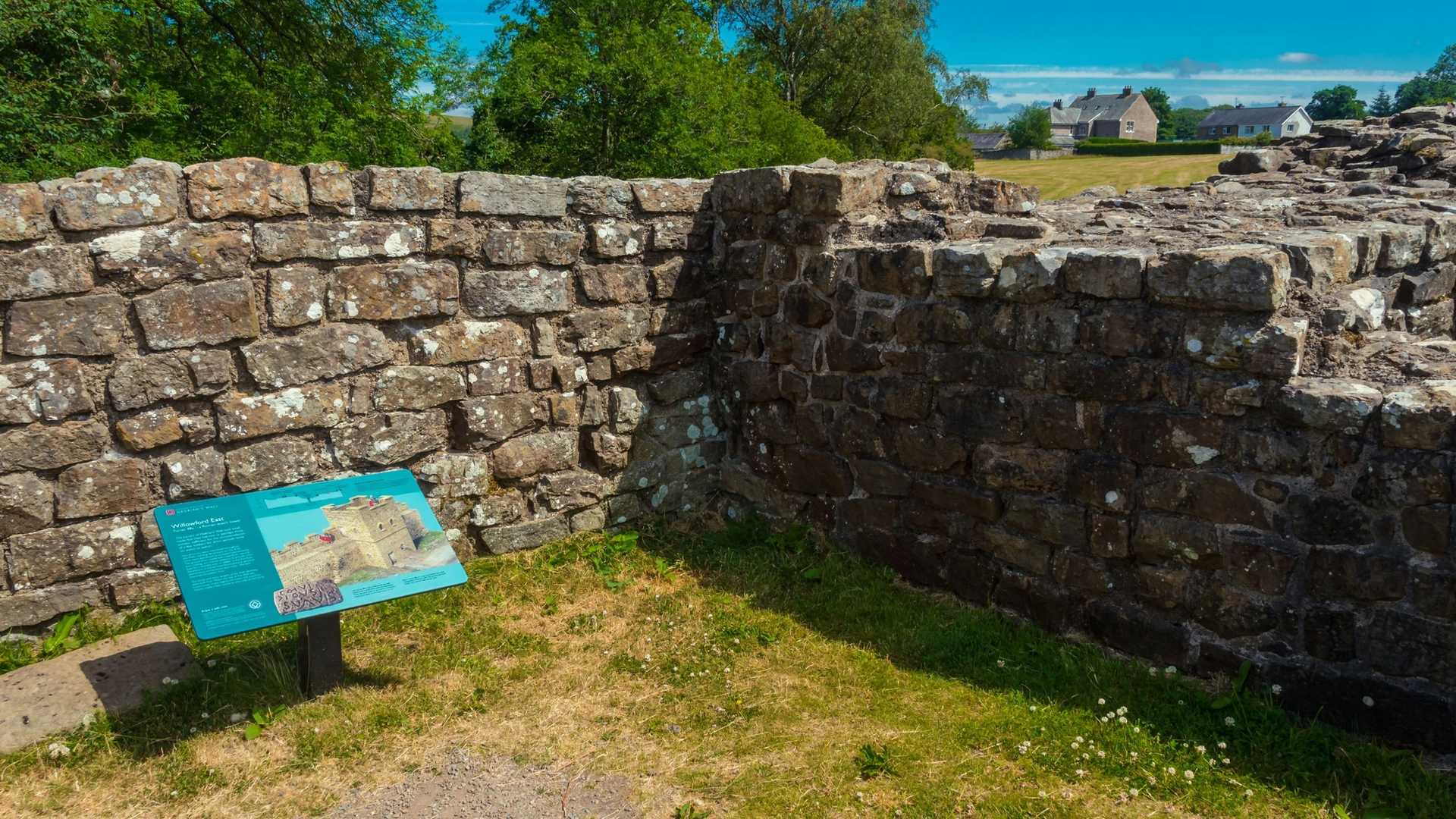
These types of culture and history holidays offer a deeper understanding of place, combining physical journey with historical context.
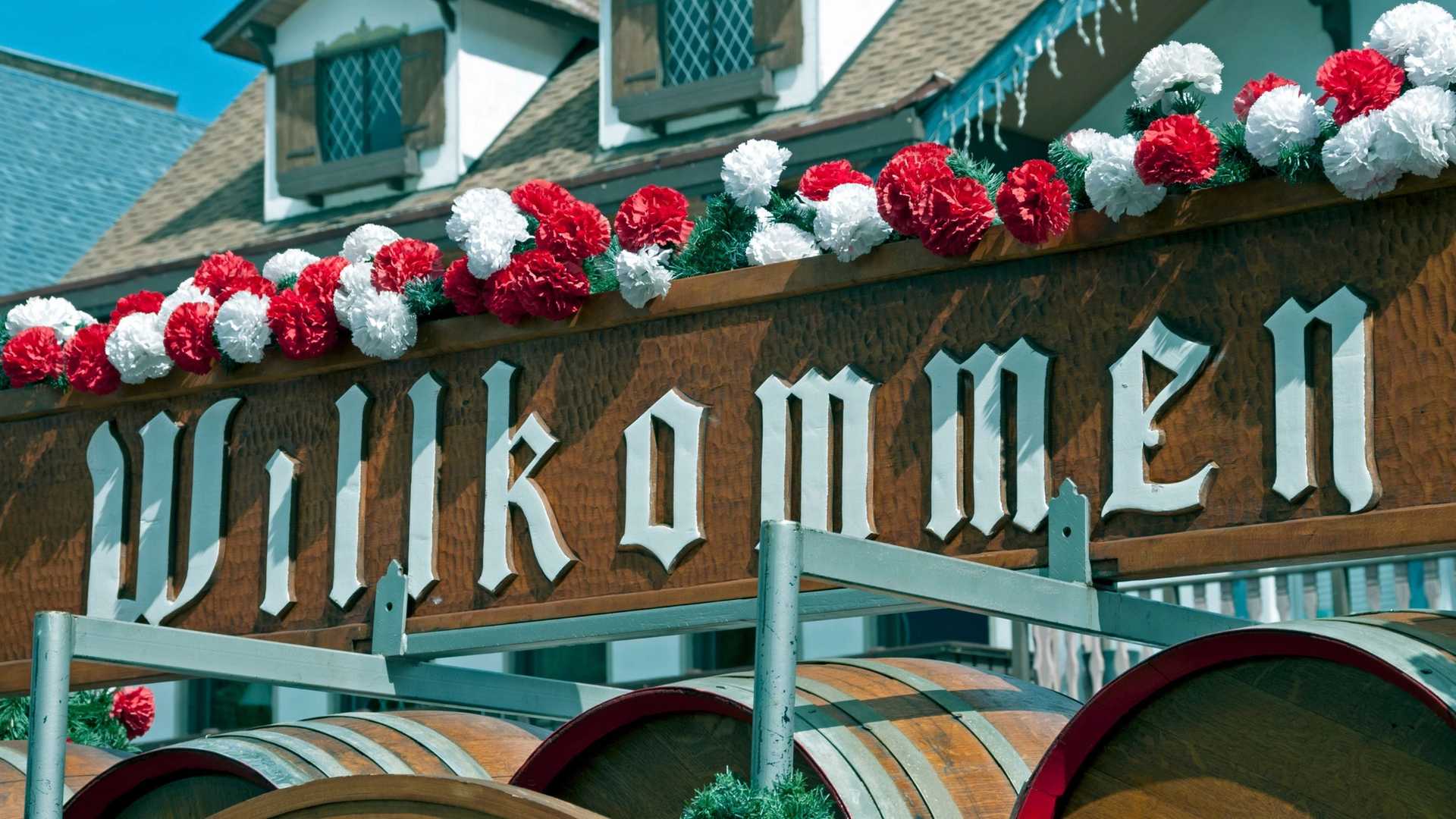
Cultural holidays in Europe are often shaped by festivals and local traditions that take place throughout the year.
Events such as the Venice Carnival and Oktoberfest attract visitors from around the world, but smaller regional celebrations can be just as rewarding.
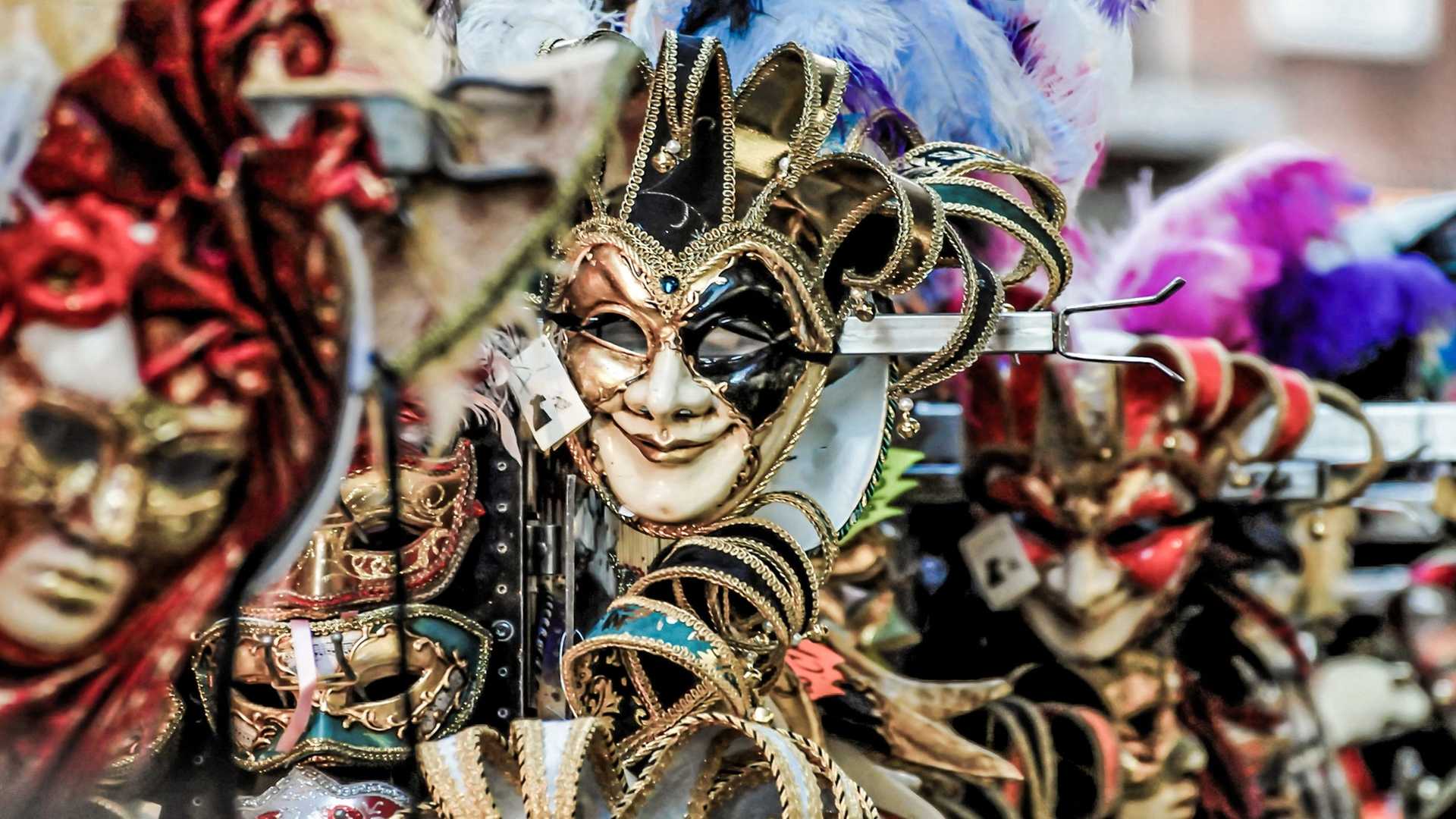
Village festivals, food fairs, and religious celebrations offer a more local perspective. These events provide an opportunity to experience traditions that have been passed down through generations.
Planning a trip around these moments can add a unique dimension to cultural travel experiences.

Food is central to many cultural holidays, reflecting the identity and history of each region.
In areas such as Tuscany, Bordeaux and Portugal, local cuisine is closely tied to landscape and tradition.
Regional dishes, seasonal ingredients, and local wines all tell part of the story. Visiting markets, vineyards, and small restaurants offers insight into how food connects communities and culture.
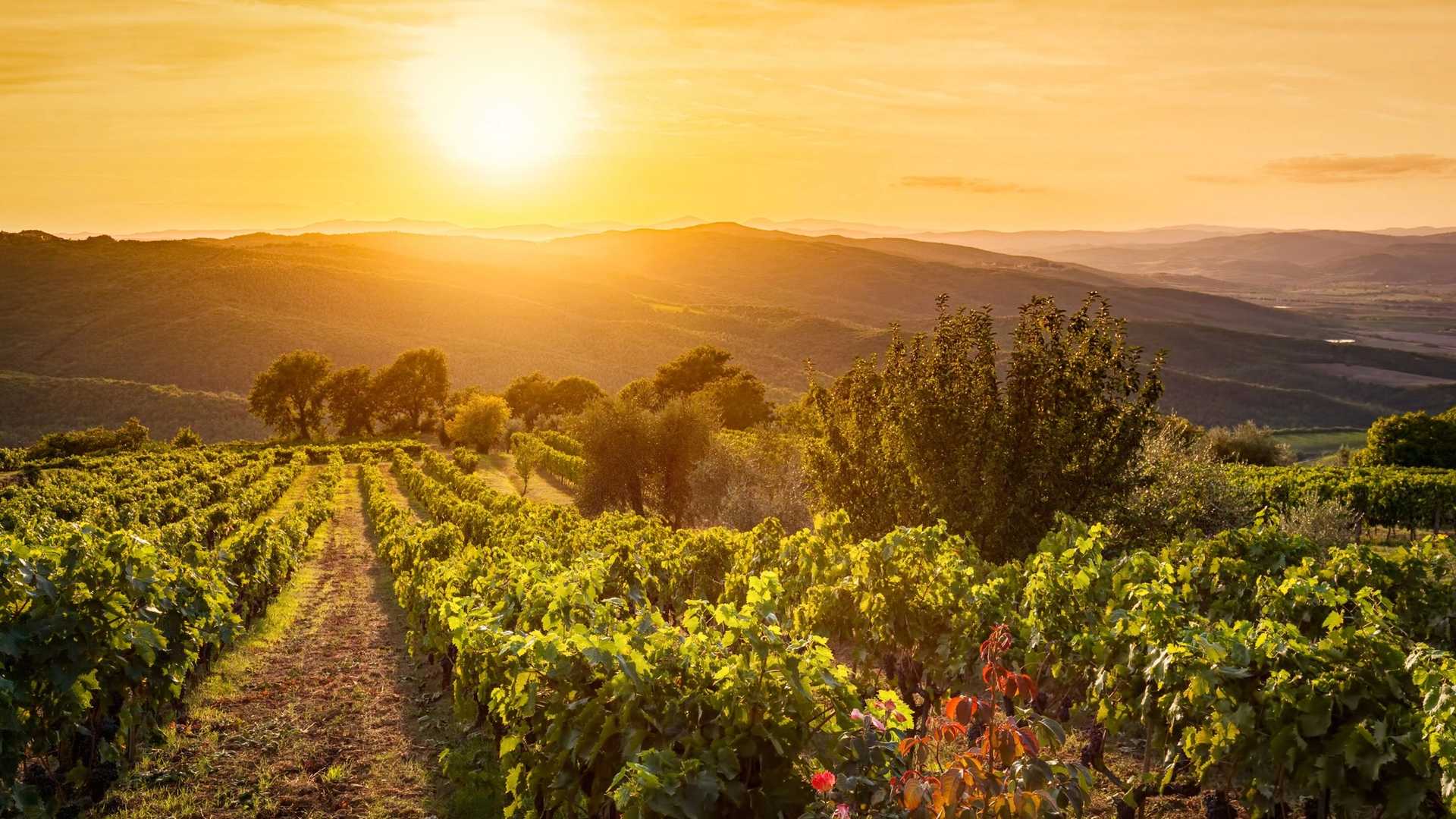
For travellers seeking cultural holiday destinations, these experiences often become some of the most memorable parts of a trip.
While cities are often the focus of culture holidays, rural areas provide a different perspective.
Regions such as the Cotswolds, Transylvania, Provence and the Scottish Highlands offer landscapes shaped by centuries of farming, craftsmanship, and local tradition.
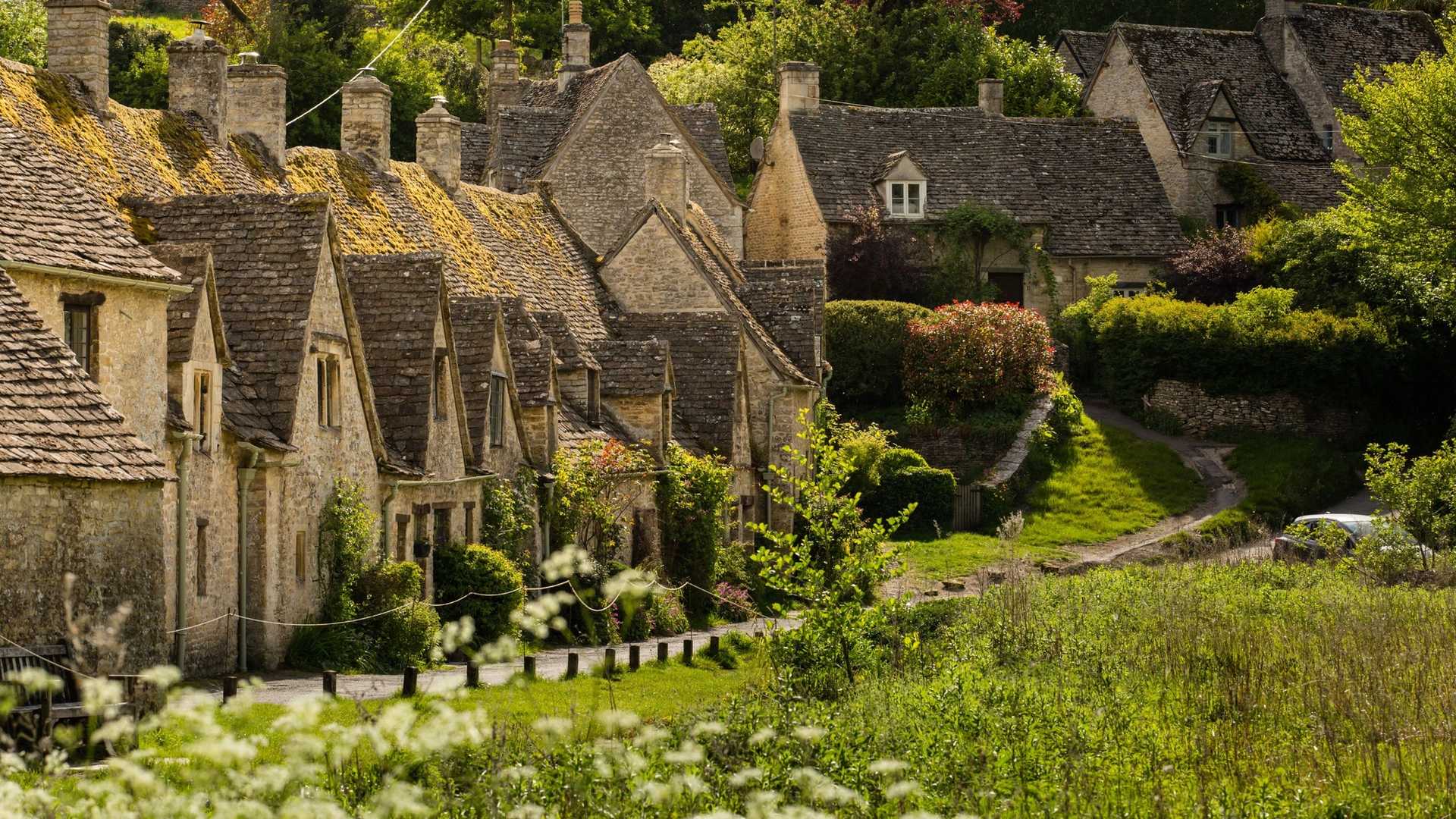
Here, cultural heritage is reflected in everyday life. Stone villages, traditional practices, and slower rhythms create a strong sense of place.
These quieter areas are often ideal for cultural family holidays, offering space, safety, and opportunities to experience authentic local life.
Walking holidays bring together many aspects of cultural travel in a natural and balanced way.
Routes often pass through historic villages, farmland, and landscapes shaped by human activity over time. This creates a connection between culture and environment that is difficult to experience from a car or train.
Literary landscapes are another example. Routes linked to writers and stories allow travellers to experience places that inspired well-known works, as explored in Britains literature inspired walks.

For those considering new destinations, our New European walking holidays collection highlights a range of cultural holiday destinations in Europe that combine walking with heritage.
These types of responsible and slower journeys often lead to more meaningful cultural travel experiences.
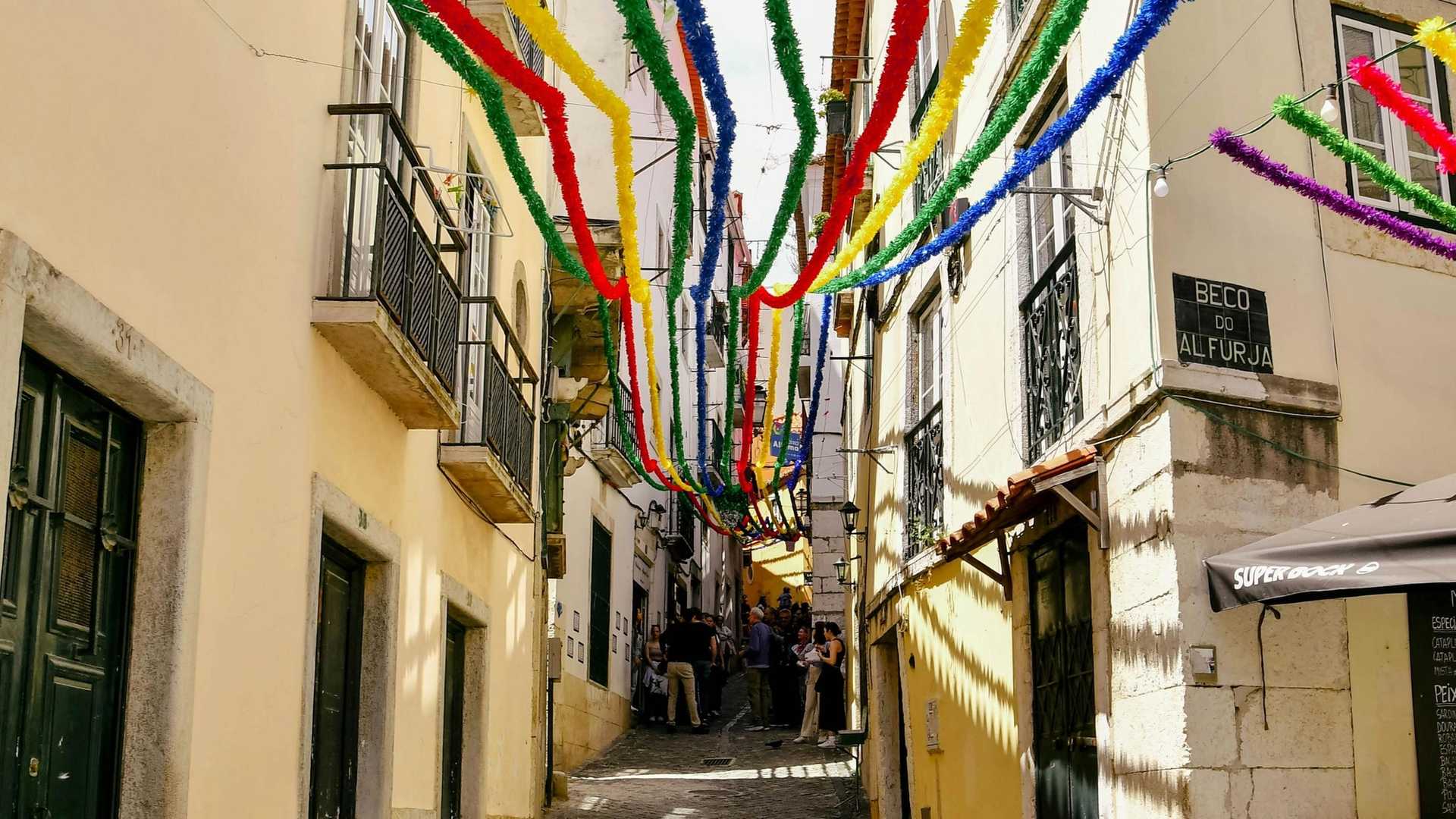
Cultural holidays are about more than visiting places. They are about understanding them.
Europe offers an exceptional range of cultural holiday destinations, from well-known cities to quieter rural regions. Whether through food, festivals, history, or walking routes, each journey provides a different perspective.
Taking time to explore slowly, and choosing experiences that connect you with local culture, can turn a simple trip into something far more memorable.
Some of the best cultural holidays in Europe include cities such as Rome, Florence and Prague, as well as rural regions like Tuscany, Provence and the Scottish Highlands. The best choice depends on whether you prefer city experiences or quieter landscapes.
Cultural holidays focus on deeper experiences, including local traditions, food, history and landscapes. They often involve slower travel and more time spent understanding a destination, rather than simply visiting key attractions.
Spring and autumn are often ideal, offering comfortable weather and fewer crowds. These seasons also coincide with many local festivals and seasonal food experiences, which add to the overall cultural experience.