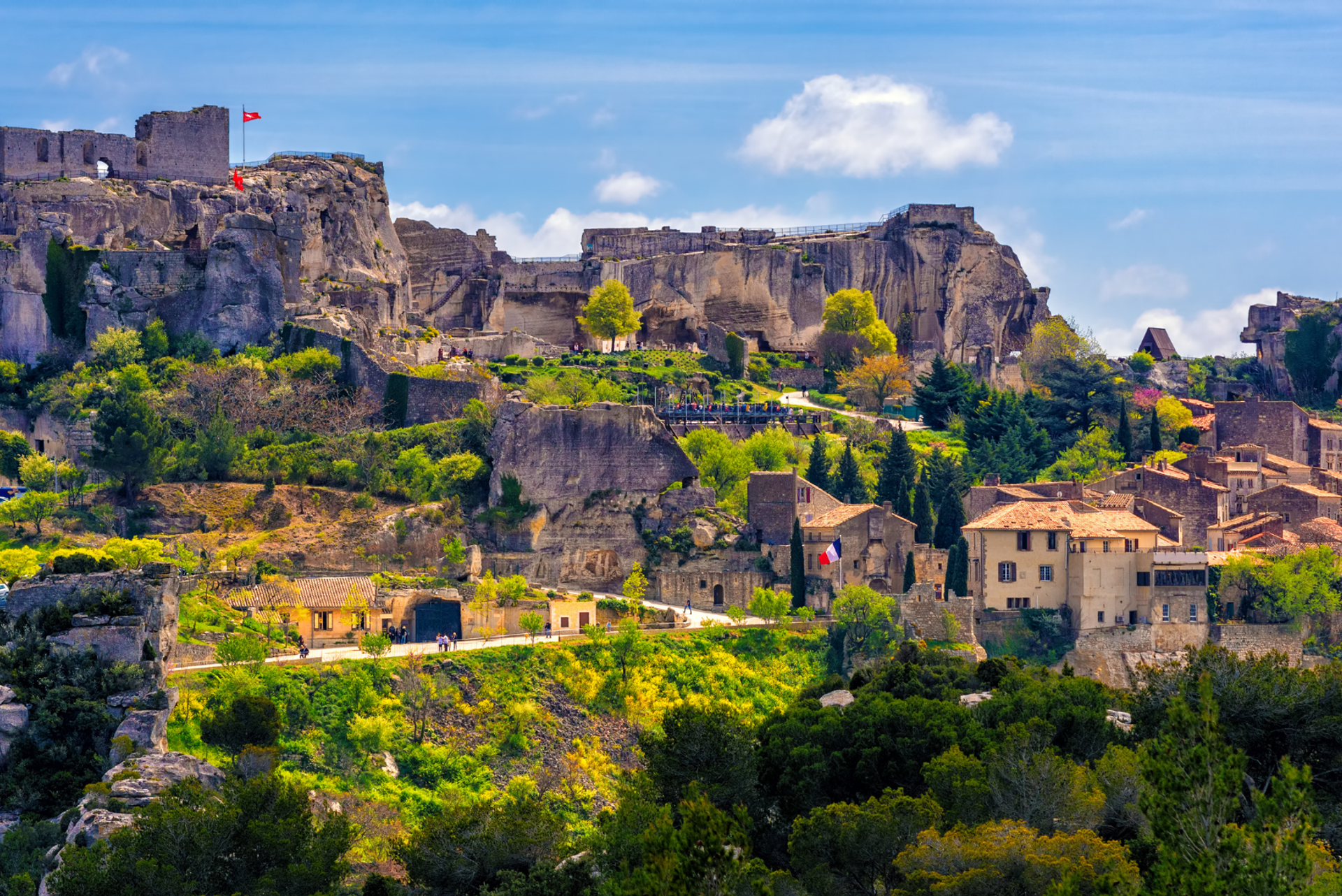
Dordogne Walking Holiday: Castles & Caves
Walk through prehistoric valleys, medieval villages and castle country

Walk Information
- Difficulty
- Moderate
- Distance
- 61.5 to 61.5 miles
Walk through prehistoric valleys, medieval villages and castle country


FRA-DCC1 ~ Dordogne - Castles and Caves


Explore our other walking holidays...

South-eastern France

South-east France
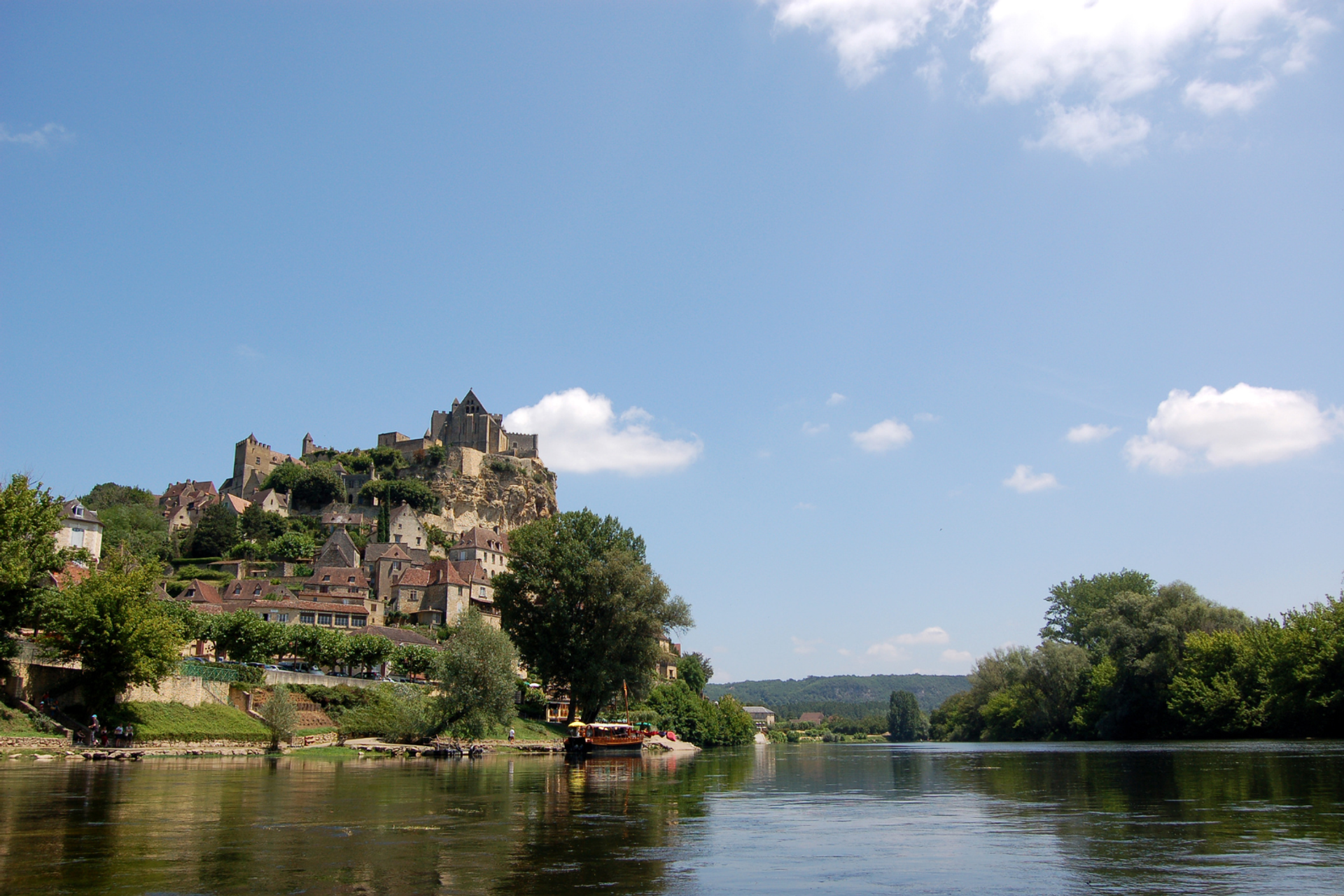
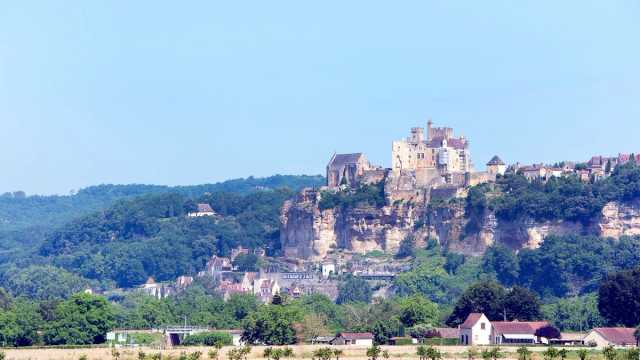
Set high above the Dordogne River, Château de Beynac has watched over the valley for centuries. Its position on the limestone cliffs made it an important defensive stronghold, while today the castle and village below form one of the most recognisable sights along this part of the Dordogne.
Near Montignac, Lascaux is known for its prehistoric cave paintings. The original cave is protected, but Lascaux II and Lascaux IV allow you to see detailed reproductions and learn more about the art and the people who created it. Admission is not included and should be booked in advance.
Few walking holidays bring so many periods of history into such a compact landscape. Starting in Sarlat-la-Canéda, you move through chestnut woodland and limestone hills to medieval castles, riverside villages and the prehistoric sites of the Vézère Valley.
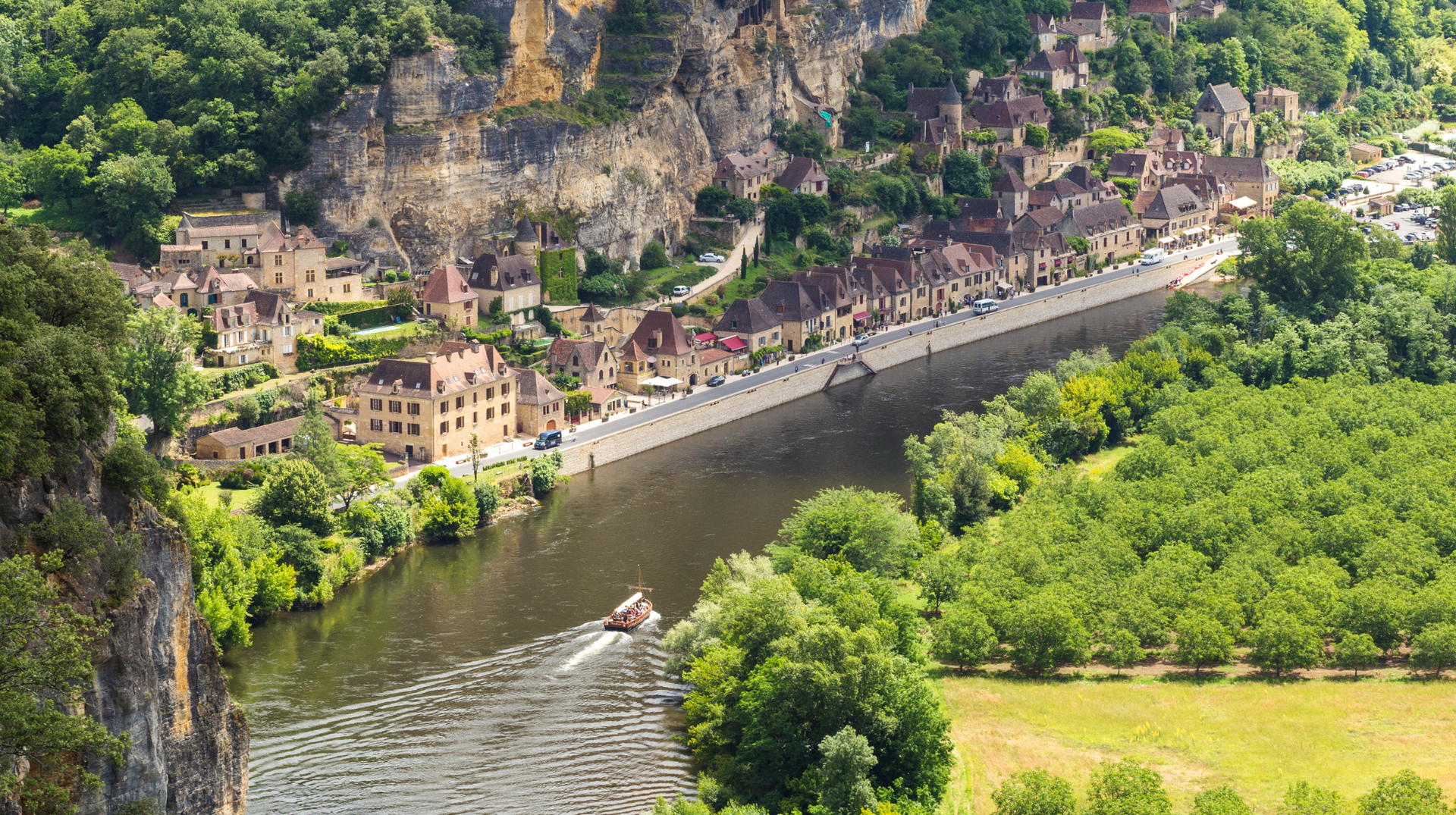
The Dordogne River brings Beynac, La Roque-Gageac and Domme, with Château de Castelnaud and Château des Milandes close to the route. Further north, the walking enters a much older landscape around Les Eyzies, La Roque Saint-Christophe and Montignac.
Walking ranges from Easy to Moderate to Moderate, with a choice of shorter or longer routes on several days. That gives you time to explore the villages and historic sites rather than treating them simply as places to pass through.
Begin in Sarlat-la-Canéda before heading into the wooded valleys and limestone hills around Château de Commarque, where medieval ruins stand close to prehistoric shelters.
The route then reaches the Dordogne Valley, passing through Beynac, La Roque-Gageac and Domme. Several of the region’s castles are close at hand, including Château des Milandes and Château de Castelnaud.
Leaving the Dordogne River behind, you enter the Vézère Valley and walk through woodland towards Les Eyzies, known for its concentration of prehistoric sites. From here, the route continues past the cliff dwellings of La Roque Saint-Christophe before finishing in Montignac.
There, you have the opportunity to visit Lascaux II or Lascaux IV and end the holiday among some of the Dordogne’s earliest traces of human life.
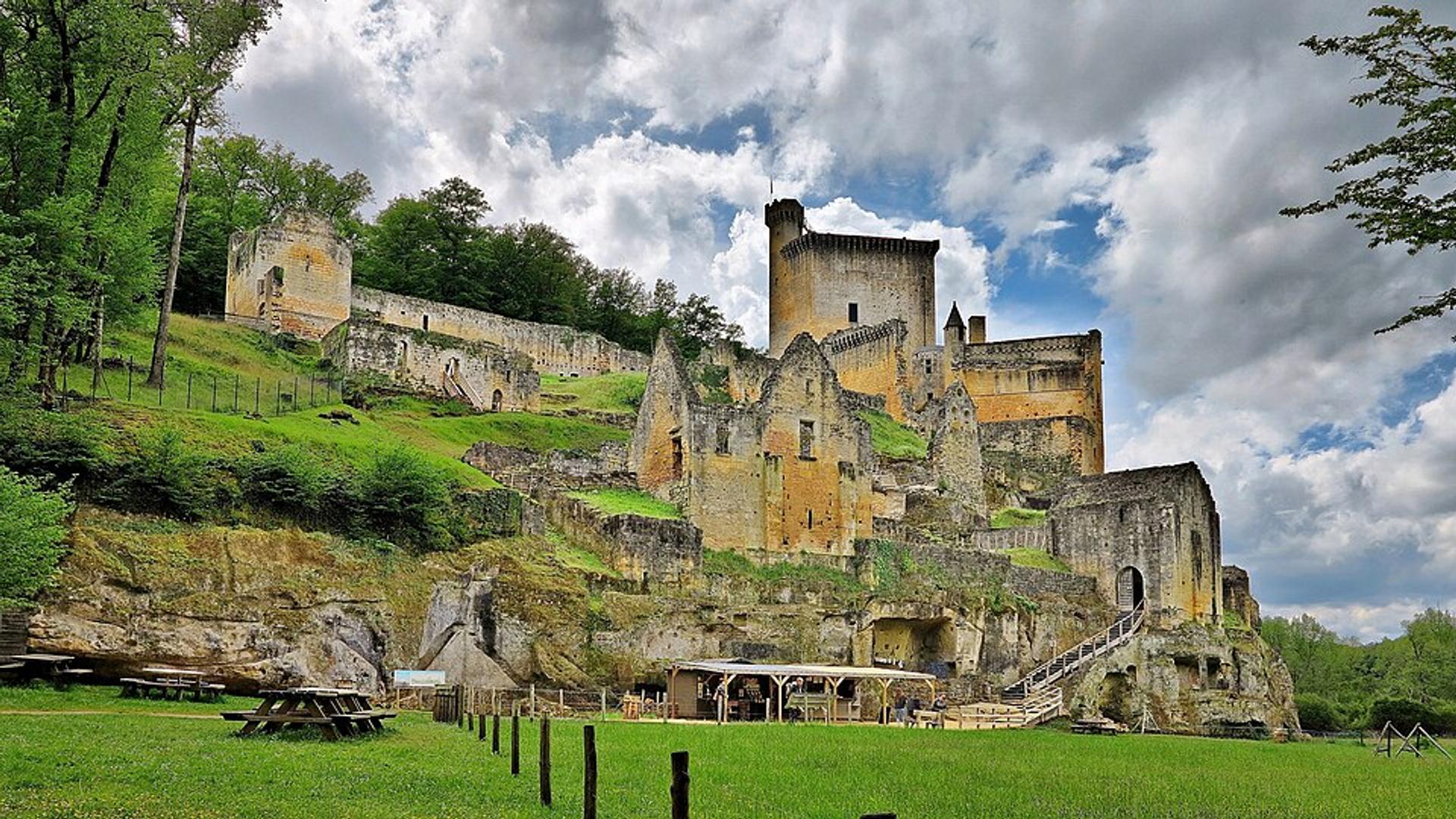
The limestone valleys of the Dordogne have sheltered people for tens of thousands of years. Natural rock overhangs became places to live, while the caves of the Vézère Valley preserve some of the earliest known cave art.
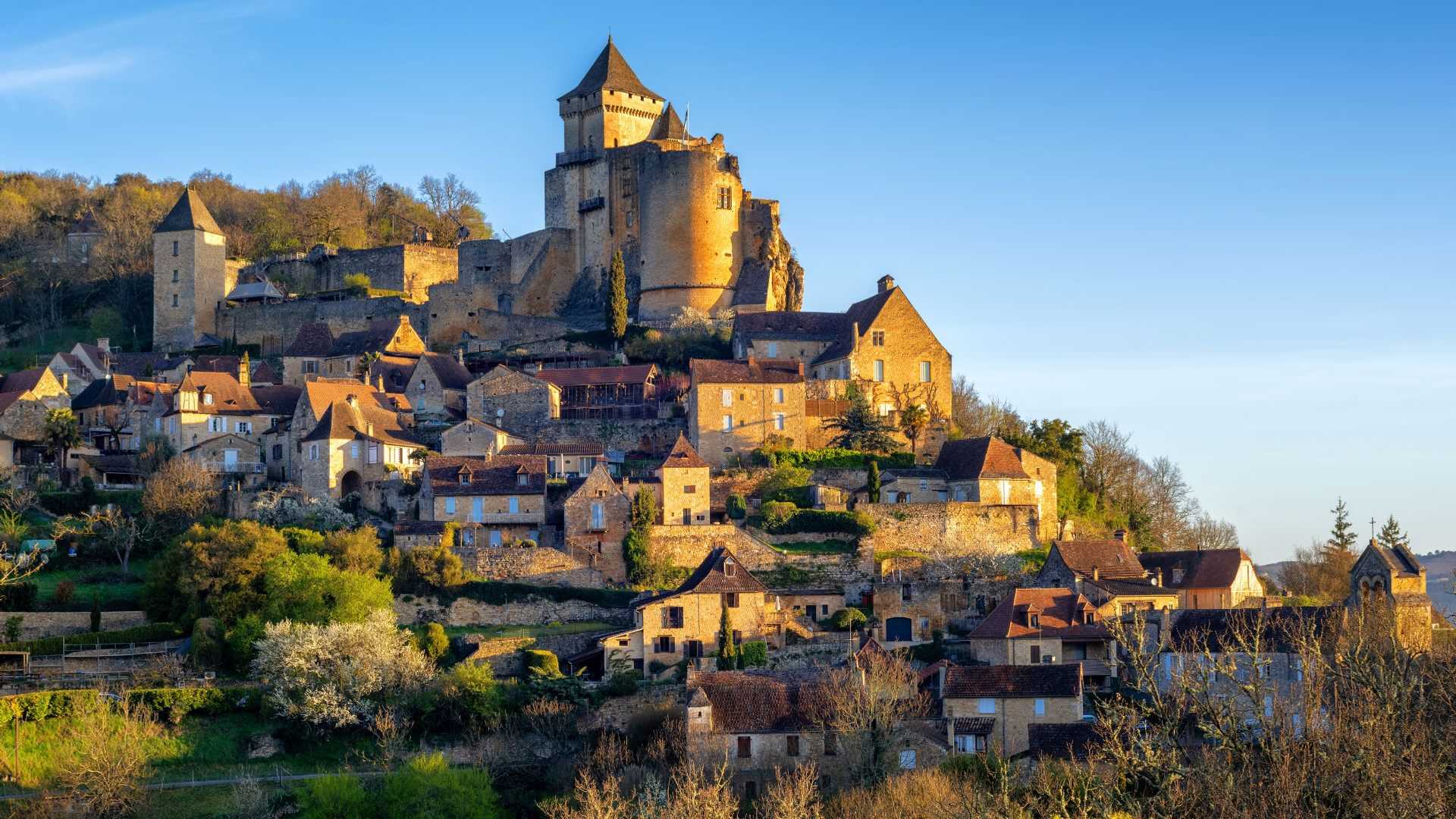
Centuries later, castles and fortified settlements appeared above the same river valleys. Places such as Commarque, Beynac and Castelnaud used the high ground for defence, while villages developed along the waterways below.
That overlap is what gives this walk its character. At Commarque, medieval remains and prehistoric shelters occupy the same landscape. Around Les Eyzies and La Roque Saint-Christophe, cliffs tell a much older story. By the time you reach Montignac, the walk has taken you through thousands of years of settlement without leaving the Dordogne valleys.